Rob Shelley is the CEO of Maritime Cargo Services, one of the UK’s leading freight forwarders. Established over 20 years ago, Maritime Cargo Services handle more than 20,000 containers a year on behalf of its clients.
Is the long term viability of the major shipping lines in question? And what could that mean for the scaffolding industry?
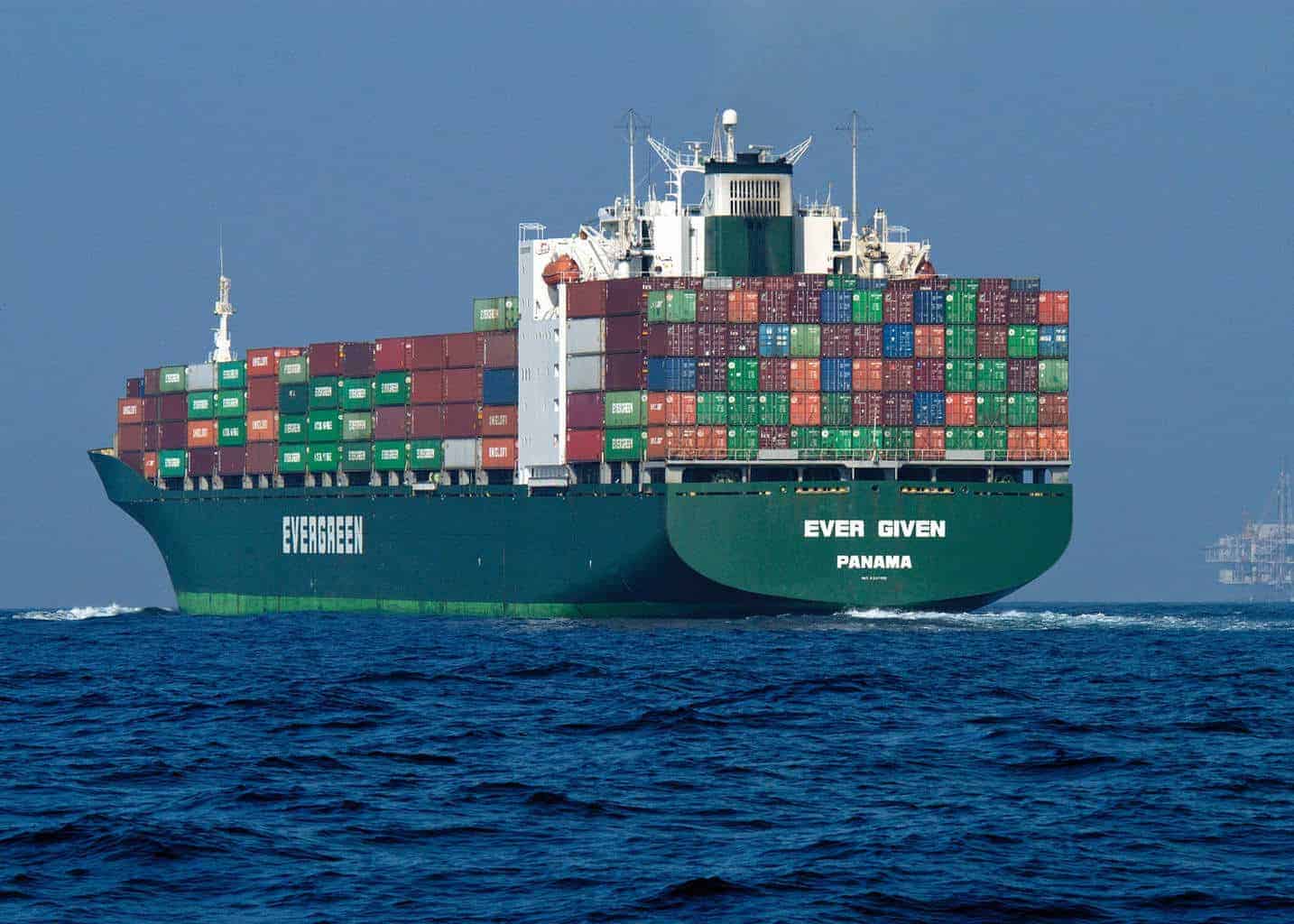
 Without a doubt, what happens in the global shipping market is of crucial importance and might well have a significant knock-on effect on the scaffolding industry.
We have never seen such volatility in ‘dry van’ shipping rates as we have witnessed over the last few years; with rate swings of over 100% from one quarter to another not uncommon. And the first knock-on effect is, of course, in the overall profitability and, therefore, viability, of the shipping lines themselves. So, ultimately, this is something that is of importance to the scaffolding industry!
Container freight rates on some of the main Asia-Europe routes increased again last month for the third time in as many months piling pressure on shippers after the previous large rate hikes. Furthermore, it would appear that the shipping lines were able to enforce the vast majority of the requested price increases; although many would suggest that they might not be sustainable in the longer term given the expected delivery of a significant number of large new ships from the shipyards.
Furthermore, some analysts expect pricing to ease as weakening load factors impact the sustainability of current rate levels. In addition, there is some significant disparity when looking at overall global route trends; for instance, the divergence in freight rate trends between the ascendant Asia-to-Europe trade and moribund transpacific routes.
Tighter capacity on the former has enabled lines to press ahead with aggressive rate restoration programmes, while weaker load factors on the transpacific have held such attempts in check. This might well mean that the rally in Asia-to-Europe rate increases may be losing steam. In fact, carriers are already offering pricing reductions on cargo bookings for later in the month, indicating that the market may now have peaked.
Cumulatively, the container lines lost over $6 billion in 2011; $2 billion in the last quarter alone. And, despite the many recent rate increases, many of the lines are expecting to lose money again this year. In fact, Maersk Line, the world’s largest shipping line, has just announced that it lost almost $600 million in Q1 2012; more than it lost in the whole of last year. And that was on revenue up 7% to $6.3 billion!
This is all very sobering and, although we wouldn’t for a minute doubt the long term viability of Maersk itself – who has stated that it expects an overall “negative up to neutral result in 2012” – the omens are potentially more ominous for some of the smaller players.
All of this means that the importers and exporters of scaffolding products are increasingly under pressure to ensure that their logistics chains are working at optimum safe and efficient levels. It’s imperative that in order to avoid ‘contagion’, the scaffolding industry does its upmost to ensure that its logistics chains are being well managed and that it utilises a high quality freight forwarding partner; one that can advise them knowledgably and help them successfully and profitably navigate through the instability of the global shipping industry.