
AT-PAC opens Darwin branch to support northern Australia projects

AT-PAC has opened a new branch in Darwin as it expands its Australian network to support industrial, mining, energy and infrastructure work across the Northern Territory.

ADVERTISEMENT

AT-PAC has opened a new branch in Darwin, Northern Territory, giving contractors in northern Australia local access to scaffold stock, rental equipment and technical support.

The company said the branch will support projects across oil and gas, mining, energy, infrastructure, defence and marine sectors.

The site is in Berrimah, around 15 minutes from Darwin city centre, according to AT-PAC Australia and Pacific.

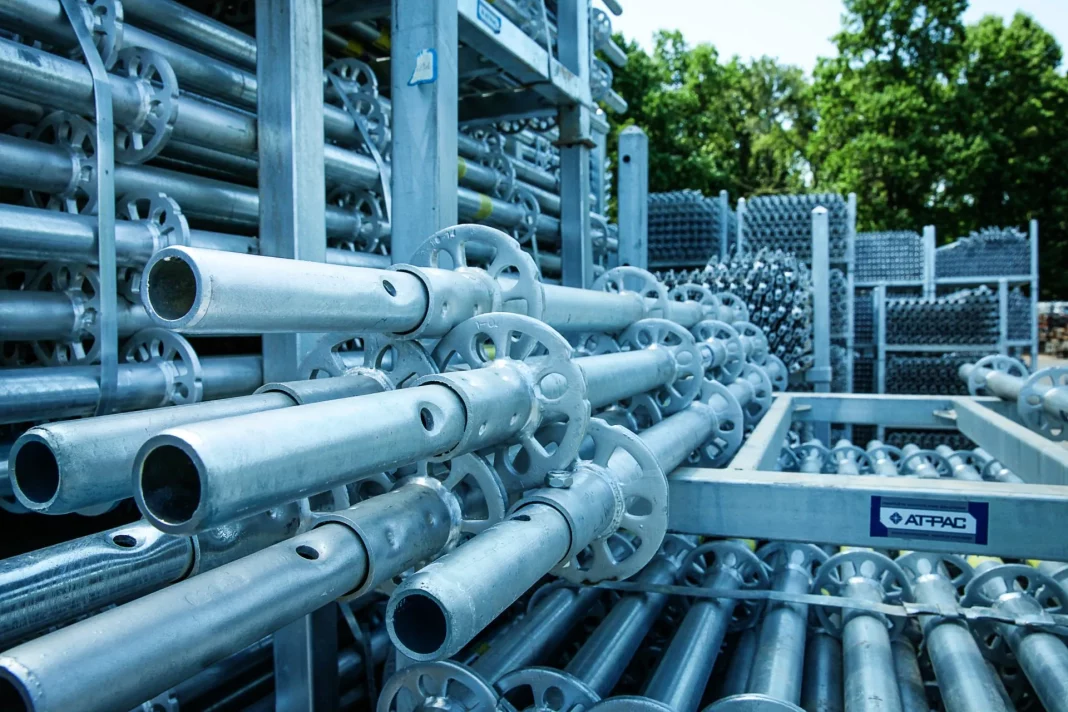
AT-PAC said holding Ringlock system scaffold locally should reduce delivery times for customers working on remote and industrial sites across the Northern Territory and nearby regions.

The Darwin operation will provide scaffold sales and rental, alongside engineering input and project planning support.

For contractors, the practical benefit is having material closer to site. Northern Australia’s industrial projects can involve long transport distances, particularly where scaffold requirements change during a job.

AT-PAC said the branch will be staffed locally and backed by its wider Australian supply and engineering network.

Part of wider Australian growth

The Darwin opening follows AT-PAC’s recent expansion in Adelaide. The company has also operated branches in Perth, Brisbane, Sydney, Melbourne and Gladstone.

AT-PAC became part of Umdasch Industrial Solutions in 2025, following its earlier integration into the Umdasch Group.

The company said its Australian branch network is intended to give industrial customers quicker access to equipment and technical support where major projects are taking place.

SM Newsdesk
SM Newsdeskhttps://www.scaffmag.com
The staff at ScaffMag.com the leading scaffolding site for a digital generation.

Most popular ↑

CISRS says CSCS notice was served to negotiate “from a stronger position”

NASC president Sarah Klieve says CISRS served CSCS notice to negotiate from a stronger position, as Build UK says the card rules don’t block other sectors.

86m Layher scaffold completed at Giotto’s Bell Tower

An 86-metre scaffold erected in just over four months will support a five-year restoration of the Florence landmark while keeping it open to visitors.

WorkSafe targets fall risks on New Zealand residential sites

WorkSafe New Zealand is inspecting residential sites from October to December, with falls from height accounting for 70% of construction prohibition notices.

Scaffold Innovations: GapClamp™

  Since the Work at Height Regulations 2005 came into...

Monthly Scaff Walk launched to support mental health conversations

A new monthly walking event aimed at bringing people from across the scaffolding and construction industry together to talk about mental health will begin in London later this month.

Latest news

Lee Marley turnover hits £95.4m as profit falls

The masonry and scaffolding contractor invested £2.99m in scaffold and other fixed assets and entered 2026 with £131m of secured work.
- Advertisement -
More from

Worker dies in fall as campaigners count 21 Hong Kong construction deaths this year

A 34-year-old worker has died in a fall at a Tung Chung public housing site, the 21st construction death in Hong Kong this year according to a victims' rights group.

SAA backs scaffold safety education after Queensland coroner’s findings

SAA supports education following any changes to Queensland’s scaffolding code and calls for stability assessments to account for wind exposure and public safety.

WorkSafe targets fall risks on New Zealand residential sites

WorkSafe New Zealand is inspecting residential sites from October to December, with falls from height accounting for 70% of construction prohibition notices.

Queensland coroner calls for mandatory tower scaffold controls after fatal collapse

A Queensland coroner has called for mandatory additional controls on freestanding tower scaffolds in public places after finding that the industry’s accepted height-to-base rule of thumb was not enough to protect against strong winds.
Latest articles