W G Carter was sentenced on 24 September after Richard “Felix” Roper fell while working on 30 August 2022. He died the following day.
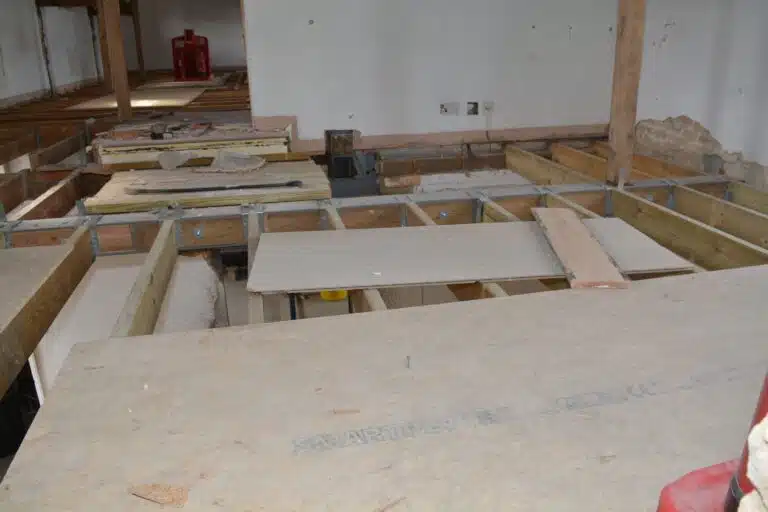
The Health and Safety Executive said the incident happened after flooring and supporting timbers had been removed, leaving an area where workers were exposed to a fall from height.
W G Carter pleaded guilty to an offence under work-at-height legislation. The company was fined £120,000 and ordered to pay £5,247 in costs.
The case is relevant to the access sector because it centres on how work is sequenced once a previously safe working surface has been opened up.
HSE said a safer method was later adopted which used suitable access equipment so joists could be installed from below. That removed the need for workers to stand on or cross the exposed floor area while the structure was incomplete.
HSE guidance says construction work at height must be properly planned, supervised and carried out using suitable equipment. Where work at height cannot be avoided, the regulator says measures should first prevent falls, including collective protection such as scaffolds, tower scaffolds or mobile elevating work platforms.
The guidance also says safe access should be considered as part of the work method rather than after work has started. Equipment needed for the job should be identified and available before the task begins.
Falls from height remain one of the main causes of death and serious injury in construction. HSE says work sequencing, access arrangements and the condition of the working surface should all form part of the risk assessment before work begins.
For access contractors, the case is another reminder that temporary access requirements can change as a structure is stripped back, altered or rebuilt. A safe platform at one stage of a job can become an open fall risk once flooring, supports or edge protection are removed.