
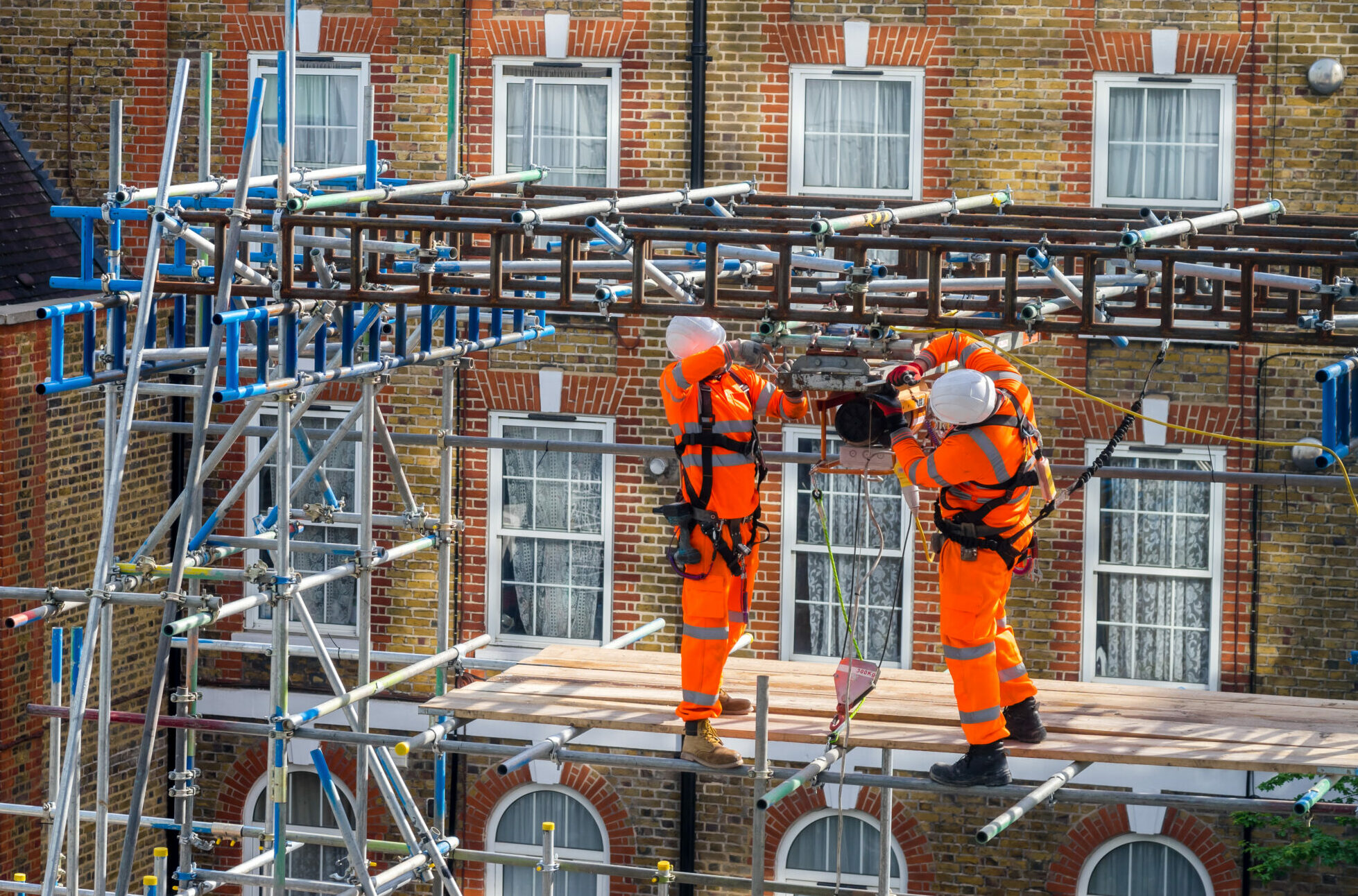
The scaffolding sector is bracing itself for a year of challenges and opportunities in 2024.
As we embark on a new year, the industry finds itself at a crossroads, navigating economic uncertainty, cost volatility, and a persistent shortage of skilled labour. However, amidst these hurdles, there are signs of growth driven by sustainability initiatives and technological advancements.
Workforce Challenges Persist
One of the foremost challenges facing the scaffolding sector is the ongoing shortage of skilled labour. This shortage has plagued the industry for several years and shows no signs of abating in 2024.
The need for more qualified workers continues to pressure construction projects, potentially delaying timelines and increasing labour costs. As a result, companies are intensifying efforts to attract and retain skilled labour, offering competitive wages and training programs to bridge the skills gap.
Economic Uncertainty and Rising Material Costs
Economic uncertainty remains a cloud over the industry in 2024, with high interest rates and tighter lending standards impacting construction activity. The cost of construction materials, according to the Construction Products Association, is projected to rise by 5.9% this year, exceeding the expected inflation rate. This surge in material prices could further strain construction budgets, making project viability a concern for stakeholders.
Bright Spots on the Horizon
Despite these challenges, there is a silver lining for the scaffolding sector. Deloitte Insights predicts growth in 2024, primarily fueled by sustainable practices and technological advancements.
The industry is aligning with the International Energy Agency’s Net Zero Emissions by 2050 Scenario, which demands that all new buildings and 20% of existing structures be zero-carbon-ready by 2030. This commitment to sustainability is expected to drive demand for green buildings and construction activity.
Furthermore, the industry may receive a much-needed boost from funds allocated through key pieces of legislation passed in 2021 and 2022.
Investments in manufacturing, transportation infrastructure, and clean energy infrastructure could welcome capital into the sector. This financial support could spur growth and offset some of the challenges posed by the shortage of labour and rising material costs.
Technological Advancements to the Rescue
In addition to sustainability efforts, the adoption of technological advancements is set to revolutionise the scaffolding industry in 2024.
Innovations in construction technology are expected to improve the efficiency of scaffolding processes, reducing costs and increasing productivity. Companies are increasingly exploring the use of drones, artificial intelligence, and advanced materials to enhance safety and streamline operations.
A Year of Adaptation
In conclusion, 2024 presents both hurdles and opportunities for the scaffolding sector.
Economic uncertainty, labour shortages, and rising material costs will require adaptability and resilience from industry players. However, the commitment to sustainability and the adoption of cutting-edge technology offer pathways to growth and improved efficiency. As the year unfolds, the scaffolding sector will need to navigate these challenges while embracing innovation to secure a prosperous future.