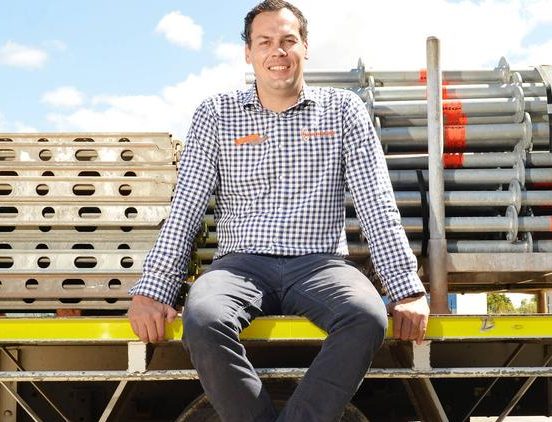
We have all heard about robots and how they are going to steal our jobs and do everything that humans can do right? The big question we need to ask ourselves says Simon Boyes is “are we turning humans into robots?”
Some of you may have seen the videos being circulated on the internet of robots installing scaffolding couplers and delivering scaffolding components to different parts of the scaffolding structure but are the most sophisticated robots we are creating our human scaffolders?
Now you might have read up to this point of the article and thought “what is this guy talking about?” but stick with me because I think you will understand where I am coming from in a moment.
Over the last 5 years, the scaffolding industry has evolved, and we have experienced more change than any other time in our history. When any industry experiences rapid growth and advancements in techniques, materials and technology, there is often a delay in the legislation keeping up with the new way of doing things and we experience a period of confusion and misinterpretation.
Companies and individuals find new ways to solve old problems and the legislation may not have considered such methods in previous editions so we experience a divide in the industry of people who are still doing things the old way and people who have harnessed the change and finding more efficient ways to do business. Slowly over time legislation catches up with the advancements and new rules and regulations are implemented and this is where things can get scary.
Many of the older generations of scaffolders tell stories of a truckload of materials being delivered to a job site and the scaffolders would use their skills and knowledge to use the materials the best way they know-how. If they were short of some items, they would find a way to substitute different components to get the job done. This process has worked well for thousands of years and still happens in some places today with great success. The biggest challenge with this method is the guys on site are completely responsible for the success or failure of the project and the skill of the crew will impact how well the scaffolding has been built. You could send 10 different scaffolding crews to build the exact same job and all 10 crews would build it differently. All 10 crews will still get the job done and still give the client what they are paying for, but which crew will be the most efficient, fastest, safest ect?

In a competitive market where often, the cheapest price will win the job, time and efficiency is the key to the businesses success and this forces senior management to find new ways to get an edge on your customer.
In comes the introduction of technology and innovation and business must ask themselves: how can we make the scaffolders work faster, what materials can we use to make it quicker, how can we save transport and delivery costs, how can we use less equipment so we can do more jobs and so on……
The answer to all the above questions is to plan out and design the project before arriving on site.
“Are we turning human scaffolders into robots”?
There are many great scaffolding design platforms on the market that will help design the scaffolding layout, provide a bill of materials, generate accurate transport takeoffs and provide the client with a visual experience of the finished product to help the business get an advantage over their competition but by doing all the thinking for the scaffolders, are we turning them into robots?
Nowadays, the scaffolders arrive on site and everything is already done for them and someone has already decided on the most efficient way to install the scaffolding and what components need to go where. The scaffolder no longer needs to think for themselves and simply must follow what has been shown on the scaffolding plan. They will be given just the right amount of materials needed to complete the works and all the thinking has already been done for them so they can simply focus on the execution.
What happens in the instance where the client onsite needs an alteration to the original design or the conditions of the site have changed and the scaffolding needs to be modified, or the instance of a client has an urgent requirement and there isn’t enough time to prepare scaffolding plans? This is a great way to reduce costs and increase efficiencies but are the scaffolders losing their ability to think for themselves?
Are we expecting the scaffolders to use their own skills and knowledge to come up with a solution when we have been breeding a generation of scaffolders who aren’t allowed to think for themselves and must follow what they have been shown on a piece of paper? Are we killing off a generation of creative thinkers who can look at a project and come up with a design in their head and then execute their idea? Are we turning human scaffolders into robots?
Where do we draw the line between creating efficiencies and building an industry of harnessing innovation and technology but not destroy the human touch at the same time? If the client could have used a machine or a robot to access their work area, they wouldn’t have needed scaffolding in the first place.
Will legislation eliminate the human factor and create an industry where the scaffolder is legally no longer allowed to think for themselves and can no longer erect a scaffolding without an engineered scaffolding plan?
As I mentioned earlier, the last 5 years we have felt the industry change and evolve at a rapid pace so over the next 5 years we will find the answers to all the above questions. I’m not sure if I am excited or scared to sit down and write this same article again in the year 2025.
This article was first published in the ScaffMag Magazine Issue 11