The escalating conflict in the Middle East is beginning to affect construction and safety training activity, with early disruption reported to training schedules in parts of the Gulf.
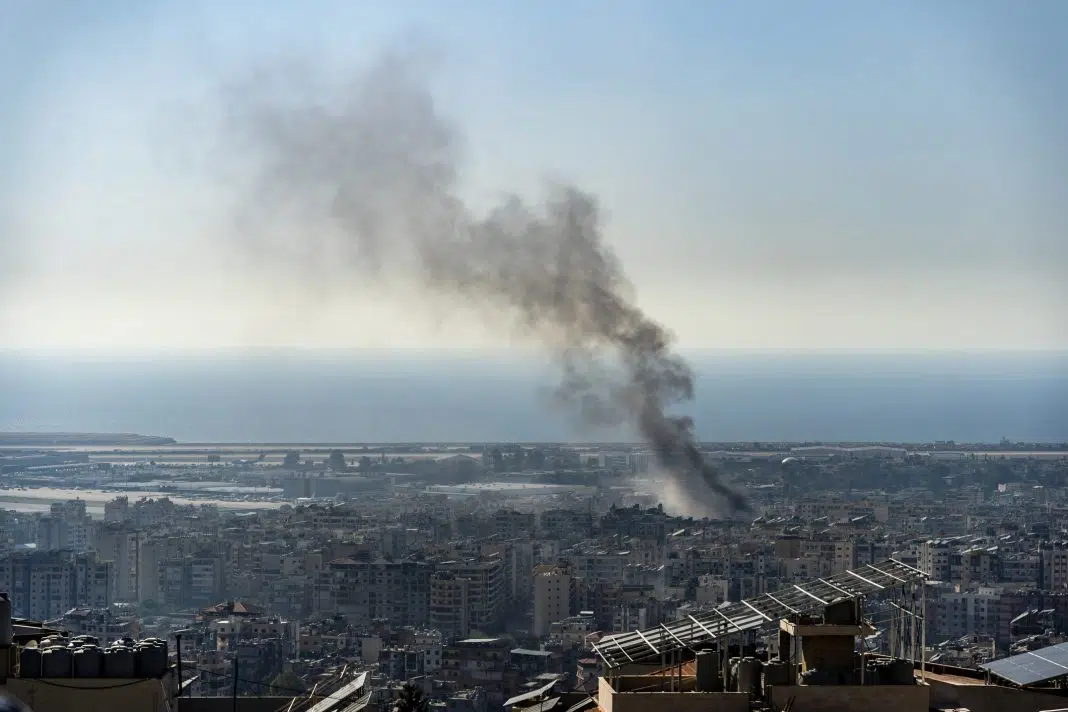
The regional crisis began on Saturday (28 February) following joint US and Israeli military strikes on Iran, triggering retaliatory missile and drone attacks across several Gulf states and escalating into a wider regional conflict.
Airspace closures, missile interceptions and heightened security measures have since disrupted aviation and business activity across the region, with major hubs such as Dubai experiencing severe flight disruption.
Industry training provider SIMIAN Skill International said authorities in parts of the Gulf had temporarily reduced public activity as security measures were introduced.
 Ian Fyall, managing partner of the organisation, said the situation had already started to affect bookings and course delivery.
“Today and tomorrow are days off as they want crowds off the street,” he said. “Schools may reopen later in the week.”
He added that training bookings and schedules are already being affected.
“There will be disruption to bookings and schedules,” Fyall explained, although he said some essential sectors were continuing to operate.
Infrastructure connected to power and utilities remains active in order to maintain critical services, while other work activity has been temporarily paused in some areas.
The Middle East hosts a large international construction workforce, with training centres providing certification and safety courses required before workers can access major infrastructure, industrial and energy projects.
Any prolonged disruption to training delivery could create knock-on effects for workforce mobilisation and project scheduling across the region.
The wider economic impact of the conflict is already spreading beyond construction. Shipping routes through the Gulf have been disrupted and thousands of vessels are stalled as insurers, logistics companies and governments respond to the escalating security risks.
For now, industry sources say the impact on training appears limited to short-term scheduling issues.
However, with military activity continuing across several Gulf states and uncertainty around travel and logistics, construction companies and training providers are closely monitoring the situation.
Further disruption could emerge if the conflict continues to affect transport, workforce movement and business operations across the region.