Scaffolding training continues despite UK national lockdown
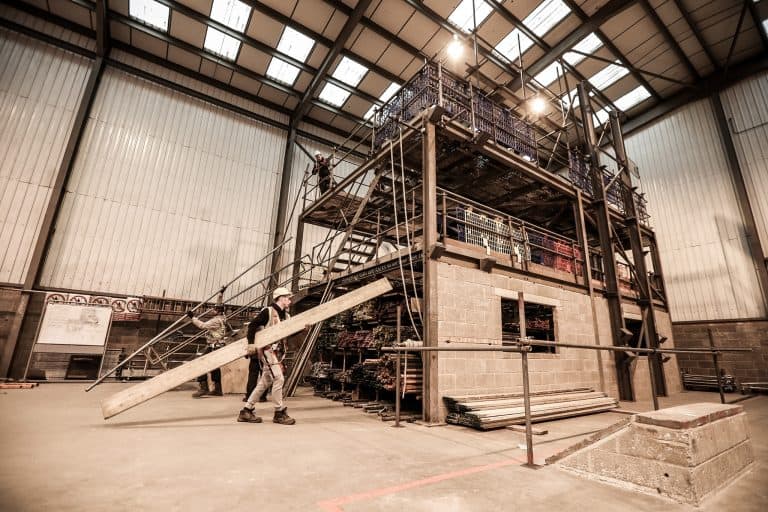
Several CISRS training providers are still supporting the industry, despite the UK national lockdown, it’s been revealed.
In a bid to curb the second wave of the deadly Coronavirus pandemic the UK government ordered the country to enter its third national lockdown earlier this week. Schools, colleges and universities also had to close with a number of scaffolding training centres following suit, leaving many scaffolders in training limbo. However, Scaffmag understands that several independent CISRS training providers not linked to Further Education colleges or apprenticeship delivery are continuing to operate throughout the lockdown. One such provider Safety & Access Ltd is continuing to support the industry by providing key training and assessments to meet their customer’s needs and the needs of scaffolders generally. Rick Statham, Safety & Access Joint Managing Director told me: “We have worked very hard to ensure that the very latest COVID precautions are in place at our training facilities including social distancing, sanitisers and hygiene facilities, one-way systems, staggered breaks, temperature checks, PPE etc as the safety of our staff and customers is paramount. There are several CISRS training providers in the UK that have taken a similar view to support their customers and I would urge Scaffmag readers and followers to contact their local providers and enquire.” “As a business that provides safety-critical training in support of construction, infrastructure, oil and gas and a wide range of essential sectors we are continuing to offer safe short duration courses and VQ development to enable our customers to renew or complete their qualifications to access sites and to achieve the relevant CISRS Card.” “We are also continuing with much of our statutory scaffold inspections and on-site assessment to meet the regulatory needs of our customers.” Rick added: “As the current situation is constantly changing regarding COVID in the UK, we will obviously monitor and review this on an ongoing basis and make any decisions based on best practice and government guidelines.”Major Midlands Hotel A Perfect Host for Sky Scaffolding

A prestigious Birmingham hotel has been reaching for the sky in search of the perfect safe access scaffolding solution.
Now, the Clayton Hotel in the city centre has a rooftop extension to be proud of having remained completely operational as works were carried out by CField Construction. None of this would have been possible, however, without the expertise of Sky Scaffolding Midlands Ltd who provided an interim solution for the two-storey scheme. In order to maintain guest vistas and natural light pouring into the building, the scaffolders formulated a plan utilising Layher Allround towers installed between the existing windows of the lower floors. The towers were tied into the existing floor slabs and were bridged at high level to provide the first working lift at existing roof level. As the contractor was unable to install any new permanent structure through the existing roofing membranes until the scaffolding structure was watertight, the experts at Sky began work from the project start date. In fact, the risk of water ingress into the operational hotel below would be too great once the waterproofing of the existing roof was broken. Because there wasn’t a permanent structure to tie to above the existing roofing level, the scaffold had to extend a further 8m and support a 19m clear span temporary roofing structure. In terms of the original design, buttresses anchored to the existing roof slab were a possibility – alternatively, they could use tie beams between the two external elevation scaffolds. After a lot of skilled planning, the company set about bracing and anchoring each frame of the scaffold back to the existing concrete roof slab. This involved using 4x band and plate fittings and concrete anchors per frame, drastically reducing the amount of material needed to support the scaffold.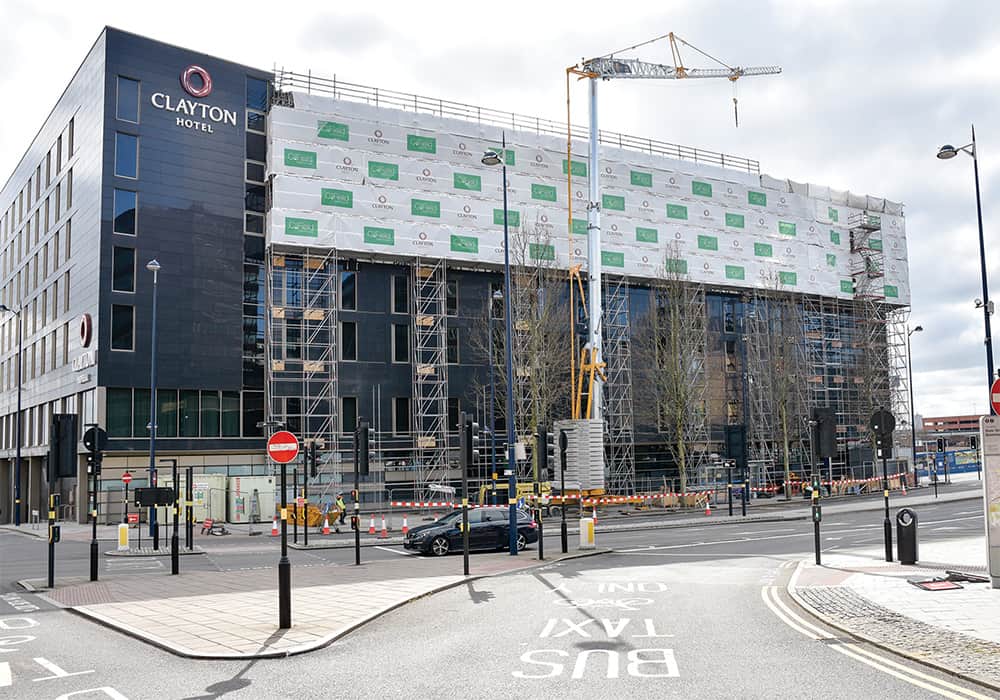 The result was a superb view from the road level as the scaffold appeared to be built four lifts above tie level without lateral support. Shrinkwrap was chosen as the best sheeting system for most of the temporary roof covering, due to the unusual shape of the roof at the interface with the existing higher-level part of the hotel.
The scaffolders elected to work alongside A HAKITEC roof system for the remaining section of the roof as the Contractor required the ability to pull sheets back and crane materials into the worksite. It all depended on the weather conditions of course.
It was then time to construct a full-height site staircase and two large crane loading bays on the Moor Street Queensway Elevation. The scaffolding was so strong fully sheeted it comfortably survived Storm Ciara and Storm Dennis in February 2020.
JP Burke, CField Construction Contracts Manager, explained: “Sky Scaffolding were appointed to execute access requirements and temporary roofing solutions for our Clayton Hotel project in Birmingham. CField decided a temporary roof was critical for the execution of the project as the existing building remained live throughout our construction period.
The temporary roof, supplied and installed by Sky Scaffolding, proved a perfect solution and was an impressive structure greatly admired by all. Sky Scaffolding provided fantastic site personnel with great experience, knowledge and care. Their attention to detail was excellent throughout their element of works. Many thanks to the Sky team for contributing to the success of this complex scheme.”
Thoroughly safe access was provided for the successful completion of the project last summer despite the pandemic.
Both CField and the hotel had certainly reached new heights as Sky Scaffolding elevated their already high reputation for quality and innovation to a whole new level.
The result was a superb view from the road level as the scaffold appeared to be built four lifts above tie level without lateral support. Shrinkwrap was chosen as the best sheeting system for most of the temporary roof covering, due to the unusual shape of the roof at the interface with the existing higher-level part of the hotel.
The scaffolders elected to work alongside A HAKITEC roof system for the remaining section of the roof as the Contractor required the ability to pull sheets back and crane materials into the worksite. It all depended on the weather conditions of course.
It was then time to construct a full-height site staircase and two large crane loading bays on the Moor Street Queensway Elevation. The scaffolding was so strong fully sheeted it comfortably survived Storm Ciara and Storm Dennis in February 2020.
JP Burke, CField Construction Contracts Manager, explained: “Sky Scaffolding were appointed to execute access requirements and temporary roofing solutions for our Clayton Hotel project in Birmingham. CField decided a temporary roof was critical for the execution of the project as the existing building remained live throughout our construction period.
The temporary roof, supplied and installed by Sky Scaffolding, proved a perfect solution and was an impressive structure greatly admired by all. Sky Scaffolding provided fantastic site personnel with great experience, knowledge and care. Their attention to detail was excellent throughout their element of works. Many thanks to the Sky team for contributing to the success of this complex scheme.”
Thoroughly safe access was provided for the successful completion of the project last summer despite the pandemic.
Both CField and the hotel had certainly reached new heights as Sky Scaffolding elevated their already high reputation for quality and innovation to a whole new level. Installation of UK’s biggest printed scaffold wrap underway

The UK’s biggest printed scaffold wrap installation gets underway.
This week sees the start of a colossal project to wrap the access scaffolding that is being erected around the iconic Selfridges store in Birmingham. Industry specialists Embrace Building Wraps have begun the installation of the record-breaking 10,400m2 digitally-printed scaffold banner. During renovations to the property scaffold measuring approximately 42m high and 260m long will follow the contours of the building along Moor Street, Park Street and into Spiceal Street at the Bullring. This will enable the replacement of the façade for improved energy efficiency and the removal and reattachment of the signature 15,000 silver discs. The printed scaffold wrap design entitled ‘The Dogtooth Flower’ has been created by Birmingham-born Osman Yousefzada and is the designer’s first piece of public art. Each of the dogtooth flowers measures 6.7m high and 7m wide. Embrace is delivering the largest digitally-printed scaffold banner in the UK working closely with BAM Construction and Midland Scaffold Services. A network of 28 separate offset frames is being installed to form the structure in phases over the next six months. Site hoarding graphics will also be installed to complete the high impact design. Managing Director at Embrace Building Wraps Greg Forster comments: “We are delighted to be working on such a high-profile project at this landmark location. What we have here is an über-large puzzle made up of 28 different shaped pieces. On average each piece measures 371m2 – about the same size as seven double-decker buses.” Greg continues: “To fully appreciate the scale of the project the entire banner installation is about half the height of Big Ben and as long as 3.5 Boeing 747 jumbo jets!” When the works are complete and the enormous wrap ultimately comes down it will be repurposed as agricultural waterproof covers through the National Farmers Union as an alternative to tarpaulins.NASC hands over more than £50K in training fund payments
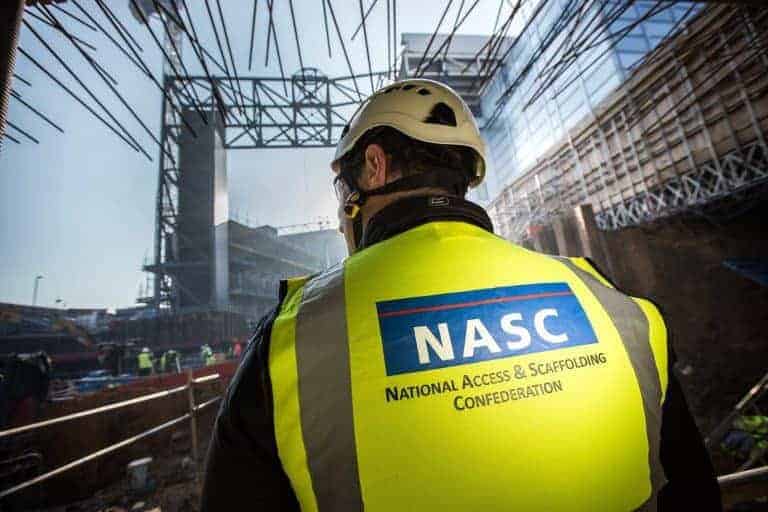
Members of the scaffolding trade body the NASC have received more than £50,000 from the NASC’s four training funds during 2020, it has been revealed.
It’s been announced that NASC full members collectively claimed £25,500 in Continual Professional Development (CPD) funding – paying for 204 experienced operatives to complete the two-day refresher course – and £16,500 in CISRS Operatives Training Scheme (COTS) payments – bringing 132 new recruits into the scaffolding industry. Their members also made 58 applications to receive funding through the NASC’s Mental Health First Aid (MHFA) training fund, receiving £7,250 in total. There were also three £1,000 claims made to the NASC’s Armed Forces training fund, dedicated to the training and upskilling of ex-services personnel. The figures were announced at the NASC’s annual general meeting that took place online in November 2020. Robin James, NASC Managing Director, said: “The NASC is passionate about safety, training and recruitment and committed to helping its members succeed in these areas. “The established CPD and COTS funding pots, through which members can claim payments of £125 for employees at the start of their scaffolding industry career and those renewing their CISRS Scaffolder or Advanced Scaffolder cards, remain extremely popular among members. “We are delighted to see that members continue to take advantage of the MHFA training fund, making more than a claim per week during 2020 collectively. Mental health and wellbeing is a huge issue in the construction industry, evidenced by the fact that every working day, two construction workers take their own life. “This fund aims to help break down the stigma surrounding mental health and promote the importance of focusing on employee wellbeing in the workplace, giving members a payment of up to £125 to pay for mental health first aid training. “The Armed Forces fund, through which NASC members can claim up to £1,000 towards the training of an ex-forces employee or employees, has been affected by the Covid-19 pandemic. We’re sure that once normality returns, they will make as much use of this fund as they have the other three.”Strictest lockdown ordered but construction can continue

Construction sites can stay open as the prime minister last night ordered the strictest lockdown measures since March 2020.
In a televised lockdown announcement the prime minister, last night ordered all members of the public to stay at home until at least 15 February and to leave only for exercise. The third national lockdown measures come into force from Wednesday morning with the government urging people to work from home wherever possible. National lockdown guidance published online after the PM’s announcement states; “you can only leave home for work purposes where it is unreasonable for you to do your job from home, including but not limited to people who work within critical national infrastructure, construction or manufacturing that require in-person attendance.” Tradespeople can continue as usual to work on and in other peoples homes while adhering to Covid social distancing guidelines. Like builders merchants, scaffolding hire & sale yards have been classed as essential retail so are allowed to stay open along with food shops, supermarkets and pharmacies. However, like schools, colleges and universities a number of scaffolding training centres will have to close. SIMIAN the UK’s largest privately-owned scaffolding training provider said last night “it’s training centres across the country will close from 5 pm today (5 January) and will remain closed until Government advice confirms they can re-open.”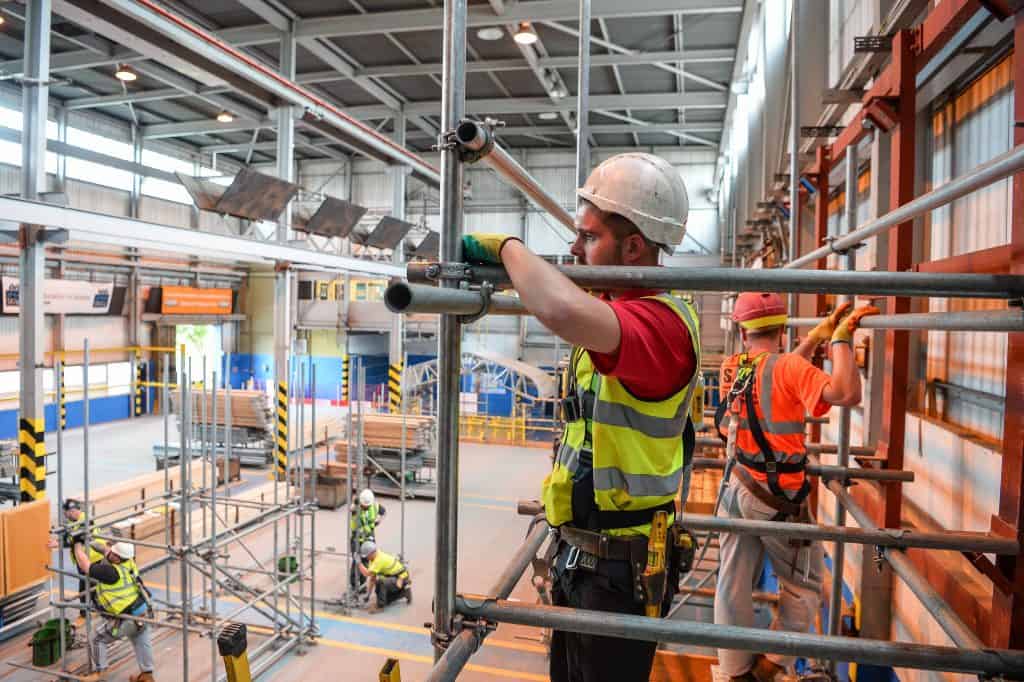
Altrad post outstanding results despite Covid-19

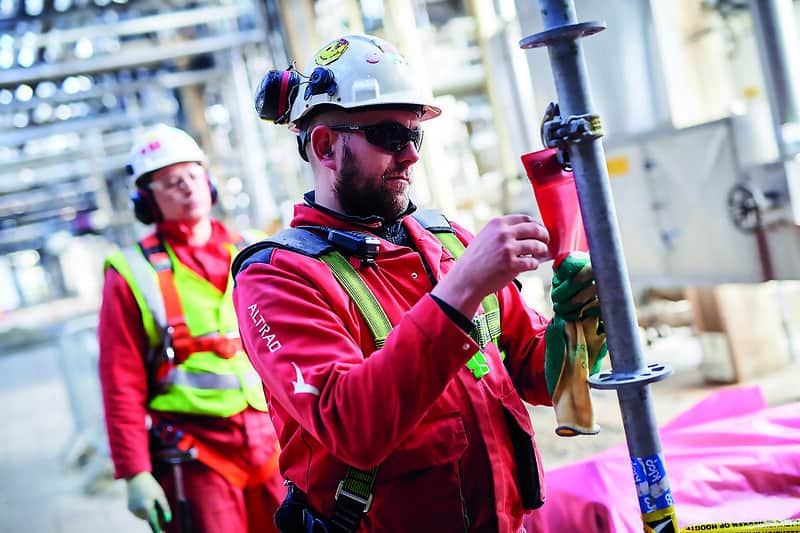
Despite the trials and tribulations of 2020 global leaders, Altrad have released another set of outstanding results, proving it hasn’t all been bad news for business and the services sector in particular – Grahame Anderson has been taking a closer look at the detail.
Outstanding fiscal results from the past year has once again shown global leaders Altrad to be a company clearly helping to build a sustainable future. Given the world pandemic and the uncertainty of another controversial American election, their achievements are even more staggering.
Significant Savings
At years end Altrad’s Services order book stood at €3,015 million, with €1,234 million to be delivered in the current financial year providing 60%coverage on the 2021 financial year revenue budget. A net income of £84million is impressive enough set against debt of £394million, with a cash figure of £1,159million. All made possible by the introduction of resizing and stronger discipline to deliver significant structural savings. This meant they could maintain gross margins and EBITDA percentages at the same level as pre-COVID.
Altrad benefitted from a balanced sales mix between Oil and Gas (28%), Construction (36%), Process Industries (25%) and Power Generation (11%), providing protection from any downturns in each sector. This financial year, 78% of revenue was generated from the Group’s Services businesses, with 22% being generated from its Equipment division.
Rapidly Changing Market
Joint CEO, Ran Oren told me: “We are delighted to deliver such a robust set of full-year results, especially considering the challenging market conditions faced throughout the second half of the fiscal year. In the first half we displayed a solid performance in line with our expectation. However, in mid-March, like most companies throughout the world, we were faced with an unprecedented challenge in the form of the pandemic and were required to take swift and decisive action to adapt our business to a rapidly changing market.
“We’ve accepted these results with good humility and a positive outlook in a year that’s seen us all come together as human beings to help each other. Back in March we were preparing for the worst, but now thanks to some amazing teamwork across the world, our debt is low and cash flow is strong. Thankfully, the pandemic hasn’t affected us as much as we were expecting in terms of the business.
“There has however been a price to pay having suffered a number of deaths across our incredible workforce, and there isn’t a day when I don’t think of the special people we’ve lost and those who have suffered due to coronavirus. I’m passionate about people and this continues to lead our drive forward. The pandemic has drawn us all closer together and we value this greatly.”
Rebound Effect
It seems the rebound effect has been firm across all sectors of expertise at Altrad especially in the equipment division with the healthy hire and sale of scaffolding and light construction equipment. With continued investment, these activities will provide a positive contribution to EBITDA and free cash generation in 2021.
With emerging international markets in mind, Scaffmag has learned Altrad continues to benefit from The Australian approach to defence in the shape of working frigates for the navy in the South. Add to this the fact countries like Canada and Mozambique have continued to thrive, and the strong effect Asian countries have on the market, and you can see why Altrad play such an important role providing services across the globe embracing many different challenges and opportunities along the way.
The theme of Energy Transition is also gaining momentum, with opportunities available to Altrad to assist clients with their transition, and their growing expertise in LNG, Renewables and Nuclear. They remain fully committed to climate change.
During the year Altrad acquired Adyard, one of the United Arab Emirates’ (UAE) leading providers of services to the oil and gas, power and water industries. This acquisition exemplified their approach to opportunistic growth, as the acquisition was completed on compelling terms and further diversifies the Group’s service offering in an area seeing strong demand.
Altrad’s multidisciplinary services range from engineering and technical provision to maintenance, access solutions and specialised services for industry leaders. The Group, headquartered in France, employs around 36,000 people and owns established international brands including Cape, Hertel and Prezioso Linjebygg.
Good Brexit Deal Required
Though it will not have a big impact on the company Ran says we need to strike a Brexit deal that’s good for everyone, with an economic upturn on the way. He added: “We remain hopeful and optimistic without being complacent as we strive to be a good corporate citizen to help build a sustainable world.”
The bottom line is with a recovery in commodity prices and initial signs of renewed investment activities the outlook for services remains strong in the short and medium term. This all makes positive reading not just for world leaders Altrad, but the industry generally.
For further detail on the Group’s activities and operations, please access the Annual Report on the results from the following link: https://www.altrad.com/en/newsreader/annual-report-2020.html
Extension plans discussed at CISRS accreditation audit

CISRS has carried out its first accreditation audit at Walsall College’s Midlands scaffolding training centre in Birmingham.
The audit was conducted at what was formerly operated by CITB as it’s National Construction College (NCC) Midlands, CISRS reports that the audit was completed without incident.
During the visit, CISRS Managing Director Dave Mosley got the chance to meet Walsall College’s Neil Sambrook, Head of Curriculum Cluster – Construction, Engineering and Science, to discuss the college’s plans, which could include extending the training areas and changes to the locations of the inspection and roof scaffold structures.
Dave Mosley said: “The accreditation visit went very well. It was a great opportunity to meet with Neil and discuss future plans for the centre. NCC Midlands has always had a large, regular customer base and a good set of staff so Walsall will be building on a solid foundation. We wish them all the best in their new venture.”
Neil Sambrook added: “We were originally due to take over in February so we were really pleased to finally be here, it’s a positive end to a very strange year. Adding scaffolding training to our portfolio has been a goal of ours for some time so we are really looking forward to working with CISRS and continuing to deliver a quality training experience for the access industry.”
CITB agreed to sell NCC Midlands to Walsall College on Monday 30 November under its Vision 2020 programme, which has seen the body hand over the management of its training centres to alternative providers.
Infiniti bags substantial six-figure hotel scaffolding contract

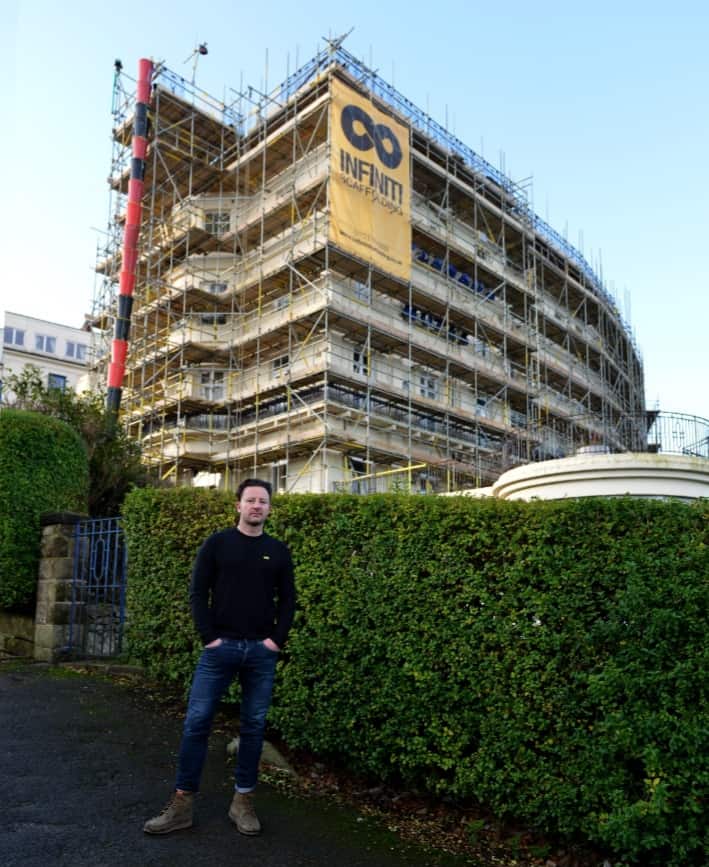
Scarborough-based Infiniti Scaffolding has been awarded a ‘high six-figure’ contract on the coastal resort’s Esplanade Hotel for the Daish Hotel Group.
The company is currently erecting access scaffolding, renewing the interior, exterior and roof on the hotel refurbishment project.
Infiniti Scaffolding which is part of the Infiniti Group has also just completed three, six-figure sum scaffolding and re-roofing contracts for Department of Work and Pensions (DWP) office blocks in Grimsby, Leeds and Norwich.
Work on the Victorian Esplanade Hotel has already begun and will create jobs for between 15 and 20 Infiniti Group employees and sub-contractors throughout the contract which is due to be completed by the end of March, 2021.
With scaffolding erected during October and November work has now commenced on construction. This will include: re-roofing the five-storey hotel with 15,000 traditional slates over a 440m sq area; the full refurbishment of 12 of the Esplanade’s 73 bedrooms and bathrooms; installation of a new women’s toilet; external painting of all walls and window wood works, including more than 200 sash windows; and redoing the external walkways.
“This is the second high profile hotel refurbishment we have won in Scarborough and follows the conversion of The Mount Hotel into the Bike & Boot Hotel. The Esplanade is an amazing building with a wonderful location and will be a fantastic place for us to work,” said Alex Willgrass, Infiniti Group director.
“The Esplanade and other important works for the DWP confirm our status as one of the leading scaffolding, construction and building services companies in Yorkshire and the North of England.”
Part of Infiniti Group’s success derives from how it has managed to win and successfully complete contracts during the Covid-19 pandemic and lockdown.

Marcus Rowe, Infiniti Group director, said: “There are some clear logistical and construction challenges ahead of us posed by lockdown, Brexit and the hotel’s location.
“However, we’ve shown that Infiniti Roofing & Construction is more than capable of dealing with the operational impact of the Covid-19 lockdown and coping with the stringent social distancing measures required.”
The company will pre-empt any further Covid-19 lockdowns by buying the majority of the materials they need to finish the work, while also sourcing additional fully experienced, available, skilled contractors.
Covid social distancing safety will be achieved using signage, floor and wall markings, Hi-Viz and intelligent clothing and exact, pre-planned operational movements of workers around the site, such as keeping contractors separate and adopting work patterns sequentially across the hotel’s floors.
Infiniti Group’s contracts manager, Sharon Lester, said: “Brexit is also an issue as, potentially, we’re faced with delays related to specialist supplies being brought in from mainland Europe inlcuding a new 4,000-litre water tank.
“And then there’s the weather – on the highest parts of the hotel exposed to the North Sea our workers and contractors will have to contend with sometimes extreme winter working conditons including very strong winds.”
Infiniti Group’s three DWP contracts, for Mitie Group, the facilities management and professional services company, include all scaffolding works and a full Sika Liquid Plastics roof system installed at DWP offices in Grimsby, Leeds and Norwich.
Scaffmag’s most read stories of 2020

As the year like no other edges closer to an end, and before we pack up and close for the traditional Christmas break we take a look back at what most attracted your attention during 2020.

The last twelve months have been some of the most difficult for many within the industry due to the COVID-19 pandemic. From lockdowns, social distancing, site closures and job losses we have unfortunately seen it all this year. But as usual, the construction industry as a whole has ‘adapted and overcome’.
Now with vaccines currently being deployed across the UK, we can finally look forward to a more normal and hopeful 2021. And as usual, Scaffmag will continue to keep you updated with what’s going on. Either on desktop, mobile, tablet or in our quarterly magazine available in digital and print, we have you covered.
During the holiday season, we will update the site with any major breaking stories but our full news service will be back on 4 January 2021.
We would like to take this opportunity to wish all our valued readers, subscribers and social media followers from around the world a very safe and Merry Christmas and a happy new year.
Daniel Norton – Editor
Most Read Stories of 2020
January
Storm Brendan brings down tower block scaffolding

January saw the UK battered by Storm Brendan, we covered the collapse of a 10 lift tower block scaffold in Orpington, London. No injuries were reported but a number of cars were damaged. (Pageviews/Reads: 3,381)
New CISRS Smart cards delayed until mid February
It was a frustrating time for CISRS as they revealed further delays to its new Smart card system due to the change of IT systems to NOCN job cards. (Pageviews/Reads: 1,857)
February
Prison sentence after scaffolder dies from 30ft fall

A scaffolding company boss was jailed after a scaffolder fell 30ft to his death while dismantling a temporary roof in Kensington, London. Southwark crown court heard how the boss of G&L Scaffolding and Roofing, Kevin Leathers, 41 had ignored previous safety warnings which lead to the death of scaffolder Jon Currie, 36. (Pageviews/Reads: 19,823)
X-Pro introduces the all new ProView Firefly scaffolders level for 2020
The latest product from the X-Pro series of scaffolders levels was launched that included a number of new and beneficial features including illuminated vials, stronger magnets and a hands-free bungee cord. (Pageviews/Reads: 4,243)
March
Industry experts warn of imminent construction site closures
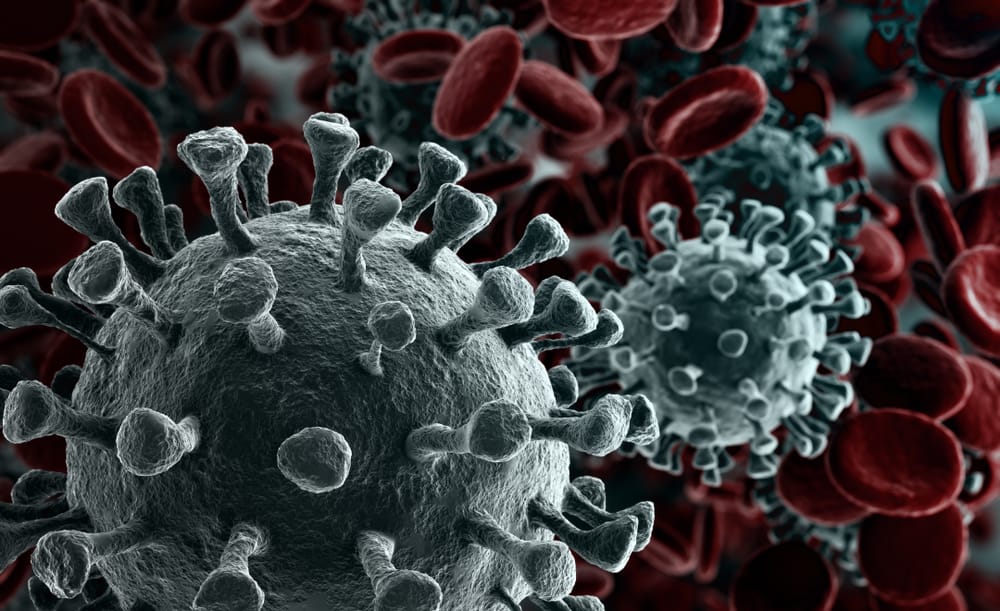
In early March Build UK and the Civil Engineering Contractors Association (CECA) said the UK construction industry was set to become ‘dramatically and severely affected’ from Coronavirus. Little did we realise how bad it was really going to get! (Pageviews/Reads 19,425)
Coronavirus – what you’re entitled to and how to claim
As the pandemic ramped up the UK was put into a full lockdown, many feared for their jobs and looked for answers. With help from the Money Advice Service, we put together this easily digestible list of information and resources to help overcome the pandemic financially. (Pageviews/Reads: 10,002)
Self-employed coronavirus help: Are you eligible to claim?
The government released details on its support scheme for those that were self-employed, we gave our readers the lowdown. (Pageviews/Reads: 16,858)
April
Scaffolders ‘ScaffShirt’ set to Launch
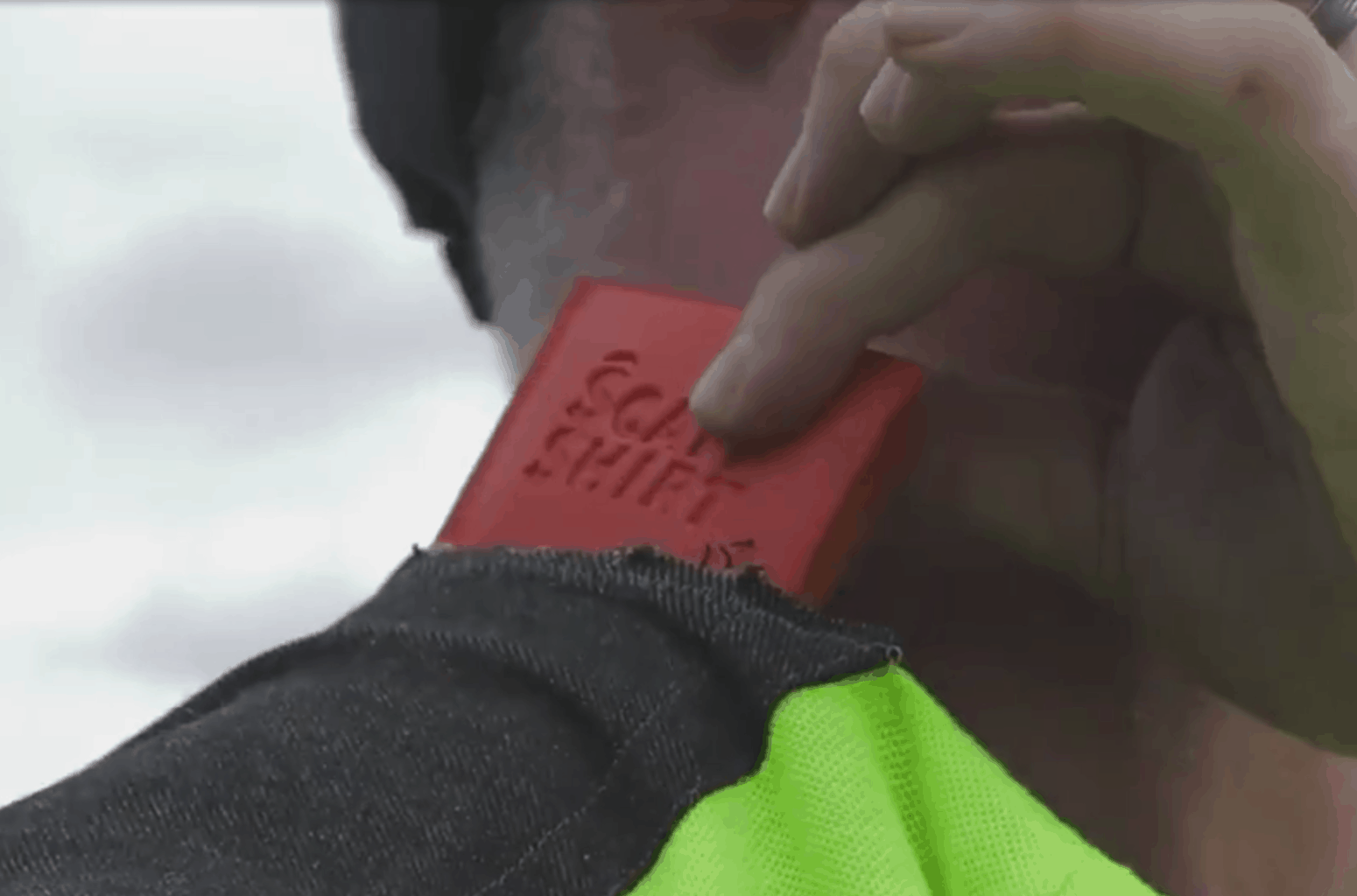
Bradford based Gaaard Protection Ltd has developed ‘The Scaffshirt’, offering extra protection for scaffolders carrying loads on their shoulders, while meeting current Health and Safety visibility requirements needed for safe site work. (Pageviews/Reads: 8,731)
May
75 Years of Layher
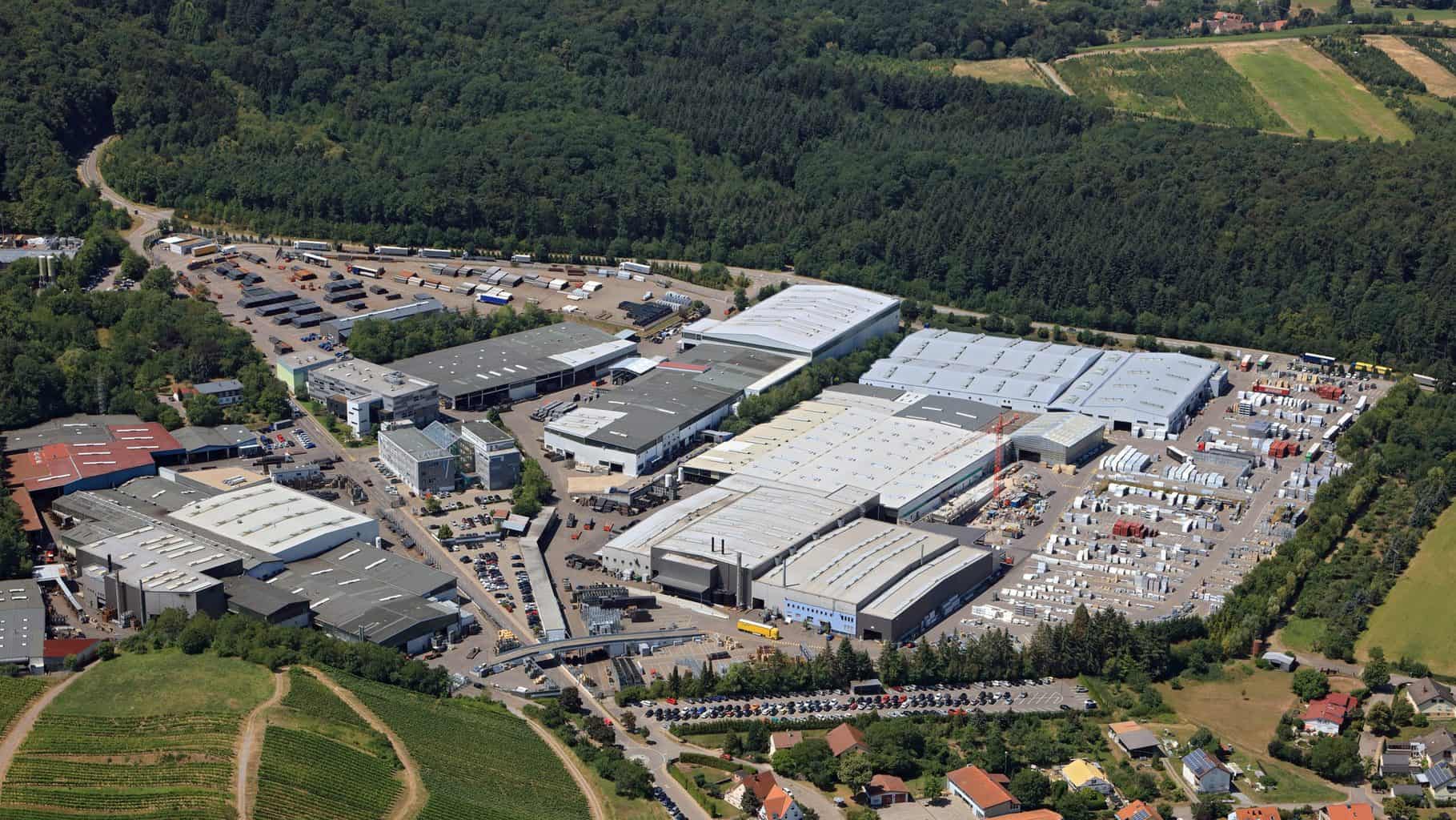
2020 marks the 75th anniversary of one of the world’s finest company exponents of scaffolding. Given all of their incredible achievements, we took a closer look at Layher in a year like no other. (Pageviews/Reads: 2,096)
Godiva Group Falls Into Administration
Coventry based scaffolding contractor fell victim to the ongoing Coronavirus pandemic. With the onset of the Covid-19 crisis, it delayed the commencement of a number of significant projects for the firm and subsequently sent Godiva to the wall. (Pageviews/Reads: 1,953)
June
New Design For The Humble Scaffold Fitting
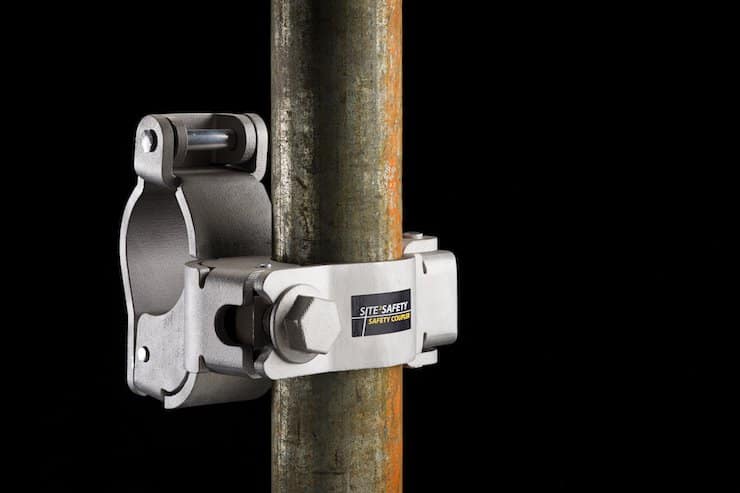
In June we brought our readers news of the development of a revolutionary new scaffold fitting with potential safety and speed benefits. (Pageviews/Reads: 7,968)
New MD at Lyndon SGB
Former Mace Operations Director joined Lyndon SGB as its new Managing Director. Stuart Robinson joined Lyndon SGB as Managing Director with effect from 1st June. He took over the role from Rob Lynch who stepped down at the end of June after 20 years. (Pageviews/Reads: 2,021)
July
Scaffolding supervisor saves life of Stanlow Refinery colleague
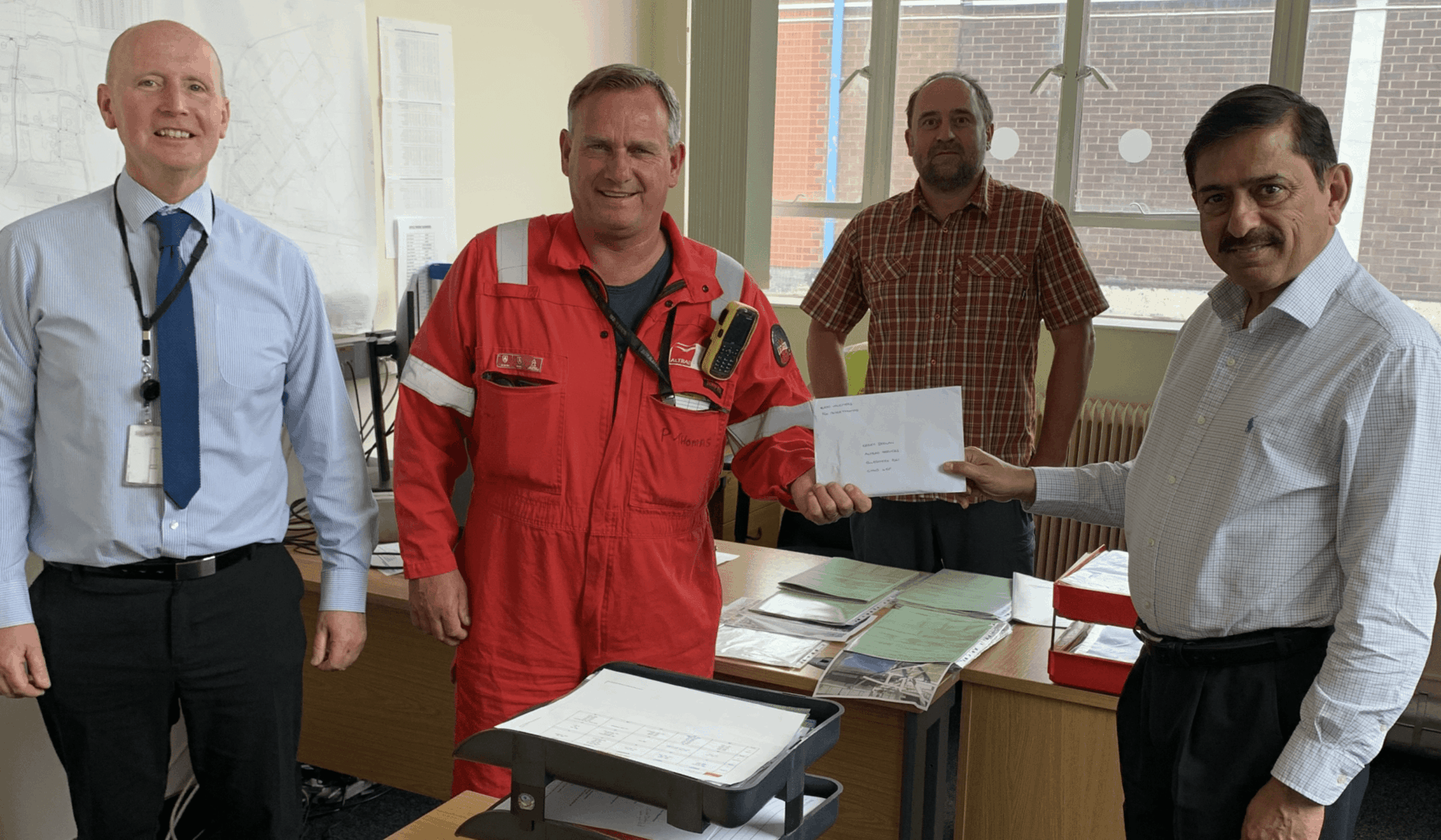
Altrad Scaffolding supervisor Paul Thomas was praised by the company for saving the life of a colleague at the Stanlow Refinery, Ellesmere Port. (Pageviews/Reads: 2,923)
UK Startup Develops Innovative Floating Access System
An award-winning Cornish based start-up developed and patented a new product that allows UK scaffold firms to offer floating access solutions. (Pageviews/Reads: 1,221)
August
Introducing The Klasp, A Next-Generation Scaffold Fitting
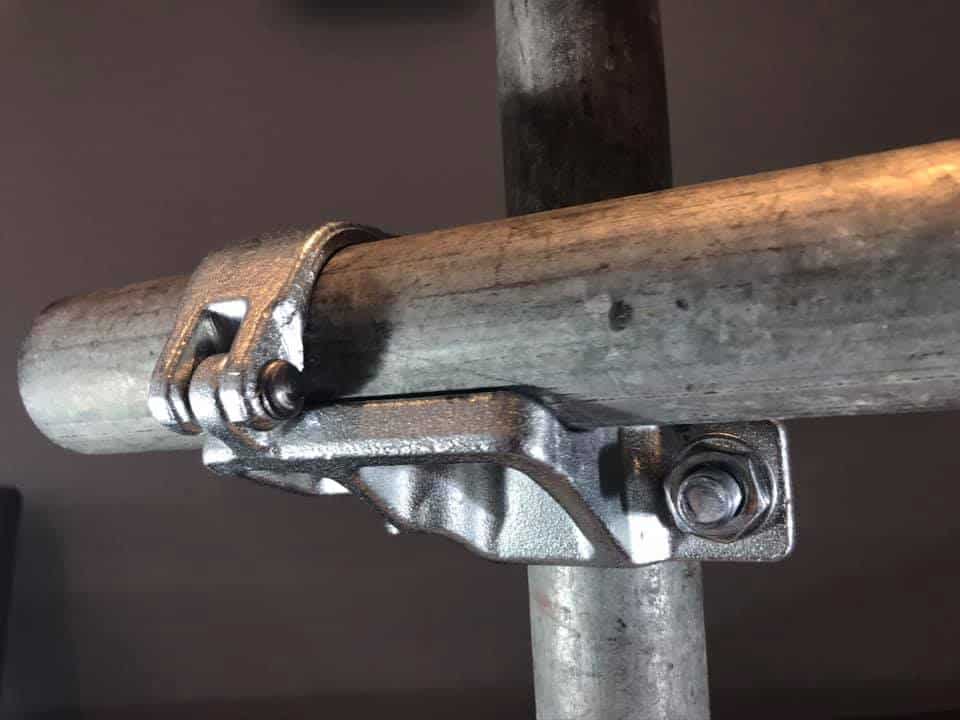
In August we brought yet more news of another new fitting called the Klasp designed by scaffolder Julian Bland. (Pageviews/Reads: 7,082)
Dutch firm launches magnetic fall protection
A first of its kind magnetic anchor for fall protection was launched by Dutch firm McNetiq. The development came in response to a growing demand for certified anchoring systems across a number of industries. (Pageviews/Reads: 2,876)
September
Scaffolding around Big Ben roof to be removed

The newly restored roof of Big Ben, one of the world’s most iconic structures started to be revealed to the world after three years of extensive restoration. Organisers said it was a significant moment in the timeline of the complex conservation project since scaffolders started to erect the huge scaffold in 2017. (Pageviews/Reads: 2648)
October
Anglewest Scaffolding calls in liquidators
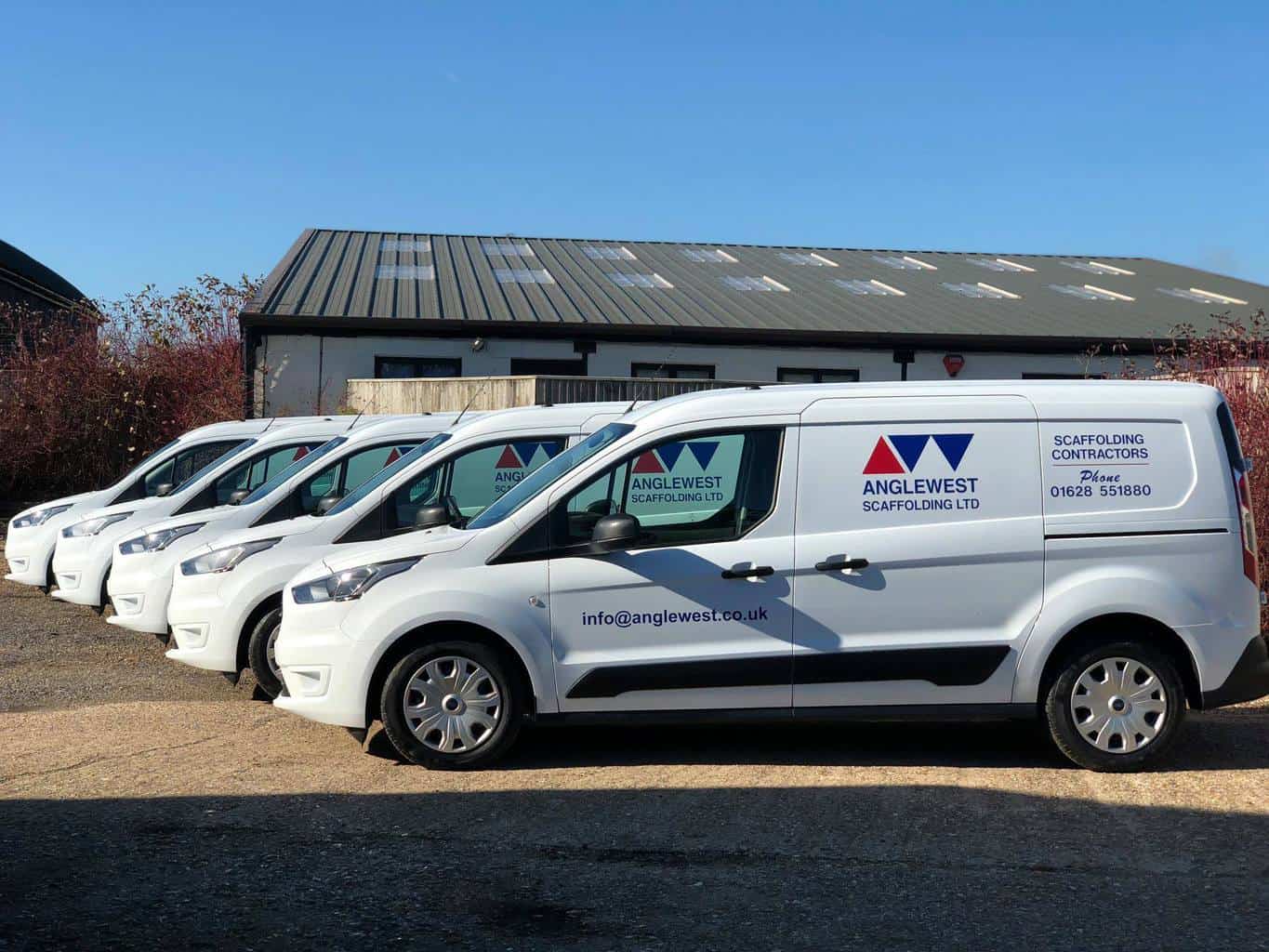
October saw Maidenhead based scaffolding contractor Anglewest Scaffolding Ltd call in liquidators as a direct result of COVID-19. (Pageviews/Reads: 3,452)
November
NASC AGM: TG20:21 Price Revealed
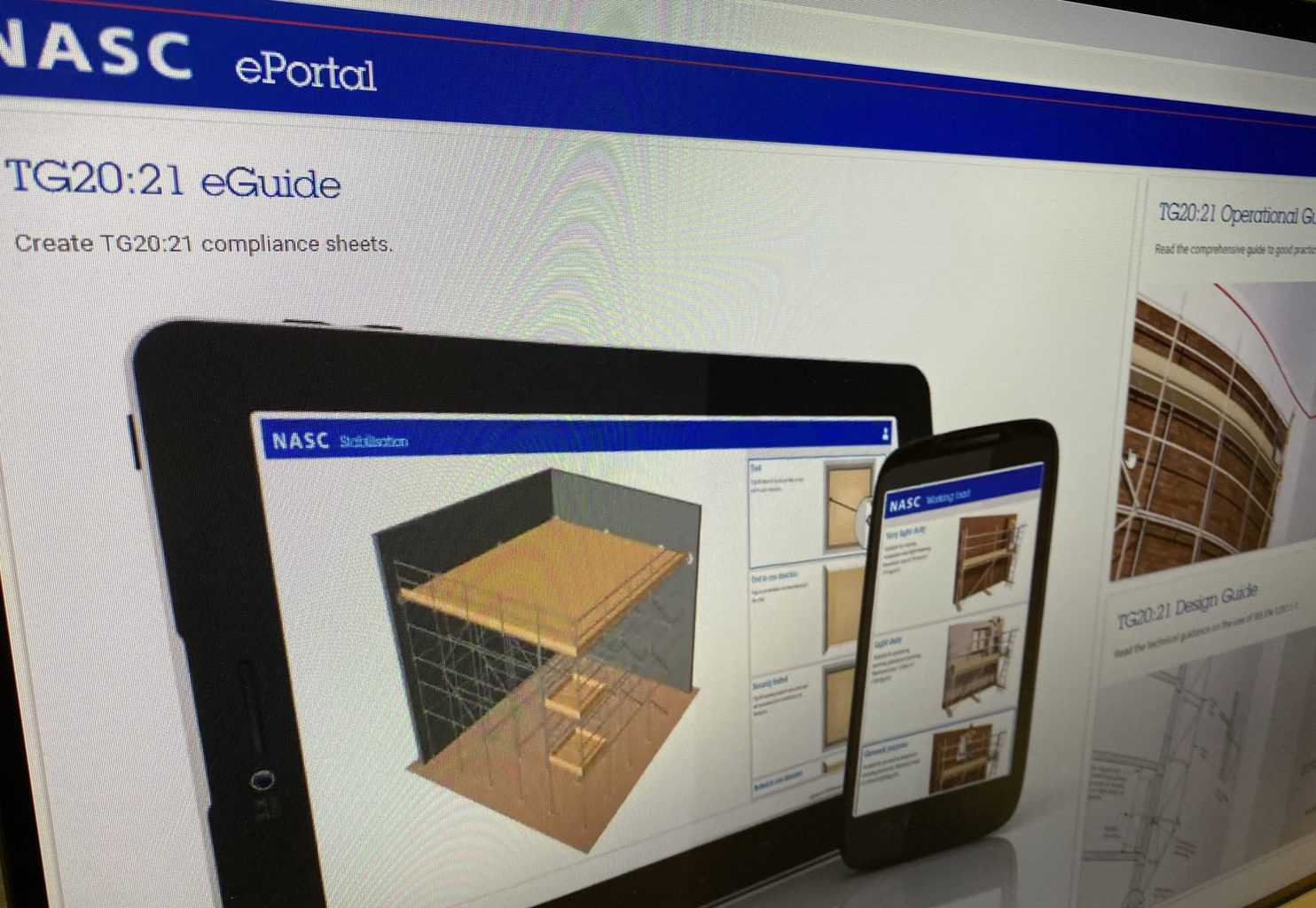
The scaffolding trade body NASC unveiled further details including the cost of its eagerly-anticipated eGuide scaffolding design software, TG20:21. (Pageviews/Reads: 1,869)