The government is set to introduce a new Bill today that could bring major changes to payment practices across construction, including a proposed ban on retentions under construction contracts.
The Small Business Protections Bill, introduced to Parliament today, is intended to tackle late payment and give small businesses stronger protection when dealing with larger firms.
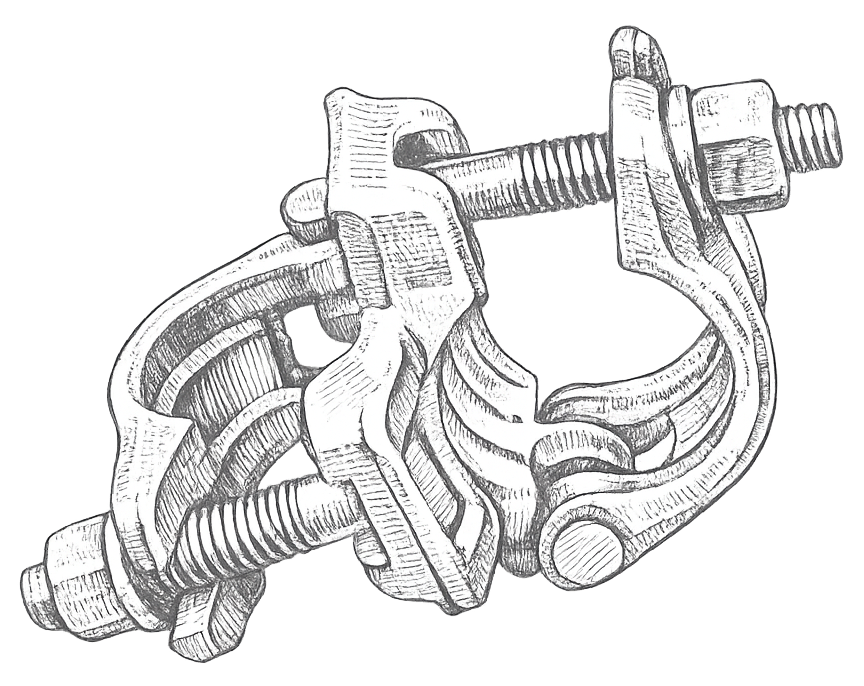
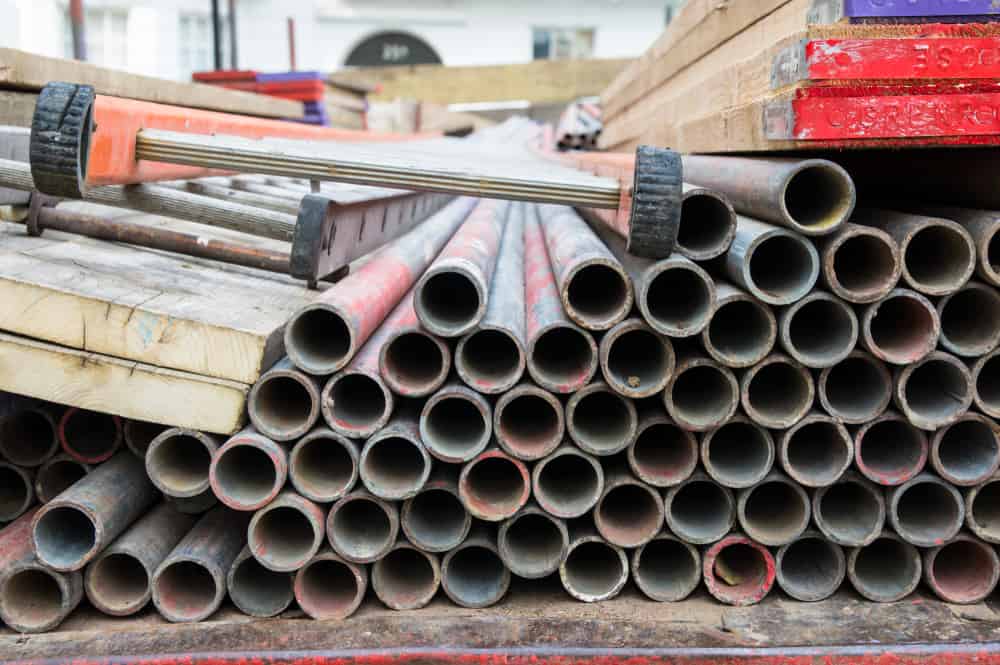
For scaffolding and access contractors, the most significant part of the Bill is the proposed action on retentions.
Retentions have long been a source of frustration for subcontractors across construction, with money often withheld for long periods after work has been completed. For smaller firms, this can place pressure on cash flow, wages, supplier payments and day-to-day operations.
The Bill also proposes a 60-day cap on payment terms for large firms paying smaller suppliers.
Late payment interest would become mandatory, set at 8% above the Bank of England base rate.
The government said the reforms would give the Small Business Commissioner stronger powers to investigate poor payment practices, adjudicate disputes and fine persistent late payers. Ministers said potential penalties for repeat offenders could be worth tens of millions of pounds.
Prime Minister Keir Starmer said small businesses were being forced to spend too much time chasing money they were already owed.

“Too many small business owners are spending hours chasing money they are owed and when payments don’t come through, the cost is personal,” he said.
“It’s about whether you can pay your staff, keep the lights on, or invest in your future.”
Business Secretary Peter Kyle said late payments cost the UK economy £11bn each year and were putting firms at risk.
“Through this landmark Bill we are delivering the toughest payment reforms in over a generation, to give the UK the strongest legal framework in the G7, and back small businesses with the certainty they need to grow and thrive,” he said.
The government said late payments are responsible for 38 business closures every day.
The Bill builds on the Late Payment of Commercial Debts Act 1998 and follows pressure from small business groups for tougher rules on poor payment behaviour.
The Federation of Small Businesses said the reforms were a significant step for small firms.
FSB Policy Chair Tina McKenzie said: “Tackling late payment is one of the biggest things the government can do to help small businesses grow.”
She said giving audit committees a clear role in payment practices would help change late payment culture.
Under the proposals, boards or audit committees of persistently late-paying large companies would also have to publish explanations of poor payment performance and set out what they are doing to improve it.
The construction industry has faced repeated calls for reform over retentions, with specialist contractors often arguing that withheld money damages smaller businesses and shifts risk down the supply chain.
The Bill will now pass through Parliament, where further detail will be needed on how the proposed retention ban would work, when it would apply, and whether any exemptions would be included.