
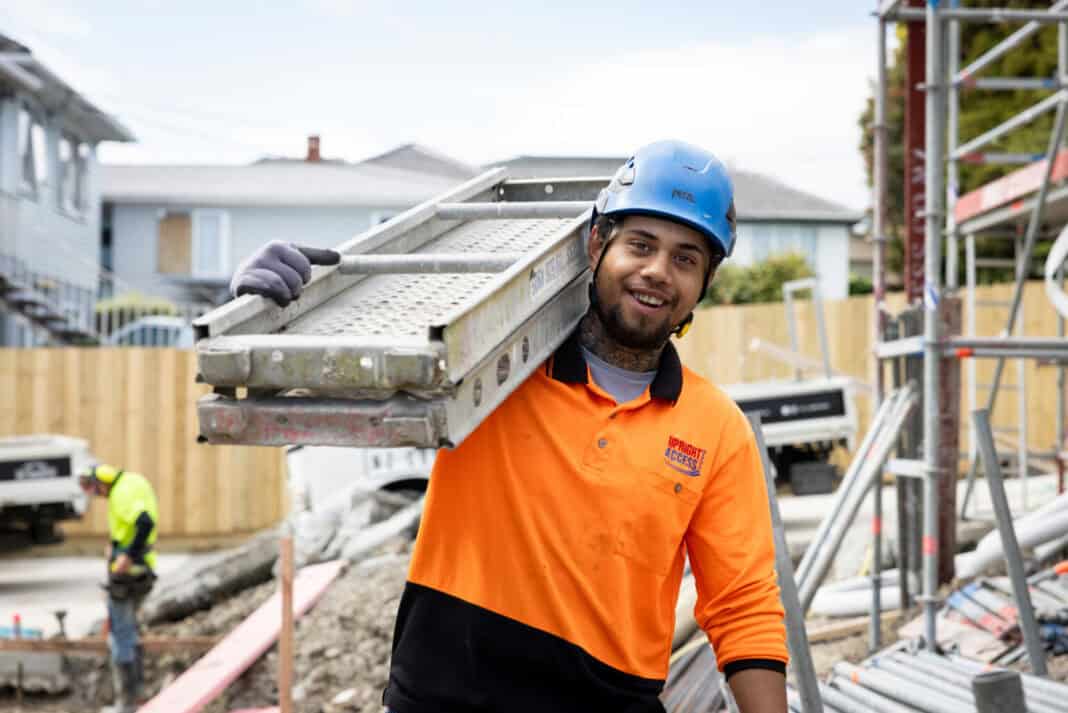
Scaffolding Gains “Skilled Trade” Status in New Zealand

ADVERTISEMENT

In a significant milestone for New Zealand’s construction and infrastructure sectors, scaffolding has officially been classified as a Level 3 trade under the country’s new Occupational Codes.

This recognition cements scaffolding’s place as a skilled trade, affirming what industry professionals have championed for years.

The announcement, shared by SARNZ (Scaffolding, Access & Rigging NZ Inc.), marks the culmination of a long-fought campaign by the scaffolding community in the country.

Through consultations, personal stories, and unwavering advocacy, members of the NZ industry have brought their expertise and dedication into the spotlight.

“This achievement validates the hard work, persistence, and passion of our workforce,” SARNZ stated. “It’s not just about recognition but also about creating better career pathways for local workers and improving residency options for migrant scaffolding professionals.”

What This Means for the New Zealand Industry

The new Level 3 designation elevates the status of scaffolding as a skilled trade, paving the way for:

  • Enhanced career opportunities: Local workers can now access structured career development within a recognised skilled trade.
  • Stronger pathways for migrant workers: Residency opportunities become more accessible for overseas professionals in the scaffolding sector.
  • Sector growth: This recognition bolsters the scaffolding industry’s appeal, drawing new talent and fostering higher safety and performance standards.
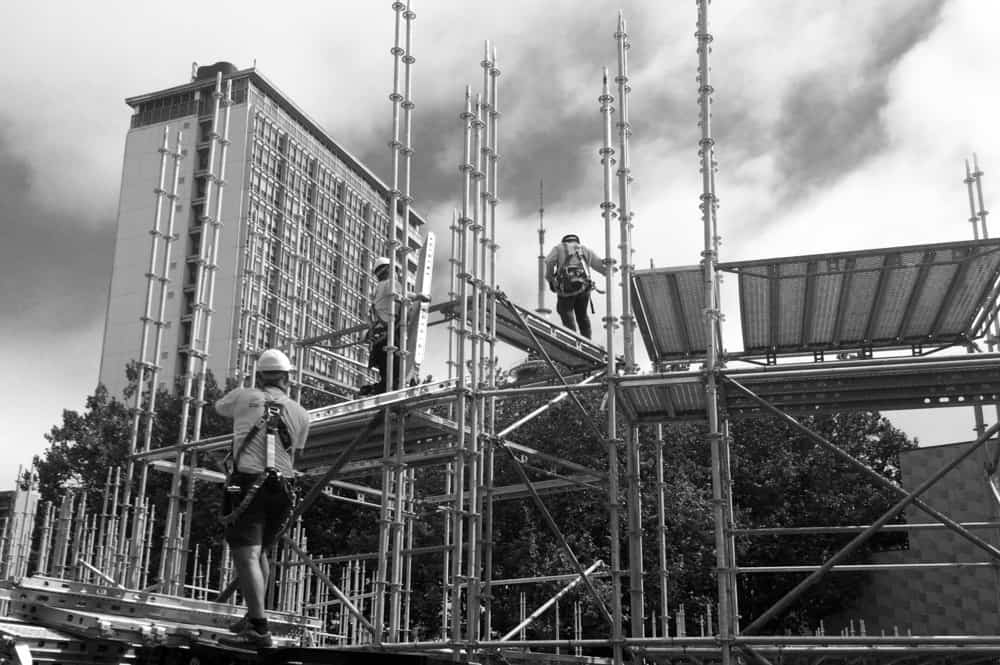
In a significant milestone for New Zealand’s construction and infrastructure sectors, scaffolding has officially been classified as a Level 3 trade under the country’s new Occupational Codes.

A Collective Victory

The formal recognition of scaffolding as a skilled trade is being celebrated as a shared victory across the sector. SARNZ extended its gratitude to the scaffolding community, whose voices played a pivotal role in driving the change.

“This is a win for scaffolding and a win for New Zealand’s construction and infrastructure sectors,” SARNZ emphasised.

As New Zealand continues to tackle ambitious construction and infrastructure projects, this acknowledgement underscores the critical role scaffolding plays in ensuring safety, efficiency, and success.

This achievement represents more than a policy change—it’s a turning point for scaffolding professionals who have firmly established themselves as indispensable contributors to New Zealand’s growth through their expertise and resilience.

ADVERTISEMENT

Popular Categories

Latest posts

Robot named Douglas begins work on Tilbury Douglas site

Tilbury Douglas has begun using a humanoid robot to carry out administrative and data-collection tasks on a live construction site. The contractor says the...

HAKI reports sharp UK sales drop as construction starts stall

The Swedish-listed scaffolding and access safety group said UK revenues fell to SEK 52 million (£4.2 million) in the three months to 31 March,...

CISRS appoints Kathryn Bowe after delay to quality committee reforms

CISRS has appointed Kathryn Bowe as full-time Chair of its Quality Assurance Committee, months after the organisation was forced to restart recruitment for the...

NASC throws support behind first International Scaffolding and Access Day

NASC has thrown its support behind the first International Scaffolding and Access Day, as the UK industry prepares to join a new annual campaign...

Women completing construction apprenticeships triple since 2018, says CITB

The number of women completing construction apprenticeships has more than tripled since 2018, according to new figures from the Construction Industry Training Board (CITB). CITB...

Pilosio brings UK scaffolding safety model into Italian conference spotlight

Pilosio is set to use its presence at GIC Piacenza, a major construction trade event in northern Italy, this week to push a broader...

CISRS proposes single global scaffolding training standard by 2028

CISRS has set out plans to reform its Overseas Scaffolder Training Scheme, with proposals that would lead to a single global baseline training standard...

Scaffolder died nine months after building site fall, inquest told

A four-day inquest has opened into the death of a scaffolder who died nine months after falling more than three metres while working on...

Scaffolding industry backs all-apprentice team for ScaffChamp 2026

A team of seven apprentices from Scotland and Northern Ireland will compete at ScaffChamp 2026 in Vilnius this summer, after securing full backing from...

NASC chief to take on charity ride in tribute to former president

Clive Dickin, Group CEO of NASC and CISRS, is set to take part in the British Heart Foundation London to Brighton Bike Ride on...

Latest news

Spring Issue #29 | Past issues >>

Latest topics

Most popular ⚡︎

Scaffolder died nine months after building site fall, inquest told

A four-day inquest has opened into the death of...

Pilosio brings UK scaffolding safety model into Italian conference spotlight

Pilosio is set to use its presence at GIC...

CISRS proposes single global scaffolding training standard by 2028

CISRS has set out plans to reform its Overseas...

Women completing construction apprenticeships triple since 2018, says CITB

The number of women completing construction apprenticeships has more...

Scaffolding industry backs all-apprentice team for ScaffChamp 2026

A team of seven apprentices from Scotland and Northern...

Related articles

ADVERTISEMENTS