Scaffolding Association Urges Industry to Have Their Say in CITB Consultation

- Advertisement -

The Scaffolding Association is calling on employers and stakeholders in the scaffolding and construction industries to participate in the upcoming CITB Consensus Consultation.

This important process will allow businesses to influence CITB’s levy proposals for 2025 to 2027, helping shape the sector’s future of training and skills development.

The CITB levy is key in funding vital training programs for new and experienced workers, ensuring the industry has the skills it needs to thrive. As part of the consultation, businesses will be asked to share their views on whether the proposed levy rates are fair and if CITB’s work is delivering value to the industry.

Recognising the importance of this moment, the Scaffolding Association is encouraging employers of all sizes to take part. With challenges like skills shortages, new technologies, and changing safety regulations, it’s critical that the levy reflects the modern needs of the construction sector.

I
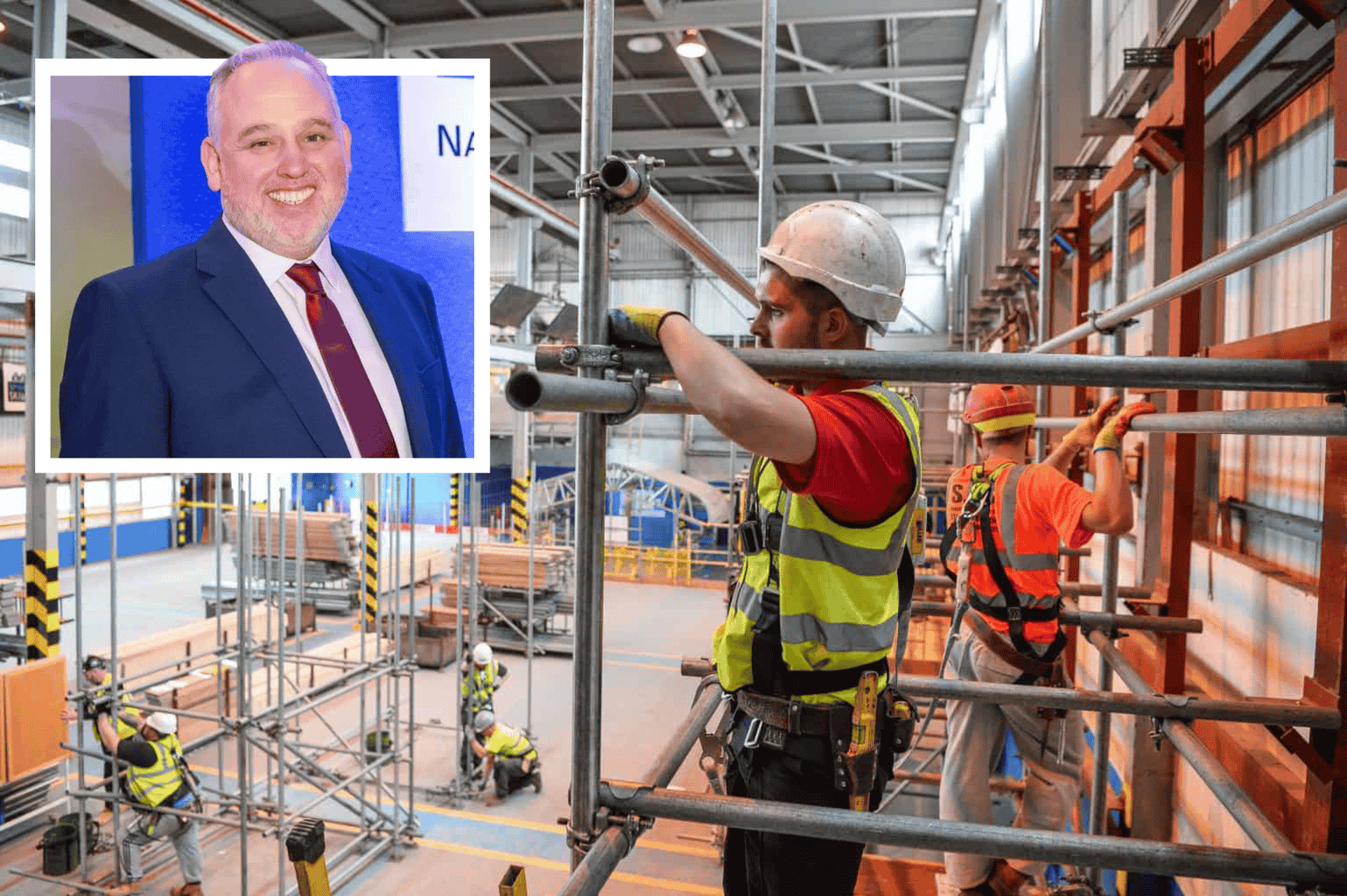
Robert Candy, Chief Executive of the Scaffolding Association

Robert Candy, Chief Executive of the Scaffolding Association, highlighted the significance of the consultation: “This is a rare chance for scaffolding and construction businesses to directly impact the future of skills training. By getting involved, employers can make sure their needs are met and that the levy continues to support our industry. I strongly urge all businesses, large or small, to have their say.”

The consultation kicks off on September 26, 2024, and runs until October 24, 2024. Employers are encouraged to visit the CITB website to take part and ensure their voices are heard.

By engaging in the process, the scaffolding industry can help create a better-trained, safer workforce, securing its future growth.

- Advertisement -

Popular Categories

Latest Magazine

Most Read This Week

Two taken to hospital after Streatham scaffolding collapse

Two people were rescued before firefighters arrived after scaffolding collapsed on Streatham High Road on 25 October. Both were taken to hospital.

Government announces paternity pay for self-employed dads

Self-employed fathers and partners are to receive two weeks of support under government plans, with payments currently worth up to £194 a week.

Two workers hospitalised after partial collapse at Banbury construction site

Two workers were taken to hospital after a partial collapse at a Banbury construction site on 21 October. HSE says it is making enquiries, according to Construction Enquirer.

PHD Access announces €37.7m investment for European expansion

PHD Access has announced a €37.7m investment from MML Ireland and Goodbody to support European growth and acquisitions, subject to regulatory approval.

Belfast scaffolding firm fined after driver killed by falling board

HSENI found inadequate exclusion zone controls after Samuel Magill was struck by a falling metal scaffold board during dismantling work in Belfast.

Related Articles

CSCS challenges CISRS case for leaving card scheme

CSCS has challenged the reasons for CISRS’s planned departure, while CISRS tells ScaffMag its legal advice and concerns over duplicate cards underpin the decision.
- Advertisements -

Latest Topics

Budget 2026: what it means for scaffolding firms

Fuel duty relief, higher minimum wages and apprenticeship measures feature in Budget 2026, as NASC warns investment promises must translate into construction work.

MPs press Government over Sizewell C’s UK supply-chain pledge

MPs want the Government to explain how Sizewell C will meet its 70% UK construction spending target, alongside six-monthly progress reports.

Luton plans £11m scaffolding framework

Luton Council is preparing an estimated £11.04m scaffolding framework and will hold a supplier briefing next week ahead of a planned December tender.

Confessions of an MD

At 21, John Trayfoot blacked out on a roof and fell 8 metres through a skylight into a Brighton timber yard. Now managing director of M R Scaffolding, he starts his company's safety sessions with that story, and with a question: why do experienced people who know the risks still cut corners?
- Advertisement -