Des Moore underlines the commercial case for system scaffolding, and why you shouldn’t dismiss it as an opportunity for your business.

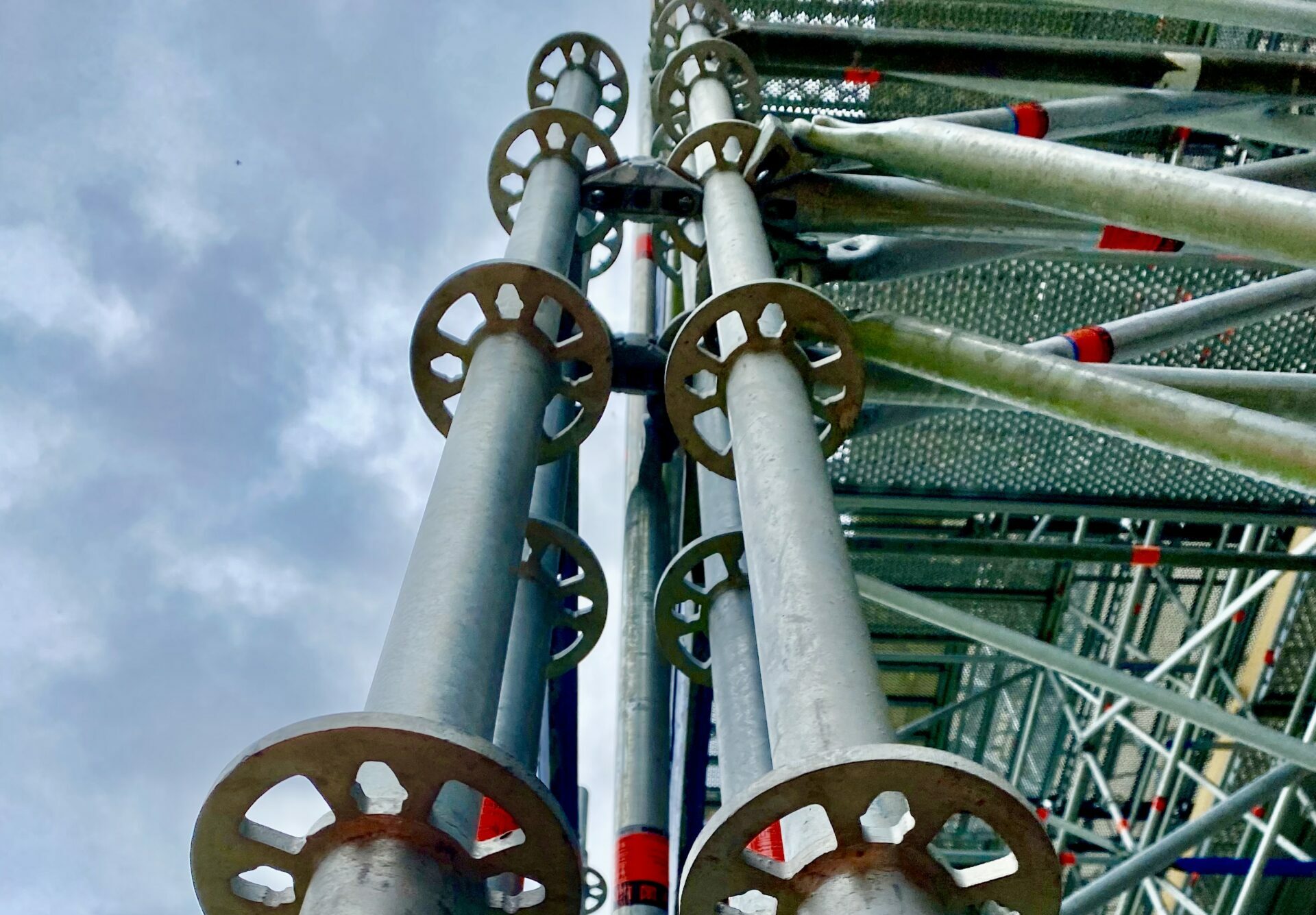
The debate about system scaffolding has been a hot topic among scaffolders for as many years as I can remember. A few years ago, I read a great paper by Sean Pike, MD at Layher UK on the commercials of using system scaffolding, and that’s inspired this article today.
While system has been used on a wide basis in Europe – and in Scotland and the USA – for a long time, English companies have been much slower to adopt it. This has always been puzzling to me, as someone who ran a successful scaffolding business with system scaffolding at its heart. System is clearly something that clients want (more about that to follow), and it makes total commercial sense for scaffolding contractors. From my perspective, and from conversations I’ve had both at events and on LinkedIn, it seems that many scaffolding contractors simply do not appreciate the overwhelming financial case for system scaffolding.
I firmly believe that system scaffolding will start earning you money from Day One – so why wait?
More profit, every time
How can I make that Day One claim, when everyone knows that system scaffolding costs far more to initially purchase than tube, fittings and boards?
The answer lies in three words: Productivity, Safety and Durability.
Productivity
Extensive research from Layher, for example, which has been manufacturing system for more than 75 years, shows that the real-life savings in labour from using its Mark I Allround® modular system rarely fall below 30% (not to be confused with wild claims of 40%-50%). This was before Layher Lightweight was introduced, which gives even more labour savings.
This means that scaffolding company owners make more profit every time the equipment moves. And, with skilled operatives becoming increasingly scarce, and therefore expensive, these savings have multiplied significantly.
So, consider how many jobs you might do with system scaffolding over a 10-year period. Think about what even a 30% labour saving would look like on each job. That’s a significant commercial saving for your business. Why would anyone not want to benefit from this?
Safety
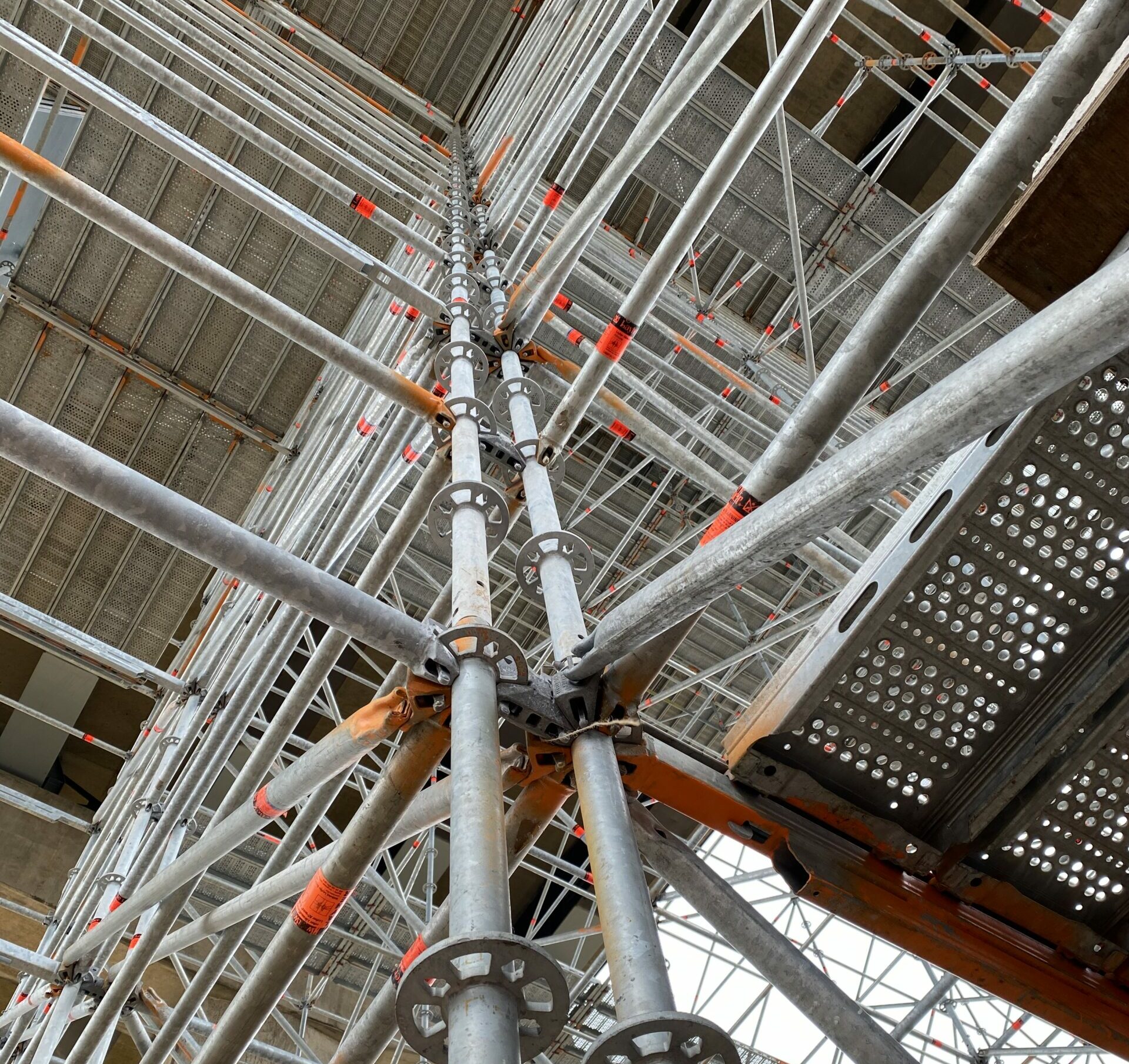
There are many reasons why system scaffolding comes out top when we talk about safety.
- Fewer components overall.
- Lightweight, so easier to lift and manage.
- Simpler to erect, dismantle and adapt.
- Fixed decks on each platform.
- Greater loading capacity.
- Easier to inspect.
And, for Layher products, there’s comprehensive guides and technical information to make sure the build is as easy and safe as possible.
Durability
The durability of top-quality galvanised systems is remarkable, and the nearly complete elimination of loose fittings and timber components allows realistic depreciation over 10 years and an economic life of 15 to 20 years.
Contrast this with tube and fittings, where it’s a fair assumption that timber boards are commonly written off over 1 to 3 years and, in practice, last not much more than 18 months. High losses of fittings, and ongoing maintenance costs means that the expense of continually replacing tube and fitting equipment is often much higher than business owners think.
How to calculate your potential savings
Layher has developed simple financial models that help scaffolding contractors to understand just how much more profit they will make if they adopt system scaffolding. The models allow you to input your own costs for tubes, fittings and boards, labour, depreciation, maintenance and losses, plus the contract prices you actually achieve for the supply and erection of a given scaffold.
Comparisons with the equivalent values for the Layher Allround® system are revealing. If you want to see just how revealing, I can help. Contact me for a dedicated presentation to your business, where we can use those financial models to see how using system scaffolding can positively benefit you now and in the long term. My help and advice in this respect won’t cost you anything.
System scaffolding brings many benefits for the user – reduced programme times, built-in safety, improved appearance, and many more – but for the scaffolding company it’s the financial case that really counts. What’s more, you’ll find that more and more Tier 1 and Tier 2 construction companies will be asking their scaffolding contractors to give them system scaffolding options – and no one wants to be left behind.
Faced with this evidence – and hire-to-buy options that help with financing – what’s preventing your business from investing in Layher system scaffolding?
You can contact Des for more information on 07555 800 700 or email [email protected].