NASC has added two new configuration options to TG20, allowing users to specify 1.5m lift heights and include returns within tube and fitting scaffold compliance sheets.
The changes are now live in the NASC ePortal and are intended to make TG20 configurations more closely match scaffold arrangements commonly used on site.
1.5m lifts added
Users can now select a 1.5m lift height when creating a TG20 configuration.
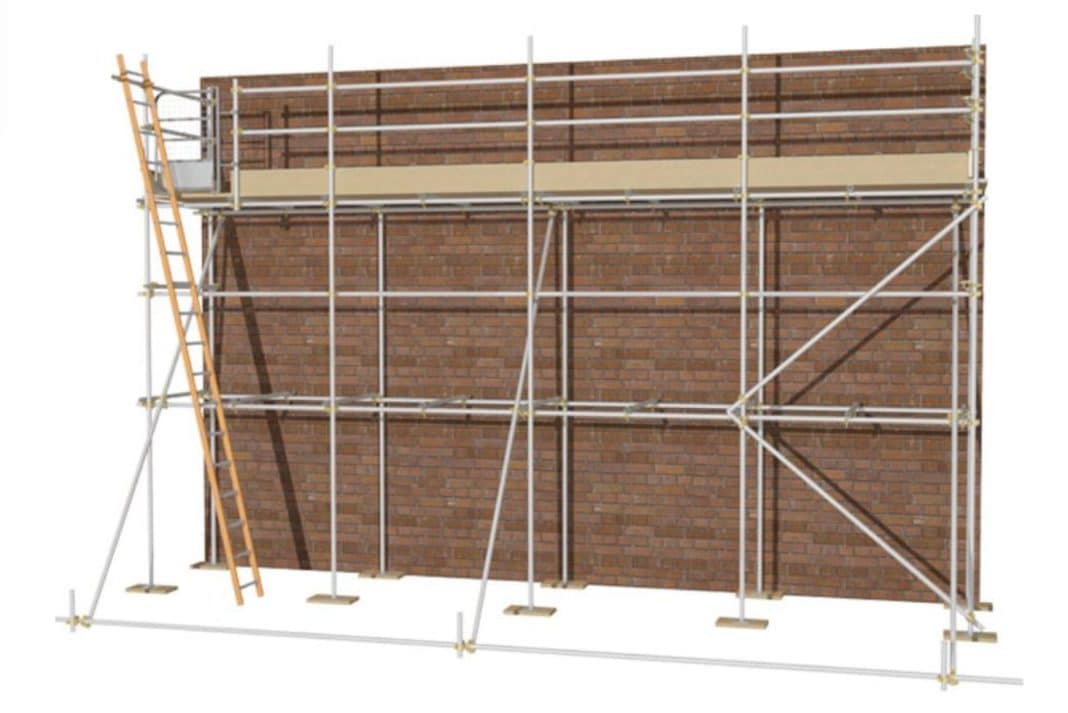
The option is particularly relevant to traditional new-build work, where 1.5m lifts are widely used to give bricklayers a suitable working height when laying brick and block.
It means contractors can produce a compliance sheet that more accurately reflects the scaffold being erected rather than having to work around the previous lift height options.
Returns included in compliance sheets
TG20 users can now include scaffold returns within a configuration.
When selected, the compliance sheet includes an extra page setting out the requirements for both internal and external returns.
The information covers how far the scaffold should extend around the return, connection arrangements and the tying requirements as the scaffold continues around the building.
This puts the relevant requirements directly onto the compliance sheet for the scaffold being erected.
The online versions of the TG20 Operational Guide and TG20 Design Guide have also been updated with further information covering both additions.
NASC said the changes were introduced following feedback from TG20 users.
The organisation says 14,021 TG20 compliance sheets were downloaded through the ePortal during July alone, giving an indication of how widely the system is being used by contractors.
The latest functionality currently applies to tube and fitting scaffolds through the TG20 section of the ePortal. TG30 covers system scaffolding separately.
NASC will demonstrate the ePortal at ScaffEx26 at Manchester Central this week.
A live ePortal demonstration is scheduled for the Demo Zone from 4.15pm to 5pm on Thursday 10 September, with the NASC team also available during the exhibition to show visitors how the system works.