Rob Shelley is the CEO of Maritime Cargo Services, one of the UK’s leading freight forwarders. Established over 20 years ago, Maritime Cargo Services handle more than 20,000 containers a year on behalf of its clients.
2012 was nothing if not volatile and the importers of scaffolding products, shippers and carriers alike must all be hoping for a little stability in 2013.
Of particular concern to those in the scaffolding industry, the major battles between shippers and the shipping lines were mainly fought on the key Asia-Europe trade routes. This, in turn, meant that the cost of moving containers fluctuated widely over the course of the year making costing and budgeting in the scaffolding supply industry somewhat challenging.
The widely fluctuating state of the shipping industry is perfectly illustrated by glancing at the accounts of the world’s biggest carrier, Maersk, which turned a $600 million loss in Q1 2012 into a profit of half a billion dollars by Q3.
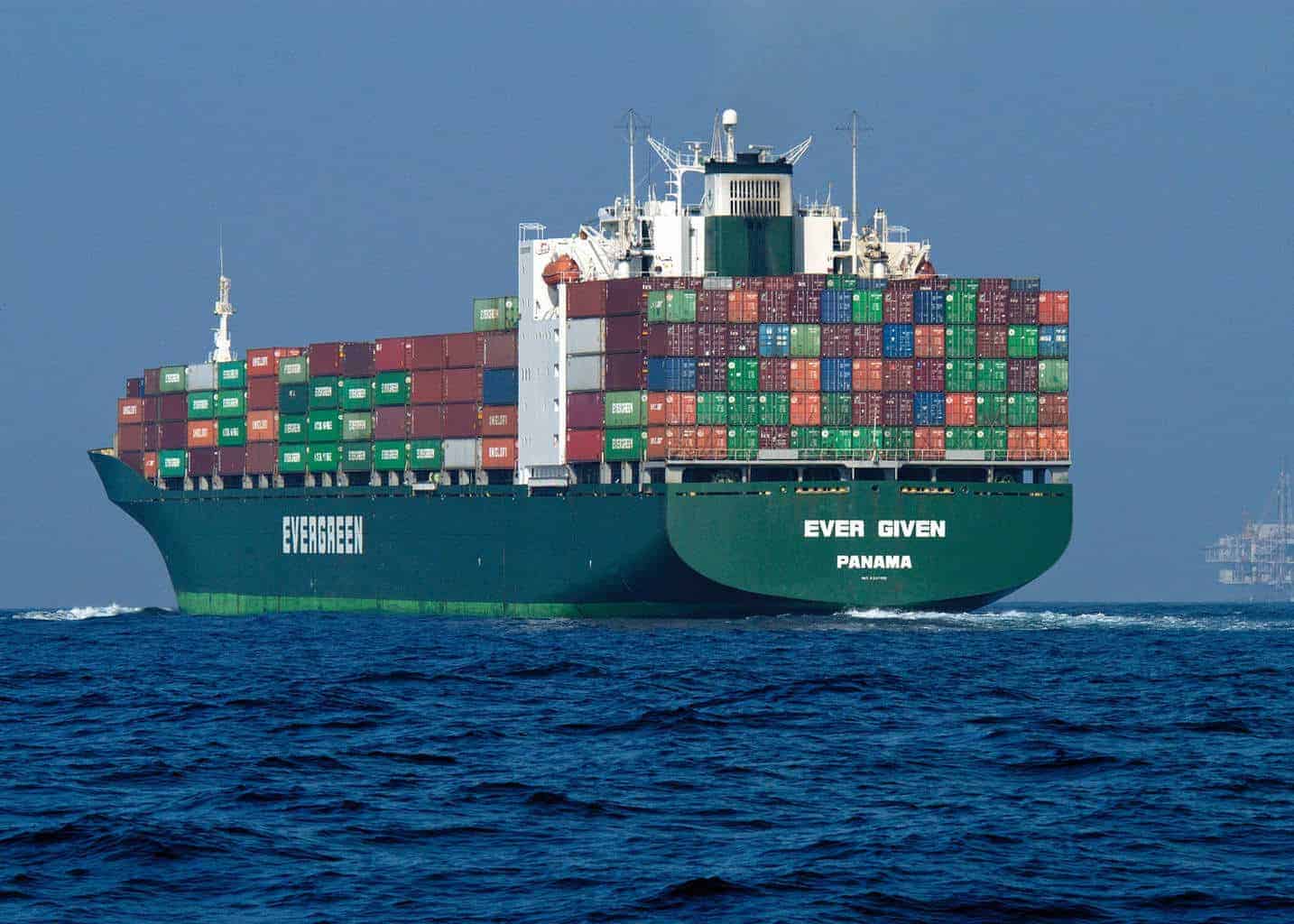
But it was soon all change again and, by the final quarter of the year, continuing austerity drives across Europe forced the shipping lines to once again fight for market share. Facing the prospect of mothballing monster container ships, the carriers opted instead to simply cut or cancel scheduled shipping voyages in an attempt to restore rates by reducing capacity. The initial signs suggest that the strategy has worked with Asia to North Europe rates climbing comfortably back again.
But are cheap rates all that the importers of scaffolding products and shippers are looking for? Although we all have an immediate need for cost savings and ‘value for money’, most importers would agree that one of the biggest issues in not just the cost but the rollercoaster nature of freight rates which make planning and managing your business so much more complex.
With overall global trade (not just scaffolding products) expected to expand by 4%-6% in 2013, and the shipping lines keeping capacity under control, experts are predicting a modest rises in freight rates during the year and, hopefully, not the variance we have seen in 2012.
But, without a doubt, the shipping lines’ operating costs are going to go up and, with little additional revenue coming in, they will have to absorb the costs of more expensive fuel, more costly labour and dearer raw materials on the back of stagnant or declining freight income.
One way that they are still looking at making cost savings is in the area of ‘slow steaming’ – although some now claim that this can benefit everyone in the supply chain.
Slower container ship speeds save shipping lines millions of dollars via hugely reduced fuel consumption although shippers are the potential supply chain losers. European importers of Asian goods, for example, face an additional week at sea for their stock with the subsequent added inventory costs, interest, insurance, depreciation and so on.
However, some major shippers in the FMCG and retail sectors are now saying that, with foresight and astute planning, they are beginning to benefit from slow steaming claiming that increased passage times have improved schedule reliability and, therefore, aided planning and costing.
Maersk has recently claimed that looking at the time cost element as a single measure does not take the full picture into account; their customers are not looking only at speed as a determining factor when designing their supply chains and that a stable and reliable service is equally important. It claims that its customers are realising monetary benefits in their supply chains due to the reliability and frequency of the service, even in a slow steaming scenario.
Nothing is certain but uncertainty and, with shipping costs equating to a growing percentage of the overall cost of scaffolding products and, therefore, services, one thing is for sure during 2013. Working with an experienced freight forwarding partner might not insulate you completely from the ‘slings and arrows’ of the international shipping industry but will certainly make the journey smoother.