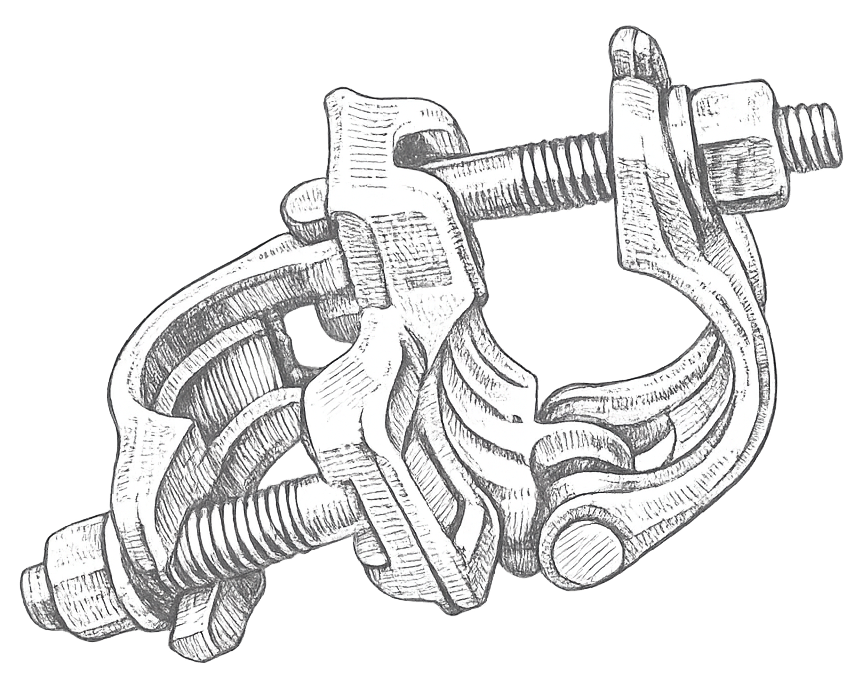

HSE said the original plan, a tower scaffold and ladders, was unsafe, and so was the ladders-only method used on the day.
A painter and decorator has been given a suspended prison sentence after his stepson was electrocuted while moving a ladder near an overhead power line at a house near Chester.
Daniel Watton, 50, trading as Inside Out Painters and Decorators Property Maintenance, was sentenced at Warrington Magistrates’ Court on 6 October 2026 following a prosecution by the Health and Safety Executive (HSE).
He pleaded guilty to breaching regulation 4(1) of the Work at Height Regulations 2005, which requires work at height to be properly planned, supervised and carried out safely. The court imposed a 16-week prison sentence, suspended for 12 months, and ordered him to pay £10,645 in costs.
Connor Lambert, a 24-year-old trainee painter from Market Drayton, died on 29 July 2024 while working at the property in Farndon.
HSE investigators found that Lambert and a colleague had been moving a fully extended ladder at the gable end of the house. The ladder either touched an overhead power line or came close enough for electricity to arc across the gap.
Lambert was killed. His colleague suffered burns to his hands, feet and stomach.
Plan changed on site
The original plan was to use a tower scaffold and ladders to paint the exterior, including an area with a glass canopy. HSE found that arrangement unsuitable.
In practice, the work departed from the plan and ladders were used throughout. Watton approved that method, which HSE said was “also unsuitable and unsafe”.
The investigation found the work had not been properly planned, supervised or carried out safely, and that the risks from the overhead power line had not been adequately assessed. Investigators also identified shortcomings in the training and competence of those doing the work.
“He had the cheekiest grin”
Lambert’s partner, Megan McCann, said: “Connor was amazing. He had the cheekiest grin and would light up any room he was in.”
His father, Craig West, said: “This experience has changed me, my emotions, my temperament and my outlook on life.”
HSE inspector Keeley Eves said: “This tragic incident meant a father never got to meet and hold his baby daughter. The fact it could and should have been prevented with proper planning and control measures makes it all the more stark.
“Work at height and work near overhead power lines are both high-risk activities. Employers must ensure that suitable equipment is selected, risks are fully assessed, and workers are adequately trained and supervised.”
Overhead lines
HSE says work at height that cannot be avoided must be properly planned and supervised, with suitable equipment, safe methods and competent workers.
Where work near overhead power lines is unavoidable, the regulator says the risk must be eliminated or reduced, for example by having the supply isolated, using suitable equipment and keeping a safe distance from the line.