

Onboard weighing systems help scaffolding firms stay safe and compliant

ADVERTISEMENT

Scaffolding firms across the UK are being encouraged to take a fresh look at onboard weighing systems as the industry works to cut down on overloaded vehicles and improve road safety.

Vehicle overloading is still a common problem, especially for vans and flatbed trucks used by scaffolding and construction contractors. During recent roadside checks, officers found a Ford Transit that was almost 50% over its legal weight limit.

The driver was fined on the spot, and the operator was reported to the Driver and Vehicle Standards Agency (DVSA).

The penalties can also be steep. The DVSA says drivers can be fined £100 for being just 5–10% over the limit, £200 for 10–15%, and £300 for up to 30%. Anything above that can lead to a court summons, vehicle immobilisation, and even invalid insurance.

It’s not just about fines, though. Overloading puts serious strain on a vehicle’s axles, suspension and brakes, making it harder to control and more likely to fail. It can also cause costly damage and lead to increased fuel consumption.
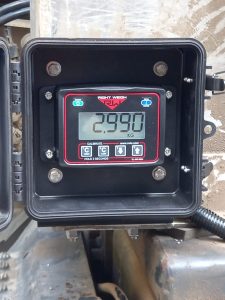
That’s why many companies are now fitting onboard weighing systems such as the VanWeigh Smart-Weigh. The system uses sensors to measure a vehicle’s axle loads and overall weight, giving drivers live feedback on an in-cab display or mobile app. If the weight gets too high, they get an instant alert before they hit the road.

It can be fitted to almost any type of van or truck and is designed to be simple to use and maintain. Drivers can also print or save weight records to help with compliance checks or audits.

As enforcement tightens and insurance firms pay closer attention to overloading, tools like these are quickly becoming essential. They not only prevent fines and downtime but also help keep staff and other road users safe.

A spokesperson for VanWeigh said: “Overloading is still one of the biggest risks for operators, especially in scaffolding where loads change from job to job. Our system gives drivers a clear picture of what’s happening with their vehicle before they leave site. It’s about making life easier, safer and more compliant.”

By fitting onboard weighing systems, scaffolding firms can avoid penalties, protect their reputation, and keep their vehicles running safely and legally.


Most popular ↑

Two workers killed in Spain after mast climbing platform collapse

Two workers have been killed following the collapse of...

Robot named Douglas begins work on Tilbury Douglas site

Tilbury Douglas has begun using a humanoid robot to...

Scottish offshore workers urged to consider scaffolding careers

The Construction Industry Training Board is targeting workers from...

NASC warns members over online conduct in new media policy

The National Access and Scaffolding Confederation said the new...

Latest news

Onboard weighing systems help scaffolding firms stay safe and compliant

ADVERTISEMENT

Scaffolding firms across the UK are being encouraged to take a fresh look at onboard weighing systems as the industry works to cut down on overloaded vehicles and improve road safety.

Vehicle overloading is still a common problem, especially for vans and flatbed trucks used by scaffolding and construction contractors. During recent roadside checks, officers found a Ford Transit that was almost 50% over its legal weight limit.

The driver was fined on the spot, and the operator was reported to the Driver and Vehicle Standards Agency (DVSA).

The penalties can also be steep. The DVSA says drivers can be fined £100 for being just 5–10% over the limit, £200 for 10–15%, and £300 for up to 30%. Anything above that can lead to a court summons, vehicle immobilisation, and even invalid insurance.

It’s not just about fines, though. Overloading puts serious strain on a vehicle’s axles, suspension and brakes, making it harder to control and more likely to fail. It can also cause costly damage and lead to increased fuel consumption.

That’s why many companies are now fitting onboard weighing systems such as the VanWeigh Smart-Weigh. The system uses sensors to measure a vehicle’s axle loads and overall weight, giving drivers live feedback on an in-cab display or mobile app. If the weight gets too high, they get an instant alert before they hit the road.

It can be fitted to almost any type of van or truck and is designed to be simple to use and maintain. Drivers can also print or save weight records to help with compliance checks or audits.

As enforcement tightens and insurance firms pay closer attention to overloading, tools like these are quickly becoming essential. They not only prevent fines and downtime but also help keep staff and other road users safe.

A spokesperson for VanWeigh said: “Overloading is still one of the biggest risks for operators, especially in scaffolding where loads change from job to job. Our system gives drivers a clear picture of what’s happening with their vehicle before they leave site. It’s about making life easier, safer and more compliant.”

By fitting onboard weighing systems, scaffolding firms can avoid penalties, protect their reputation, and keep their vehicles running safely and legally.

Popular Categories

Latest posts

Scaffolding firms urged to review RIDDOR procedures as HSE consults on changes

The Health and Safety Executive has launched a consultation on proposed changes to the Reporting of Injuries, Diseases and Dangerous Occurrences Regulations 2013, known...

Scottish offshore workers urged to consider scaffolding careers

The Construction Industry Training Board is targeting workers from Scotland’s offshore energy sector as part of efforts to widen the construction talent pool and...

NASC warns members over online conduct in new media policy

The National Access and Scaffolding Confederation said the new Social Media and General Media Policy sets expectations for how its members, CISRS centres and...

Two workers killed in Spain after mast climbing platform collapse

Two workers have been killed following the collapse of a twin mast climbing work platform in Benidorm, Spain. The incident happened on Wednesday, 22 April,...

Brogan wins Manchester student accommodation access package

Brogan Group has secured the powered access package for a student accommodation building in Manchester. The access specialist will provide several passenger and goods hoists...

‘Not every scaffolder is ok’: Alan Osborn backs mental health campaign at ScaffChamp

Alan Osborn is set to shave his head at ScaffChamp 2026 as part of a campaign to raise £5,000 for men’s mental health and...

Baton opens early adopter programme for scaffolding contractors

Baton has opened applications for its Early Adopter Programme, giving scaffolding contractors early access to a software platform designed specifically for construction subcontractors. The company...

SCA joins Coriant in move to widen access and industrial services capability

Coriant has announced the acquisition of specialist contractor SCA, in a move that further expands the group’s capabilities in access, temporary containment and industrial...

Robot named Douglas begins work on Tilbury Douglas site

Tilbury Douglas has begun using a humanoid robot to carry out administrative and data-collection tasks on a live construction site. The contractor says the...

HAKI reports sharp UK sales drop as construction starts stall

The Swedish-listed scaffolding and access safety group said UK revenues fell to SEK 52 million (£4.2 million) in the three months to 31 March,...

Spring Issue #29 | Past issues >>

Latest topics

Most popular ⚡︎

Two workers killed in Spain after mast climbing platform collapse

Two workers have been killed following the collapse of...

Robot named Douglas begins work on Tilbury Douglas site

Tilbury Douglas has begun using a humanoid robot to...

Scottish offshore workers urged to consider scaffolding careers

The Construction Industry Training Board is targeting workers from...

NASC warns members over online conduct in new media policy

The National Access and Scaffolding Confederation said the new...

Related articles

ADVERTISEMENTS