A leading corporate psychologist is spearheading a campaign urging that mental health injuries caused by work-related incidents be given the same recognition and treatment as physical injuries.
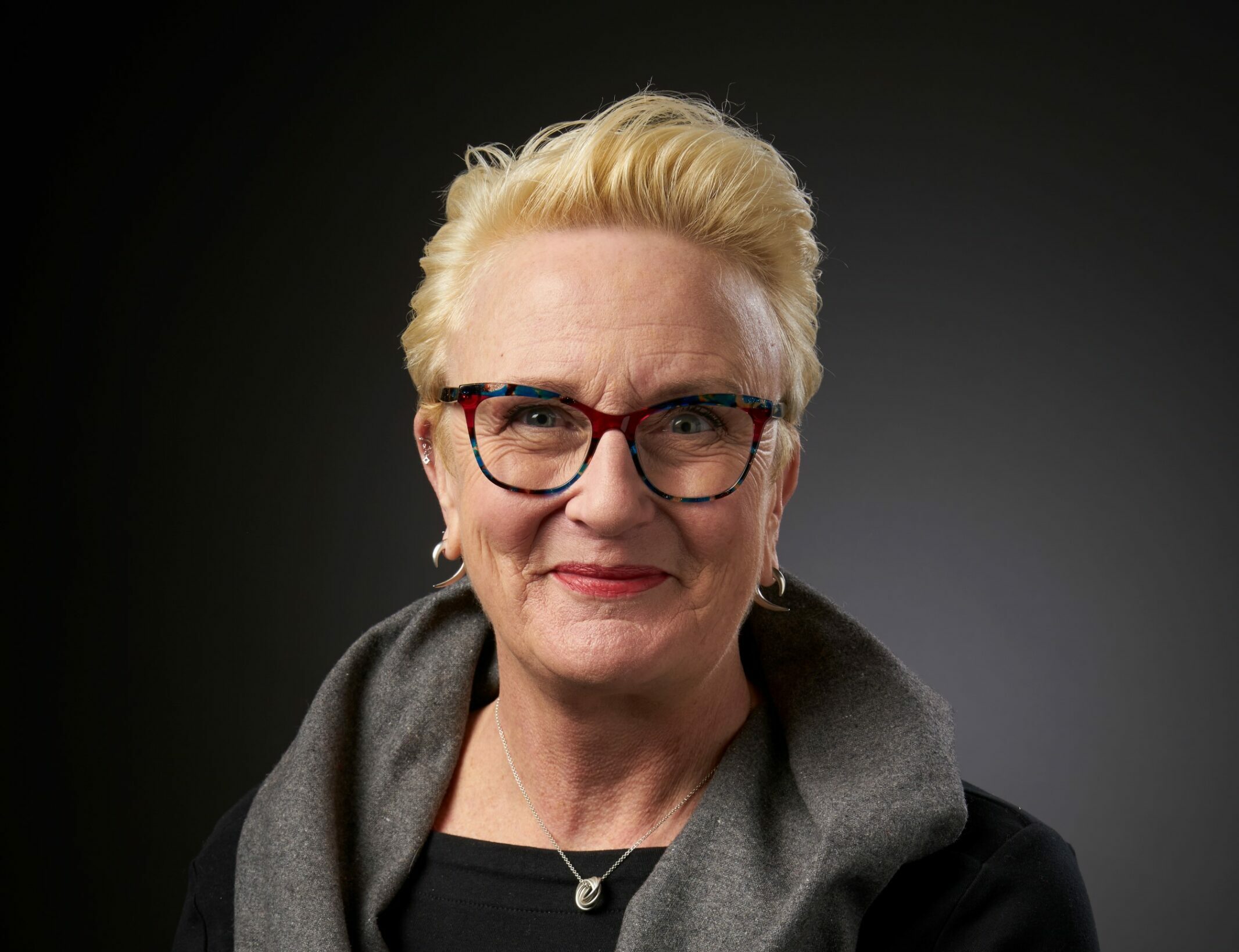
Tina Catling, a Principal Practitioner for the Association for British Psychology and a Fellow of both the Institution of Civil Engineers and the Royal Society of Arts, is advocating for mental health injuries to be included under the Reporting of Injuries, Diseases, and Dangerous Occurrences Regulations 2013 (RIDDOR). This move, she argues, would provide legal recognition of the psychological impact many workers face.
“This would put mental health injuries on par with physical injuries, creating more psychological safety in the workplace,” Catling explained. “It would not only save companies thousands in absences and lost productivity; it would also save lives.”
As founder and director of Leeds-based consultancy ThinkOTB, Catling works with global leaders, coaching them on building teams that are psychologically safe and innovative. She has also co-authored two best-selling books on leadership and workplace culture.
Catling’s call comes as the economic cost of poor mental health becomes more apparent. A recent study by AXA UK revealed that poor mental health in the workplace cost the UK economy £102 billion in 2023. Issues like workplace bullying, stress, and harassment are common, leading to disengagement among staff, which can result in both mental and physical harm. Research by Engage for Success found that employees who are not engaged at work are 62% more likely to sustain a physical injury.
“This is a cause very close to my heart,” Catling said. “I work to create healthy, positive cultures both in my own business and in the organisations we advise. I see many senior leaders who are struggling with their mental health.”
She questions why mental health is still separated from physical health in many workplaces. “Our minds and bodies are connected,” she said. “Yet, when someone suffers a mental health injury due to work, there’s no legal obligation for employers to investigate or report it.”
Recognising and recording mental health injuries under RIDDOR would encourage employers to take preventive measures, such as conducting psychological safety risk assessments and addressing factors in the workplace that contribute to stress.
“If mental health injuries were included in RIDDOR reporting, we’d see an immediate shift in how employers handle issues like bullying, microaggressions, and unconscious bias,” Catling added.
While there are existing frameworks for mental health, such as the ISO 45003 standard for psychological health and safety at work, Catling argues that without legal requirements, there is little incentive for many companies to apply them. She suggests a simple first step would be allowing employees to record mental health injuries in workplace accident books, as they do with physical injuries.
The campaign is part of a broader push for change, with United Minds, part of Unite the Union, also campaigning for similar reforms.
“Psychiatric injuries happen at work and are going unreported,” Catling warned. “They’re not being investigated or dealt with in the same way as physical injuries, and that needs to change.”