
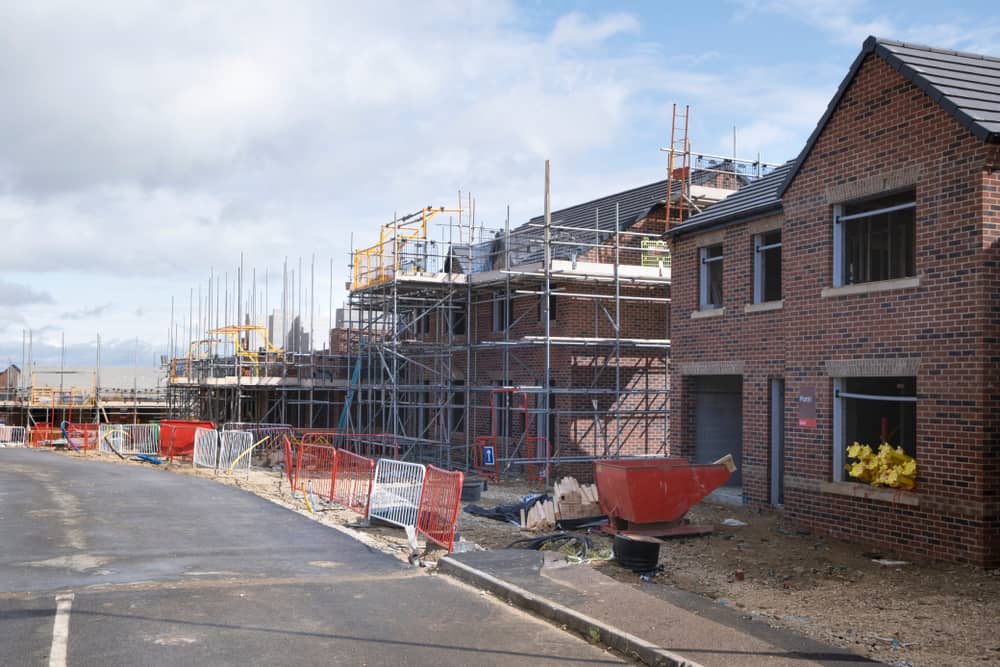
The cost of building projects is forecast to rise by 17% over the next five years, with tender prices expected to increase by 19% in the same period, according to the latest figures from the Building Cost Information Service (BCIS).
The outlook, released by BCIS, predicts a return to growth in construction output after a period of contraction since mid-2023. New work output is anticipated to grow by 21% by the end of the forecast period.
Labour Costs Drive Inflation
Labour costs are highlighted as the primary driver of input cost inflation. Annual growth in the BCIS Labour Cost Index slowed to 5.3% in the final quarter of 2024, but significant increases loom.
Higher employer National Insurance contributions and a rise in the National Living Wage are projected to push costs up by 2.5% in April 2025 compared to March. Overall, labour costs are expected to climb by 19% by the end of 2029.
Dr David Crosthwaite, Chief Economist at BCIS, explained: “The construction industry is grappling with a tightening labour supply, long-term workforce losses, and shortages of skilled workers. With demand expected to pick up this year, the risks to our forecasts are firmly on the upside.”
Materials Costs Stabilise but Remain a Concern
Materials cost inflation, which peaked in 2022, has been moderating. Annual growth in the BCIS Materials Cost Index turned negative from late 2023 to mid-2024 but is forecast to grow by 15% over the next five years.
The BCIS All-in Tender Price Index, which measures the cost of accepted tenders, grew by 2.3% in the final quarter of 2024. Dr Crosthwaite noted that while tender prices are expected to grow more slowly than input costs in 2025, the trend will reverse from 2026.
Return to Growth on the Horizon
Despite a 4.7% contraction in new work output projected for 2024, growth is expected to return from 2025. The recovery will likely be driven by increased housing and infrastructure spending. However, the ambitious government target of building 370,000 homes annually remains out of reach.
Dr Crosthwaite warned of challenges ahead: “Public finances and a sluggish economy pose significant risks to growth in industrial and commercial sectors.
Delays to the second phase of the government’s Spending Review create further uncertainty, as many funding and viability decisions rely on clear long-term strategies.”
Mixed Sentiment in the Industry
The S&P Global UK Construction Purchasing Managers’ Index reached a 29-month high in September, reflecting positive sentiment across the sector.
However, optimism has since waned following the Autumn Budget, with concerns about the broader economic environment tempering expectations.
As the construction industry navigates these challenges, the BCIS report underscores the need for resilience and strategic planning to manage costs and secure growth in the years ahead.