
Businesses overlook good customer relationships at their peril. It only takes a quick glance at Amazon or TripAdvisor reviews to see how important customer service is and what a difference it makes to a business’s success.
In this article, ScaffMag talks to Perry Todd and Joe Thompson of Layher UK, whose focus is on ensuring that customers have the best quality training and support at all times, and to Des Moore, Layher’s Brand Ambassador, who helps both existing and potential customers understand the commercial benefits of using the company’s products.
In the scaffolding industry, service is exceptionally important. Whether you are selling or renting equipment, or providing scaffolding contractor services to end clients, understanding the commercial power of good customer service can be the difference between success and failure. That’s why Layher, for example, has created a set of values that are focused on the customer – Service, Support, Solutions and Supply. These values allow the company to bring together expertise in a number of areas to deliver a unique approach to customer service.

Service and Support in Action
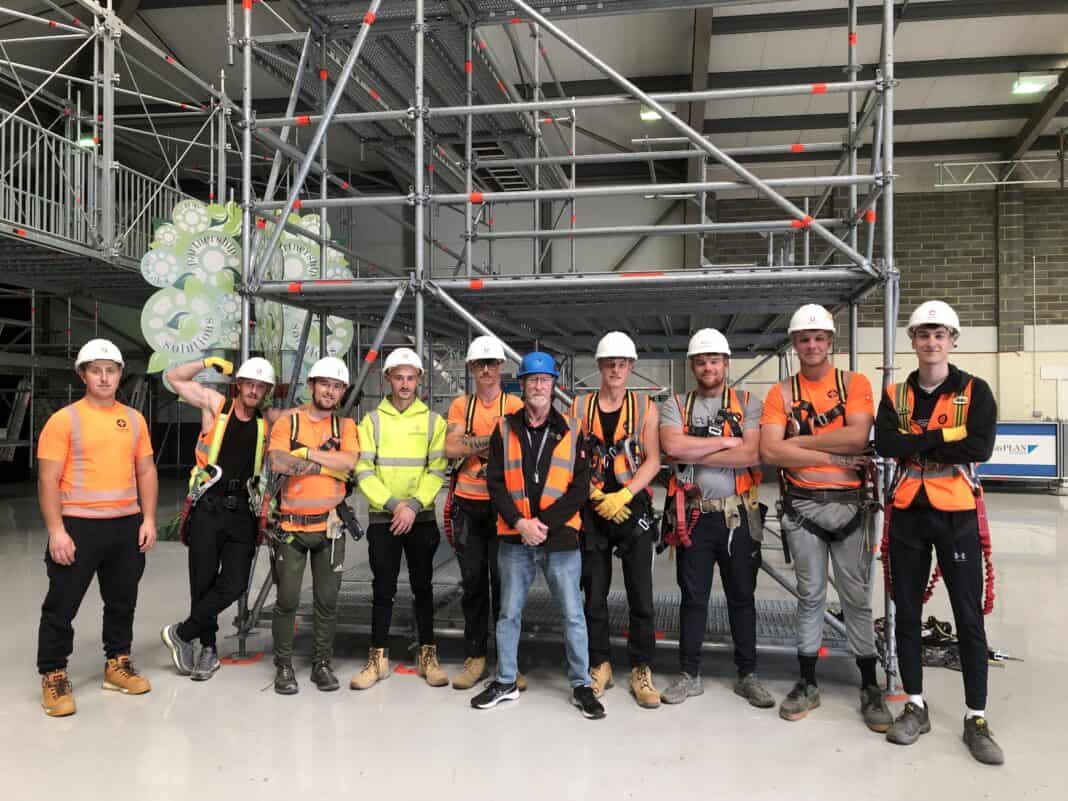
We spoke to Layher staff members Perry and Joe to find out exactly how they support their customers. Both have great industry experience – Joe has worked for Layher for 27 years, starting as a forklift truck driver and moving into training as his career progressed. He now delivers training and after-sales specialist support to Layher customers, and he has broad experience across the business in sales, training, and support functions.
Perry grew up in South Africa, after his Dad, who worked for SGB, got a contract out there. Perry ran his own scaffolding business in South Africa and used Layher Allround as part of his work. He also ran a training centre just outside Johannesburg offering training across a range of scaffolding systems. Layher approached Perry and asked him to put together some training for South African customers, so he already had an excellent working knowledge of the product when he and his wife decided to move back to the UK a couple of years ago. Now working for Layher full-time, Perry offers on-site support and training to customers.
“We offer a range of training courses,” says Joe. “Our main training offer is the System Scaffolding Product Training Scheme (SSPTS) course, which we offer to anyone with a minimum of CISRS Part 1 qualification. There’s a basics course for non-scaffolders, and one-day product-specific courses to help people get acquainted with the Allround product and understand how to use it most efficiently. Our other courses include specialist training for bridge trusses, stair towers and temporary roofing, as well as product familiarisation for our customers’ sales teams so that they can pitch to their own customers confidently. Finally, we offer Scaffold Inspection courses, which help to put our customers fully in control of their projects from start to finish.”
Dedicated on-site Support
Whether it’s your first build with Layer Allround, or you’ve been a customer for years and you have a complex project to manage, with additional labour on site, Layher’s dedicated on-site support is available to customers at no additional cost.
“I’ve worked with our customers on some very complex projects since I joined Layher,” says Perry. “For example, I supported a customer on a project inside the Humanities building at Oxford University. This was a suspended scaffold, so no scaffolding on the floor at all. And I’m currently working on a large bridge project – in all these cases, I study the design to make sure it’s the most efficient and safest design, and then I’ll go to the site to work with the team to make sure they are confident, and that any new people on site understand the system and what they are building with it.”
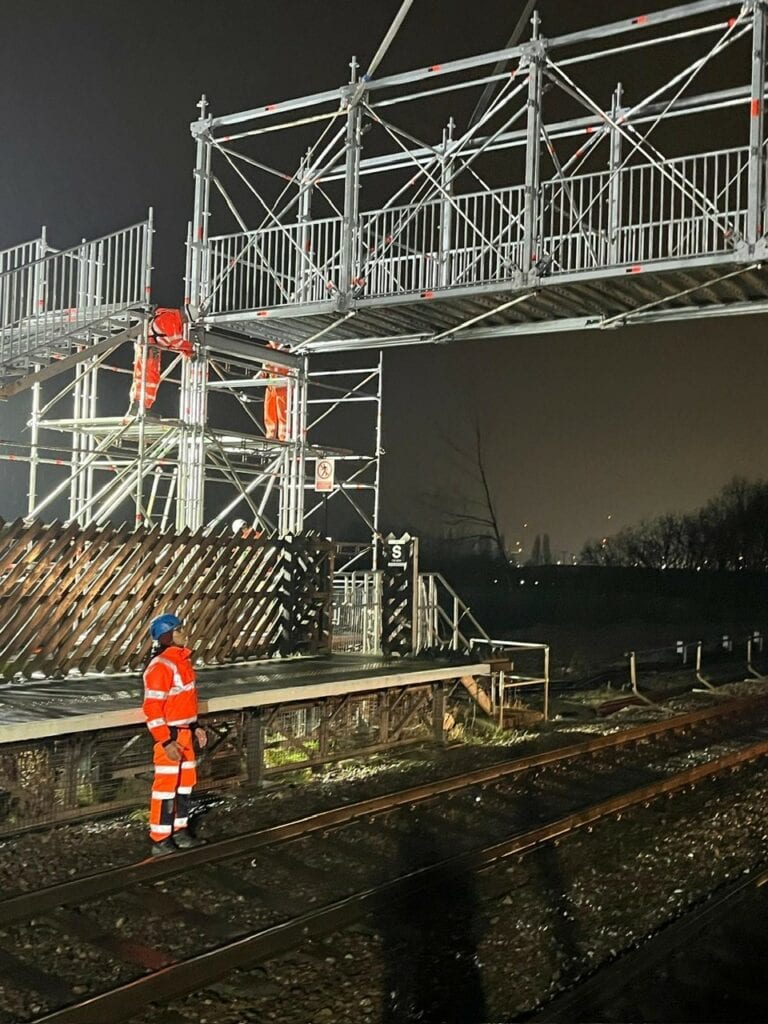
Joe has also recently given on-site training at Hinckley Point. “A lot of our practical training is done at whichever of our four depots is closest to the customer,” he says. “But we also do a lot of training on site, where that’s more appropriate. We cover the whole country to support our customers in the best way.”
“On-site training is a great way to reinforce any original training courses,” says Joe. “While initial training is fresh in the mind for a couple of days, it could be several weeks until scaffolders are actually on a job, and then some of the elements of the training might have faded from their memory. So working with them on site allows them to refresh that training and see exactly how it all works in practice.”
Designing Services to Work for the Customer
One of the best things about Layher’s approach is that it’s completely flexible to the customer’s needs. “On some occasions, where a customer is investing heavily in Layher Allround, we will build training and support into the initial package,” says Joe. “For most customers, though, it’s a case of designing the training and support to deliver what they need, when they need it.”
That means that the company might offer SSPTS training at the start of a relationship, and then again when new scaffolders are recruited, or when the customer takes on a larger job and needs more labour.
“Of course, we train on the essential product range, but it may be that a customer is using a new product that has just come on board, or that they haven’t used before. We’ll put together dedicated training for that – at our facilities or on-site – to make sure they are confident from the very beginning.”
Supporting Clear Commercial Thinking
This practical training is built on by the commercial training which Des Moore runs for Layher customers. Courses include the commercial benefits of choosing system scaffolding, and how to make the most of system scaffolding once you have chosen the Layher option. Des is also very open to creating bespoke courses for Layher clients that support them in particular areas – such as strategic planning or running a successful system scaffolding business.
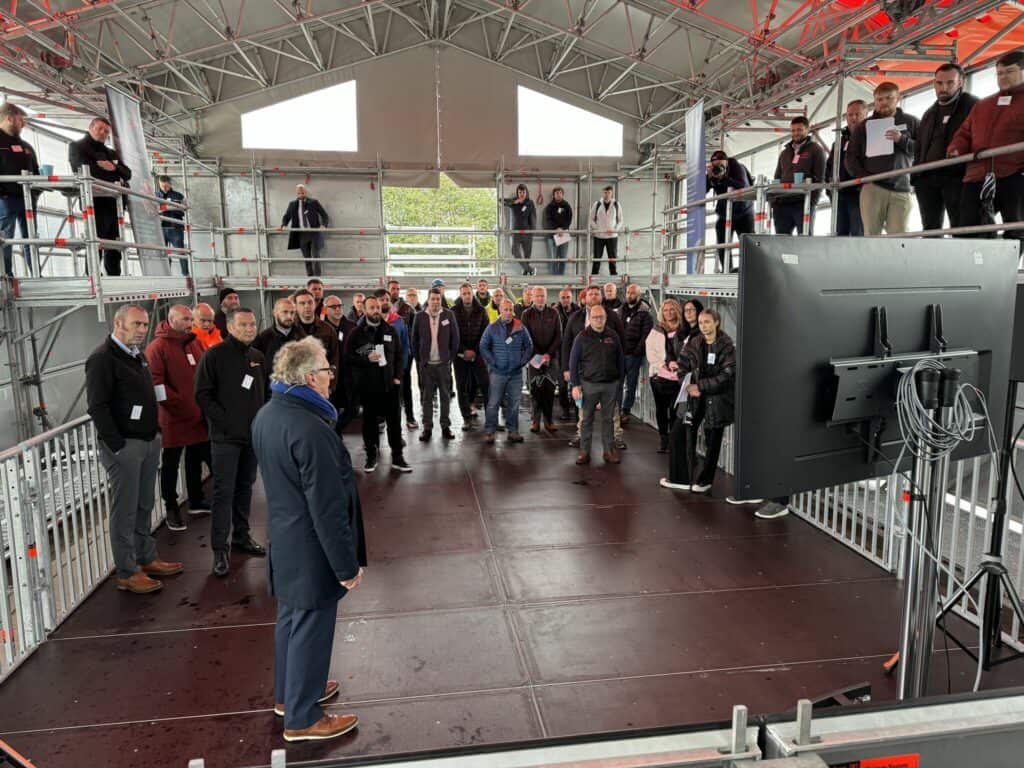
“From my point of view, with more than 50 years’ experience in the industry, I know that this approach makes a big difference to scaffolding contractors,” says Moore. “It’s easy to sell something and leave the customer to get on with it, but the success of a business like Layher is inextricably linked to the success of its customers – so why wouldn’t you invest in helping them to get the very most from your products?”
Des has already run several of these courses for Layher’s existing customers, and delivered information to prospects so that they can make informed commercial decisions about choosing to use system scaffolding in the first place, and then selecting which supplier to use.
“What I like about working with Layher, is that there’s so much product expertise in the business,” says Moore. “From the sales team to the after-sales support, there’s a real focus on practical experience – I have it myself, having used Layher Allround for a long time during my career. Having access to all that expertise and experience is a real positive for customers, because they know we have the ability and desire to support them at every point in their Layher journey.”