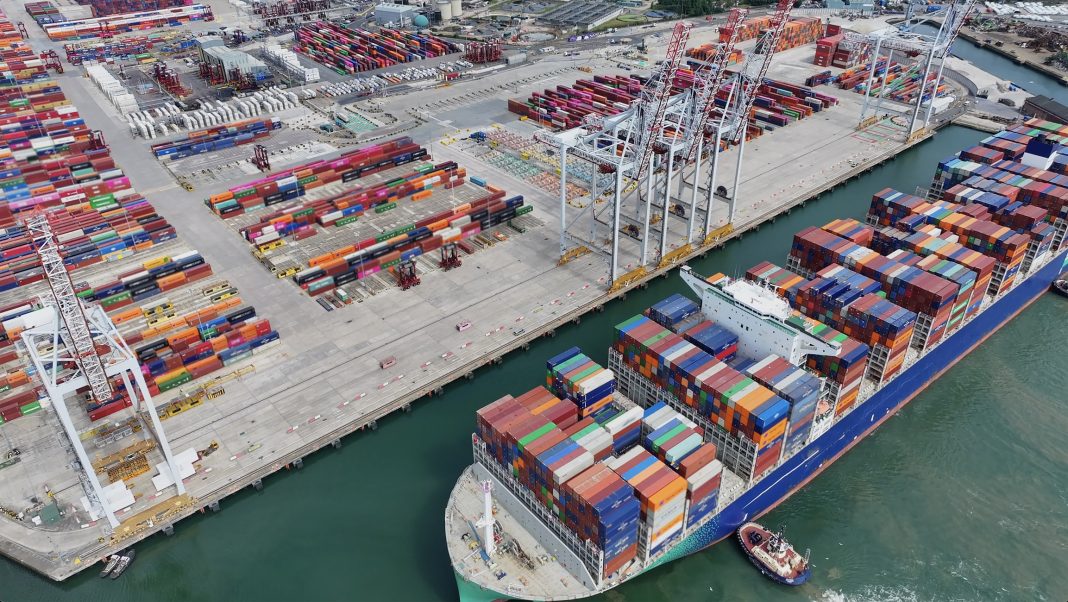
A sharp rise in global container shipping rates is beginning to feed through to the UK scaffolding supply chain, prompting warnings that contractors could face higher material costs in the months ahead.

According to Trevor Inns, Director of Tube Industries, a leading importer of scaffold tube supplying many of the UK’s major wholesalers, landed prices for imported scaffold tube have already increased by around 15 per cent since April, with further increases expected as higher freight costs work their way through the market.
The warning comes as container rates on major Asia-to-Europe shipping routes continue to climb. Industry shipping data shows rates between China and Northern Europe have risen significantly in recent months, reaching their highest levels in more than 18 months.
Mr Inns said the increases are being driven primarily by freight costs rather than changes in steel prices.
“Back in 2023 we forecast that scaffold product prices would soften, and that proved to be largely accurate,” he said.
“This time the story is the opposite. The pressure isn’t coming from steel or galvanising. It’s coming from freight.”
He said many contractors may not yet have seen the full impact because suppliers are still selling stock imported before the latest freight increases took effect.
“If a supplier hasn’t increased prices yet, it doesn’t necessarily mean the market hasn’t moved. In many cases they are still working through existing stock purchased at lower landed costs,” he said.
Shipping rates climb
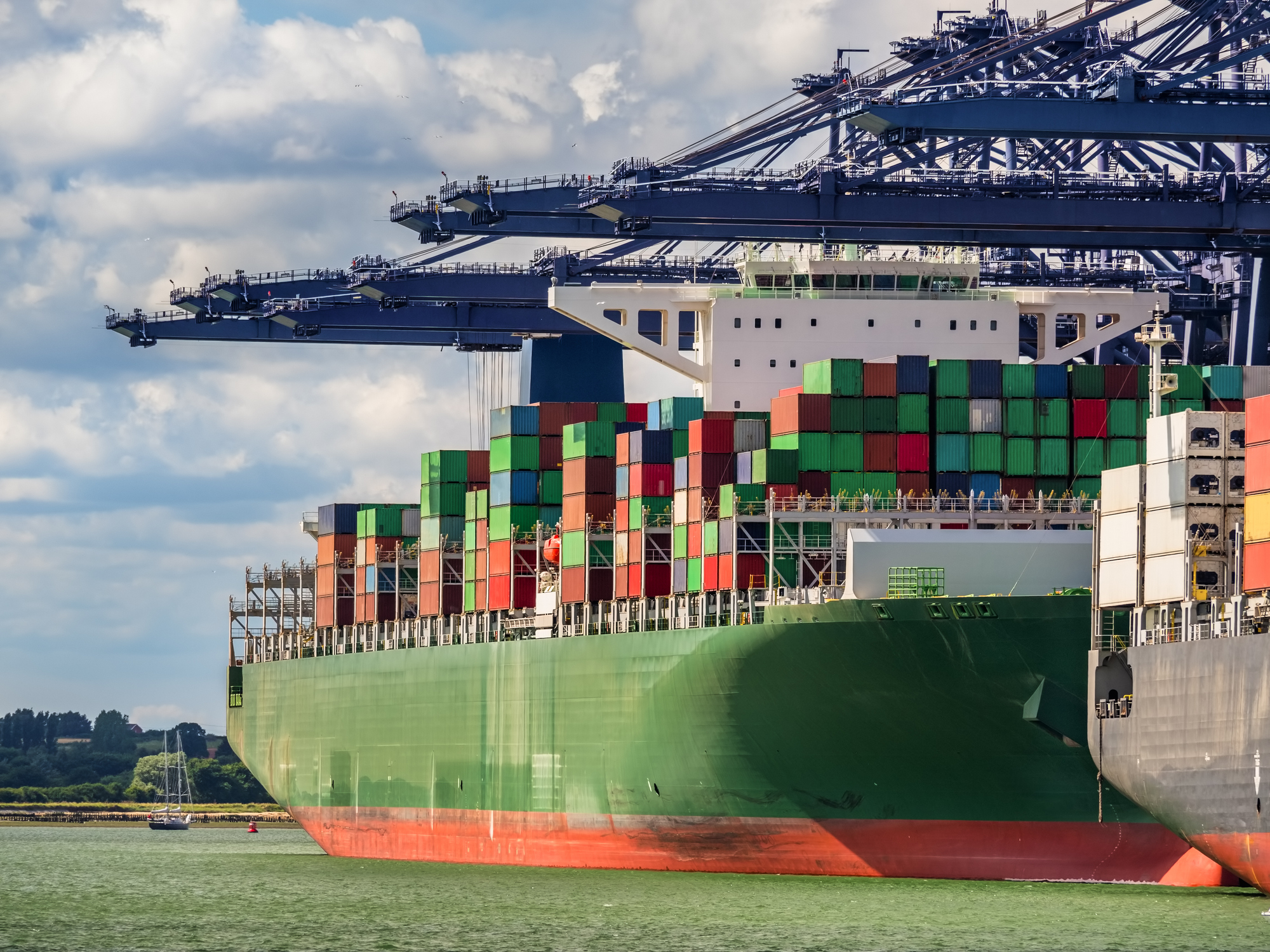
Recent market data from shipping analysts Drewry showed that the World Container Index reached its highest level since late 2024 in June, with rates on the Shanghai-to-Rotterdam route increasing sharply in recent weeks.
Carriers have also announced further rate increases and peak season surcharges from July, adding to concerns that import costs could continue rising through the second half of the year.
Because freight affects all imported products travelling through the same supply chains, the impact is not limited to scaffold tube.
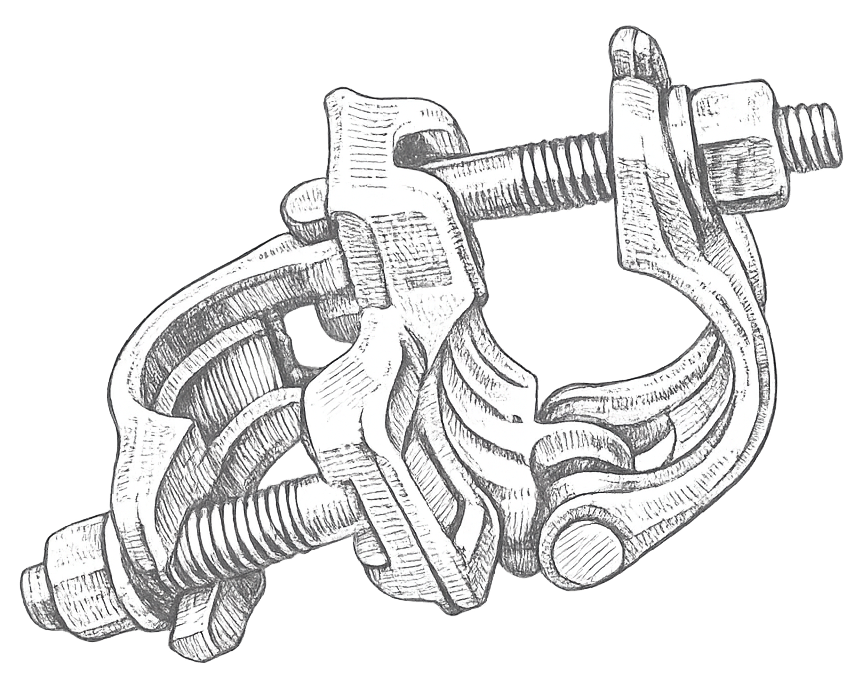
Fittings, access products and other scaffold equipment sourced from Asia could also come under cost pressure if elevated shipping rates persist.
Impact on contractors
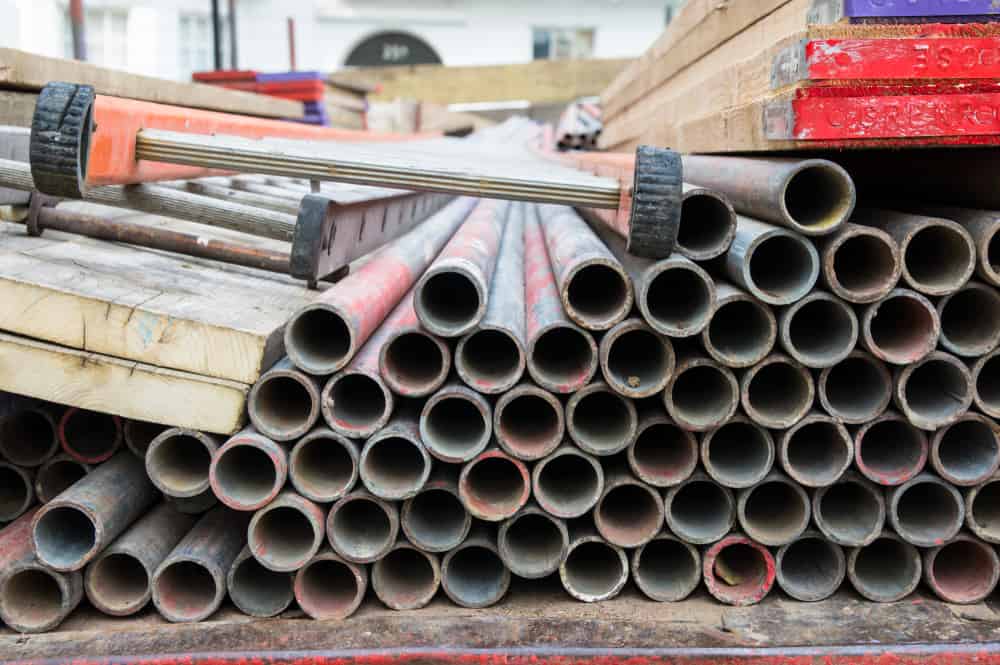
The warning may be particularly relevant for contractors pricing work scheduled for autumn and winter, where materials may not be purchased until several months after tenders are submitted.
Mr Inns said businesses should review their assumptions on future material costs rather than relying on current pricing.
“Anyone pricing projects later in the year should be speaking with suppliers about forward pricing and availability,” he said.
“By the time some of these increases reach contractors’ invoices, they may appear sudden. In reality, the cost increases are already working their way through the supply chain.”
While the scale of future increases remains uncertain, the latest shipping market data suggests freight costs are likely to remain a key factor influencing imported scaffold product prices during the remainder of 2026.