Scaffolding contractors across much of England are being urged to act on heat risk this week after the UK Health Security Agency issued red heat-health alerts for six regions.
The alerts cover London, the East Midlands, West Midlands, East of England, South East and South West. They begin at 1am on Wednesday 24 June and remain in place until 11pm on Thursday 25 June.
Amber alerts apply in the North East, North West and Yorkshire and the Humber.
Red is the highest level on the UKHSA’s heat-health alert scale. It means severe impacts are both likely and expected, including for people who would not usually be considered at high risk.
Temperatures are forecast to reach the high 30s, with some forecasts putting peaks close to 40C in parts of England during Wednesday and Thursday.
Heat is a workplace hazard
The Health and Safety Executive has reminded construction employers that heat must be assessed as a workplace hazard.
There is no legal maximum temperature for work. But employers still have duties under health and safety law to assess the risks to workers and take reasonable steps to control them.
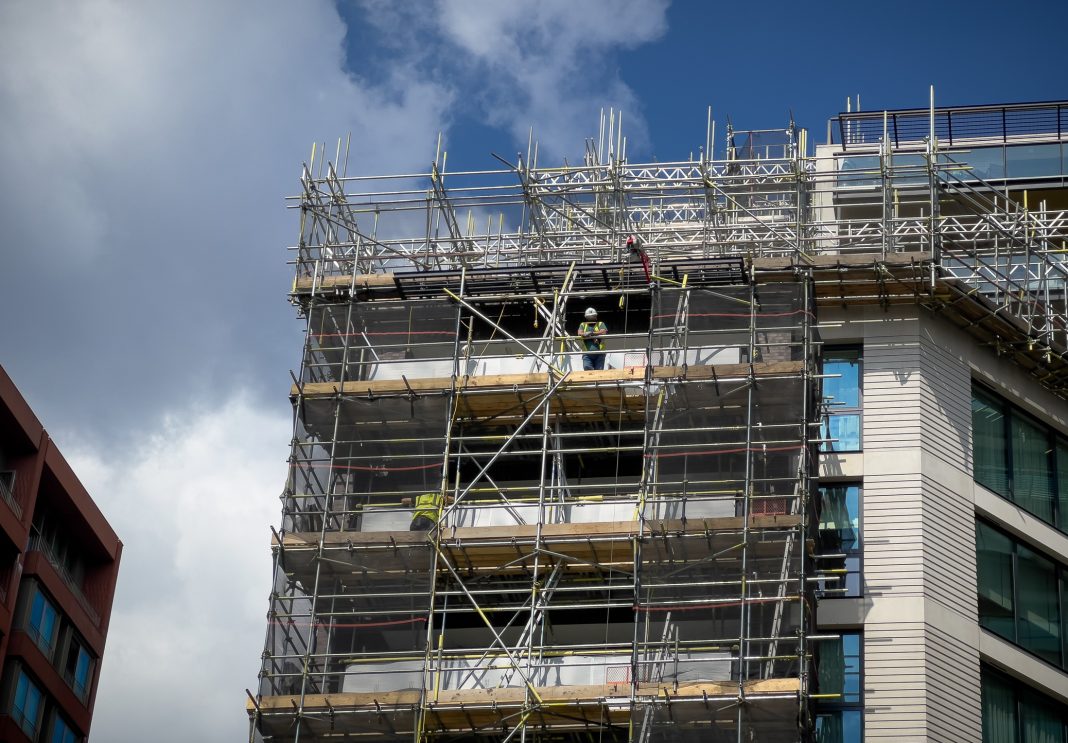
That matters on scaffolding sites, where physically demanding work, direct sun, reflective surfaces, heavy clothing and PPE can all make heat stress more likely.
HSE says employers should consider practical controls including more frequent rest breaks, shaded welfare areas, free access to cool drinking water and earlier starts or later finishes where site arrangements allow.
John Rowe, HSE’s deputy director for technical support and engagement, said: “Last summer should have been a wake-up call for all employers.
“If we continue to experience hotter summers this could have a big impact on the workforce of this country, affecting everything from health of workers to productivity on construction sites.”
Supervisors need to spot the warning signs
Heat exhaustion can cause tiredness, weakness, dizziness, headaches, muscle cramps, nausea, heavy sweating and intense thirst.
Workers with these symptoms should be moved to a cooler place, given fluids and monitored.
Heatstroke is more serious. Signs can include confusion, poor coordination, rapid breathing, a fast heartbeat, hot skin that is not sweating and seizures.
Heatstroke is a medical emergency. Anyone suspected of having heatstroke should be cooled down while another person calls 999.
For scaffold contractors, the immediate issue is planning. Supervisors should check that welfare facilities are usable, water is readily available, break arrangements are realistic and workers know when to raise concerns.