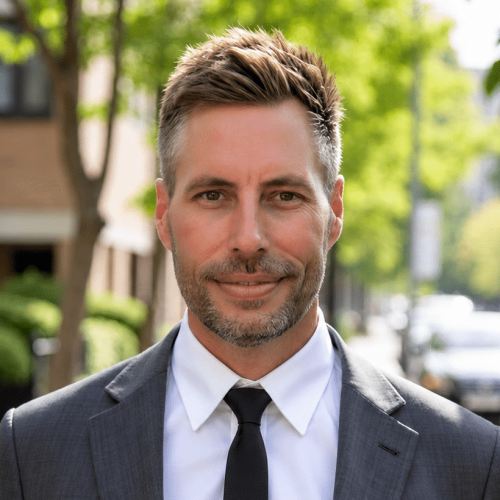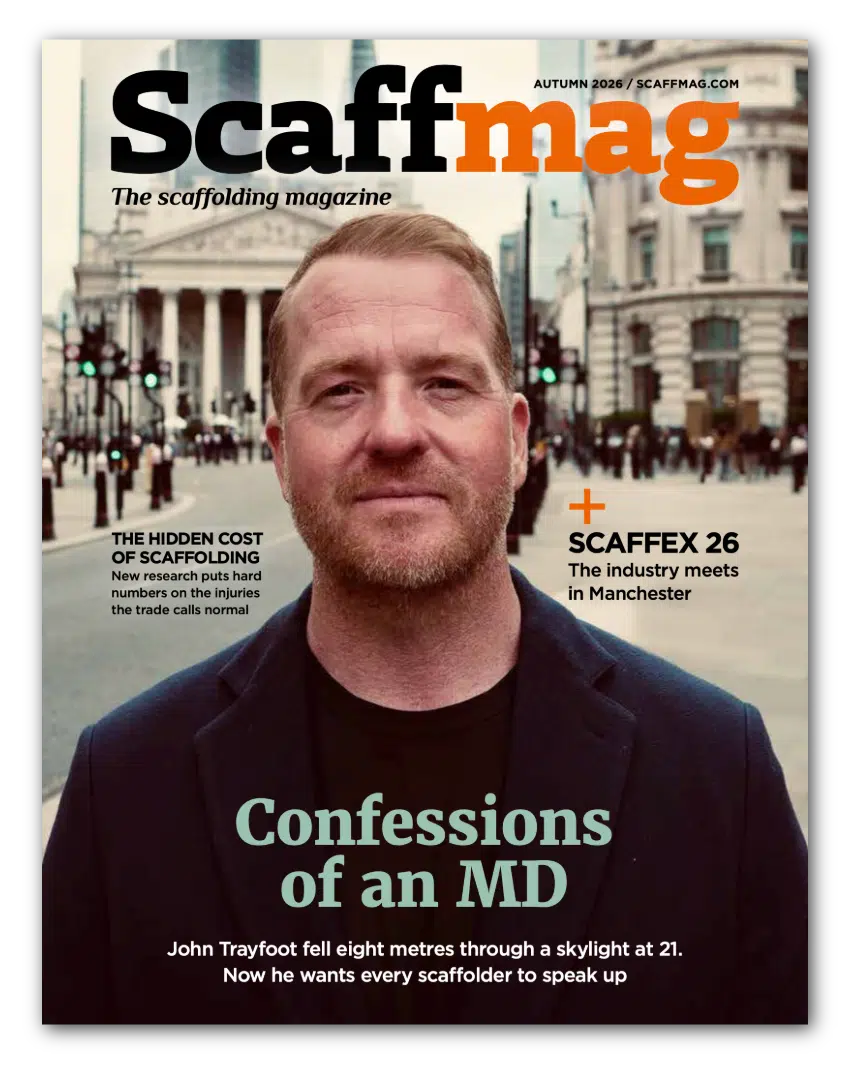
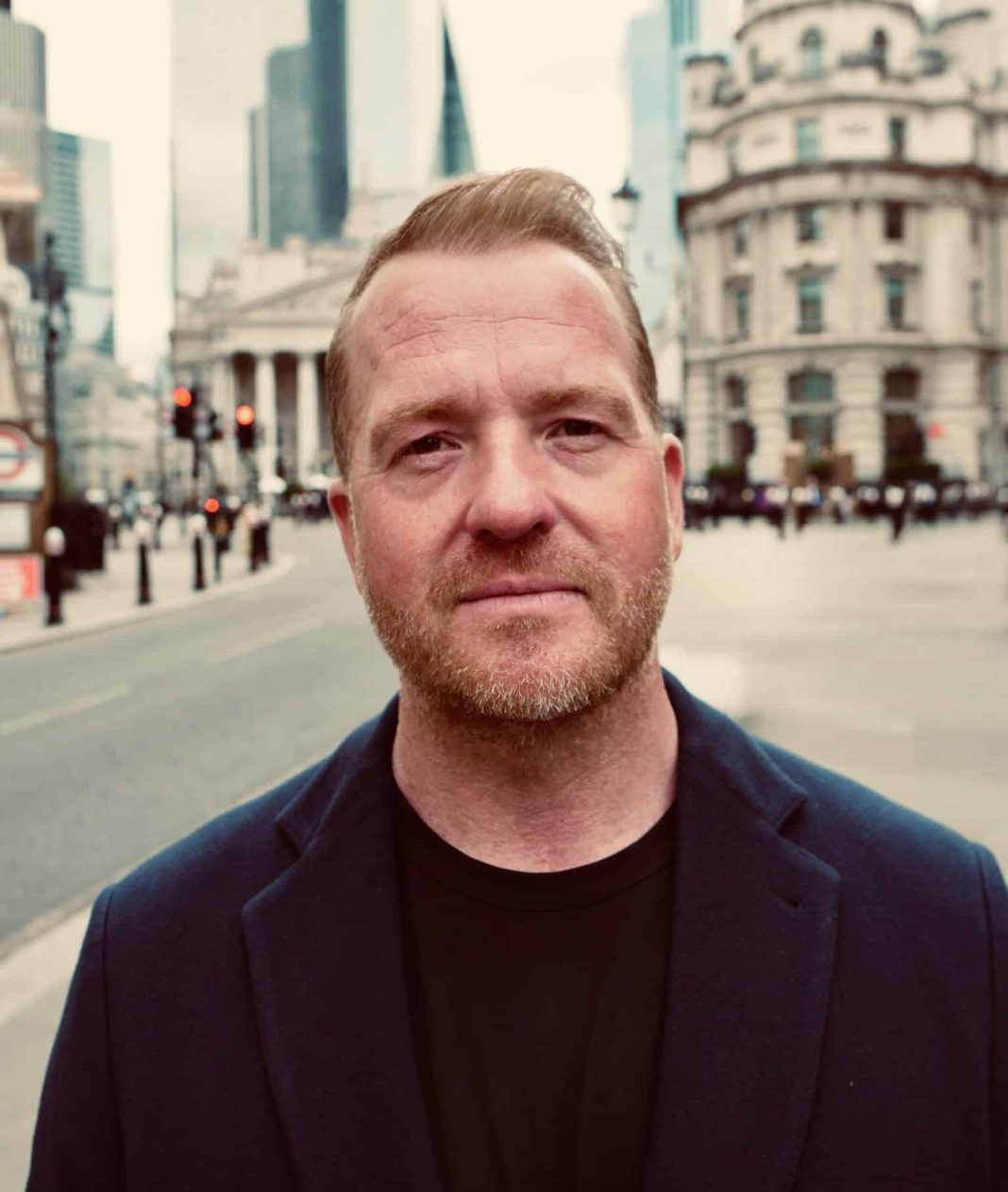
John Trayfoot remembers climbing the scaffold.
He remembers stepping onto the roof.
Then nothing.
“I blacked out and fell through a skylight.”
The next thing he knew, he was at the bottom of a fall of around 8 metres, inside a timber yard in Brighton. On the way down he had hit lengths of standing timber around six metres tall and slid down them, and he was found on the floor with blood across his face, badly concussed, his skull fractured.
He believes the blackout itself may have spared him worse. “Where I blacked out, my body went limp, and I was lucky I didn’t break any arms or legs.”
Yet one of Trayfoot’s first thoughts was getting back to work.
“I was like, ‘I’ve got to go back up the scaffold and I’ve got to redo it, otherwise I won’t get paid.’ I was trying to get back up the ladder.”
He was 21, studying at university in Brighton and working nights and weekends for his father and uncle’s scaffolding business. That day he had been carrying out an inspection on a viaduct scaffold, a job he already knew. He had a hard hat and hi-vis on, but had gone onto the roof without proper footwear or a harness, and he remembers very little in the way of a risk assessment covering what he was doing.
The blackout came without warning. He had blacked out once before, at 13, and medical checks after the fall failed to identify a cause. That made the lesson harder to ignore.
“You never know what’s going to happen. You might faint or black out,” he says. “It definitely changed the way I think about things.”
The accident became an early lesson in how quickly an ordinary job can change, and how small decisions can leave somebody exposed when something unexpected happens. That experience now sits behind a question Trayfoot and his team at M R Scaffolding have spent considerable time discussing: why do experienced people who understand the risks still cut corners?
Why people take the chance
Falls from height remain the leading cause of fatal workplace injury in Great Britain. HSE figures for 2025/26 recorded 31 worker deaths from falls from height, around a quarter of all work-related fatalities during the year.
Scaffolding has rules, guidance, method statements, inspections and training designed to control that risk. But Trayfoot believes there is a part of safety that is harder to put into a document, because people still make decisions in real time, and experienced people still cut corners.
That became particularly clear at M R Scaffolding when several operatives were filmed working unsafely. Nobody was injured, but what Trayfoot saw concerned him.
“The reason we started working on this Safer Together was a few guys got filmed working unsafely,” he explains. “Nothing happened, no accident happened, but it was quite dangerous what they’d done. It was trying to get into their heads why they want to cut corners to save five minutes and put their life at risk.”
The footage did not become an isolated disciplinary file. It became the start of a wider discussion inside the company about behaviour: what makes somebody who knows the correct method choose another way, and, just as importantly, what makes the person standing next to them stay quiet.
Safer Together
The result is Safer Together, the safety culture programme now rolling out across M R Scaffolding, built around three commitments:
Look after yourself.
Look after each other.
Never stay silent when something isn’t right.
Trayfoot wants those lines understood across the business, from directors and supervisors to scaffolders, labourers, drivers and yard staff. The company is working with safety culture specialist Tribe and has introduced Black Hat Roadshows as the programme develops, with the first sessions deliberately bringing different levels of the business into the same room.
That mix matters to him. He does not want safety ideas coming solely from the boardroom.
“I think it’s going back to basics really and actually talking to the operatives like adults,” he says.
It is not about screaming and shouting, he says. “The scaffolder mentality is still within a lot of them.” His approach involves discussing situations with teams, using scenarios and role play, and challenging the familiar belief that years of experience make somebody immune from an accident. “They think, ‘We’ve done this for such a long time, it’s never going to happen to me.’”
Changing that thinking means getting the people doing the work involved in the conversation. “When we did our initial one, we had someone from the yard, driver, labourer, Part 1, advanced, the full cut through. The director of the whole business was in the meeting. It’s getting ideas from the whole business.”
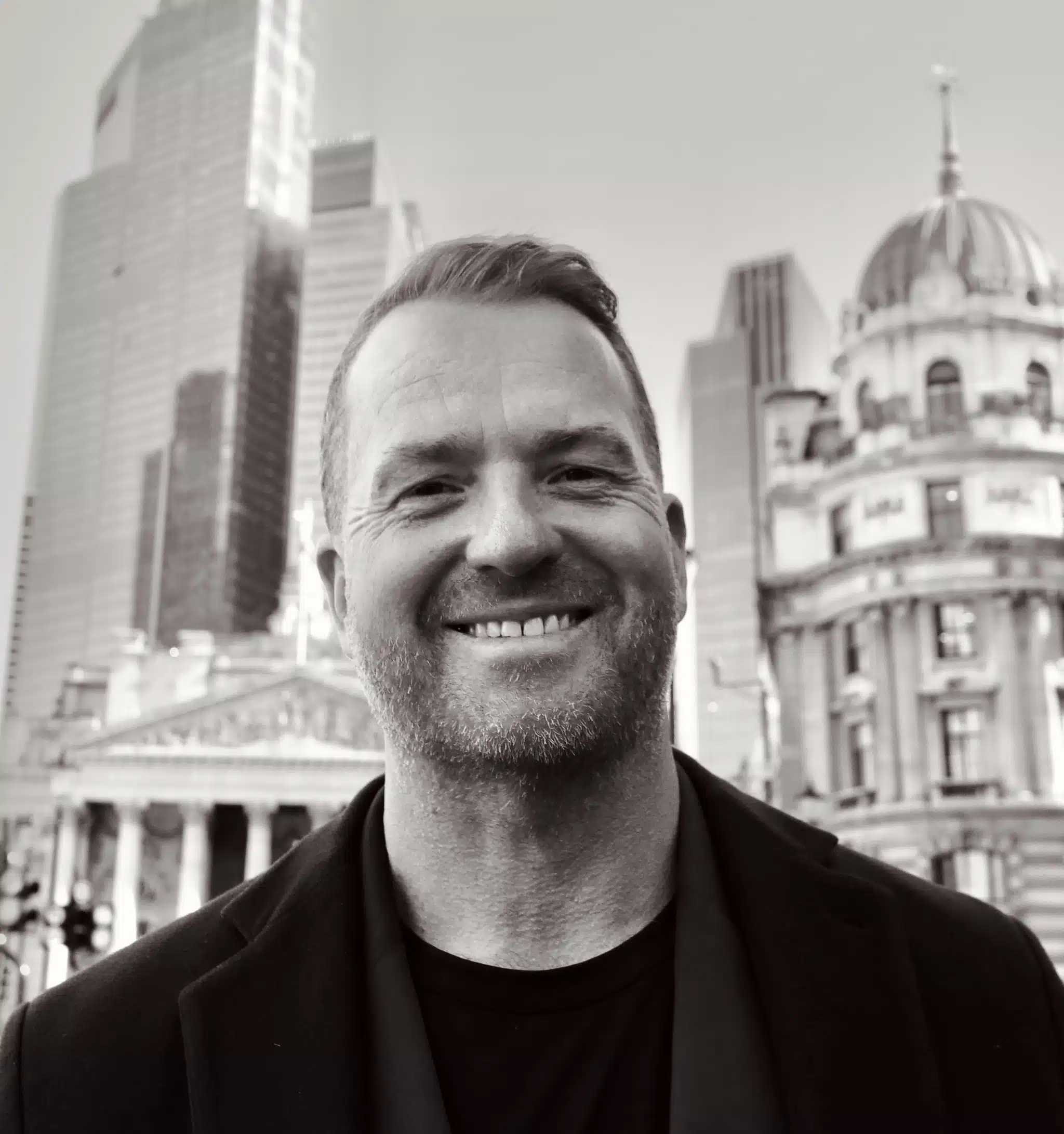
When more reports can be good news
One of the clearest examples of that thinking is the way M R Scaffolding treats near misses. Most companies want their safety graphs heading downwards, and fewer accidents and injuries are obvious goals. Trayfoot is more cautious when it comes to near-miss numbers, because the company actively encourages people to report what they see.
He credits much of that approach to Des Moore, the former TRAD Group chief executive who joined the company as a non-executive director nearly three years ago. “He’s brought in that Tier 1 kind of thinking, making safety our priority in terms of our operations.”
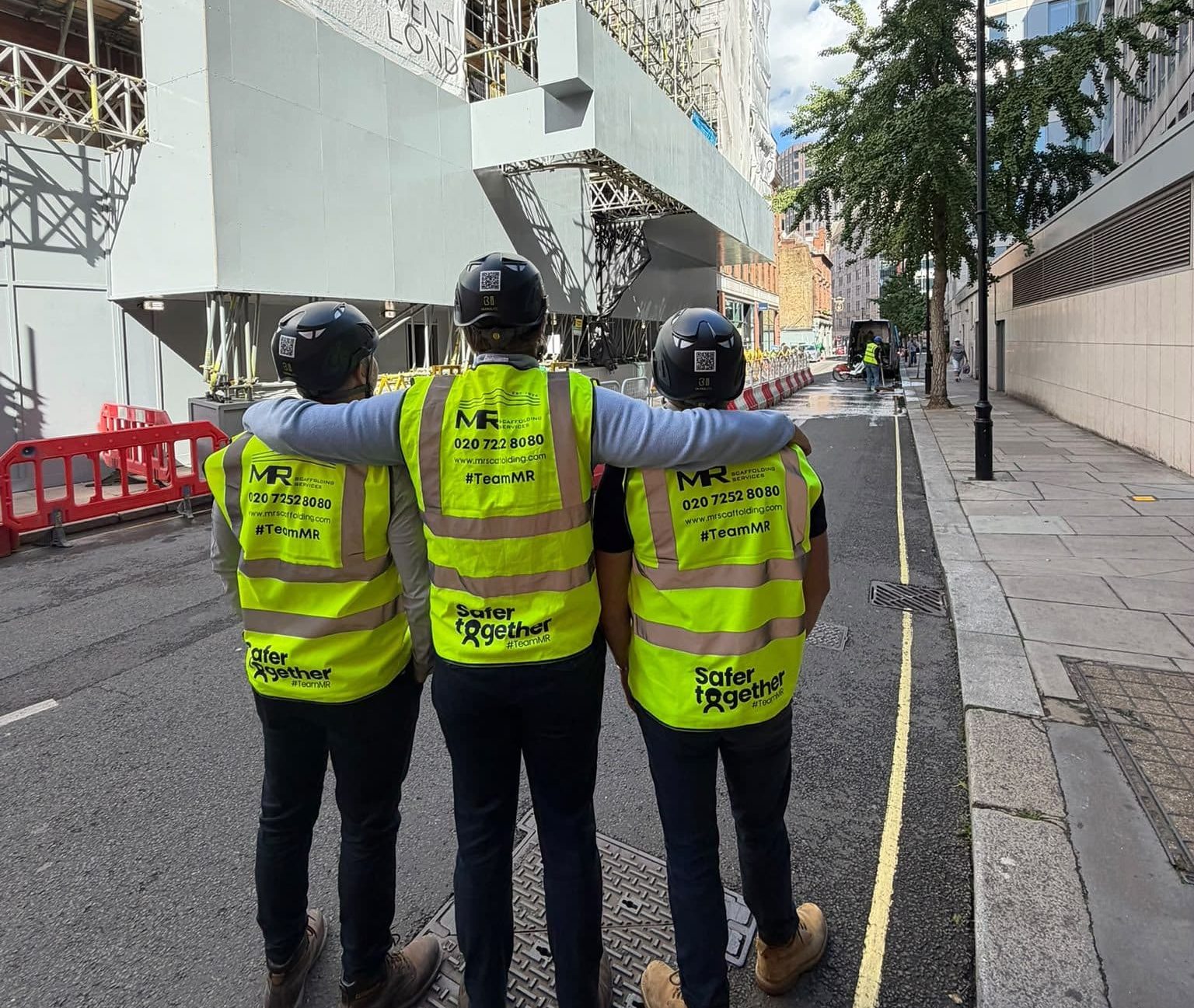
A QR code printed on the company’s black hard hats can be scanned to record a concern, and reports are discussed during monthly performance meetings, where the team looks for patterns and considers what can be changed.
“We go through all the near misses that have been recorded. We really encourage it,” he says.
The reports can involve seemingly small things. The company has identified recurring PPE issues, including hard hats not being clipped and operatives cutting without the correct gloves or eye protection. Catching those behaviours early gives the company a chance to deal with them before somebody is injured.
“It’s all about educating really, and we learn from the near misses.”
The important part is how the company responds: discuss what happened, understand why, look for recurring problems, and avoid creating a culture where somebody thinks twice before reporting the next issue. A rise in reporting can mean more people are willing to speak, and that goes directly back to the third line of Safer Together.
Starting with the MD
Trayfoot has also put his own accident into M R Scaffolding’s induction process. The company’s new induction video opens on his story, with footage of stacked timber and a hospital monitor, and puts its questions directly on screen: “Should safety ever rely on luck?” and “Have I taken every safety precaution… or am I taking a risk?” From there it moves through the history of the company, PPE, equipment rules and risk assessments, closing on the Safer Together card.
For a managing director, it means beginning a safety conversation by admitting his own mistakes. He knows what it is like to think a familiar job will be fine. He also knows what it feels like to wake up after the situation has gone badly wrong. The message becomes harder to dismiss when the person giving it has his own scar tissue.
The company’s wider approach has attracted recognition outside the company. At the 2026 CN Specialists Awards in September, M R Scaffolding Services was named Access & Scaffolding Specialist of the Year, with the judges pointing to a health and safety culture that was personal and embedded throughout the business, alongside its business strategy, workforce investment and approach to social value. The company was also shortlisted for its work at 5 Aldermanbury Square in the Project of the Year £1.5m–£3m category, won by Allen & Foxworthy for the Blenheim Palace roof restoration.
Safer Together is now rolling out across the business, with the roadshows continuing, the programme embedded into inductions and Safer Together badges being prepared for operatives to wear on their hi-vis. The badge carries a simple meaning: if something looks wrong, say something.
The culture work sits alongside a wider push into technology. The company is adopting AI and digital tools across the business, moving its management onto Baton, the scaffolding-specific platform backed by Moore, bringing scaffold design in-house in 3D through ScaffPlan, and introducing the KEWAZO Liftbot robotic hoist to cut manual handling and make sure materials are lifted safely when erecting high-rise buildings.
Steal these three lines
Trayfoot has no intention of treating Safer Together as something competitors should be excluded from. His invitation to other scaffolding businesses is simple: take the three commitments and use them, and the badge along with them. There is no licence, ownership or complicated system attached to any of it.
Look after yourself.
Look after each other.
Never stay silent when something isn’t right.
For another managing director trying to improve safety culture, his advice starts with how people are treated: talk to the people actually doing the work, get different parts of the business around the same table, and make it easier for somebody to challenge what they see.
His own experience explains why he feels so strongly about it. At 21, he climbed onto a roof expecting to carry out another routine inspection. Minutes later he was lying badly injured in the yard below. Twenty-three years on, he still comes back to the decisions made before things go wrong.
“It definitely changed the way I think about people cutting corners and what can happen,” he says. “You never know what’s going to happen.”
Sometimes the person who stops an accident is simply the one prepared to say something.