The recent high winds from storm Ciara and Dennis have highlighted the potential damage and destruction that can be caused by improper scaffold installation. Jonathan Craig from Hydrajaws guides us on the importance of installing and checking scaffold ties.
Scaffold Ties
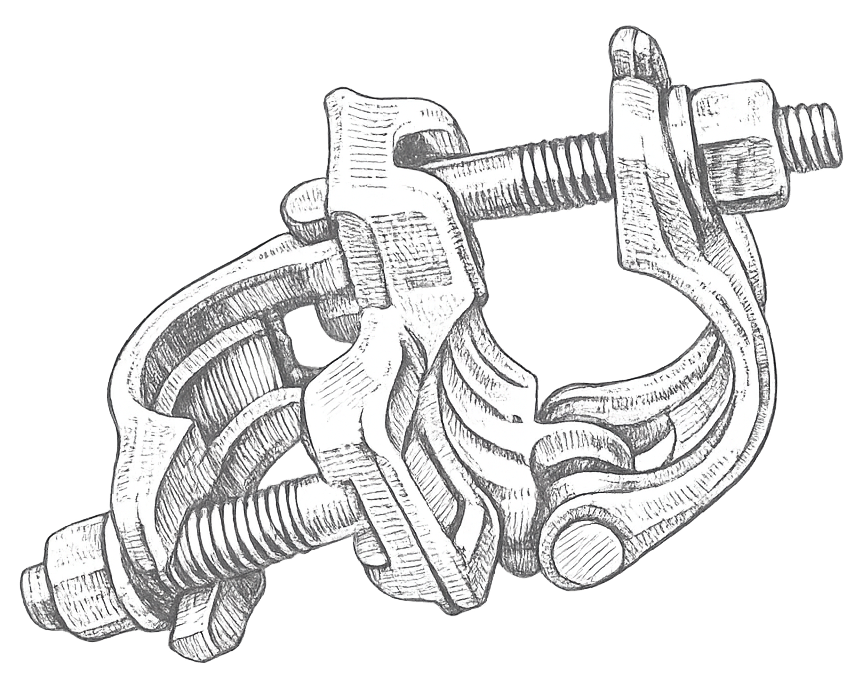
A scaffold tie is an important connection that fastens the scaffolding to a solid building or body to prevent it from collapse. When installed properly in a system they enable a resistance to forces trying to pull the scaffold away from the structure, such as high winds. From the initial design of the scaffold structure, the predictable loads of the scaffold on the main structure will be identified.
Why Test Anchor Ties?
There are a variety of anchor ties that a scaffold designer can specify. Each have their strengths and weaknesses, either in terms of achievable loads or suitability in base materials. The designer of the scaffold may initially specify the required anchor ties to be used to ensure that the scaffolding does not collapse away from the main structure. However, if the anchor ties are installed incorrectly, or even installed correctly into a weak material they will be compromised and potentially fail. That is why testing on-site in the actual working conditions is so important.
BS 8539:2012, Code of Practice
In BS 8539:2012, Code of Practice for the selection and installation of post-installed anchors in concrete and masonry, there are two types of site testing to be considered with scaffolding, Preliminary Test and Proof Tests:
Preliminary Tests
As the names would suggest, preliminary tests are performed on anchors before the scaffold is erected at a site. This is normally required when tying into masonry or other base materials where the anchor manufacturer cannot provide characteristic load data. This generally involves installing anchors into the masonry and pull testing the anchors to a required load. A minimum of 5 tests per base material is required.
It is strongly suggested to avoid pull testing these anchors to failure, as this is likely to cause unwanted damage to the building. When preliminary tests are carried out at site, it is important that the results of these tests are communicated effectively to the scaffolding designer.
At this point, the scaffolding designer may wish to increase the number of anchor ties, or use a different anchor tie. It is important to note that should a different anchor tie be used, that preliminary testing of the new tie is performed.
Proof Tests
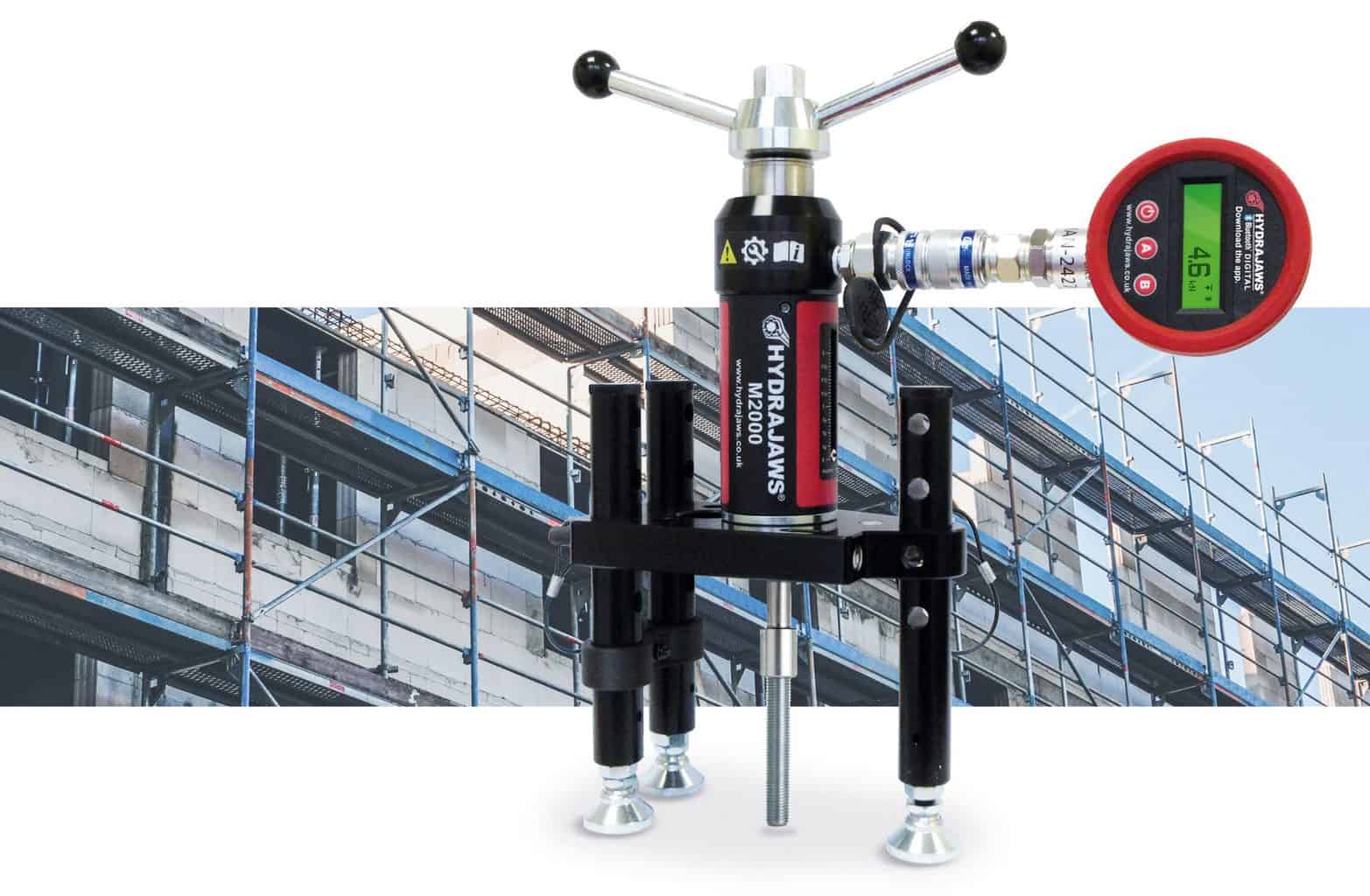
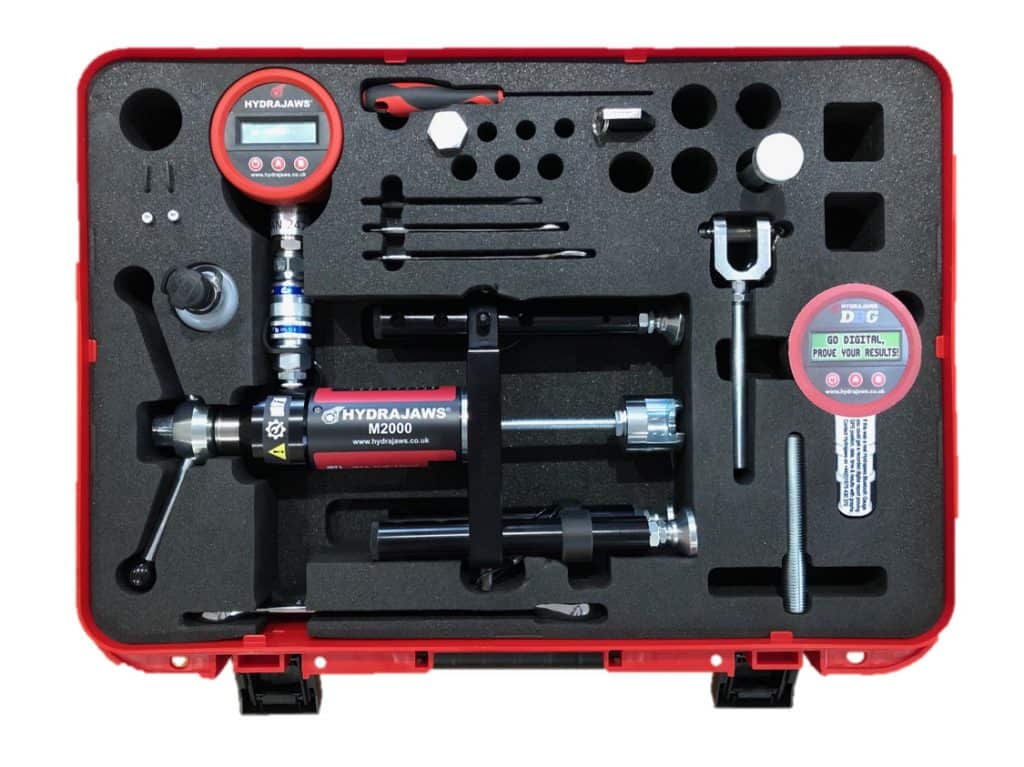
On all jobs, proof tests of scaffold ties are required. These proof tests are not designed to be a check on the manufacturer’s load test data, but a check that the anchors have been installed correctly (to the manufacturer’s recommendations) and that the substrate is capable of taking 1.25 times the working load of each anchor. Proof testing to 1.25 times the working load rather than just the working load gives a ‘safety factor’ to the installation of the anchor tie in the substrate.
A minimum of three anchors or 5% of the anchors installed (whichever is the greater number) are to be tested per scaffold. It is best practice to spread these tests around the scaffold, in particular if different anchors have been used in different sections or if these anchors have been installed by different teams. Should a scaffold tie fail a pull test, then the frequency of anchor testing doubles.
The frequency doubles again should a second anchor fails. Should more than two anchors fail, then 100% of the anchors require proof testing. It is advisable that the anchor used and the installation method are re-visited. Should this be required, then it is important to use a reputable anchor company with a strong technical department.
The Importance of Recording the Test Data
In line with BS 8539, the results of the pull tests need to be formally recorded and retained with the site documentation relating to the scaffold structure. Traditionally, these results were recorded manually, noting down the load achieved. As with many aspects of inspections and testing, a recent development is a digital way to record the results of these tests.
This digital method enables whoever performed the pull tests to show that they have complied with the testing element of BS 8539, not only in the load applied, but that the load was held for the specified length of time and collates the data into a site test report. These records are to be retained for the lifetime of the scaffold, not just the erection phase.
Keeping full records for on-site tie testing the lifetime of the scaffold as part of a Technical File on-site is not only good practice, but demonstrates that you as a scaffold company are professional, methodical and takes safety very seriously.
This article was first published in the ScaffMag Magazine Issue 9