The Health and Safety Executive (HSE) has warned bosses to safeguard their workers during extremely hot weather this summer.
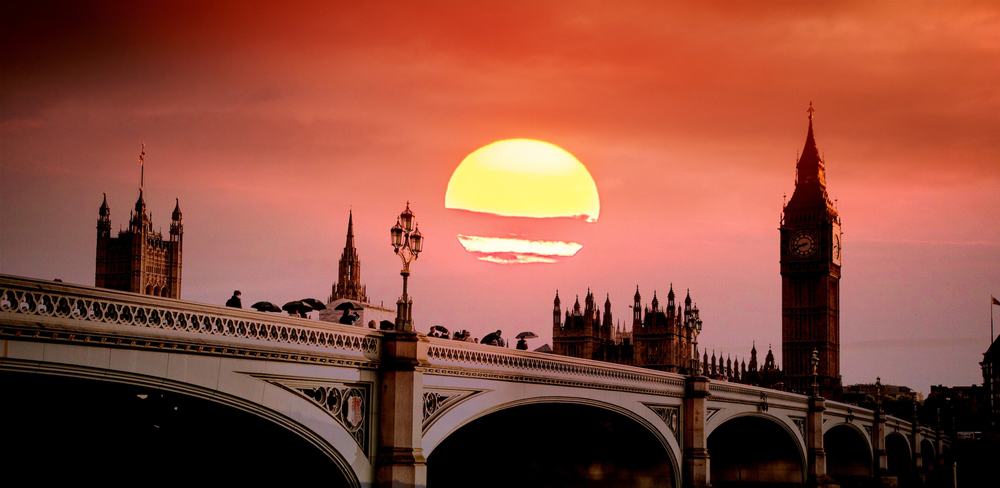
The warning was issued in response to the UK Health Security Agency and the Met Office’s yellow heat-health alert set for the upcoming days, from Friday, June 9 to Monday, June 12.
Last year, record high temperatures in Great Britain prompted an enormous rise in people seeking advice from HSE, with visits to its online hot weather working guidance skyrocketing by nearly a thousand per cent. The number of concerns related to hot weather reported to HSE also nearly doubled in July when temperatures exceeded 40oC for the first time in recorded history.
This year, the HSE wants employers to take preemptive action to protect workers from the scorching heat.
Although there’s no legal maximum temperature for workplaces, HSE emphasises that heat is a hazard and should be treated as such. The law mandates employers to assess risks to the health and safety of their workers, including risks from extreme weather conditions such as heat waves. HSE advises employers to have an open discussion with their workers to manage these risks better.
Simple and affordable measures proposed by HSE include ensuring workplace windows can be opened or closed to prevent hot air from circulating, using blinds or reflective film on windows to provide shade, and relocating workstations away from direct sunlight and heat sources.
Other measures include offering flexible work hours, providing free access to drinking water, and relaxing dress codes if possible.
A positive example set by Nottingham-based engineering firm, CNTL Ltd., which adapted to the changing climate by implementing measures like changing to LED lightbulbs that emit less heat and adjusting work hours to cooler times of the day.
John Rowe, HSE’s Head of Operational Strategy, issued a strong message to employers: “Last summer should have been a wakeup call for all employers. Climate change means we’re likely to get hotter summers and that could have a big impact on the workforce of this country, affecting everything from health of workers to productivity on construction sites. The extreme heat we experienced in 2022 isn’t going away so sensible, supportive employers will be planning now how they should respond.”