
Scaffolders urged to tighten safety as climate change brings fiercer storms

ADVERTISEMENT

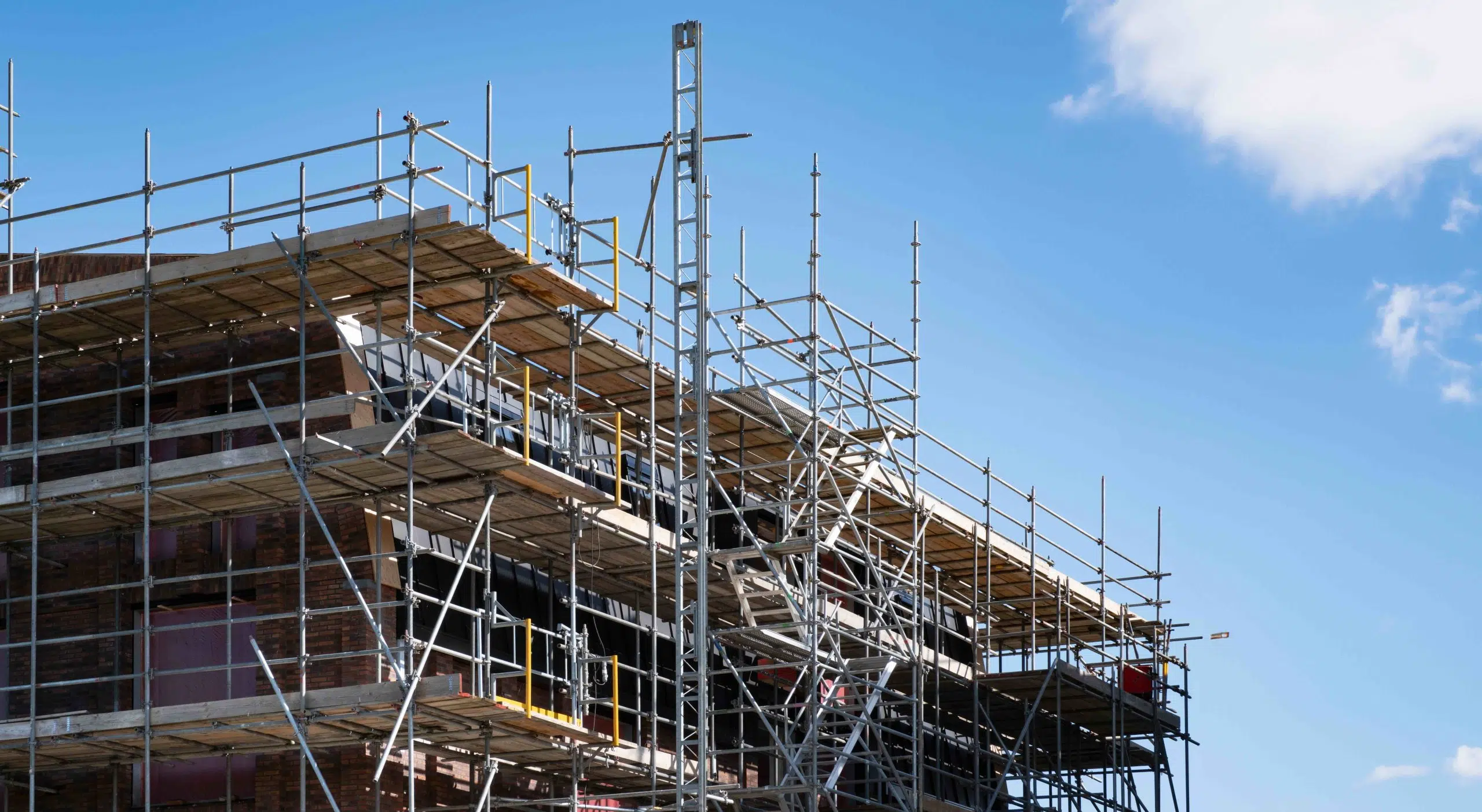
Extreme weather is exposing poor practices across the scaffolding industry, as insurance specialists urge contractors to tighten safety procedures in response to increasingly severe storms.

McCarron Coates, a commercial insurance broker specialising in scaffolding and roofing, has warned that recent high winds are revealing dangerous shortcuts and inadequate planning on sites across the UK.

Storm Amy brought 81mph gusts to parts of Britain in early October, and with more named storms expected throughout autumn and winter, the firm says contractors can no longer afford to cut corners.

“High winds, sometimes at speeds beyond those experienced in some parts of the UK in the past, are now an ever-present part of our lives under climate change conditions,” said Luigi Maggio, director at McCarron Coates. “There is nowhere to hide, if wind exposes a scaffolder’s work.”

The broker points out that properly designed, constructed and inspected scaffolding should withstand even the highest winds. When structures fail in extreme weather, it typically indicates problems in the design and construction process rather than the storm itself being to blame.

Failures can lead to multiple types of insurance claims: injuries from scaffold collapse, property damage from falling structures, and professional negligence suits against designers.

Whilst public liability, employer’s liability and professional indemnity insurance should cover such incidents, McCarron Coates warns that evidence of negligence could result in claims being denied. Contractors also risk prosecution by the Health and Safety Executive.

The HSE advises that no scaffolding work should be carried out when winds exceed 23mph (Force 5), as these conditions affect balance and heighten fall risk. For single-point systems, even greater caution is recommended, with a 20mph threshold advised.
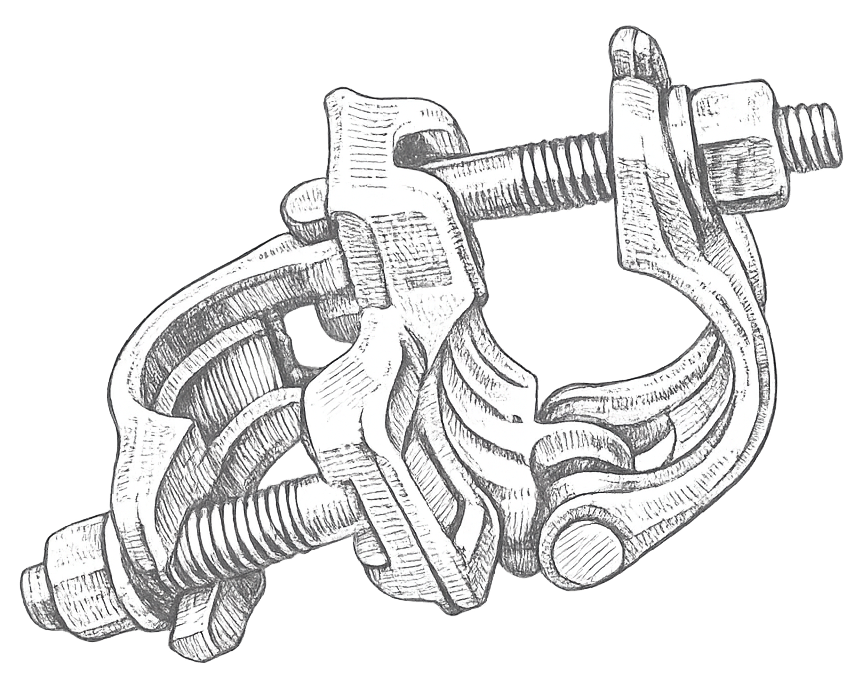
Common shortcuts that extreme weather can expose include mixing components from different manufacturers, failing to follow assembly guidelines, inadequate checks of mudsill anchorage or scaffold Ties, and using damaged components, such as cracked boards or rusted elements. Poor safety culture, where workers aren’t encouraged to report concerns, compounds these problems.

Planning and design failures present particular risks. Strength and stability calculations must be completed for any scaffolding that doesn’t conform to recognised standard configurations. Complex designs require competent persons to draw up assembly, use and dismantling plans, with documentation available to all workers on the project.

Foundation-level checks are frequently overlooked, according to McCarron Coates. Ground conditions, particularly areas with drains or rain-softened soil, may not support the weight of scaffolding structures. Similarly, attaching sheeting or netting to scaffolds not designed for these additions creates instability. Even when designs allow for sheeting, it must be fitted to become sacrificial in high winds, preventing suction forces from toppling the entire structure.

The firm emphasises that compliance with NASC’s TG20 guidance is essential for structures to withstand severe weather. The guidance enables contractors to determine maximum safe heights and proper configurations for scaffolding, sheeting and debris netting.

Post-storm inspections are equally critical. Following each weather event, competent persons must reinspect scaffolding structures, complete written reports, and implement corrective actions immediately.

Most popular ↑

Two workers killed in Spain after mast climbing platform collapse

Two workers have been killed following the collapse of...

Scottish offshore workers urged to consider scaffolding careers

The Construction Industry Training Board is targeting workers from...

Robot named Douglas begins work on Tilbury Douglas site

Tilbury Douglas has begun using a humanoid robot to...

NASC warns members over online conduct in new media policy

The National Access and Scaffolding Confederation said the new...

Latest news

Scaffolders urged to tighten safety as climate change brings fiercer storms

ADVERTISEMENT

Extreme weather is exposing poor practices across the scaffolding industry, as insurance specialists urge contractors to tighten safety procedures in response to increasingly severe storms.

McCarron Coates, a commercial insurance broker specialising in scaffolding and roofing, has warned that recent high winds are revealing dangerous shortcuts and inadequate planning on sites across the UK.

Storm Amy brought 81mph gusts to parts of Britain in early October, and with more named storms expected throughout autumn and winter, the firm says contractors can no longer afford to cut corners.

“High winds, sometimes at speeds beyond those experienced in some parts of the UK in the past, are now an ever-present part of our lives under climate change conditions,” said Luigi Maggio, director at McCarron Coates. “There is nowhere to hide, if wind exposes a scaffolder’s work.”

The broker points out that properly designed, constructed and inspected scaffolding should withstand even the highest winds. When structures fail in extreme weather, it typically indicates problems in the design and construction process rather than the storm itself being to blame.

Failures can lead to multiple types of insurance claims: injuries from scaffold collapse, property damage from falling structures, and professional negligence suits against designers.

Whilst public liability, employer’s liability and professional indemnity insurance should cover such incidents, McCarron Coates warns that evidence of negligence could result in claims being denied. Contractors also risk prosecution by the Health and Safety Executive.

The HSE advises that no scaffolding work should be carried out when winds exceed 23mph (Force 5), as these conditions affect balance and heighten fall risk. For single-point systems, even greater caution is recommended, with a 20mph threshold advised.

Common shortcuts that extreme weather can expose include mixing components from different manufacturers, failing to follow assembly guidelines, inadequate checks of mudsill anchorage or scaffold Ties, and using damaged components, such as cracked boards or rusted elements. Poor safety culture, where workers aren’t encouraged to report concerns, compounds these problems.

Planning and design failures present particular risks. Strength and stability calculations must be completed for any scaffolding that doesn’t conform to recognised standard configurations. Complex designs require competent persons to draw up assembly, use and dismantling plans, with documentation available to all workers on the project.

Foundation-level checks are frequently overlooked, according to McCarron Coates. Ground conditions, particularly areas with drains or rain-softened soil, may not support the weight of scaffolding structures. Similarly, attaching sheeting or netting to scaffolds not designed for these additions creates instability. Even when designs allow for sheeting, it must be fitted to become sacrificial in high winds, preventing suction forces from toppling the entire structure.

The firm emphasises that compliance with NASC’s TG20 guidance is essential for structures to withstand severe weather. The guidance enables contractors to determine maximum safe heights and proper configurations for scaffolding, sheeting and debris netting.

Post-storm inspections are equally critical. Following each weather event, competent persons must reinspect scaffolding structures, complete written reports, and implement corrective actions immediately.

Popular Categories

Latest posts

Scaffolding firms urged to review RIDDOR procedures as HSE consults on changes

The Health and Safety Executive has launched a consultation on proposed changes to the Reporting of Injuries, Diseases and Dangerous Occurrences Regulations 2013, known...

Scottish offshore workers urged to consider scaffolding careers

The Construction Industry Training Board is targeting workers from Scotland’s offshore energy sector as part of efforts to widen the construction talent pool and...

NASC warns members over online conduct in new media policy

The National Access and Scaffolding Confederation said the new Social Media and General Media Policy sets expectations for how its members, CISRS centres and...

Two workers killed in Spain after mast climbing platform collapse

Two workers have been killed following the collapse of a twin mast climbing work platform in Benidorm, Spain. The incident happened on Wednesday, 22 April,...

Brogan wins Manchester student accommodation access package

Brogan Group has secured the powered access package for a student accommodation building in Manchester. The access specialist will provide several passenger and goods hoists...

‘Not every scaffolder is ok’: Alan Osborn backs mental health campaign at ScaffChamp

Alan Osborn is set to shave his head at ScaffChamp 2026 as part of a campaign to raise £5,000 for men’s mental health and...

Baton opens early adopter programme for scaffolding contractors

Baton has opened applications for its Early Adopter Programme, giving scaffolding contractors early access to a software platform designed specifically for construction subcontractors. The company...

SCA joins Coriant in move to widen access and industrial services capability

Coriant has announced the acquisition of specialist contractor SCA, in a move that further expands the group’s capabilities in access, temporary containment and industrial...

Robot named Douglas begins work on Tilbury Douglas site

Tilbury Douglas has begun using a humanoid robot to carry out administrative and data-collection tasks on a live construction site. The contractor says the...

HAKI reports sharp UK sales drop as construction starts stall

The Swedish-listed scaffolding and access safety group said UK revenues fell to SEK 52 million (£4.2 million) in the three months to 31 March,...

Spring Issue #29 | Past issues >>

Latest topics

Most popular ⚡︎

Two workers killed in Spain after mast climbing platform collapse

Two workers have been killed following the collapse of...

Scottish offshore workers urged to consider scaffolding careers

The Construction Industry Training Board is targeting workers from...

Robot named Douglas begins work on Tilbury Douglas site

Tilbury Douglas has begun using a humanoid robot to...

NASC warns members over online conduct in new media policy

The National Access and Scaffolding Confederation said the new...

Related articles

ADVERTISEMENTS
More from
Latest articles

TRAD UK launches charity campaign supporting Epilepsy Action

TRAD UK has launched a new fundraising campaign in support of Epilepsy Action, the...

Scaffolding firms urged to review RIDDOR procedures as HSE consults on changes

The Health and Safety Executive has launched a consultation on proposed changes to the...

Scottish offshore workers urged to consider scaffolding careers

The Construction Industry Training Board is targeting workers from Scotland’s offshore energy sector as...

NASC warns members over online conduct in new media policy

The National Access and Scaffolding Confederation said the new Social Media and General Media...

Two workers killed in Spain after mast climbing platform collapse

Two workers have been killed following the collapse of a twin mast climbing work...

Brogan wins Manchester student accommodation access package

Brogan Group has secured the powered access package for a student accommodation building in...