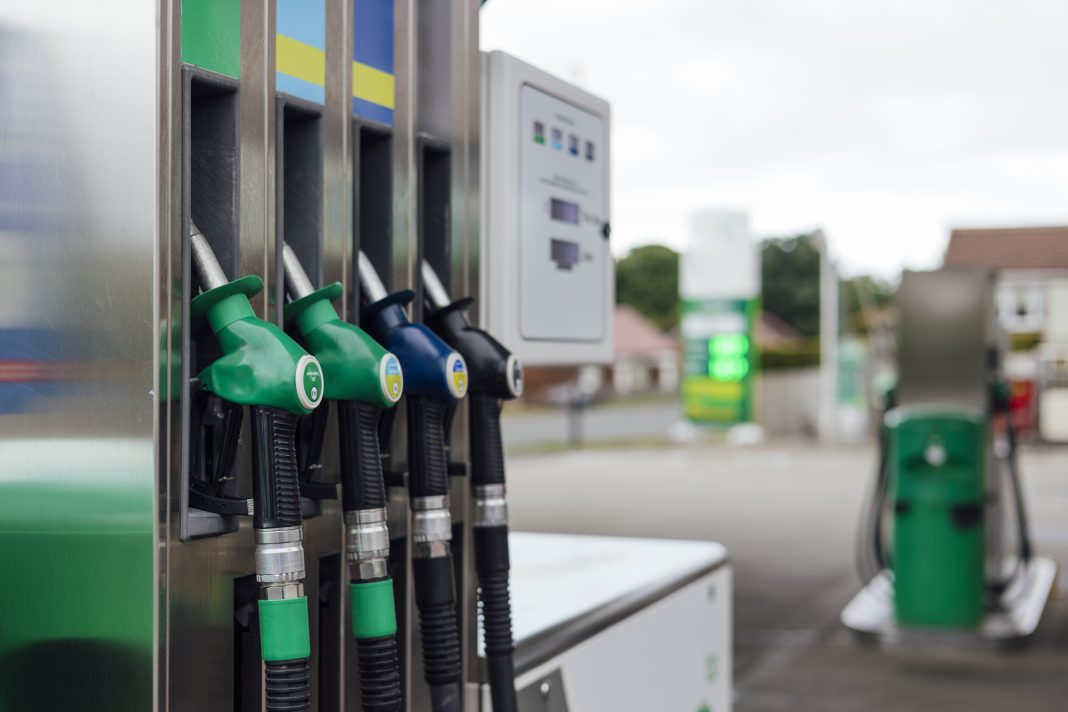
Rising fuel costs are continuing to hit scaffolding businesses across the UK, with many firms absorbing the increases rather than passing them on to clients, according to a new NASC industry survey.
The survey, carried out among NASC members and wider industry stakeholders, found that 49.2% of respondents had seen fuel costs rise by more than 20% so far this year.
A further 44% reported increases of between 11% and 20%, underlining the pressure on companies that depend heavily on vehicle fleets, site visits and material deliveries.
Respondents rated the impact of higher fuel costs on their businesses at an average of 7.2 out of 10.
Transport and vehicle costs were the main concern, cited by nearly 94% of respondents. More than half also said fuel prices were affecting profit margins and site visits, while delivery logistics and project pricing were also being hit.
Despite the scale of the increases, many firms said they had been unable to recover the added costs from clients. Some 57.1% said they had not passed on any of the increase, while just 1.6% said they had passed on the full cost.
Instead, companies said they were absorbing the pressure, planning delivery routes more carefully, cutting site visits where possible, and reviewing estimating and pricing.
The survey also found concern about further fuel rises, with businesses rating their level of concern at an average of 7.9 out of 10. More than 30% gave the highest possible rating.
Clive Dickin, Group CEO of NASC and CISRS, said the findings should concern the wider construction supply chain.
“Scaffolding businesses play a vital role in enabling construction, maintenance, refurbishment and infrastructure projects across the UK, yet many are being forced to absorb substantial increases in fuel costs at a time when margins are already under pressure,” he said.
“We are seeing a worrying number of insolvencies across the sector. Rising operating costs, combined with intense competition and limited ability to recover additional expenditure from clients, are creating real challenges for many businesses.
“The scaffolding and access sector is fundamental to the Government’s ambitions for economic growth, housing delivery and major infrastructure investment. If the UK is serious about meeting its building targets, it must recognise the pressures facing the businesses that make those projects possible.”
Mr Dickin said NASC wanted the Government to consider practical relief for construction and access firms, including fuel-related support, targeted tax measures or other support to help businesses remain resilient.
The findings add to wider concern about cost pressure across the scaffolding and access sector, particularly for firms with large fleets, labour-heavy site operations and contracts priced before recent cost rises took hold.