HSE inspectors are set to carry out 1000 inspections on construction sites in October and November after launching a campaign to combat serious aches, pains and strains.
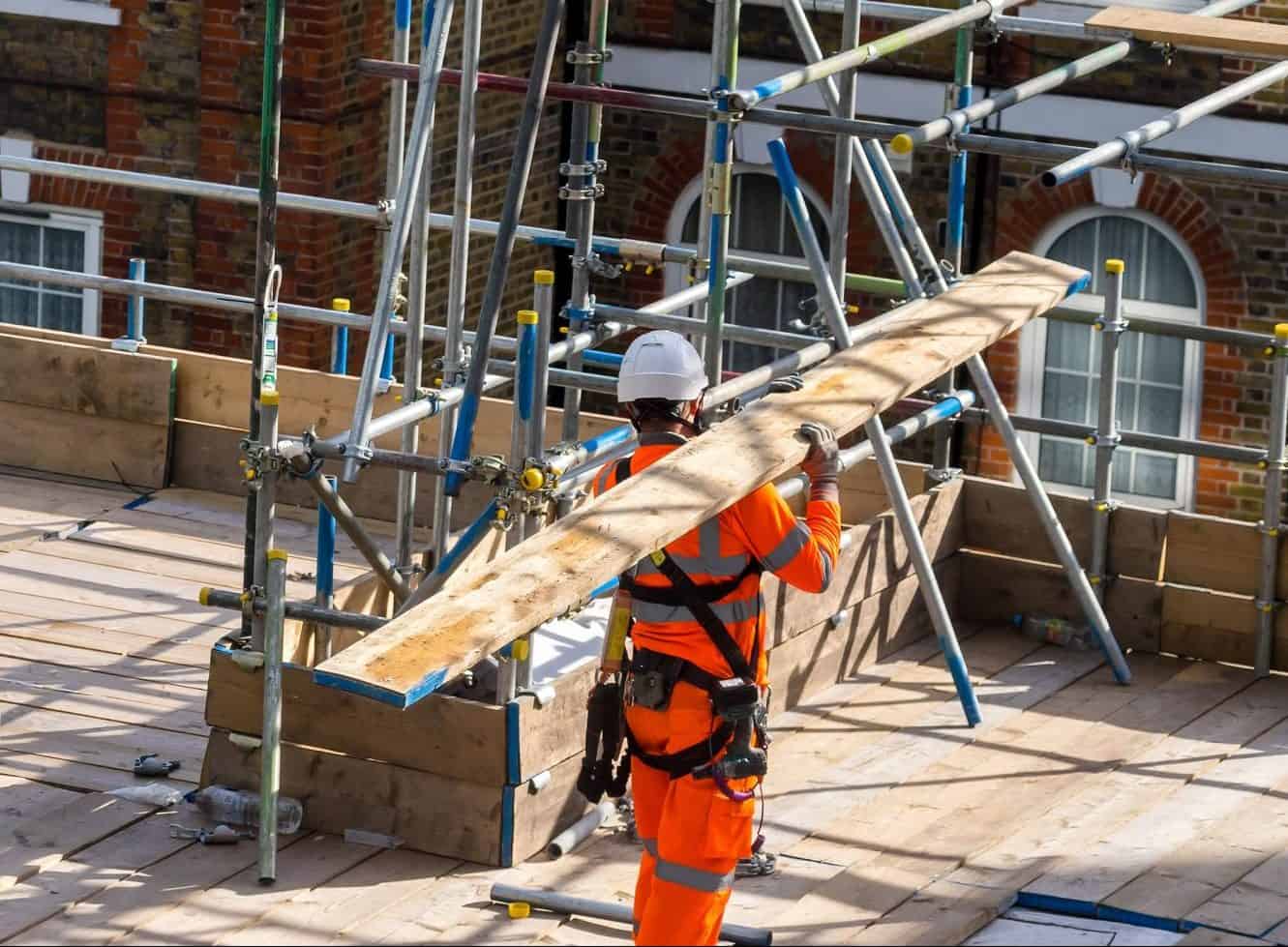
Inspectors from the HSE will be checking how workers are moving heavy or bulky materials on construction sites across the country.
Experts at the HSE are warning that the lifting and moving of heavy objects on construction sites are harming the health of thousands of workers to such a degree every aspect of their lives is affected.
The injuries and conditions picked up can stop them from working and leave them struggling to stand, walk, or sit down.
The law requires employers to prevent the ill health of their workers, which includes injuries to muscles, bones, joints and nerves that can develop over time, known as musculoskeletal disorders (MSDs).
However, recent figures show around 40,000 people in the construction industry suffer an MSD each year, which can cause years of agonising aches and pains.
The HSE states that moving and handling risks should be considered and prevented where possible at the design stage. Once on site and before work starts, employers should talk to workers about controlling existing risks to make sure that the right training, aids and equipment are there to prevent injuries.
If moving and lifting is managed properly, a physical job on a building site should not result in aches, pains and strains which affect every part of workers’ lives.
Matt Birtles, principal ergonomist at HSE, said: “Serious aches, pains and strains can affect every part of someone’s life. They can struggle to get themselves dressed and undressed, they can be unable to pick up their children or grandchildren.
“They can struggle to sit down and stand up, they can struggle to keep still and move around. The most intimate parts of their lives can be severely affected – they might be desperate to go the toilet but find themselves unable.
“It’s not something that many people feel comfortable talking about, perhaps particularly on a building site, but if your back has gone or if you’re in agony whenever you move your arms, measures need to be put in place to address the causes.”

HSE’s head of construction, Sarah Jardine said: “Inspectors are visiting a range of construction sites to check the action businesses are taking to ensure their workers are being protected.
“Everyone involved in construction has a role to play in keeping people safe. Risks must be managed where they can’t be prevented, and risk management arrangements must be reviewed frequently to ensure they are effective.
“We want everyone in the industry, from designers to contractors and their workers, to be aware of the risks associated with any moving or lifting task and put appropriate measures in place.
“This is a significant health issue for tens of thousands of construction workers and can lead to a lifetime of terrible aches and pains. The health of workers must be considered when planning construction work so that they can carry out their jobs without fear of injuring themselves, including being provided with the correct equipment to lift safely.
“Thankfully there are measures that can be taken to prevent injuries to muscles, bones, joints and nerves. Doing so is good for workers and good for the construction industry. It’s good for business.”