
The construction industry is facing significant concerns following a sharp increase in worker fatalities, with the latest figures from the Health and Safety Executive (HSE) revealing a troubling upward trend.
Last year, 51 construction workers lost their lives on the job, marking a rise from 47 deaths the previous year. These tragic incidents occurred across England, Wales, and Scotland. Over the past five years, the average annual number of fatalities in the construction sector was 42, highlighting a disturbing escalation in recent times.
Ruth Wilkinson, Head of Policy and Public Affairs at the Institution of Occupational Safety and Health (IOSH), described the increase as “significantly higher” than pre-pandemic levels. She emphasised the urgent need for the industry to learn from past incidents and implement more effective safety measures. “Lessons aren’t being learned,” Wilkinson stated. “Much more still needs to be done to protect workers.”
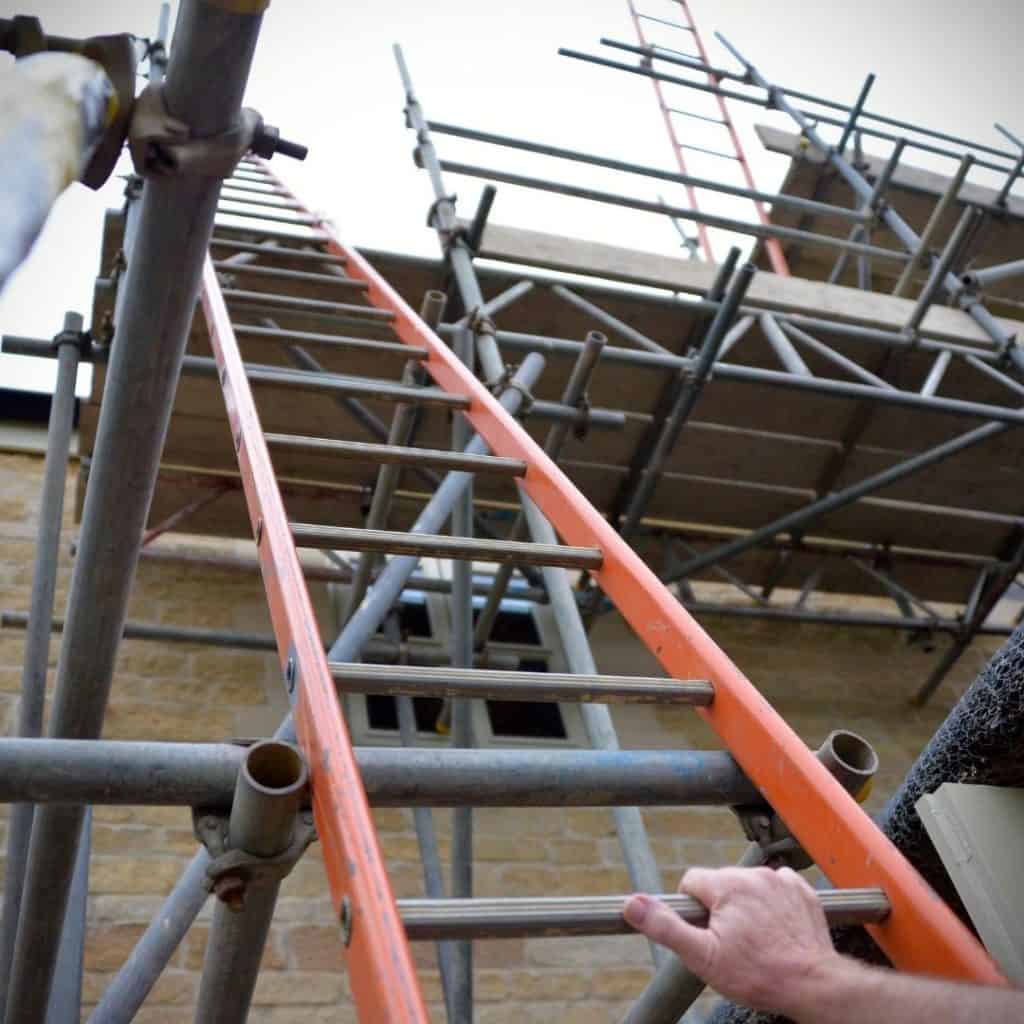
The construction sector continues to report the highest number of fatalities among all industries. Common causes of these deadly accidents include falls from height (50 deaths), being struck by a moving vehicle (25), being hit by a moving object (20), being trapped by something collapsing or overturning (15), and contact with moving machinery (8).
Wilkinson further stressed the necessity for immediate action: “This is a huge concern, and we need to see action taken to tackle this. Whichever party forms the new government must seek to protect and enhance health and safety standards, particularly across high-risk industries like construction.”
The IOSH official also called on businesses to take responsibility: “Businesses need to step up and ensure they have robust occupational health and safety management systems and control strategies in place to prevent accidents at work and reduce the chance of them happening. Providing a safe and healthy working environment isn’t just an add-on for a business. It is now a fundamental principle and right at work, as recognised by the International Labour Organisation.”
While the construction industry had the highest total number of fatalities, it did not have the highest fatality rate per 100,000 workers. Agriculture, forestry, and fishing sectors reported the highest rate at 7.51 deaths per 100,000 workers, followed by the waste and recycling sector at 3.88. The construction sector’s rate was 2.43.
Another alarming statistic revealed that a third of the fatalities were among self-employed workers, with 41% in construction, 65% in agriculture, forestry, and fishing, and 12% in manufacturing. Men accounted for 95% of the fatalities, with 89 deaths among workers aged 16-59 and 45 deaths among those aged 60 and over, despite the latter group comprising only 11% of the workforce.
These figures, recorded under the Reporting of Injuries, Diseases, and Dangerous Occurrences Regulations (RIDDOR), do not include work-related deaths on the roads, suicides, or deaths caused by work-related diseases, although HSE publishes separate data on certain occupational diseases such as mesothelioma.