
Ad
Tuesday, March 3, 2026

UK cement production falls to lowest level since 1950

ADVERTISEMENT

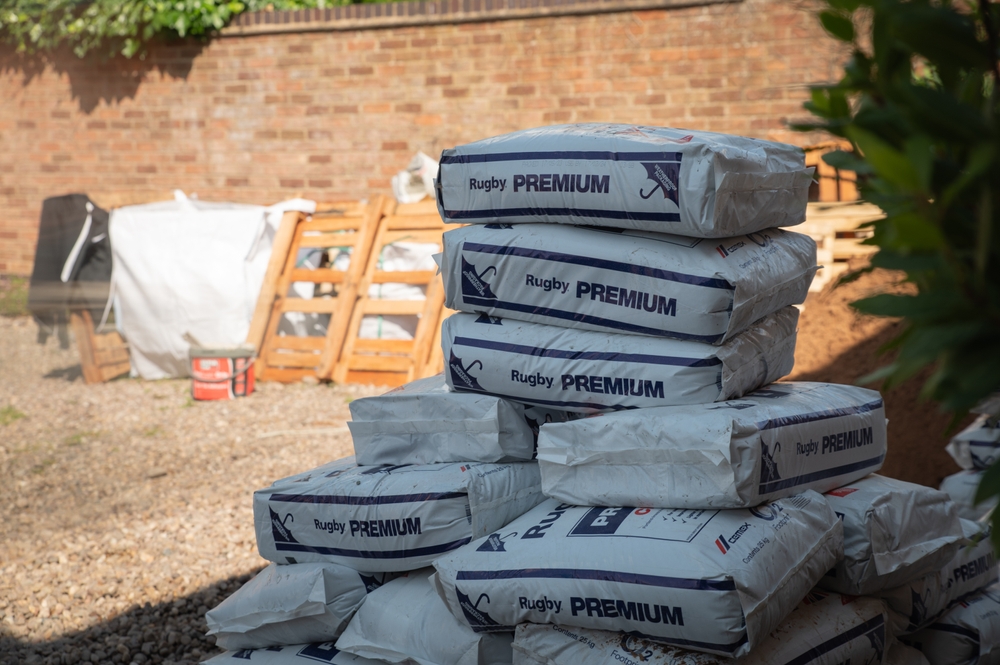
UK cement production has slumped to its lowest level in 75 years, raising concerns over the future of house-building and infrastructure projects.

The Mineral Products Association (MPA) said 7.3 million tonnes were produced in 2024 – roughly half the level of 1990.

At the same time, imports have climbed sharply, now making up almost a third of all sales.

The MPA warned the decline could threaten government construction targets, as cement is essential for foundations and structures.

Major projects highlight the scale of demand. Up to 750,000 tonnes of cement could be needed for Sizewell C, while a hospital typically requires nearly 8,000 tonnes. A traditional four-bedroom family home needs three to five tonnes.

Recent figures also showed ready-mix concrete sales hitting historic lows in the second quarter of 2025, with other materials down compared with the previous year.

Growing reliance on imports

Imports of cement have nearly tripled in 20 years, rising from 12% of UK sales in 2008 to 32% in 2024.

The MPA said this growing reliance increases exposure to volatile global markets and puts domestic jobs at risk.

Around 40% of UK cement is produced in the Peak District, with the rest spread across England, Scotland, Wales and Northern Ireland. The industry supports thousands of skilled jobs.

High costs for UK producers

Manufacturers argue they face some of the highest industrial electricity prices among developed countries, as well as tougher carbon costs than overseas competitors.

Unlike UK plants, many suppliers outside the EU do not pay the same charges for emissions.

The government plans to introduce a Carbon Border Adjustment Mechanism in 2027, aimed at levelling the playing field, but industry leaders say more immediate action is needed – including public procurement policies that favour UK production.

Call for government support

Diana Casey, executive director for cement and lime at the MPA, said:
“Cement is an essential industry, but the sector is increasingly under threat. We’re calling on the government to help put domestic production on a level playing field so that it can compete fairly with imports.

“Cement quite literally underpins the nation’s growth and we can’t deliver new homes, schools, hospitals, transport links or clean energy infrastructure without it. The UK has a choice: to build these vital projects with UK-made cement, or to build them with imports – sending jobs, investment and growth overseas.”

Most UK cement plants are already foreign-owned by firms including Cemex, Heidelberg, Holcim and CRH, raising further questions about the future of domestic output.

ADVERTISEMENT

Popular Categories

Latest news

Doka supports Denmark’s Storstrøm Bridge as 3.8km crossing nears completion

Denmark’s new Storstrøm Bridge is entering its final construction phase, with the 3.8km crossing set to become the country’s third-longest bridge when it opens...

If we achieve AGI, will we still need scaffolding?

Many scaffold firms worldwide are already using AI to analyse inspection records, flag anomalies, and reduce the administrative burden for site managers. It is...

IASA strengthens Asian presence as Taiwan and South Korea join global body

The International Access & Scaffolding Association has announced that the Taiwan Scaffold Development Association and the Korea Temporary Equipment & Engineering Association have joined...

Labour’s 1.5 million homes target faces scaffolder shortage warning

Labour’s pledge to build 1.5 million new homes over the course of this Parliament is facing fresh pressure amid warnings of a shortage of...

Subcontractor pay dips as weather hits sites but wider pressures loom

Self-employed tradespeople earned an average of £1,000 per week in January, according to analysis by Hudson Contract, which manages the industry’s largest payroll for...

Band of Builders releases six-month project list to boost volunteer support

Construction charity Band of Builders has released a six-month schedule of upcoming projects, aimed at encouraging tradespeople to commit time in advance. The registered charity...

Brace Yourself podcast launches with aim to lift scaffolding’s global voice

A new scaffolding-focused podcast has launched today with a clear ambition: to raise the profile of the industry while keeping conversations engaging and accessible. The...

IASA launches annual International Scaffolding and Access Day

The International Access & Scaffolding Association has formally launched International Scaffolding and Access Day, which will be celebrated each year on 14 May. The initiative...

Bilfinger wins long-term scaffolding services deal with Sweden’s Söderenergi

Bilfinger has signed a long-term framework agreement with Söderenergi AB to deliver scaffolding services across the Swedish district heating producer’s facilities. The companies said the...

NASC and CISRS expand globally with Malaysia national deal

The National Access & Scaffolding Confederation and Construction Industry Scaffolders Record Scheme have signed their first-ever national licensing agreement with an entire country, marking...

Latest news

Magazine

Winter Issue #28 | Past issues >>

Popular

Labour’s 1.5 million homes target faces scaffolder shortage warning

Labour’s pledge to build 1.5 million new homes over...

If we achieve AGI, will we still need scaffolding?

Many scaffold firms worldwide are already using AI to...

Doka supports Denmark’s Storstrøm Bridge as 3.8km crossing nears completion

Denmark’s new Storstrøm Bridge is entering its final construction...

IASA strengthens Asian presence as Taiwan and South Korea join global body

The International Access & Scaffolding Association has announced that...

Subcontractor pay dips as weather hits sites but wider pressures loom

Self-employed tradespeople earned an average of £1,000 per week...

Related articles

Latest topics

Subcontractors stay upbeat despite seven-year low in project volumes

Subcontractors across the UK and Ireland remain optimistic about...

Doka supports Denmark’s Storstrøm Bridge as 3.8km crossing nears completion

Denmark’s new Storstrøm Bridge is entering its final construction...

If we achieve AGI, will we still need scaffolding?

Many scaffold firms worldwide are already using AI to...

IASA strengthens Asian presence as Taiwan and South Korea join global body

The International Access & Scaffolding Association has announced that...
ADVERTISEMENTS