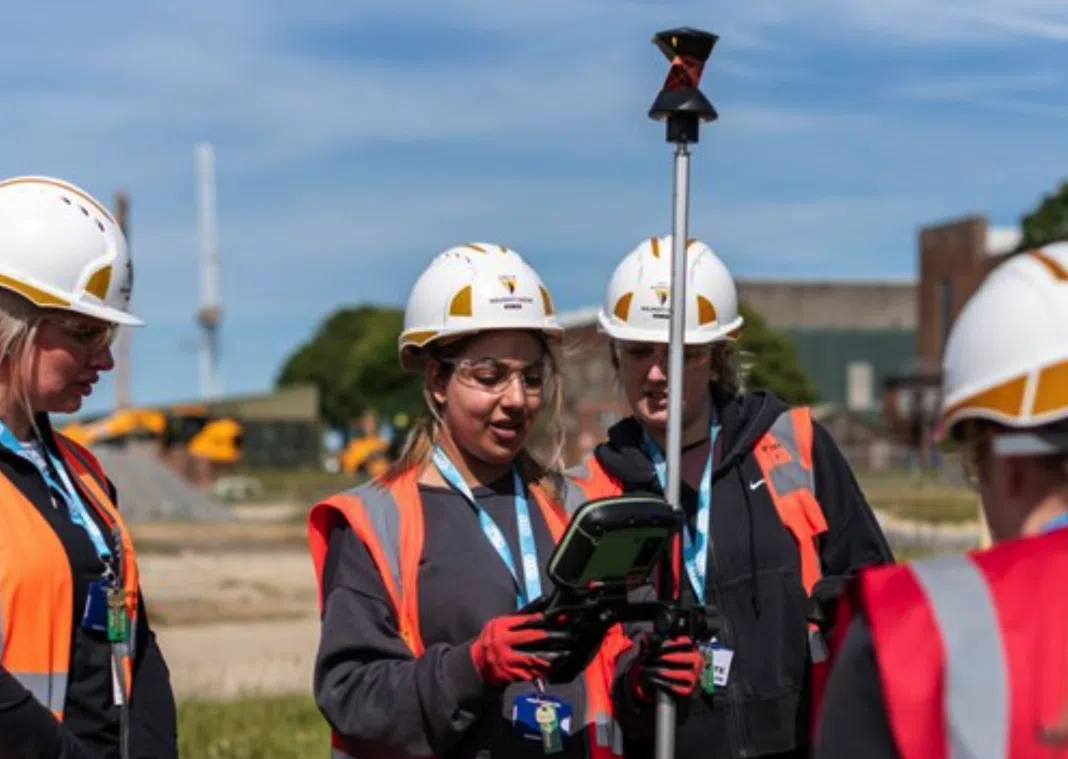
The number of women completing construction apprenticeships has more than tripled since 2018, according to new figures from the Construction Industry Training Board (CITB).
CITB said the number of women starting construction apprenticeships rose from 1,450 in 2018 to 2,410 in 2025.
Over the same period, the number completing an apprenticeship increased from 340 to 910.
The training body said the figures were a sign of progress, but warned that more needed to be done to ensure women stayed in the industry after training.
CITB said this included improving access to training, creating clearer progression routes and supporting workplace cultures that help people build long-term careers.
The figures come as construction continues to face a major skills shortage. CITB’s Construction Workforce Outlook has said the industry needs 47,000 additional workers each year to meet demand.
CITB said it was supporting training and work placements through its Onsite Experience hubs, which are designed to connect local people with construction employers.
As part of that work, The Skills Centre has trained 182 women through its Onsite Experience hub programme to help them secure jobs in the industry, CITB said.
The latest figures also come amid wider calls for action to improve gender equality in construction. A recent report by the Women and Work All-Party Parliamentary Group looked at ways to remove barriers for women entering the sector.
Deb Madden, Executive Director for Customer Engagement and Operations at CITB, said: “It’s really encouraging to see the continued increase of women starting and completing construction apprenticeships.
“It’s important that, as an industry, we retain these women and ensure their apprenticeships translate into long-term, secure job opportunities.”
She added: “Across the industry, we need to establish a culture that ensures it seeks to understand and meet the needs of people of all backgrounds.
“We need employers to establish clear and accessible pathways for a diverse range of candidates to learn and progress, making it more attractive for them to stay in the industry, and ensure all employees have a good work-life balance.”