|
Getting your Trinity Audio player ready...
|
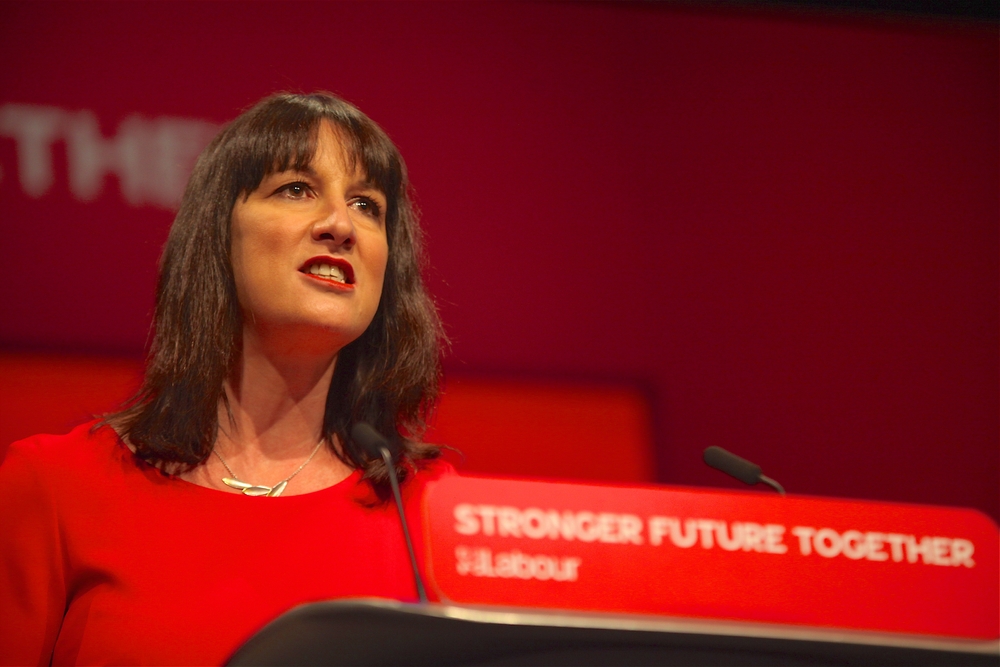
Construction leaders have offered a mixed response to Chancellor Rachel Reeves’ Spring Statement, with industry bodies warning that the government missed an opportunity to introduce measures to support housebuilding and construction growth.
The chancellor used the statement to reaffirm the government’s ambition to deliver 1.5 million new homes during this Parliament. However, several industry groups said the announcement offered little in the way of new policy or immediate support for the sector.
Rising employment costs remain a concern
The Construction Plant-hire Association (CPA) said the housing commitment was positive but warned that rising employment costs could affect the ability of firms to recruit and invest.
Steve Mulholland, chief executive of the CPA, said plant hire companies, which support construction projects across the country, are facing increasing pressure from tax and employment changes.
“With unemployment forecast to peak later this year, now is the moment to strengthen industries like construction that drive jobs, productivity and regional growth,” he said.
Mulholland noted that many plant hire companies are family-run businesses now dealing with higher employer national insurance contributions, rising wage costs and potential tax changes that could affect business succession.
He warned that policies increasing the cost of employment and investment could make it harder to deliver major construction programmes if they are not balanced with support for industry growth.
Small builders call for stronger action
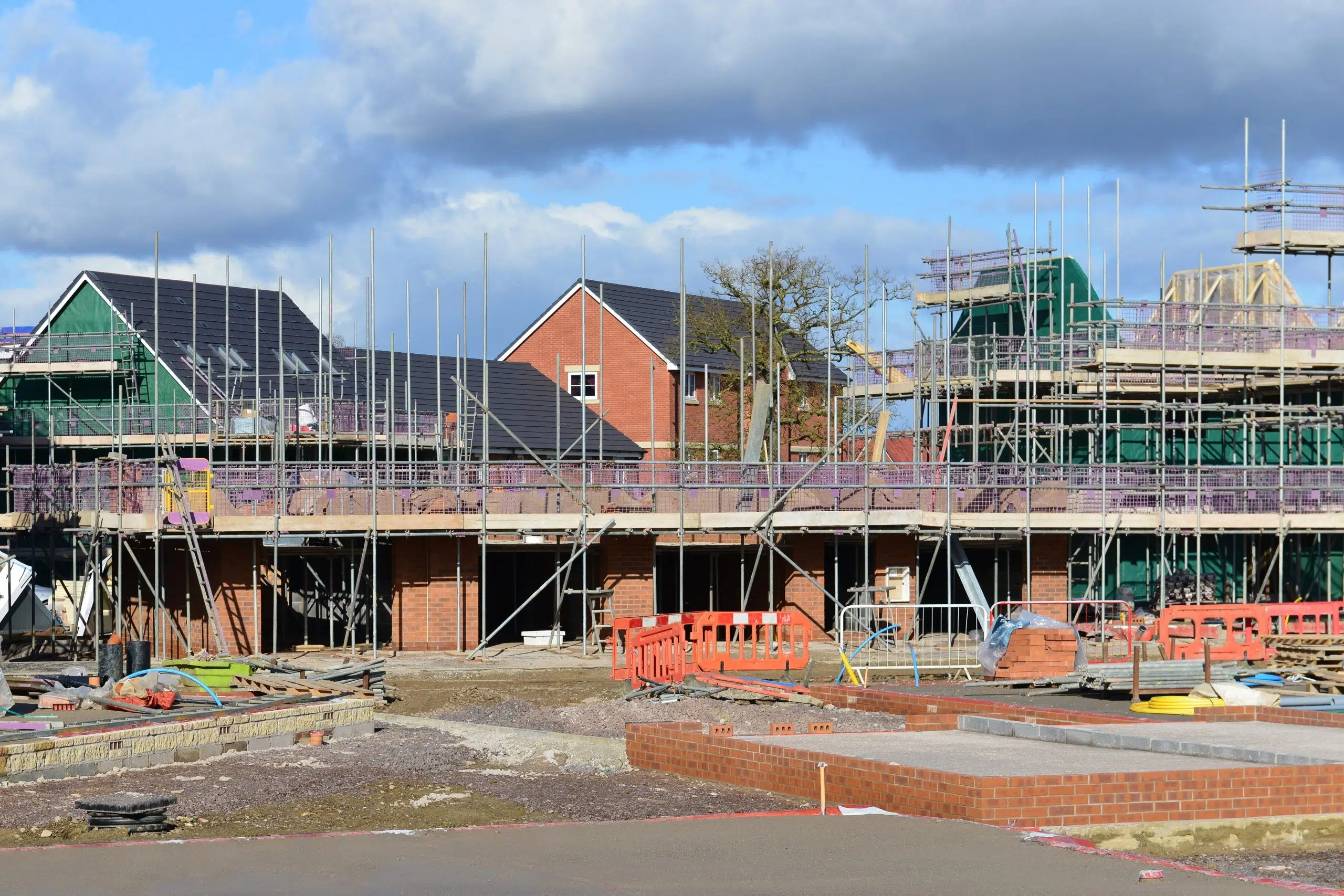
The Federation of Master Builders (FMB) also criticised the statement, saying it failed to introduce measures needed to stimulate housebuilding.
Brian Berry, chief executive of the FMB, said the government had missed an opportunity to support small and medium-sized builders.
“Today’s Spring Statement was a missed opportunity to deliver the decisive action the construction industry urgently needs,” he said.
“While the Chancellor focused on reiterating previous announcements, small builders were left waiting for the practical measures that would unlock growth, boost housebuilding, and drive progress on retrofitting the UK’s homes.”
Berry said commitments to support apprenticeships and employment were welcome but argued that the sector needs clearer policies and funding to translate ambition into jobs and skills.
Without stronger support for SMEs, he said, the government risks failing to deliver the homes the country needs.
Economic outlook adds uncertainty
Economic analysts have also highlighted broader uncertainty surrounding the outlook for construction.
Karl Horton, data services director at the Building Cost Information Service (BCIS), said the Office for Budget Responsibility’s downgrade in UK growth projections could affect investor confidence.
The OBR now forecasts GDP growth of around 1.1% in 2026.
Horton also warned that geopolitical tensions could influence construction costs, particularly following recent conflict in the Middle East.
“Prolonged unrest in the Middle East raises risks for input construction costs,” he said.
A rise in energy prices could increase transport and materials costs for contractors and subcontractors, placing upward pressure on tender prices and potentially delaying investment decisions.
NASC calls statement “anodyne”

The National Access and Scaffolding Confederation (NASC) said the statement provided stability but lacked significant policy direction.
Clive Dickin, group chief executive of NASC and CISRS, said the government’s decision to move to a single major fiscal event each year meant the Spring Statement contained few major policy announcements.
“This means that her statement yesterday was anodyne and lacked any major policy announcements or tax changes,” he said.
Dickin added that the statement failed to acknowledge how geopolitical tensions could quickly change the economic outlook.
He warned that conflict in the Middle East could affect inflation, borrowing costs and wider economic conditions, potentially making existing economic forecasts outdated.
Planning reform and housing delivery
Planning reform also remains a key issue for housebuilders.
Rico Wojtulewicz, director of policy and market insight at the National Federation of Builders (NFB), said changes to planning policy will take time to feed through into new development.
He said building 300,000 homes a year by 2030 may be achievable, but warned the government’s wider target of 1.5 million homes could be difficult to meet without stronger support for the sector.
For the scaffolding industry, housing and infrastructure projects remain major drivers of demand.
Industry leaders have already warned that thousands of additional scaffolders will be needed to support future construction activity, particularly if the government’s housing ambitions are to be realised.
Taken together, the industry reaction suggests cautious optimism but clear concern that the Spring Statement offered stability rather than the decisive measures many businesses were hoping for.