|
Getting your Trinity Audio player ready...
|
Sean Pike on transforming an industry one system project at a time
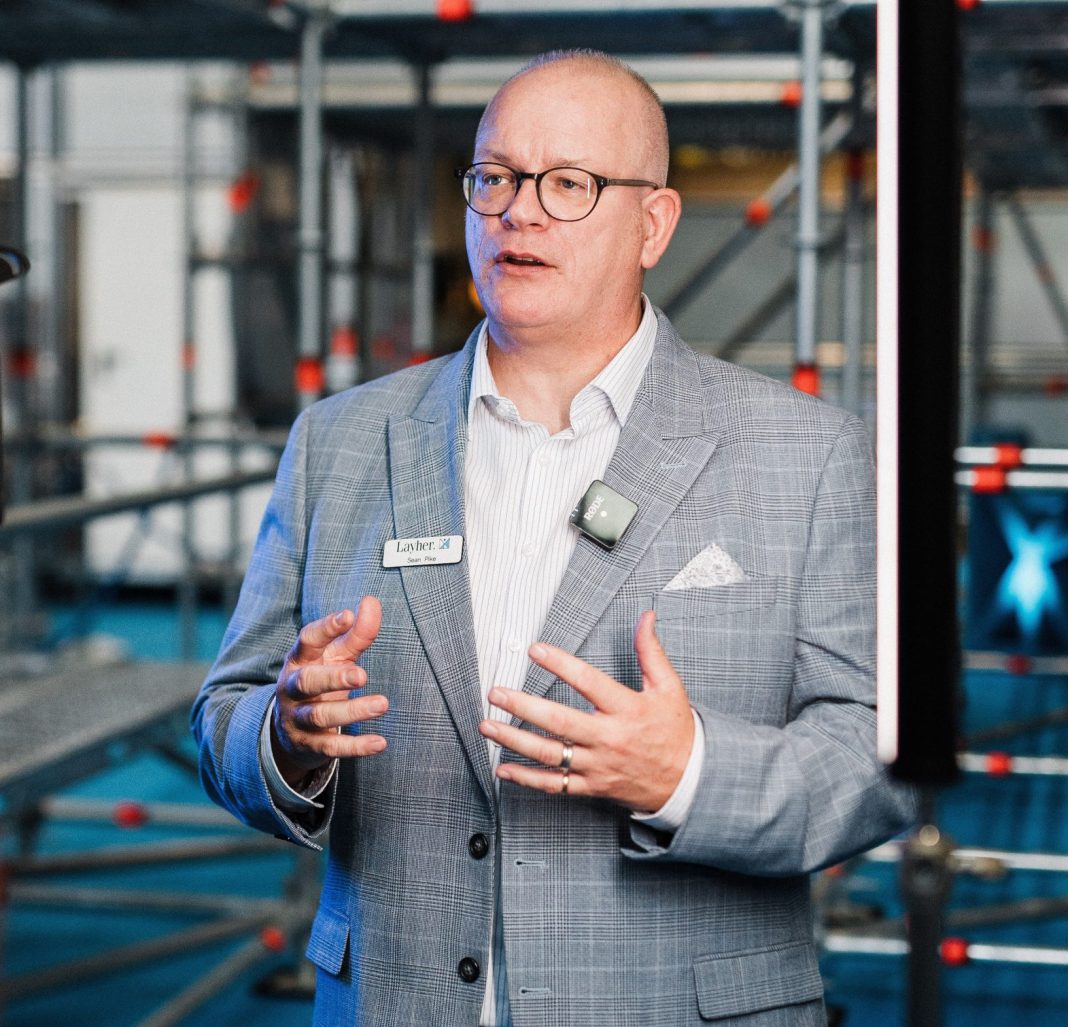
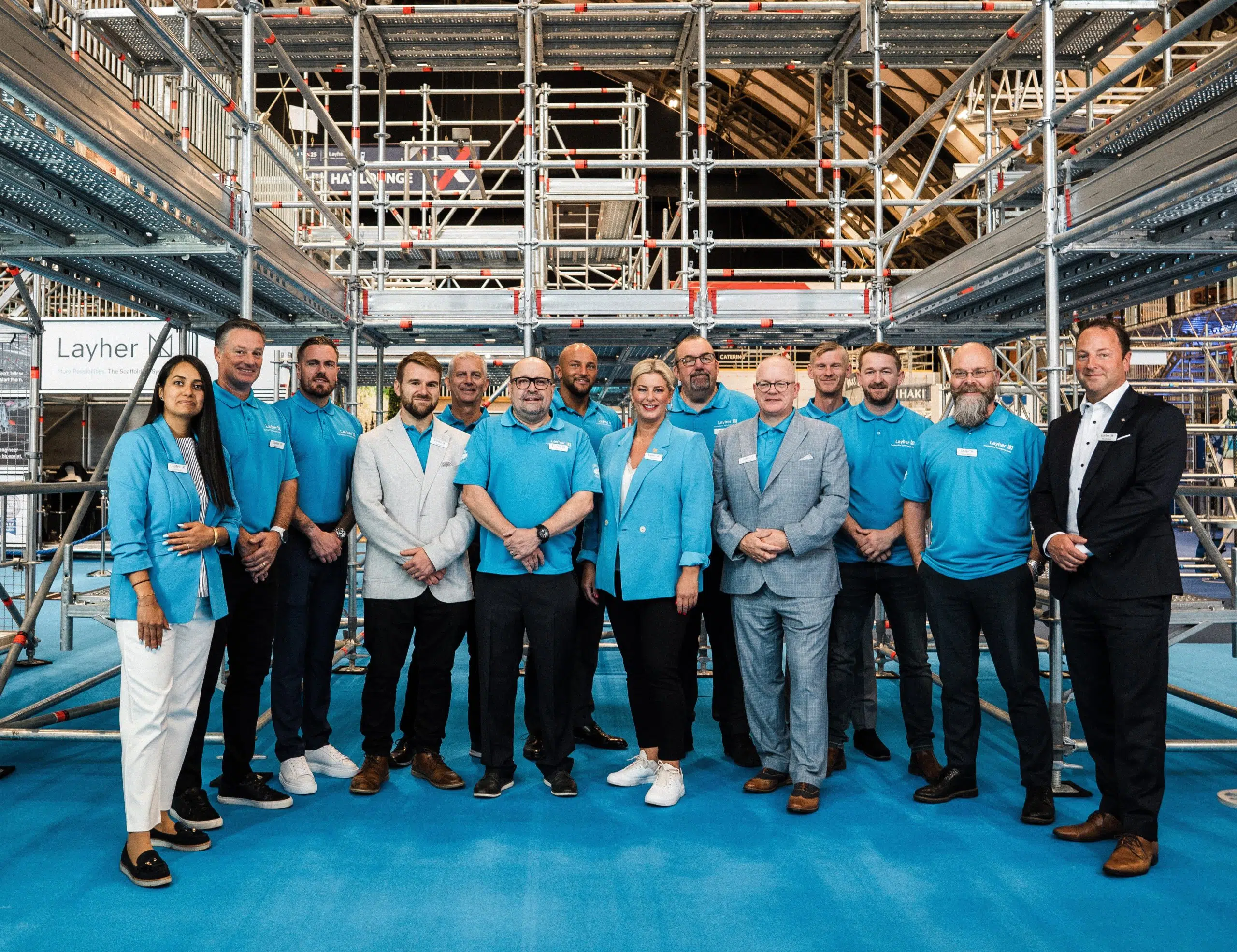
Standing amid the impressive Layher UK display at ScaffEx25, Managing Director Sean Pike surveys what represents more than just exhibition scaffolding – it’s the physical manifestation of a 26-year mission to help transform British construction. As headline sponsor of the industry’s premier event, Layher UK’s commitment extends beyond marketing into a deeper vision of where the sector is heading.
When Pike joined Layher UK over two decades ago, system scaffolding was virtually invisible in the British market. Today, it stands as a cornerstone technology trusted on the nation’s most complex and iconic projects.
This transformation didn’t happen overnight – it’s the result of persistent vision, strategic partnerships, and an unwavering belief that construction could be safer, faster, and far more efficient.
From Revolutionary to Essential
Pike’s journey began with a seemingly impossible task: convincing an entire industry to abandon generations of scaffolding tradition. “When I first started my journey at Layher UK, my vision was simply to get system scaffolding accepted throughout the UK and not just in Scotland — to prove it had a place in a market dominated by tube and fitting,” he reflects. “It was seen as a European concept that just would not translate here.”
The resistance was formidable and deeply rooted. “The greatest barrier was tradition. Traditional tube and fitting scaffolding had been the only way for many generations, and contractors were naturally sceptical of change. There were misconceptions that system scaffolding was more expensive, less versatile, deskilling scaffolders or just ‘not British.'”
But Pike understood that overcoming this resistance required more than superior products, it demanded a complete reimagining of customer relationships. “Overcoming that meant more than selling equipment — it meant building trust, training operatives, and embedding support services,” he explains.
“In 10 years, I believe system will move towards being the default choice on most major projects, representing say 50% of the market, maybe more!”
His approach was methodical and industry-focused. As a long-time NASC member and Chair of the Hire, Sales and Manufacture Committee (now the Supplier Committee), Pike helped introduce the product audit system that became NASC Compliant Product, giving contractors confidence in safety and quality. Through the former ASITO committee, he also pushed for CISRS systems training to ensure the workforce was properly skilled.
“Those steps-built credibility,” he says. “Slowly, through action and proof, we shifted mindsets from resistance to acceptance.”
Proving the Concept Through Landmark Projects
The transformation from scepticism to acceptance didn’t happen overnight – it came through gradual wins and high-profile project successes that demonstrated system scaffolding’s capabilities. Each victory-built momentum for the next, creating an unstoppable tide of industry acceptance.
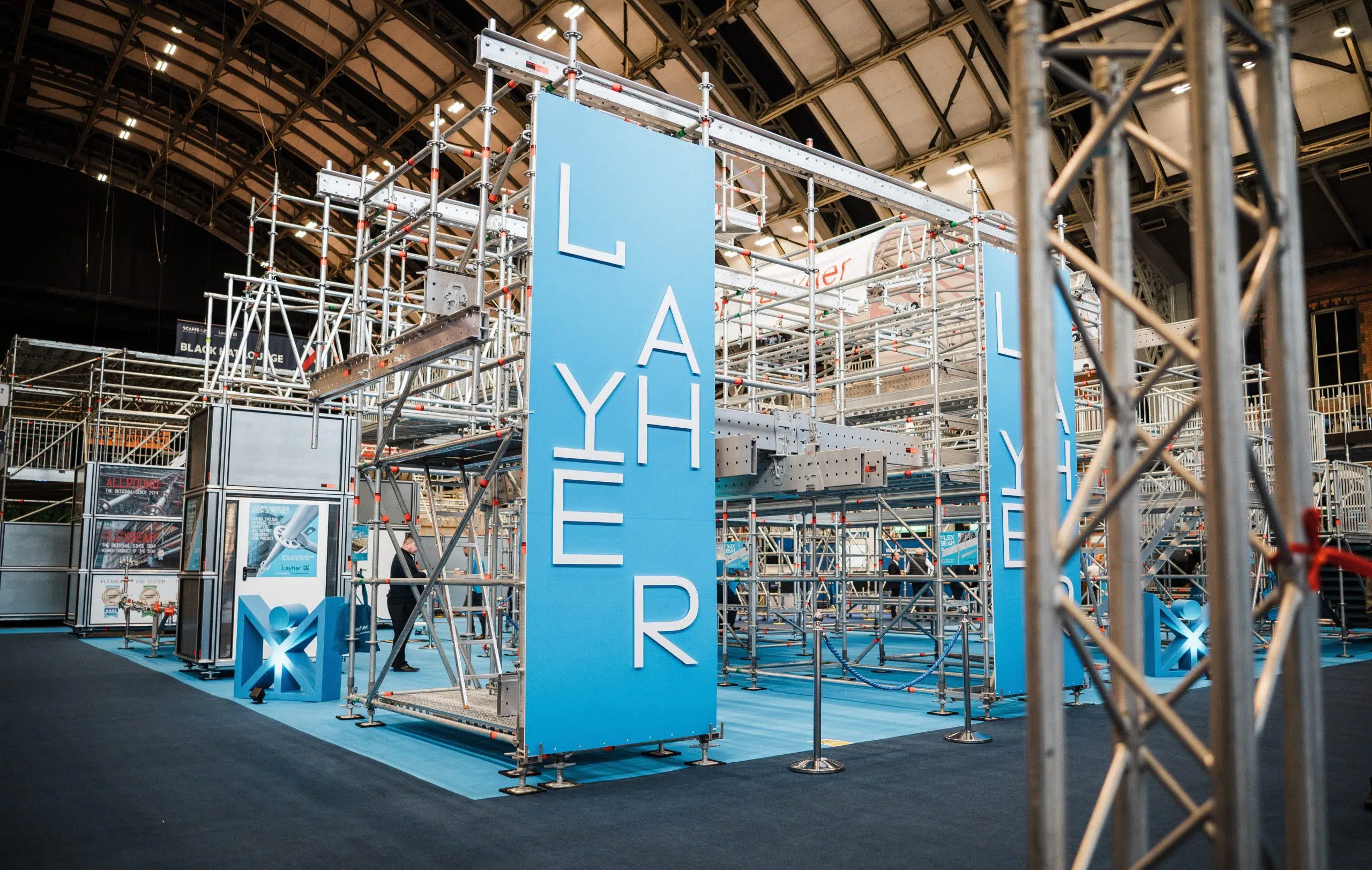
Drax power station emerged as a pivotal moment. “At Drax power station, for example, we showed with our client that outages could be reduced significantly, saving clients huge amounts of time and money,” Pike recalls. This success opened doors to other complex industrial applications.
“At Grangemouth, with tanks and sphere scaffolding, we proved system could handle complex industrial challenges. Those landmark projects became springboards for wider industrial acceptance.”
Pike’s strategy extended beyond heavy industry to embrace a broader market. “From there, we worked closely and initially with London and south-east based independent scaffolding companies and forward-thinking housebuilding scaffold companies, demonstrating how system scaffolding dovetailed perfectly with systemised timber frame construction and high-rise buildings.”
The momentum continued with increasingly high-profile wins. The London Olympics in 2012 positioned Layher as synonymous with world-class temporary structures, while the scaffolding solution on the world’s most photographed building the Elizabeth Tower (Big Ben) in 2018 showcased the adaptability and engineering capability of Layher’s system scaffolding in heritage applications.

“Since then, we’ve consistently proven that system scaffolding isn’t just about square boxes — with bespoke design, technical knowledge, and on-site support, it adapts to heritage, infrastructure, and construction challenges alike,” Pike emphasises.
The key throughout was Pike’s holistic approach to customer support. “We didn’t just sell them kit — we trained their people, supported them technically, and rolled up our sleeves alongside them. Once they saw the speed, safety, and commercial benefits for themselves, the system sold itself. In effect, as per our core values, Service, Support, Solutions & Supply.”
Today’s Market and Tomorrow’s Opportunity
This patient approach has yielded impressive results. Pike estimates system scaffolding now represents approximately 25% of the UK market, though he notes it’s difficult to measure precisely. “The System scaffolding market is hotly contended and measuring it is not easy. Everyone will have their own take on this, as system roofs, stairs and loading bays are often standalone items, but come under the system banner.”
In certain sectors, industrial, infrastructure, and events – system scaffolding dominance is far more pronounced. Looking ahead, Pike sees dramatic growth potential. “Over the next decade, I expect that share to double,” he says. “In ten years, I believe system will move towards being the default choice on most major projects, representing say 50% of the market, maybe more.”
The drivers behind this growth are clear. “General acceptance, rising labour costs, skills shortages [sadly] and increased safety demands mean efficiency is no longer optional, and system scaffolding answers that need.”
Industry Leadership Through Collaboration
Pike’s vision extends beyond Layher UK’s commercial success to encompass industry-wide development. The company has committed to headline sponsorship of ScaffEx for the next few years, reflecting Pike’s broader industry philosophy. Rather than viewing competitors as threats, he sees collective benefit in raising industry standards.
“It represents our commitment not just to Layher, but to the entire scaffolding industry. ScaffEx is about raising standards, creating a platform for innovation, and showcasing the professionalism of the trade,” he explains.
This long-term commitment signals something deeper than marketing strategy. “By sponsoring it, we’re putting our weight behind collaboration and education, not just competition. The future of scaffolding relies on attracting new talent, embracing innovation, and driving professionalism.”
Addressing the Industry’s Greatest Challenge
Pike’s industry-first mentality extends naturally to addressing construction’s most pressing issue: the skills shortage. He sees system scaffolding as part of the solution to Britain’s workforce crisis, offering both immediate efficiency gains and longer-term career attractiveness.
“System scaffolding helps in two keyways,” he explains. “First, it requires fewer operatives and less manual handling, and with Layher lightweight less musculoskeletal disorders in later life, which means contractors can achieve more with smaller teams. Second, it makes scaffolding a more attractive career.”
The professionalisation aspect is crucial for long-term industry health. With CISRS training, operatives gain structured career pathways, while system scaffolding shifts focus on planning, precision, and engineering. “That makes it appealing to a wider pool of new entrants. At a time when labour is scarce, system scaffolding is part of the solution.
This evolution toward more skilled, technical work naturally leads to Pike’s vision of technology’s expanding role in the industry.
Embracing Digital Transformation
Pike envisions scaffolding’s future as fully integrated with digital construction methodologies. “It’s already happening, digital planning and BIM already reduce errors, save time, and improve safety.”
Layher UK is already implementing these digital solutions. “And this year we additionally launched SIM2Field for our products – a free app for our clients that combines 3D, VR & AR replacing paper as the way forward when constructing scaffolds,” Pike explains.
“I still believe in rolling up my sleeves and leading from the front alongside my team.”
But his vision extends beyond current capabilities to encompass broader industry transformation. “Automation will increasingly affect logistics and prefabrication, removing repetitive manual tasks. Sustainability is non-negotiable, our system already reduces waste compared to traditional methods, and our steel decks come with a sustainability certificate – but we must continue to innovate in materials, lifecycle efficiency, and solutions.”
Leadership Evolution and Company Culture
As the industry has evolved, so has Pike’s leadership approach. The challenges of building market acceptance have been complemented by the more recent pressures of increased competition and market maturation.
“In the beginning, I was very hands-on — I had to be, we were a small team. It was about proving the product and the business. Over the years, I’ve learned that success comes from building a strong team.”
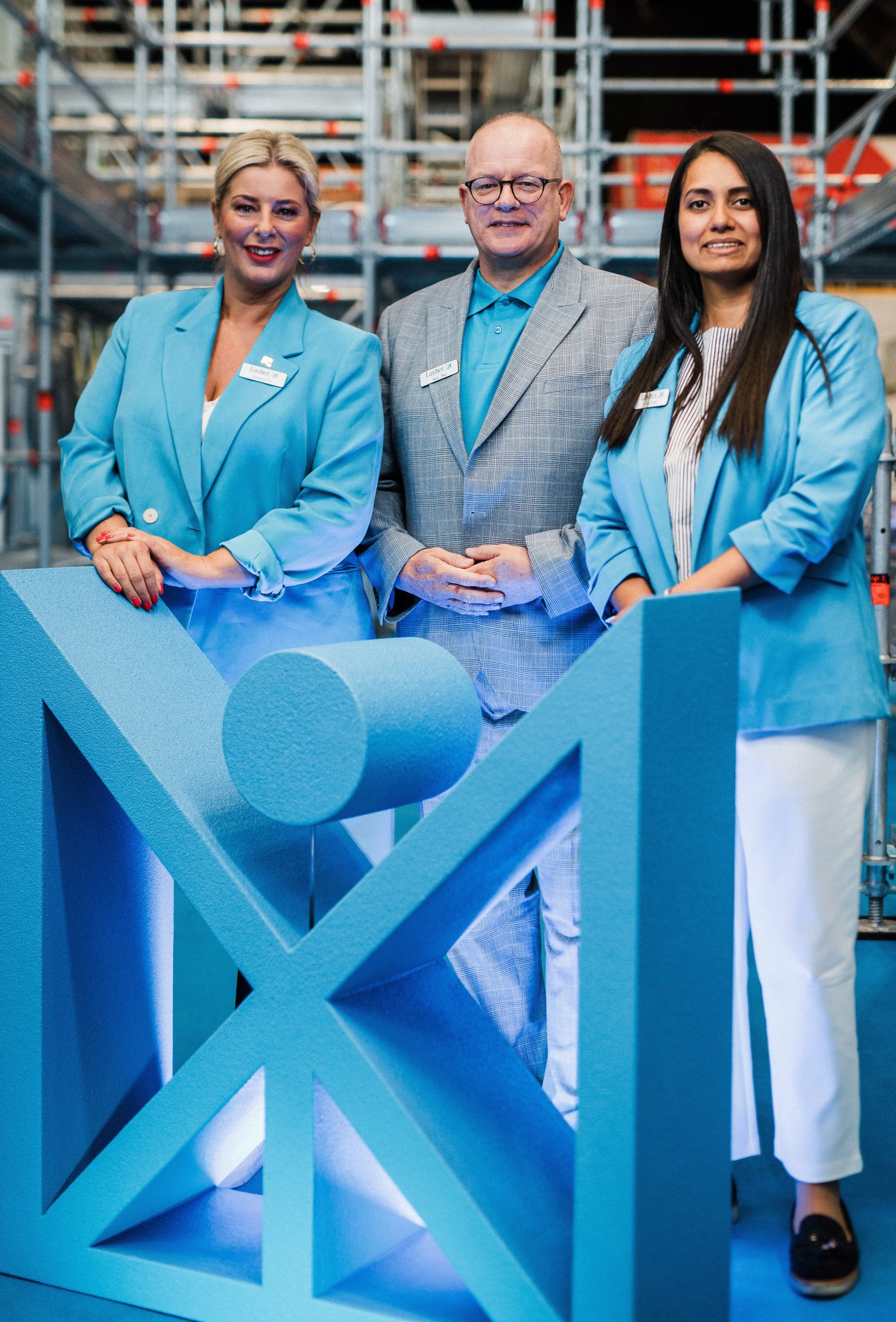
Increased competition has refined his strategic thinking rather than undermining it. “My style now is more about empowering people, creating a culture of resilience, and ensuring the right people are on the bus. Competition has sharpened us; it’s reinforced that price alone doesn’t win. Service, strategic partnerships, technical solutions, training, stock holding delivery and most importantly, trust are what set us apart.”
The company’s core message – Service, Support, Solutions & Supply – represents more than marketing rhetoric in Pike’s leadership philosophy. “Our 4 x S message is not just marketing; we actively deliver this continuously. And when challenges come, I still believe in rolling up my sleeves and leading from the front alongside my team.”
Reflecting on Transformation and Legacy
Pike’s assessment of the transformation journey reflects measured optimism about continued progress. “It shows that transformation is possible in even the most traditional sectors. When I started, system scaffolding was almost invisible in some areas of the UK. Today, it’s trusted on the country’s largest, most complex, and most iconic projects.”
This evolution mirrors broader construction industry trends toward systematised, technology-enabled methods. “That shift mirrors what’s happening across British construction: smarter, safer, systemised methods are becoming the norm. For me, Layher’s journey shows that innovation can take root if you stick with it, be resilient, back it with the right people, and prove the benefits on the ground.”
As he contemplates his legacy, Pike’s focus remains on sustainable transformation rather than personal achievement. “This is not easy to answer without sounding egotistical. However, I suppose from a system scaffolding perspective, I would like my legacy to be that we raised the bar.”
The transformation he envisions extends beyond market share to fundamental industry perception. “That in some small way we changed the way the UK thinks about system scaffolding — from a temporary necessity to a professional, innovative, critical part of the construction process.”
Pike continues, “That we built not just a successful business, but contributed to building an industry that values training, compliance, safety, service and support – that we care.”
Through NASC committee involvement, CISRS system scaffolding training development, and the NASC’s compliant product standards introduction, Pike has contributed to professional frameworks benefiting all market participants. “I’d like people to look back and say: Layher didn’t just grow the system market, it helped transform the industry and helped my company grow.”
The Road Ahead
As British construction faces ongoing challenges around productivity, safety, and skills, Pike’s 26-year mission to establish system scaffolding in the industry offers a roadmap for sustainable transformation.
The journey from revolutionary concept to essential technology demonstrates that even traditional sectors can embrace fundamental change when presented with compelling benefits and supported by persistent leadership.
The scaffolding industry Pike envisions for the next decade will continue to evolve be more efficient, and more attractive to new entrants – built on the foundation of systematic innovation he has championed throughout his career. His legacy lies not just in market transformation, but in proving that sustained vision and industry collaboration can bring about positive change.
Standing at ScaffEx, surrounded by the impressive display of system scaffolding technology, Pike represents more than a successful business leader.
He demonstrates the patient, persistent approach required to transform conventional thought, proof that with the right vision, dedication, teamwork and collaborative spirit, even the most traditional sectors can be changed for the better.
This article was originally published in Issue 27 of the ScaffMag magazine.