Ad
Thursday, February 12, 2026

Industry facing spiralling materials costs

ADVERTISEMENT

A leading UK construction trade body has issued a warning over spiralling materials costs as a result of disruptions brought about by the twin impact of coronavirus and Brexit. 

The Builders Merchants Federation, members of which manufacture 76% of building products in the UK, raised the flag late-January after months of travel uncertainty, and ongoing confusion surrounding new import and export rules and border controls following the United Kingdoms departure from the EU at the start of the year. 

The news adds to an increasingly problematic outlook for British construction. Record house prices set in 2020 are expected to falter in the coming months as purchases fail to complete ahead of the tax holiday deadline on March 31, 2021. 

Meanwhile, land value in some towns and cities has also fallen as more and more businesses are seriously considering a future in which remote working is often the norm, or at least an option, reducing the pressure for people to live in major urban areas. 

Alongside evidence of limited availability of roofing materials, the organisation pointed to an average 20% increase in the price of timber.

But while the timing would suggest a sector responding to huge logistical challenges and changes brought about by European and worldwide circumstances in the last year, for some in the industry this is as much about phenomenal demand as it is anything else – with more materials understandably being used when there is high demand for property in general. 

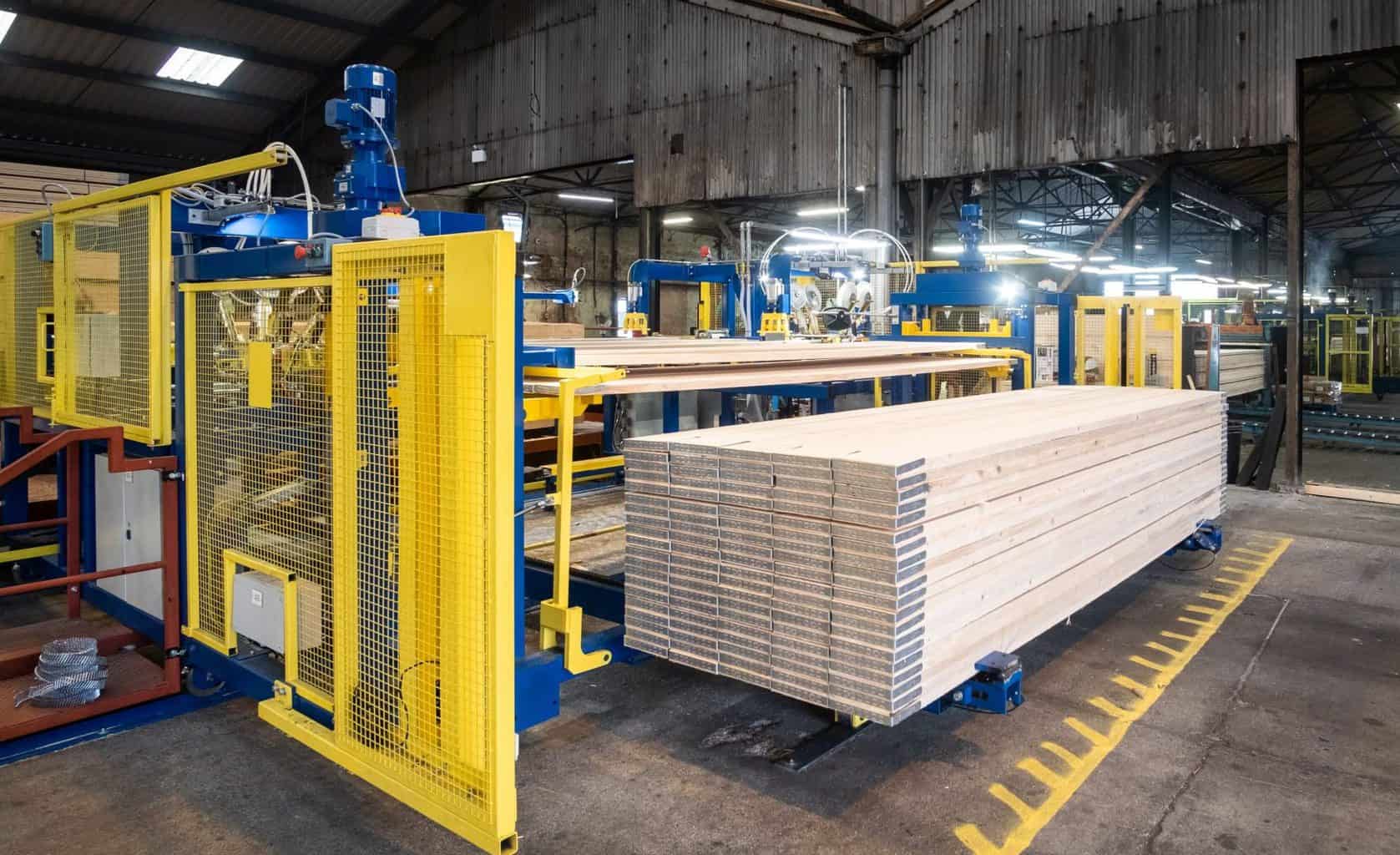
“As the biggest manufacture of timber scaffold boards in the UK we would like to think we are getting an extremely good deal on the raw material, but over the last year we have seen our costs spiral to levels never seen before, said Ollie Appleby, director of Brent Scaffold Boards Ltd.

“The cost of timber has been very stable for a number of years, it has only been over the last 18 months we have seen it start to creep up, with huge increases in the last six months, he continued, before explaining that the only way in which prices might now fall is if the appetite for timber materials and associated products does the same. 

“The only way timber prices will reduce is when the globe demand subsides. Brexit has had a small impact to costs but the overall cost is down to high log prices, delivery costs and global demand.”

This article was first published in the ScaffMag Magazine Issue 12

ADVERTISEMENT

Popular Categories

Latest news

NASC President David Brown takes on IASA Chair role

The International Access and Scaffolding Association (IASA) has announced the appointment of David Brown as its new Chairman. The appointment follows the death of former...

umdasch Industrial Solutions expands global scaffolding footprint with Catari acquisition

umdasch Industrial Solutions (UIS) has acquired Catari in a move that accelerates its ambition to create a leading global scaffolding group. The acquisition, announced today,...

AFIX Group secures German approval and opens new branch near Munich

AFIX Group has taken a significant step in its European growth strategy with the opening of a new German subsidiary and the award of...

Twenty teams confirmed for ScaffChamp 2026 in Vilnius

ScaffChamp powered by Layher has confirmed all 20 teams for its 2026 competition, following nearly five months of registrations and enquiries from around the...

Safety crackdown follows boy’s death caused by unsecured scaffolding

New safety standards covering the transport of scaffolding and other construction materials have been introduced following the death of a schoolboy killed by an...

Scaffolding demand expected to rise as construction returns to growth

UK construction activity is expected to recover in 2026 after a subdued year, with growth forecast to strengthen through to 2027, according to a...

Global demand to push scaffolding market to $16bn by end of decade

The global scaffolding and accessories market is expected to grow to $16.3bn by 2030, adding more than $4bn in value over the next four...

CSCS Smart Check reaches 60 million scans

The CSCS Smart Check platform has recorded its 60 millionth scan, highlighting its growing role in workforce verification and compliance across the construction industry. The...

Viktor Voroncov to leave Layher Baltic after 15 years

Viktor Voroncov is to leave Layher Baltic UAB at the end of January, bringing to a close a 15-year career with the company. In a...

HAKI opens new Swiss subsidiary to support regional growth

The HAKI Group has launched HAKI Safety SA, based in Thônex in the canton of Geneva, marking a further step in its expansion across...

Latest news

ADVERTISEMENT

Magazine

Winter Issue #28 | Past issues >>

Popular

Safety crackdown follows boy’s death caused by unsecured scaffolding

New safety standards covering the transport of scaffolding and...

AFIX Group secures German approval and opens new branch near Munich

AFIX Group has taken a significant step in its...

Twenty teams confirmed for ScaffChamp 2026 in Vilnius

ScaffChamp powered by Layher has confirmed all 20 teams...

Scaffolding demand expected to rise as construction returns to growth

UK construction activity is expected to recover in 2026...

NASC President David Brown takes on IASA Chair role

The International Access and Scaffolding Association (IASA) has announced...

Related articles

ADVERTISEMENTS

Latest topics

NASC and CISRS expand globally with Malaysia national deal

The National Access & Scaffolding Confederation and Construction Industry...

NASC President David Brown takes on IASA Chair role

The International Access and Scaffolding Association (IASA) has announced...

umdasch Industrial Solutions expands global scaffolding footprint with Catari acquisition

umdasch Industrial Solutions (UIS) has acquired Catari in a...

AFIX Group secures German approval and opens new branch near Munich

AFIX Group has taken a significant step in its...
ADVERTISEMENTS