New figures from the Home Builders Federation (HBF), based on Glenigan data, show that 45,315 homes received planning permission during the second quarter of 2026, down 21% on the previous quarter.
Across the 12 months to June, permission was granted for 214,515 homes. That was 8% below the previous year and 36% below the peak recorded in 2017.
The decline was particularly sharp among larger developments, which are likely to generate more sustained access requirements once construction begins. Permissions for homes on sites containing more than 10 units fell 21% from the previous quarter to 39,689.
Just 1,234 projects containing three or more homes were approved during Q2, according to HBF, the lowest quarterly figure in its records.
A warning further down the pipeline
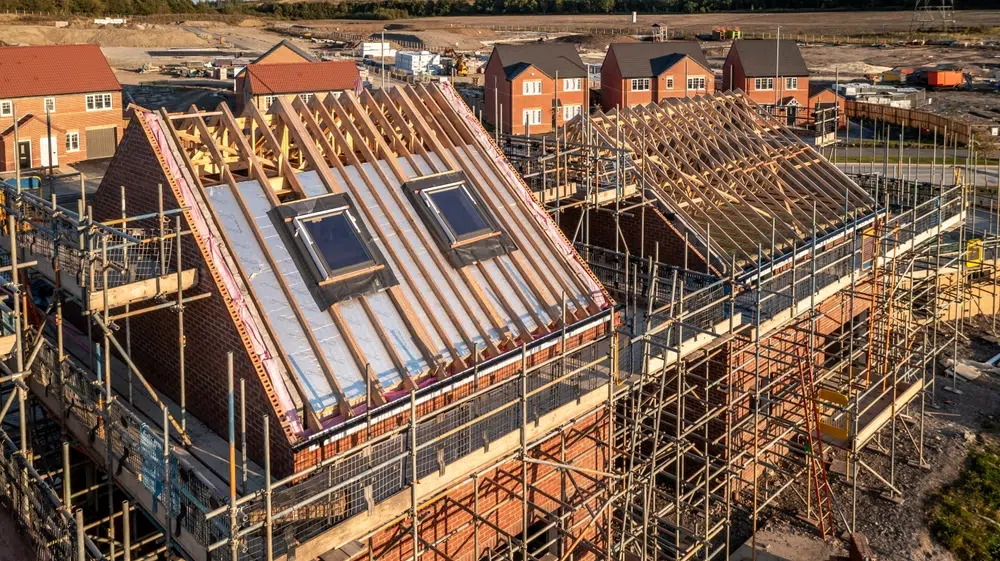
For scaffolding contractors, the figures matter because residential construction remains an important source of repeat work across the UK supply chain.
Planning permissions sit early in the development cycle. Sites already under construction will continue generating scaffolding requirements, while schemes with permission can take months or longer to reach the point where scaffolders arrive on site.
The latest figures therefore provide more of a warning about the future residential workload pipeline than a measure of current demand.
Government housing data shows an estimated 35,910 new-build homes started in England during Q2, up 6% on the previous quarter and 20% compared with the same period last year. Across the year to June, estimated starts were 15% higher year on year.
Those figures require some caution. Government statisticians said the increase in reported starts during recent quarters was partly due to a higher number being recorded through the Building Safety Regulator following changes to its reporting.
Other measures point to softer conditions.
NHBC recorded 29,162 new homes registered to be built during Q2, down 4% compared with the same period in 2025. Private-sector registrations fell 5% to 19,045.
NHBC said housebuilders had slowed building programmes during the quarter amid affordability pressures, higher costs and economic uncertainty.
Government targets meet a weaker pipeline
The slowdown in permissions comes as the Government continues to pursue its target of building 1.5 million homes during this Parliament.
HBF argues that the current level of permissions is too low to support that ambition.
Its chief executive Neil Jefferson said the figures showed a housing pipeline being “squeezed to historically low levels”, with too few permissions coming forward to meet housing demand.
HBF has attributed the fall to weak buyer demand, mortgage affordability, rising construction costs and increasing taxes and policy costs. Those explanations reflect the housebuilding industry’s position.
There are reasons to expect conditions could improve. Glenigan’s latest construction forecast expects underlying private housing starts to rise 13% in 2027, followed by a further 5% increase in 2028, supported by lower interest rates and changes to planning rules.
For scaffold contractors, the next stage will be whether the sharp fall in permissions is temporary or begins feeding through into fewer sites reaching construction.
Companies with a high dependence on volume housebuilding could feel that change more sharply than businesses spread across commercial, infrastructure, industrial and refurbishment work.