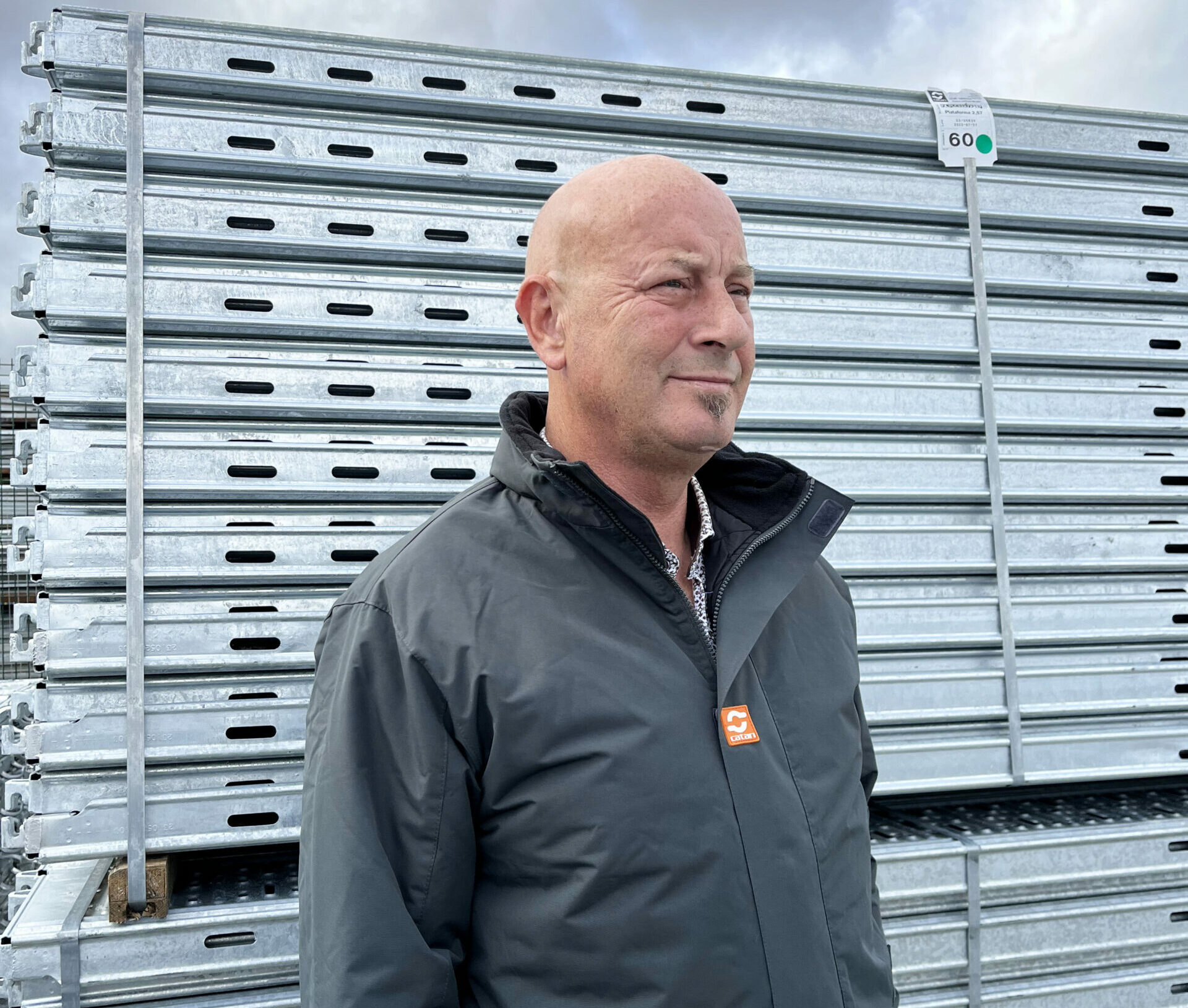
In a comprehensive insight into the evolving scaffolding sector, John Carolan, Manager at Catari Ireland, reflects on the industry’s transformative journey. From the transition from kwikstage to the more versatile ringlock systems to the innovative prospects of “smart scaffolding,” We delve deep into the challenges, innovations, and the commitment of Catari to the Irish market. Carolan presents a vision of an efficient and safer scaffolding industry for Ireland.
Catari, a leading European manufacturer, has been a trusted name in the scaffolding industry for over 40 years. Renowned for producing products compliant with the EN 12810 European standards, Catari offers solutions tailored to the unique needs of every single client.
As they open their depot in Dublin, Catari Ireland signifies a renewed commitment to the Irish market. But to understand the depths of this commitment, it’s essential to reflect on the scaffolding industry’s evolution, its challenges, and how Catari aims to address these issues.
Challenges in the Scaffolding Industry: A Perspective by John Carolan
The scaffolding landscape in Ireland is diverse. Over the years, from traditional tube and fitting to kwikstage, cuplock, and the recent system scaffold, each has played its role in the nation’s construction efforts. However, the industry hasn’t been without challenges, notably labour shortages, and rising safety concerns.
In the mid-1990s, the demand was primarily for kwikstage scaffolds. Yet, the need for a more efficient system became clear when undertaking significant projects like Intel and Facebook’s head offices. The ringlock system, despite its initial high costs, brought versatility and efficiency to the fore.
While traditional scaffolding methods like kwikstage required more components and adjustments, the ringlock system stands apart. With multiple connection points, it offers flexibility, ensuring quicker setup times. Its robust design also means enhanced safety—a much-needed attribute given the dwindling interest in scaffolding as a career due to its physically demanding nature and associated risks.
But European producers like Catari are leading the charge as the industry evolves. Embracing user-centred designs, higher-strength steels, and innovative raw materials, these producers are making scaffolding more efficient and cost-effective.
Looking to the future, the prospect of “smart scaffolding” is on the horizon. The idea of scaffold components embedded with sensors for real-time feedback and data acquisition is not too far-fetched. Such innovations can revolutionise the industry, improving safety and efficiency.
These improvements will be manifested in various processes that were previously time-consuming, such as tracking scaffolding components in the rental business. The new technology will allow for real-time safety notifications to authorities regarding overloads or structural shifts following severe weather events, ensuring a rapid response to potential hazards and thereby safeguarding both workers and the general public.
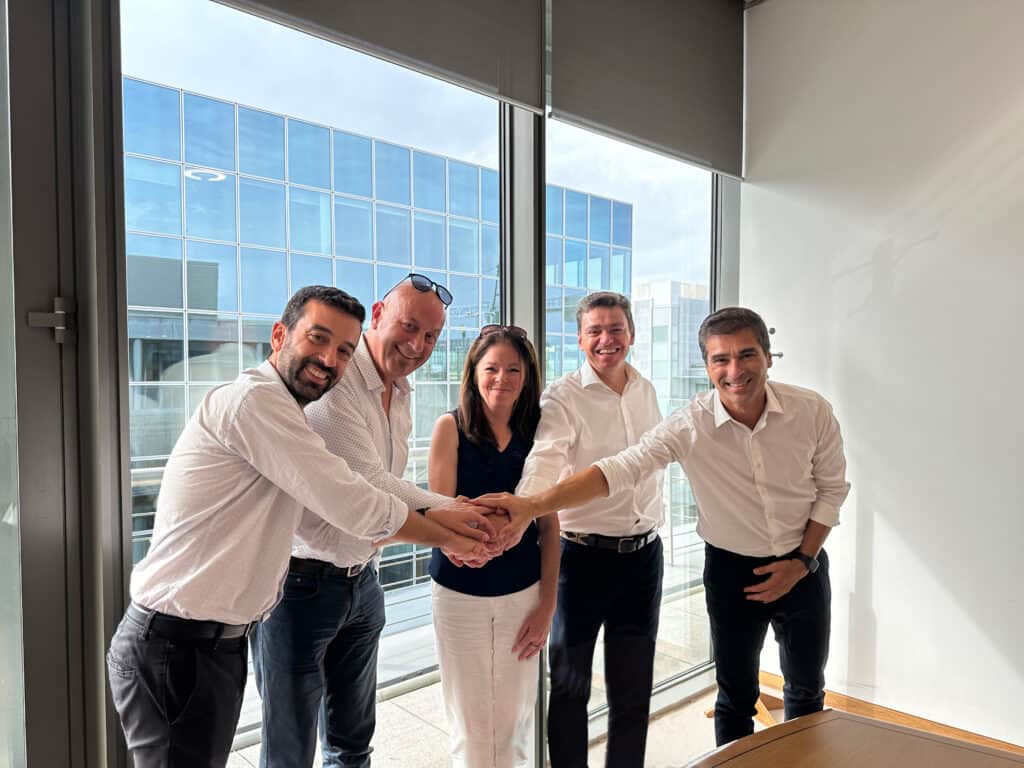
Catari Ireland: Addressing Challenges Head-On
Catari has been subtly yet significantly influencing the Irish market since 2016, and the establishment of a depot in Dublin reflects a deepened commitment to addressing the unique challenges faced by clients in Ireland. The team at Catari understood early on that providing a comprehensive support package for their customers’ projects was vital, but doing so effectively was only possible with immediate access to necessary materials on hand.
This holistic support package encapsulates various crucial services, including determining commissioning quantities, crafting 3D project designs, construction drawings, static calculations, and project execution planning, as well as providing invaluable hands-on training and steadfast site support. Though meticulous planning and precise material lists are indispensable, the unpredictable nature of construction sites means that reality often diverges from initial predictions.
Responding to this, Catari Ireland has made it a core objective to mitigate lead time issues, aiming to emerge as a reliable and convenient partner for all scaffolding needs in Ireland. This commitment is unwavering, whether the project involves straightforward street scaffolding, extensive apartment blocks, or intricate industrial scaffold constructions.
With a steadfast commitment to delivering top-tier products at competitive prices, Catari Ireland is not just offering another choice in the market. Instead, it is positioning itself as a compelling alternative to existing ringlock systems, standing out through its combination of quality, service, and reliability, ensuring that every scaffolding project, regardless of its scale or complexity, can proceed smoothly, efficiently, and safely with Catari as a trusted partner.
Catari is also acutely aware of and responsive to considerations and concerns often raised by customers regarding the integration of ringlock scaffolding components from various brands or producers into a single scaffolding assembly. This mixing practice, a longstanding and prevalent one in Ireland for other systems like tube and fitting, kwikstage, or cuplock, is gradually being incorporated into the usage of the ringlock system as well, as observed in other markets already. Such trends indicate a growing acceptance and application of this approach within the ringlock system sphere, raising therefore Catari Ireland’s attentiveness to the evolving needs and practices in the market and reinforcing its commitment to providing flexible and client-centric solutions and services.
Embracing the Future Together
As Catari plants its roots deeper in Irish soil, John Carolan, with his years of experience, envisions a brighter future for the scaffolding industry. He emphasises the importance of safety, efficiency, and trust.
In the spirit of resilience and hope that characterises the Irish, John ends with a wish, “‘Be a lucky scaffolder.’ May your scaffolding endeavors in Ireland be as fortunate as the shamrock and may Catari bring the reliability you deserve.” With such dedication and commitment, Catari is set to usher in a new era of excellence for the Irish scaffolding industry.