
The UK construction industry’s recovery slowed in December, with a new report highlighting moderated growth in output and new orders.
The S&P Global UK Construction Purchasing Managers’ Index (PMI) fell to 53.3 in December, down from 55.2 in November. Although the index remains above the 50.0 no-change mark, indicating expansion, December’s reading marks the slowest pace of growth since June 2024.
Sector Performance: Mixed Results
Commercial construction led the sector with the highest growth, scoring 55.0 on the index, followed by civil engineering at 52.9. However, both segments showed weaker performance compared to the previous month.
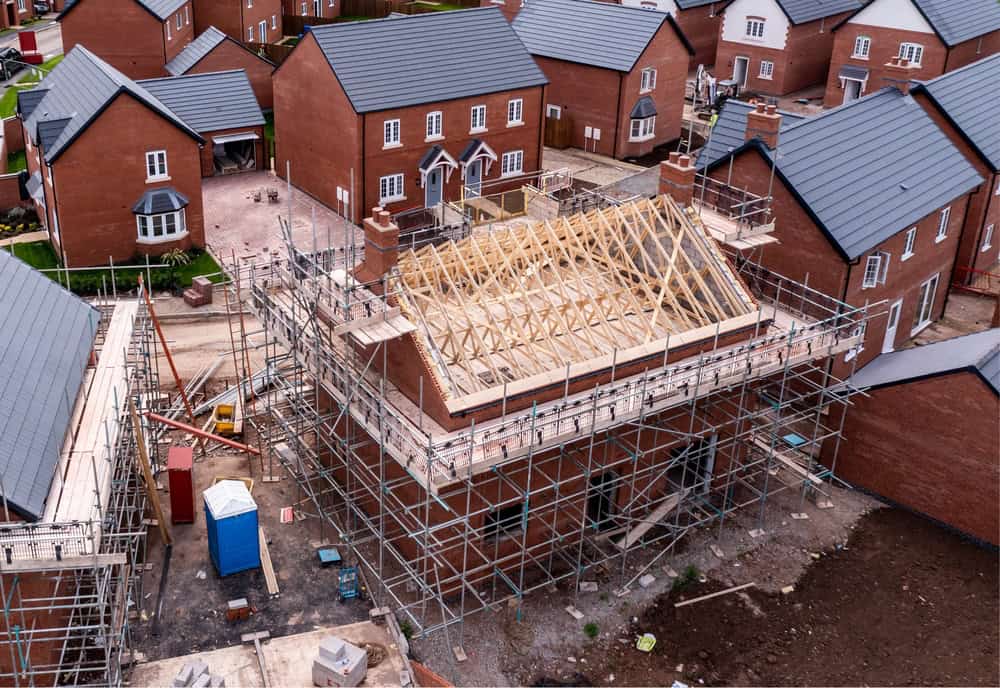
Residential construction lagged behind, registering a sharp contraction with a reading of 47.6, marking the fastest decline in house-building activity since June 2024. Elevated borrowing costs, subdued demand, and fragile consumer confidence were cited as the main challenges for the housing market.
New Orders and Input Costs
New orders expanded at the slowest rate in six months, reflecting uneven demand. While the commercial building sector benefited from improved tender opportunities, the residential market struggled due to cutbacks and a lack of new projects to replace completed infrastructure works.
This cautious demand environment prompted companies to scale back input purchases for the first time in eight months, driven partly by tighter inventory management.
The sector also faced rising costs, with subcontractor rates increasing at the fastest pace in 20 months.
Despite reduced demand, subcontractor availability improved only marginally. High input costs, including rising salaries, continued to constrain job creation, with hiring levels remaining below pre-pandemic averages.
Optimism and Challenges Ahead
Looking forward, 48% of construction firms expect output to rise in 2025, while 15% anticipate a decline. Confidence has rebounded since November but remains weaker than earlier in 2024.
Many firms remain cautious about the UK’s economic outlook and the potential impact of constrained capital spending.
Tim Moore, Economics Director at S&P Global Market Intelligence, noted the uneven growth across sectors. “Commercial building maintained its position as the fastest-growing area of construction activity, followed by civil engineering.
However, residential work decreased for the third month running, reflecting headwinds from elevated borrowing costs and fragile consumer confidence.”
Brendan Sharkey, a construction specialist at MHA, added: “While the commercial sector remains strong and infrastructure benefits from government investment, housing continues to face challenges.
High interest rates and rising labour costs will be ongoing issues. However, increased inward investment could offer relief.”
Sharkey predicts a slow but steady recovery in 2025, with infrastructure projects and commercial development driving growth. “Although growth will be modest, the fundamentals for the sector are solid, and there is an air of quiet optimism,” he said.
HS2: A Key Driver
One bright spot is the continued progress of the HS2 project, which remains a major driver of UK construction activity. December saw preparations completed for a bridge over the M42 motorway near Birmingham Business Park, marking a significant milestone for the high-speed rail line.
While the construction industry demonstrates resilience amid challenges, it faces a mixed outlook for 2025. The balance between government infrastructure investments and headwinds from high interest rates and subdued residential demand will be critical in shaping the sector’s trajectory.