
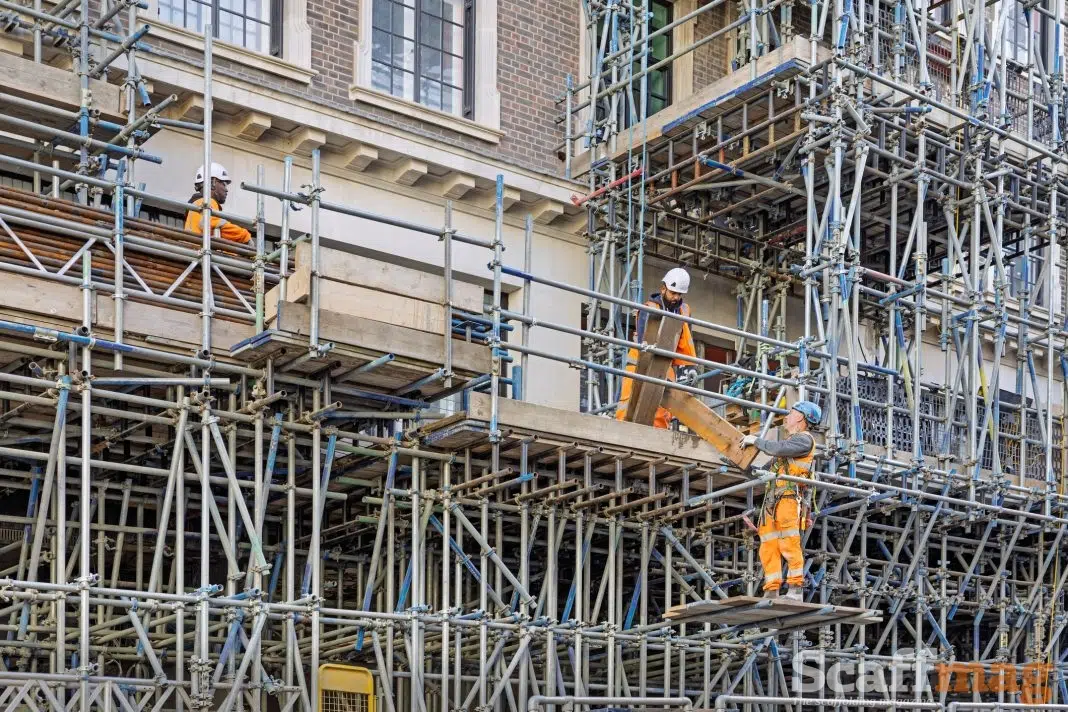
UK construction activity is expected to recover in 2026 after a subdued year, with growth forecast to strengthen through to 2027, according to a new industry report.
The Glenigan Construction Industry Forecast 2026–2027 predicts overall construction output will rise by 8% in 2026, followed by a further 13% increase in 2027, after a 6% contraction in 2025.
The report points to improving economic conditions, easing borrowing costs and renewed public sector investment as key drivers of the recovery, with several growth areas expected to generate sustained demand for access and scaffolding services.
Housing and infrastructure lead the upturn
Private housing is expected to return to growth in 2026 after two years of decline. Glenigan forecasts a 6% increase in private housing project starts next year, accelerating to 18% growth in 2027, supported by rising household incomes and lower mortgage rates.
Civil engineering is also forecast to see strong growth, with project starts rising by 17% in 2026 and a further 15% in 2027. Increased investment in water infrastructure, electricity networks and renewable energy is expected to drive activity, alongside funding commitments for road and rail upgrades set out in the government’s Spending Review.
Industrial construction, particularly logistics and warehousing, is also forecast to strengthen as consumer spending recovers and demand from online retail continues to grow.
Together, these sectors are expected to underpin higher demand for scaffolding, particularly on longer-duration infrastructure projects and large-scale residential schemes.
Delays in 2025 blamed on uncertainty
The forecast describes 2025 as a challenging year for the construction sector, with activity held back by political uncertainty following the general election, slow building safety approvals and delays to public sector programmes.
Glenigan says the post-election review of capital spending disrupted project starts across education, health and infrastructure, although clarity provided by the Spending Review is expected to unlock stalled schemes from mid-2026 onwards.
Mixed outlook across sectors
While the overall outlook is positive, the pace of recovery is expected to vary across the industry.
Retail construction is forecast to remain flat in 2026 before returning to growth in 2027, as cost pressures and vacant premises continue to weigh on investment. Education and health construction are also expected to recover more gradually, with growth dependent on the timing of public funding flows.
Office construction is forecast to continue growing, driven by refurbishment, remodelling and demand for higher-quality workspace. Increased investment in data centres linked to AI development is also expected to support activity.
Access and scaffolding sector
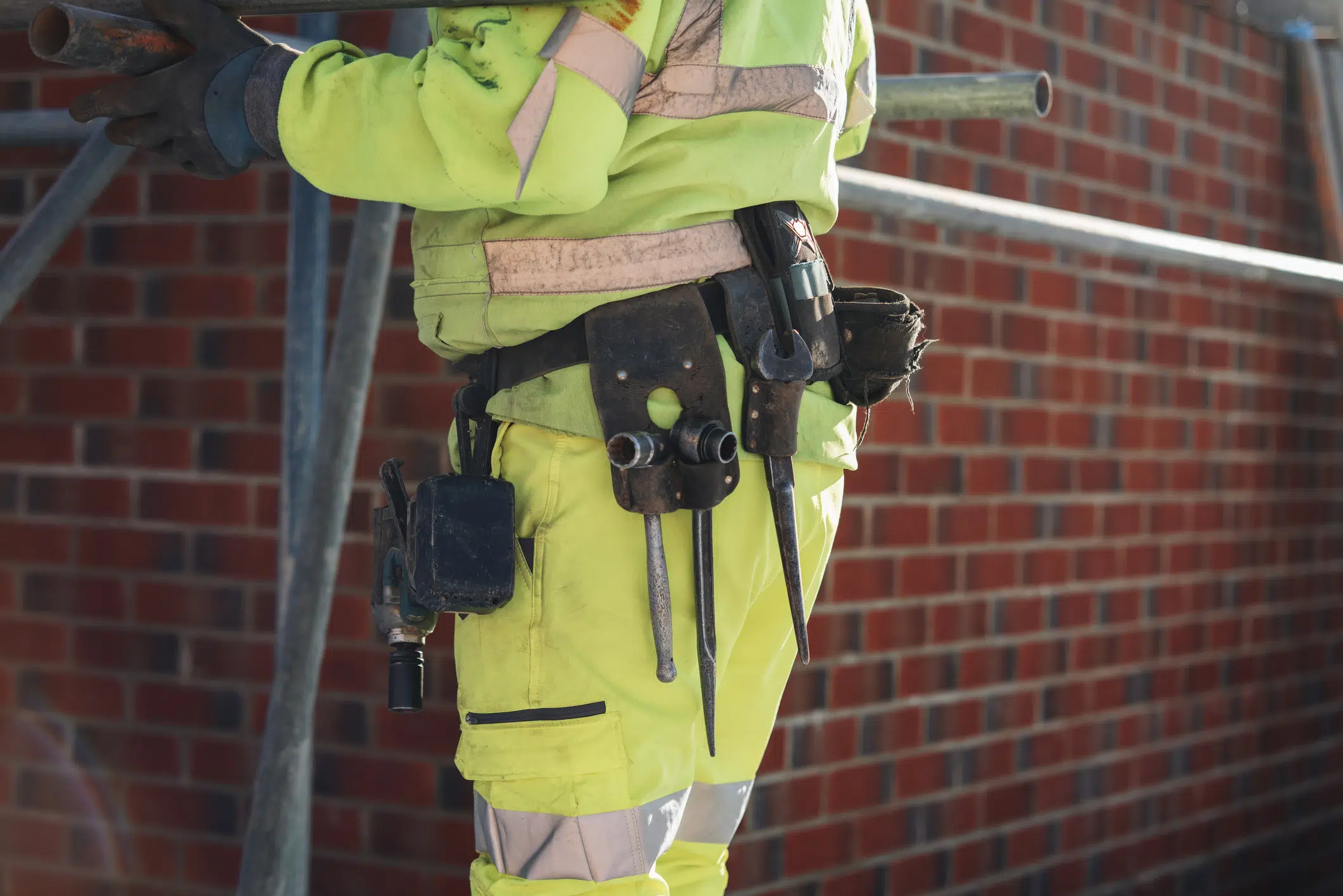
For the scaffolding and access sector, the forecast points to a sustained uplift in workload from 2026, particularly from housing starts, civil engineering schemes, utilities projects and refurbishment-led commercial work.
Longer-term infrastructure programmes and increased public sector investment are expected to shape workload profiles across the supply chain as construction activity gathers pace through 2026 and 2027.
Glenigan said firms that align resources with sectors showing the strongest growth, while managing risks around skills availability, costs and planning delays, are best placed to benefit from the recovery.