
More New Speakers Announced for ScaffEx24 Conference

ScaffEx24, the premier scaffolding and access conference and expo, is set to welcome two more distinguished keynote speakers at this year’s event.
Scheduled for 29 November 2024 in Belfast, the free-to-attend conference promises to provide industry professionals with exceptional opportunities to gain insights, network with leaders, and explore the latest innovations in scaffolding and access technology. The organisers of ScaffEx24 have announced the addition of Tim Balcon and Dr Yasuo Toyosawa as keynote speakers for this highly anticipated event.Tim Balcon, CEO of the Construction Industry Training Board (CITB)
 With over three decades of experience in strategic leadership and industry development, Tim Balcon has been a transformative figure in vocational training within the construction sector. As CEO of CITB, Balcon has championed initiatives that have significantly advanced skills training across the industry.
His presentation, falling under the Training & Education section, will address the future of skills development, offering actionable insights for attendees. Additionally, participants will have the chance to engage with Balcon during a dedicated Q&A session, providing a unique opportunity to gain a deeper understanding and clarity on critical issues.
With over three decades of experience in strategic leadership and industry development, Tim Balcon has been a transformative figure in vocational training within the construction sector. As CEO of CITB, Balcon has championed initiatives that have significantly advanced skills training across the industry.
His presentation, falling under the Training & Education section, will address the future of skills development, offering actionable insights for attendees. Additionally, participants will have the chance to engage with Balcon during a dedicated Q&A session, providing a unique opportunity to gain a deeper understanding and clarity on critical issues.
Dr Yasuo Toyosawa, President of the Scaffolding & Construction Equipment Association of Japan (SCEA)
 Dr Yasuo Toyosawa, a renowned international expert and staunch advocate for the National Access and Scaffolding Confederation (NASC), will deliver a keynote address on innovation and emerging technologies in the scaffolding and construction equipment sectors. Hailing from Tokyo, Japan, Dr Toyosawa brings a global perspective to the conference, promising to enrich attendees’ understanding of worldwide advancements and trends in scaffolding and construction.
With the addition of these two prominent figures, ScaffEx24 aims to enhance the experience and knowledge of its attendees. Industry professionals are encouraged to register for the event to benefit from the wealth of expertise and insight that will be shared.
Dr Yasuo Toyosawa, a renowned international expert and staunch advocate for the National Access and Scaffolding Confederation (NASC), will deliver a keynote address on innovation and emerging technologies in the scaffolding and construction equipment sectors. Hailing from Tokyo, Japan, Dr Toyosawa brings a global perspective to the conference, promising to enrich attendees’ understanding of worldwide advancements and trends in scaffolding and construction.
With the addition of these two prominent figures, ScaffEx24 aims to enhance the experience and knowledge of its attendees. Industry professionals are encouraged to register for the event to benefit from the wealth of expertise and insight that will be shared.
Registration Now Open
Registration for the ScaffEx24 Conference and Expo is now open. This event is free to attend and positions itself as the leading expo for the scaffolding and access industry. Industry professionals are urged to REGISTER NOW to secure their place at this not-to-be-missed event. For more information and to register, visit the official ScaffEx24 website.The Financial Case for System Scaffolding
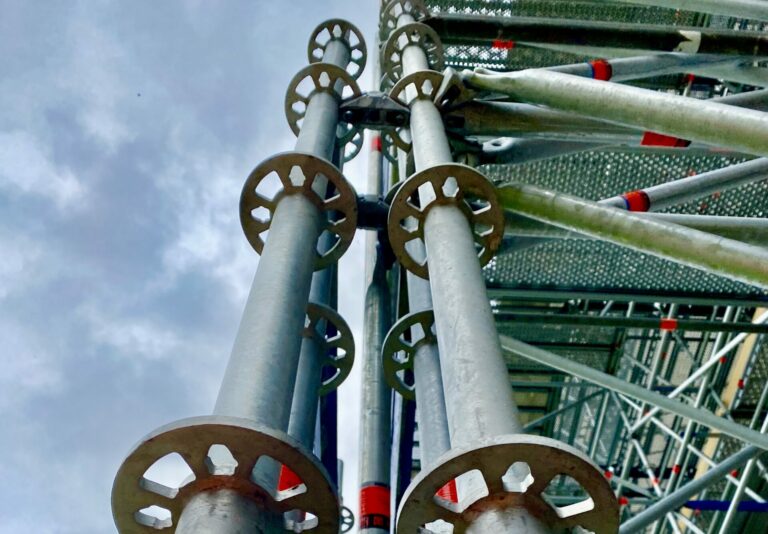
Des Moore underlines the commercial case for system scaffolding, and why you shouldn’t dismiss it as an opportunity for your business.

More profit, every time
How can I make that Day One claim, when everyone knows that system scaffolding costs far more to initially purchase than tube, fittings and boards? The answer lies in three words: Productivity, Safety and Durability.Productivity
Extensive research from Layher, for example, which has been manufacturing system for more than 75 years, shows that the real-life savings in labour from using its Mark I Allround® modular system rarely fall below 30% (not to be confused with wild claims of 40%-50%). This was before Layher Lightweight was introduced, which gives even more labour savings. This means that scaffolding company owners make more profit every time the equipment moves. And, with skilled operatives becoming increasingly scarce, and therefore expensive, these savings have multiplied significantly. So, consider how many jobs you might do with system scaffolding over a 10-year period. Think about what even a 30% labour saving would look like on each job. That’s a significant commercial saving for your business. Why would anyone not want to benefit from this?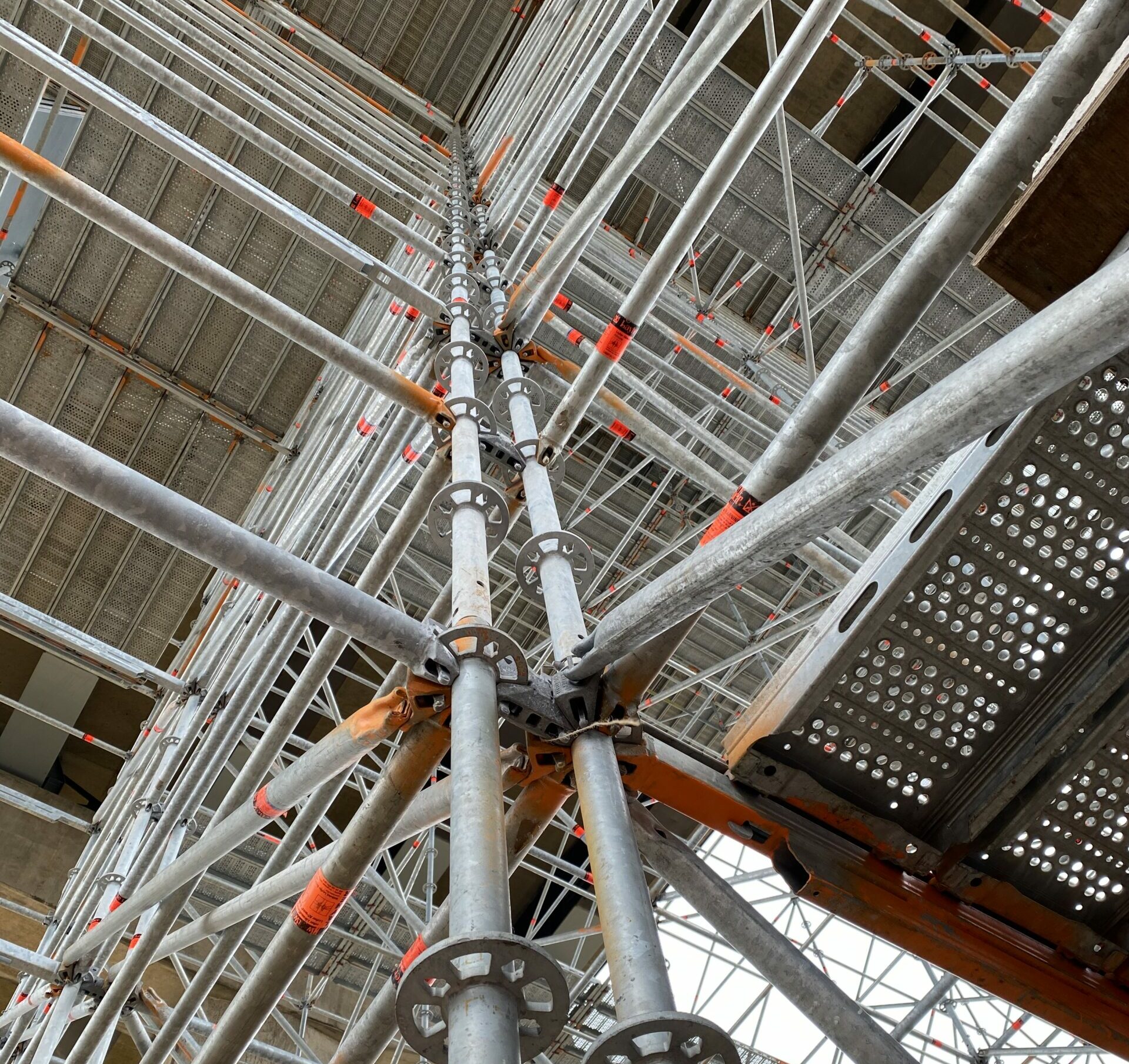
Safety
There are many reasons why system scaffolding comes out top when we talk about safety.- Fewer components overall.
- Lightweight, so easier to lift and manage.
- Simpler to erect, dismantle and adapt.
- Fixed decks on each platform.
- Greater loading capacity.
- Easier to inspect.
Durability
The durability of top-quality galvanised systems is remarkable, and the nearly complete elimination of loose fittings and timber components allows realistic depreciation over 10 years and an economic life of 15 to 20 years. Contrast this with tube and fittings, where it’s a fair assumption that timber boards are commonly written off over 1 to 3 years and, in practice, last not much more than 18 months. High losses of fittings, and ongoing maintenance costs means that the expense of continually replacing tube and fitting equipment is often much higher than business owners think.How to calculate your potential savings
Layher has developed simple financial models that help scaffolding contractors to understand just how much more profit they will make if they adopt system scaffolding. The models allow you to input your own costs for tubes, fittings and boards, labour, depreciation, maintenance and losses, plus the contract prices you actually achieve for the supply and erection of a given scaffold. Comparisons with the equivalent values for the Layher Allround® system are revealing. If you want to see just how revealing, I can help. Contact me for a dedicated presentation to your business, where we can use those financial models to see how using system scaffolding can positively benefit you now and in the long term. My help and advice in this respect won’t cost you anything. System scaffolding brings many benefits for the user – reduced programme times, built-in safety, improved appearance, and many more – but for the scaffolding company it’s the financial case that really counts. What’s more, you’ll find that more and more Tier 1 and Tier 2 construction companies will be asking their scaffolding contractors to give them system scaffolding options – and no one wants to be left behind. Faced with this evidence – and hire-to-buy options that help with financing – what’s preventing your business from investing in Layher system scaffolding? You can contact Des for more information on 07555 800 700 or email [email protected].TRAD UK Launches Innovative EasyStair System for Construction Sites
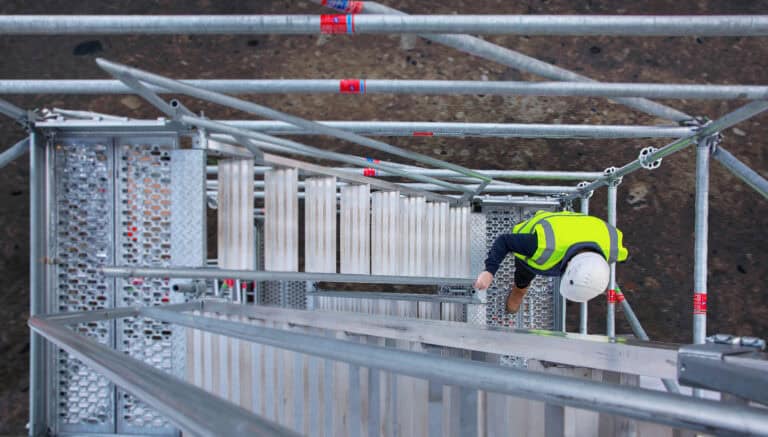
Last week, TRAD UK launched its latest innovation, the Plettac Metrix EasyStair, a groundbreaking staircase system designed to meet and exceed safety standards on construction sites throughout the UK.
Compliant with BS EN 12810 and BS EN 12811 standards, this innovative solution boasts impressive load capacities of up to 4.0kN/m² and features a compact 3.0m x 1.5m footprint, making it suitable for a wide range of construction applications.Innovative Design for Enhanced Safety
The Plettac Metrix EasyStair is engineered with both inner and outer guardrails that follow the stair angle, offering unparalleled protection for users. This design ensures greater confidence and security than traditional systems that rely on horizontal outer railings. The inner and outer guardrails provide continuous safety, significantly improving over conventional designs.Efficiency and Durability
The EasyStair system is a game-changer in efficiency and ease of use. It eliminates the need for bulky platform units by utilising two standard Plettac Metrix 1.5m x 0.3m steel decks or three 1.5m x 0.2m steel decks to create sturdy yet manageable platforms. The design enhances durability, manual handling, and overall site efficiency. The combination of lightweight aluminium staircases and robust galvanised steel connectors ensures a construction that is both strong and easy to handle.Customisable Configurations for Every Project
Designed for maximum adaptability, the EasyStair offers a variety of configuration options to suit different project needs. It features front and side exits and full anti-uplift protection throughout the tower.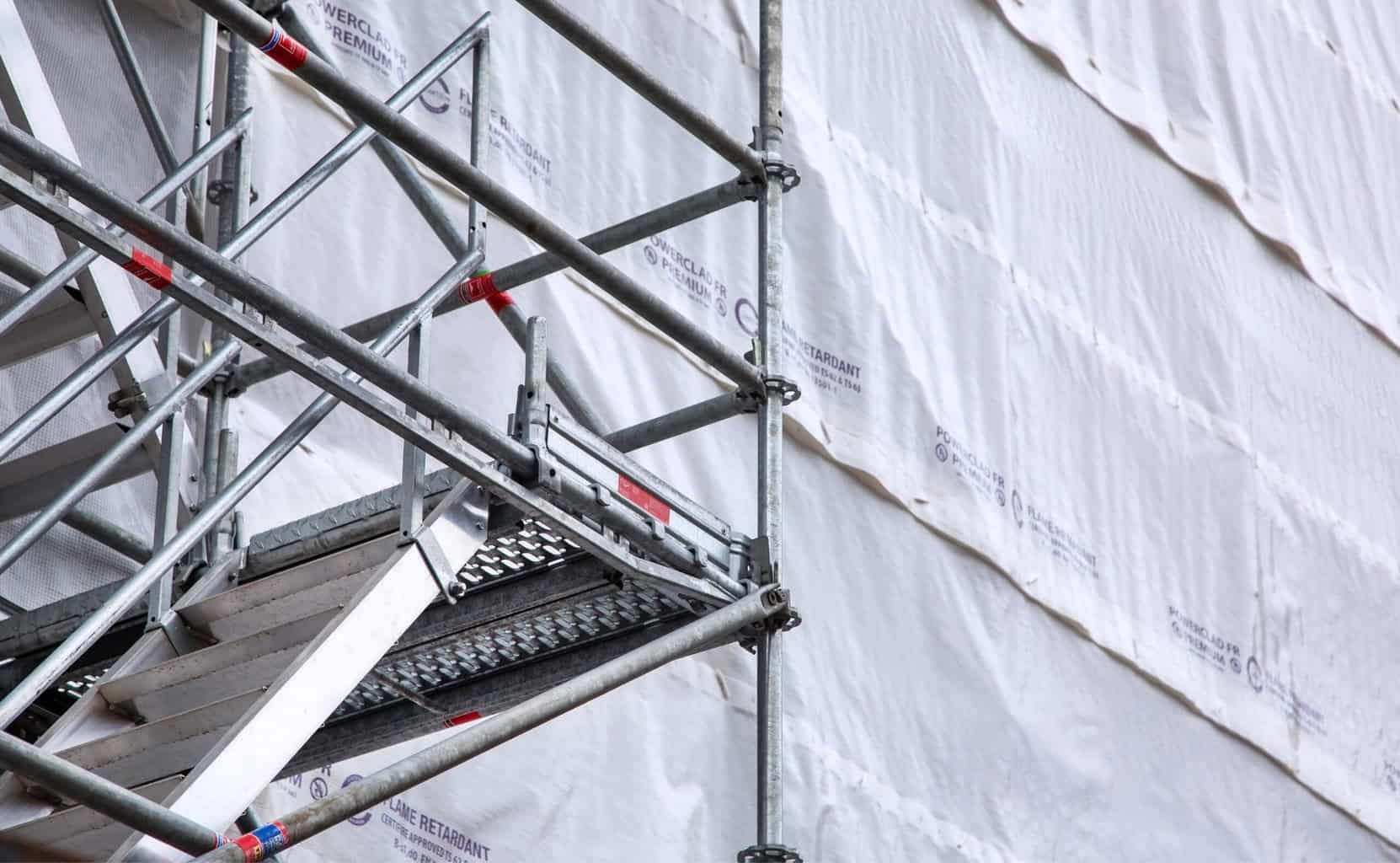 The system can be configured in either a clockwise or anti-clockwise direction, providing flexibility for diverse site layouts. Additionally, parallel construction with two towers side-by-side can facilitate an efficient “up and down” flow of personnel, streamlining movement and enhancing safety.
Key Features
- Versatile Heights: The lifts are available in 1.0m, 1.5m, and 2.0m heights, offering complete project flexibility.
- Enhanced Safety: Inner and outer guardrails provide superior security, surpassing traditional staircase designs.
- Lightweight Durability: Aluminium stairs combined with steel connectors offer a robust yet manageable build, improving manual handling.
- Flexible Configurations: Front/side exits, anti-uplift protection, and compatibility with standard Plettac Metrix components make the EasyStair adaptable to various site requirements.
- Efficient Flow: Can be erected in any direction and utilised in parallel construction for efficient personnel movement.
- Compact Design: The 3.0m x 1.5m footprint maximises space on constrained sites.
- Simplified Platforms: EasyStair utilises lightweight steel decks for easy assembly and transport, enhancing overall mobility.
- Directional Flexibility: Can be erected in both clockwise and anti-clockwise directions, accommodating various site layouts.
- Component Utilisation: Combines standard and specialised Plettac Metrix components for easy integration and customisation.
Scaffolding Industry Reacts to Labour’s Historic Win

Following the Labour Party’s historic victory in the 2024 general election, the scaffolding industry has been swift in its response, highlighting both opportunities and challenges under the new government.
With Keir Starmer at the helm, Labour has promised significant investments in housing and infrastructure, pledges that the scaffolding sector is eager to see come to fruition.Scaffolding Association’s Immediate Reaction
The Scaffolding Association was the first to react, issuing a statement calling on the new Prime Minister to support scaffolding and access businesses better. Representing 630 member businesses that employ half of the UK’s scaffolding contractor workforce, the Association emphasised the essential role of the scaffolding industry in achieving Labour’s ambitious housing growth plan.
The NASC’s Perspective

PASMA’s Insights

Federation of Master Builders (FMB) Comments
The Federation of Master Builders (FMB) also shared its perspective on Labour’s victory. Brian Berry, Chief Executive of the FMB, commented: “The election of the new Labour Government offers a fresh start to get Britain building. Labour’s pledge to build 1.5 million new houses over the next five years and upgrade five million existing homes, are ambitious targets but very much needed if the growing housing crisis is to be addressed. The success of Labour’s housing targets will very much depend on two key issues being addressed. First, the need to reform the planning system to make it easier and quicker to build. Secondly, the urgent need to tackle the skills crisis ensuring we have enough skilled workers in the construction industry to build the homes needed.” Berry continued: “For too long local authority planning departments have been underfunded with the result that planning applications have been held up. Additional funding for planning departments offers hope that the planning process will speed up to deliver the homes that are needed. A long-term training and skills plan to tackle the shortage of construction workers is desperately needed, as is the need for some form of minimum competency level for builders to ensure quality homes are built, and the ones we have are upgraded to the best standards.” Berry concluded: “The FMB will work closely with the new Government to help ensure its housing pledges are delivered, and that Britain’s builders can play their part to boost much-needed economic growth.”Industry-Wide Implications

Labour’s Key Pledges for Construction
Labour’s manifesto, titled “Change,” outlines several key measures for the construction sector:- Building 1.5 million new homes over the next parliament.
- Reinstating mandatory housing targets and strengthening presumptions in favour of sustainable development.
- Prioritising the release of lower-quality “grey belt” land for development.
- Developing a 10-year infrastructure strategy to provide the private sector with certainty about project pipelines.
- Investing an extra £6.6 billion to upgrade five million homes as part of the Warm Homes Plan.
Charting a New Course
The scaffolding industry is cautiously optimistic about the opportunities presented by Labour’s election victory. The promise of significant investments in housing and infrastructure is seen as a positive move that could drive demand for scaffolding services. However, the industry also faces several challenges that need to be addressed, including labour shortages, cash flow issues, and rising costs of supplies. As Labour begins its term with a strong mandate, the scaffolding industry is ready to collaborate with the new government to ensure that the ambitious infrastructure and housing plans are realised effectively. This new era under Labour’s leadership holds promise for the scaffolding industry, provided the government delivers on its commitments to reform planning, invest in skills, and maintain high safety standards. The coming months will be crucial in shaping the future landscape of the UK’s construction and scaffolding sectors.New Tube & Fitting System Scaffold Aims to Revolutionise the UK Scaffolding Industry
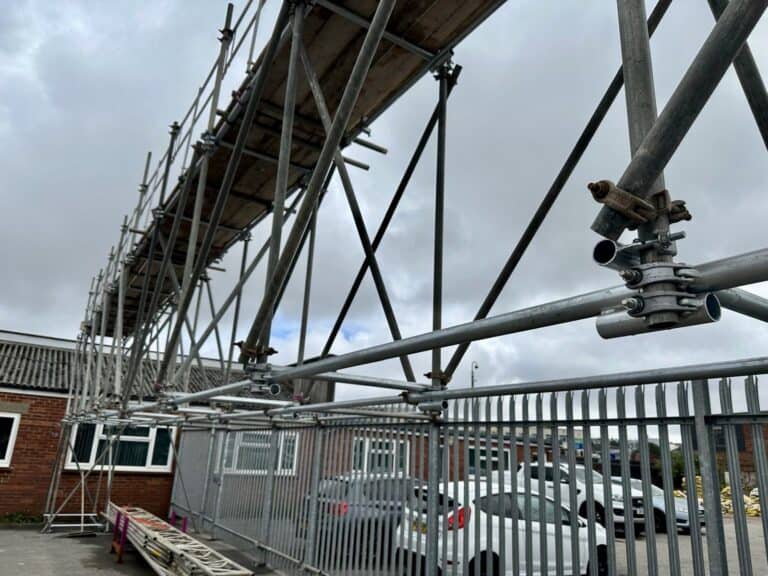
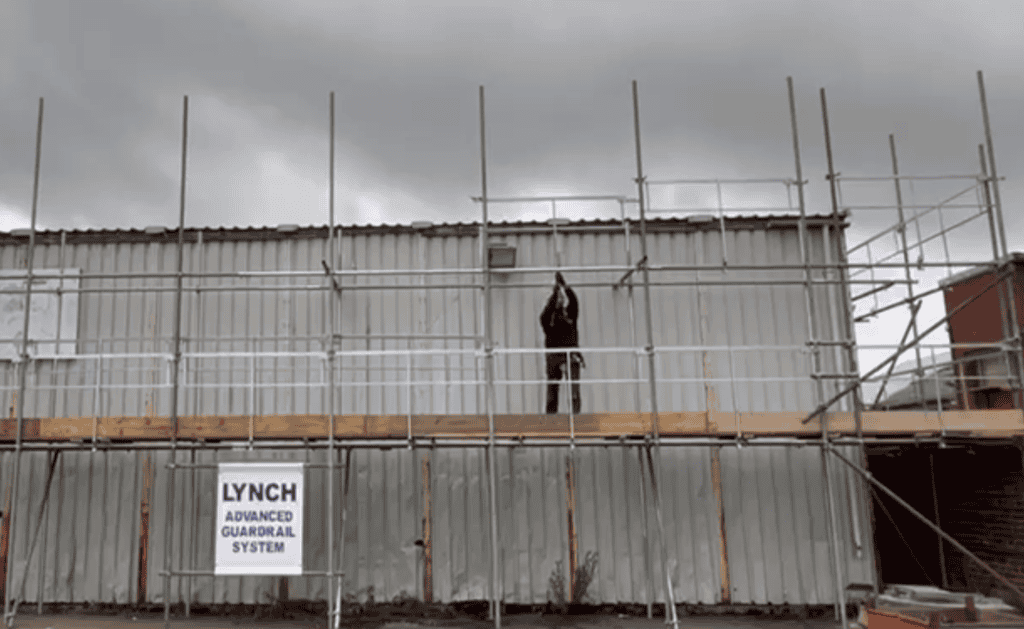
Paul Lynch of Lynch Developments, a serial innovator known for previous products such as his Advanced Double Handrail and the Lynch System Scaffold, has introduced another exciting product: the Tube & Fitting System Scaffold.
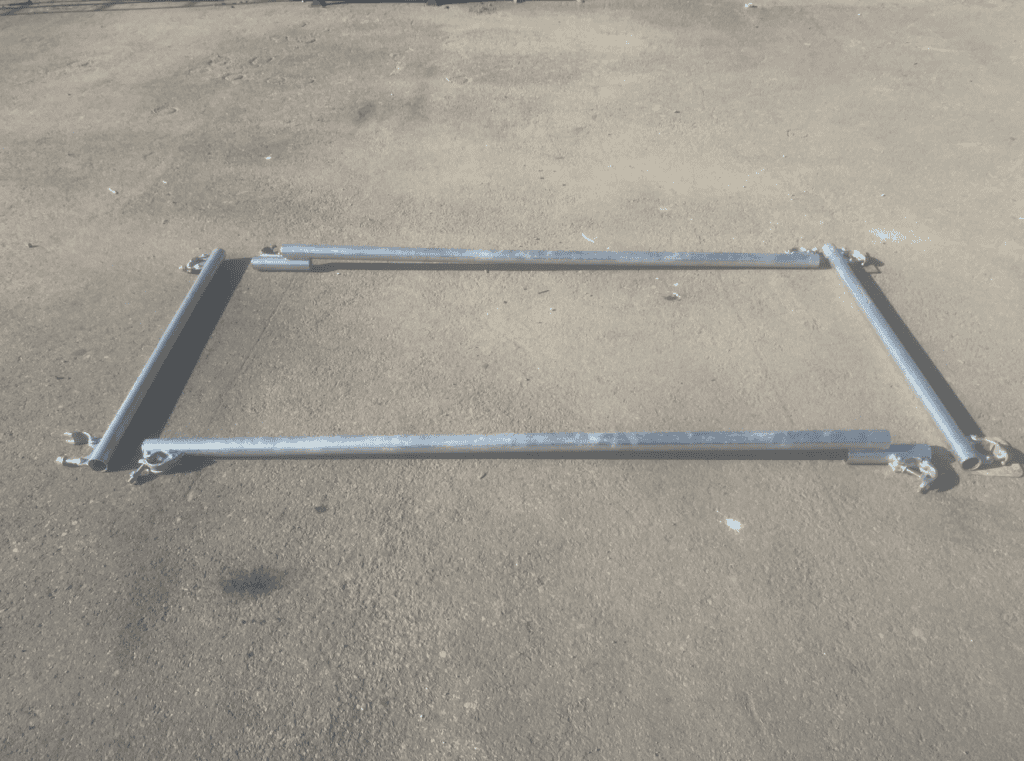
This new system aims to transform the UK scaffolding industry, seamlessly integrating existing scaffolding materials and eliminating the need for a complete restock of system scaffolding. Approved by Lloyds British, the Tube & Fitting System Scaffold provides numerous advantages. Companies can gradually transition to this system, which significantly reduces costs and logistical challenges.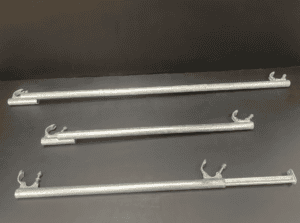
Basing Out with The Tube & Fitting System Scaffold
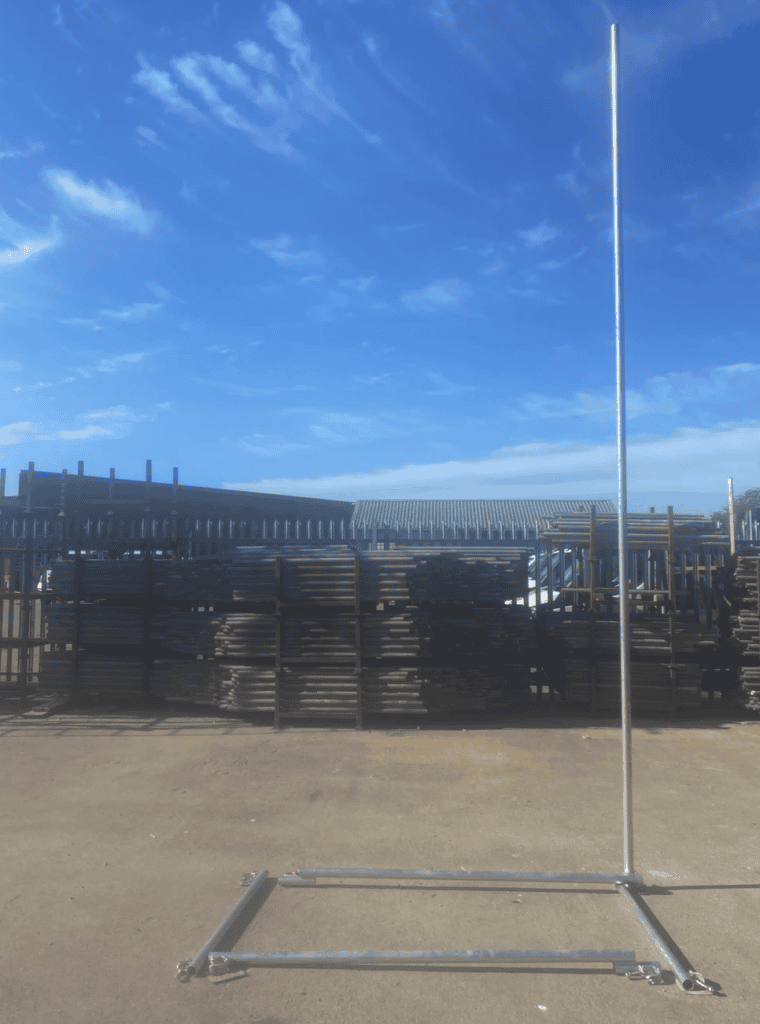
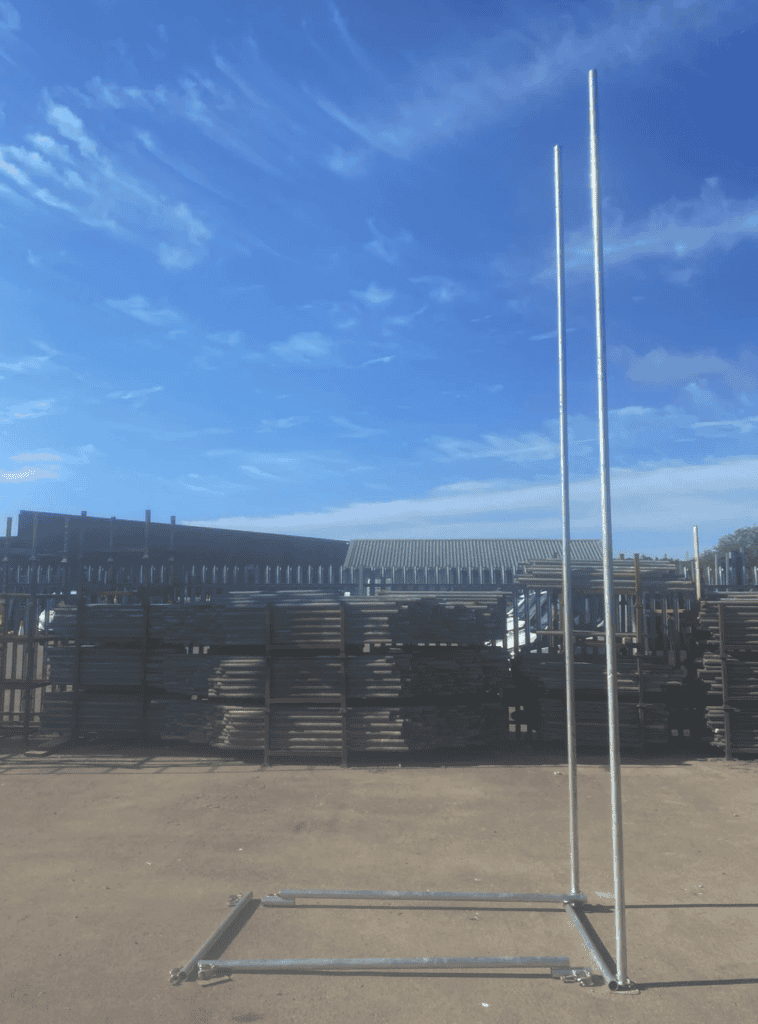
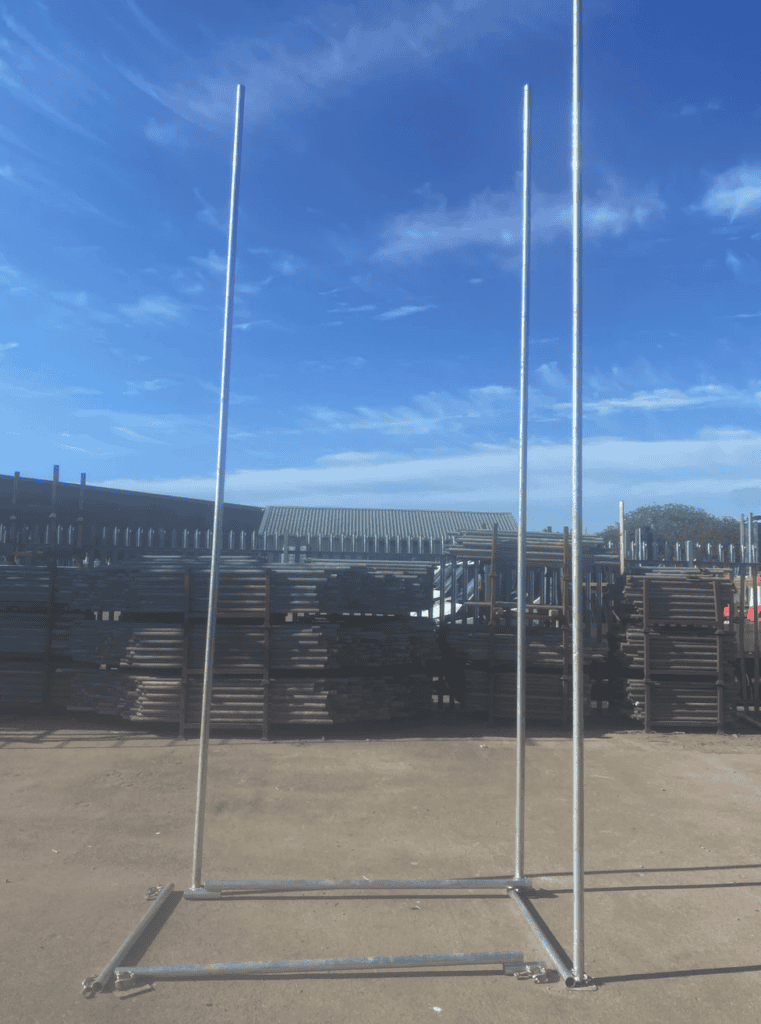
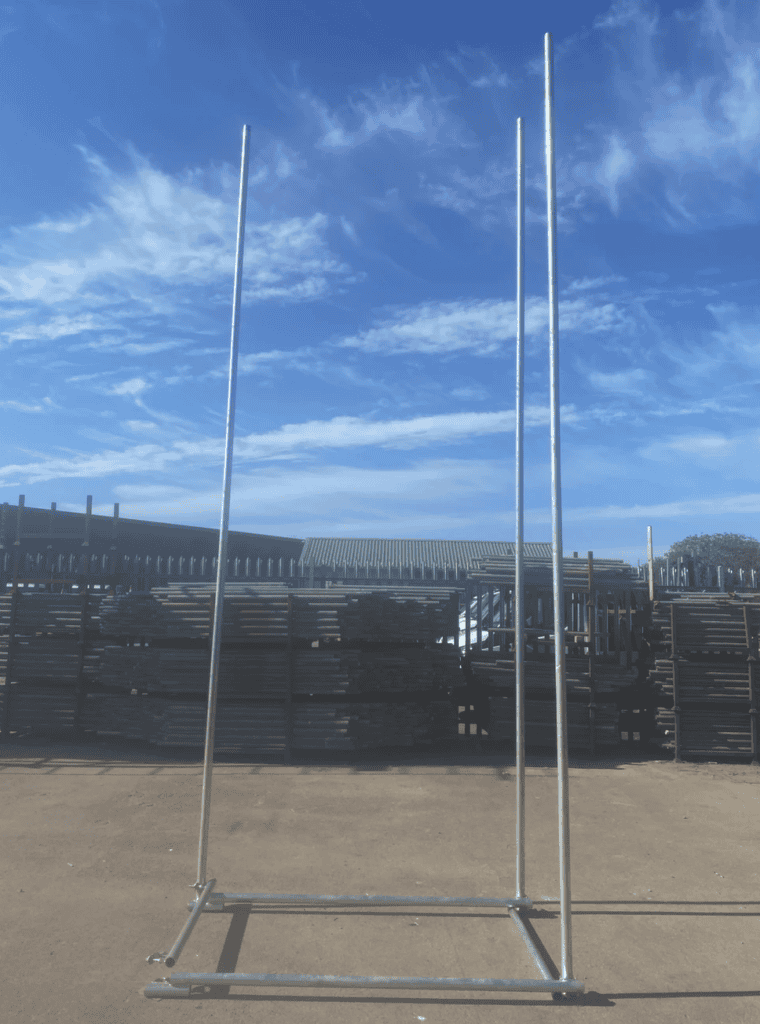
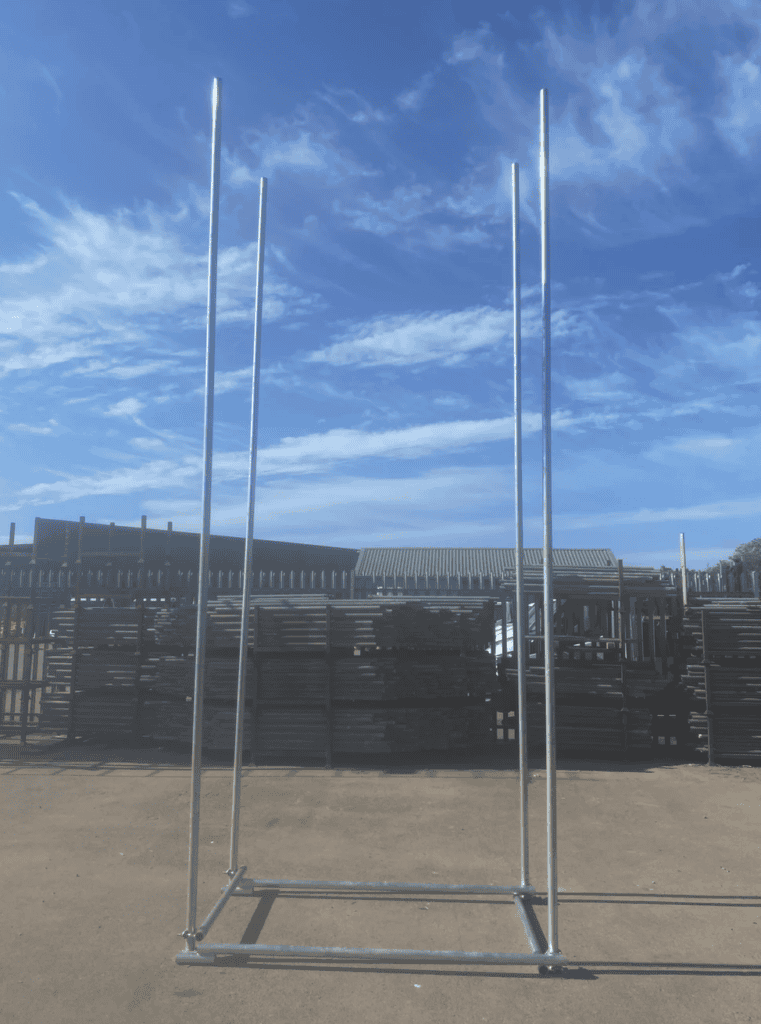
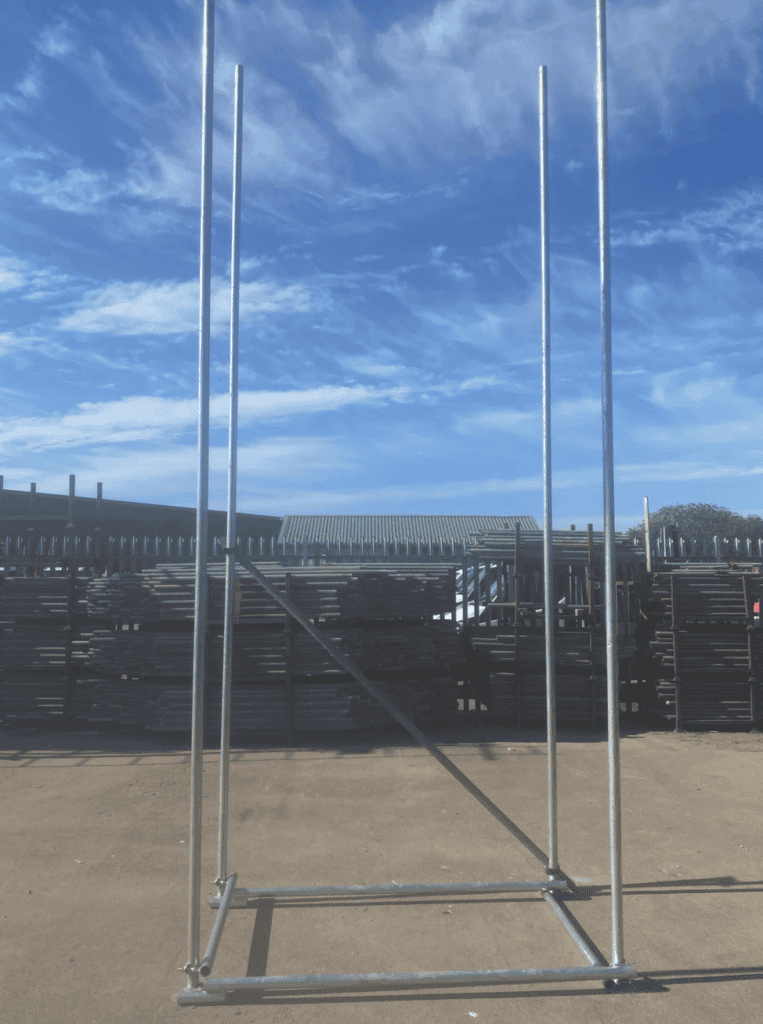
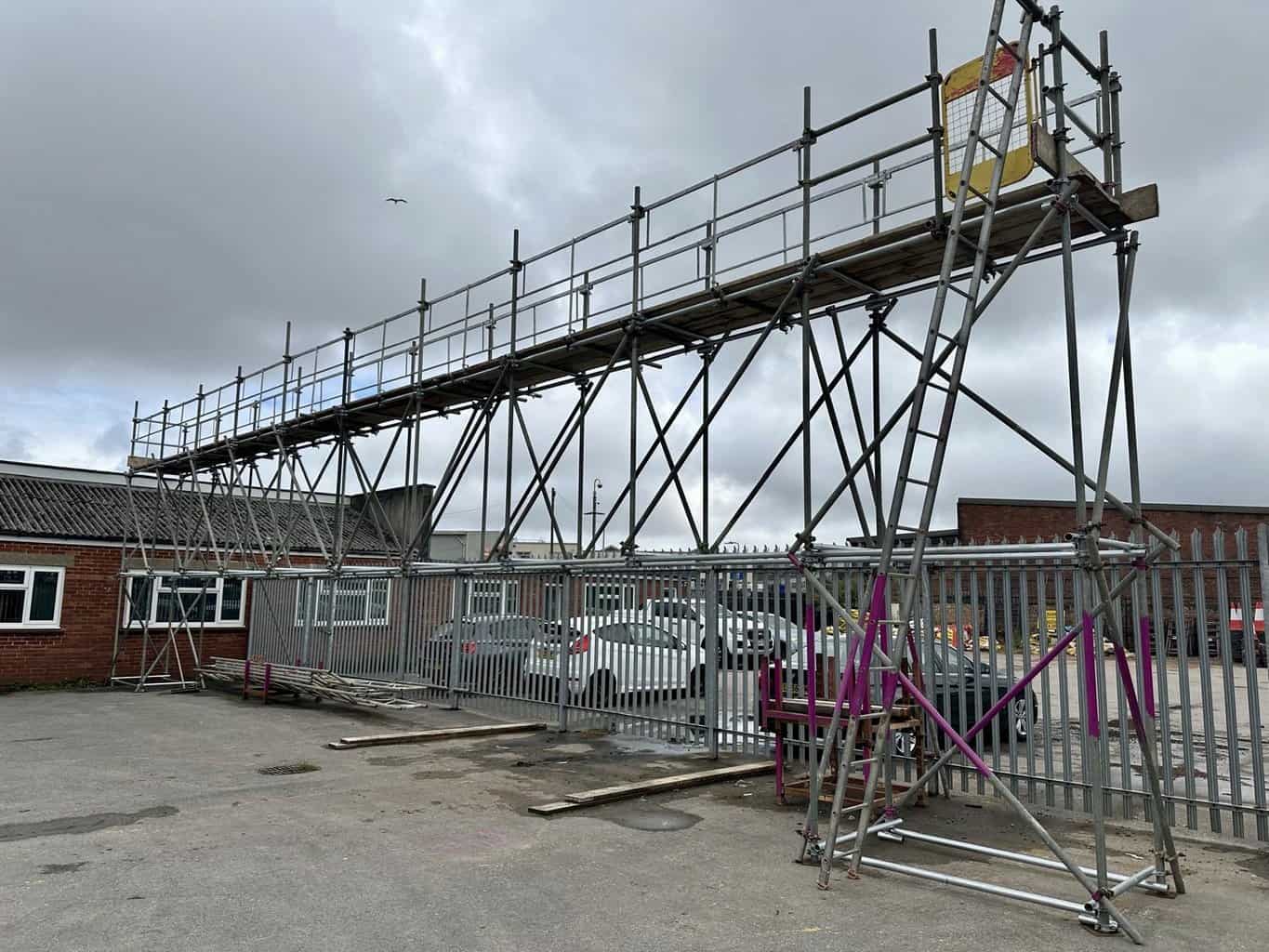 Training schools need to accept innovative products like this to increase productivity, improve safety, and attract more people into the scaffolding industry by teaching the next generation of scaffolding apprentices how to use Tube & Fitting scaffolds,” says Lynch.
Open Day Announcement
Paul Lynch will hold an open day to allow potential customers to get up close and personal with the new Tube & Fitting System Scaffold. This event will provide an opportunity to see the system in action and discuss its benefits with the inventor himself. The open day will be held at South Wales Brickwork & Scaffold Ltd, Queensway, Fforestfach, Swansea, SA5 4DJ, at 11 a.m. on July 30, 2024. Those interested in attending should email [email protected] to register. For more details, visit the Tube & Fitting System Scaffold website.Construction Industry Sees Worrying Rise in Worker Fatalities

The construction industry is facing significant concerns following a sharp increase in worker fatalities, with the latest figures from the Health and Safety Executive (HSE) revealing a troubling upward trend.
Last year, 51 construction workers lost their lives on the job, marking a rise from 47 deaths the previous year. These tragic incidents occurred across England, Wales, and Scotland. Over the past five years, the average annual number of fatalities in the construction sector was 42, highlighting a disturbing escalation in recent times. Ruth Wilkinson, Head of Policy and Public Affairs at the Institution of Occupational Safety and Health (IOSH), described the increase as “significantly higher” than pre-pandemic levels. She emphasised the urgent need for the industry to learn from past incidents and implement more effective safety measures. “Lessons aren’t being learned,” Wilkinson stated. “Much more still needs to be done to protect workers.” The construction sector continues to report the highest number of fatalities among all industries. Common causes of these deadly accidents include falls from height (50 deaths), being struck by a moving vehicle (25), being hit by a moving object (20), being trapped by something collapsing or overturning (15), and contact with moving machinery (8). Wilkinson further stressed the necessity for immediate action: “This is a huge concern, and we need to see action taken to tackle this. Whichever party forms the new government must seek to protect and enhance health and safety standards, particularly across high-risk industries like construction.”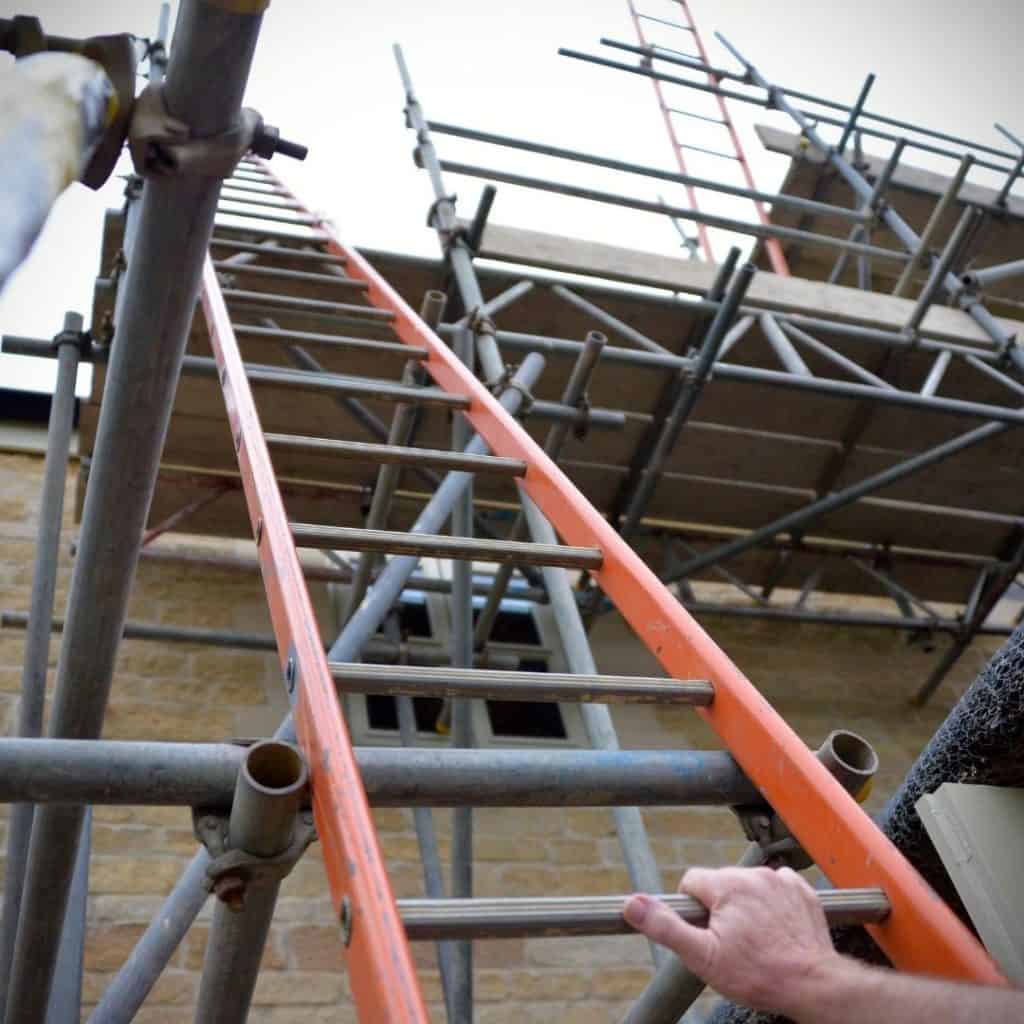 The IOSH official also called on businesses to take responsibility: “Businesses need to step up and ensure they have robust occupational health and safety management systems and control strategies in place to prevent accidents at work and reduce the chance of them happening. Providing a safe and healthy working environment isn’t just an add-on for a business. It is now a fundamental principle and right at work, as recognised by the International Labour Organisation.”
While the construction industry had the highest total number of fatalities, it did not have the highest fatality rate per 100,000 workers. Agriculture, forestry, and fishing sectors reported the highest rate at 7.51 deaths per 100,000 workers, followed by the waste and recycling sector at 3.88. The construction sector’s rate was 2.43.
Another alarming statistic revealed that a third of the fatalities were among self-employed workers, with 41% in construction, 65% in agriculture, forestry, and fishing, and 12% in manufacturing. Men accounted for 95% of the fatalities, with 89 deaths among workers aged 16-59 and 45 deaths among those aged 60 and over, despite the latter group comprising only 11% of the workforce.
These figures, recorded under the Reporting of Injuries, Diseases, and Dangerous Occurrences Regulations (RIDDOR), do not include work-related deaths on the roads, suicides, or deaths caused by work-related diseases, although HSE publishes separate data on certain occupational diseases such as mesothelioma.
The IOSH official also called on businesses to take responsibility: “Businesses need to step up and ensure they have robust occupational health and safety management systems and control strategies in place to prevent accidents at work and reduce the chance of them happening. Providing a safe and healthy working environment isn’t just an add-on for a business. It is now a fundamental principle and right at work, as recognised by the International Labour Organisation.”
While the construction industry had the highest total number of fatalities, it did not have the highest fatality rate per 100,000 workers. Agriculture, forestry, and fishing sectors reported the highest rate at 7.51 deaths per 100,000 workers, followed by the waste and recycling sector at 3.88. The construction sector’s rate was 2.43.
Another alarming statistic revealed that a third of the fatalities were among self-employed workers, with 41% in construction, 65% in agriculture, forestry, and fishing, and 12% in manufacturing. Men accounted for 95% of the fatalities, with 89 deaths among workers aged 16-59 and 45 deaths among those aged 60 and over, despite the latter group comprising only 11% of the workforce.
These figures, recorded under the Reporting of Injuries, Diseases, and Dangerous Occurrences Regulations (RIDDOR), do not include work-related deaths on the roads, suicides, or deaths caused by work-related diseases, although HSE publishes separate data on certain occupational diseases such as mesothelioma. SpanSet Partners with ALTRAD to Launch Life-Saving Helmet Badges
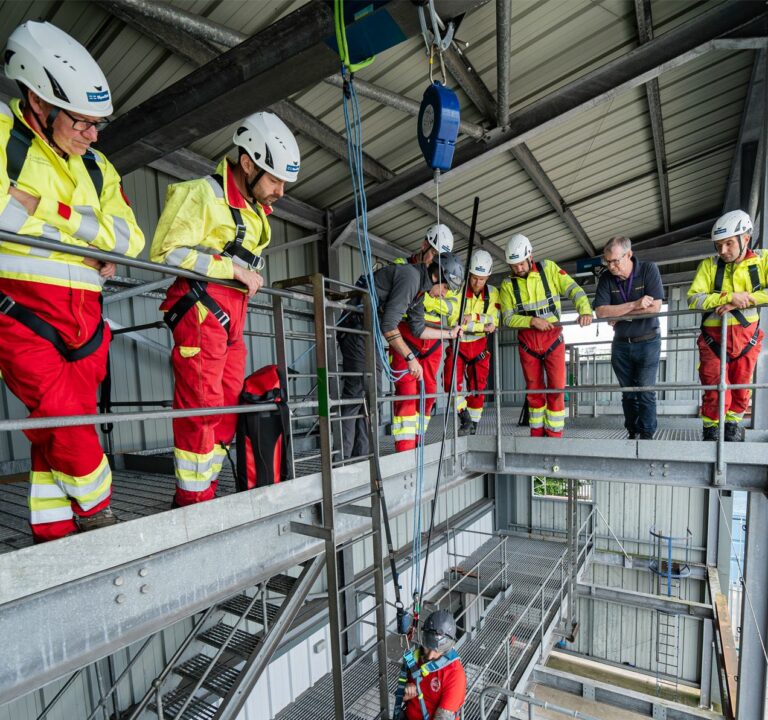
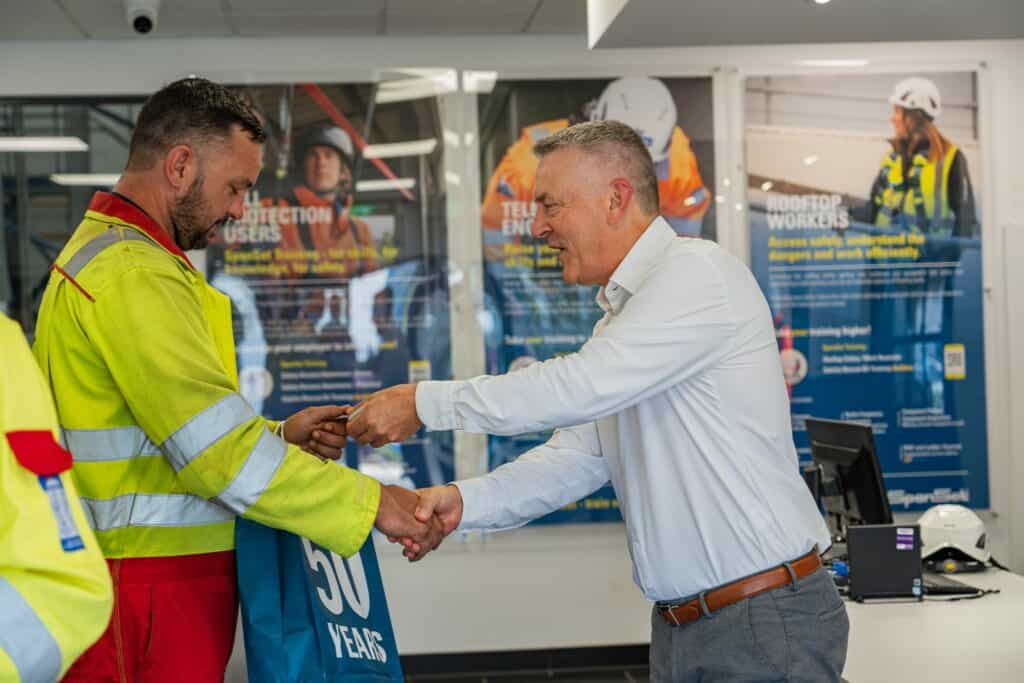
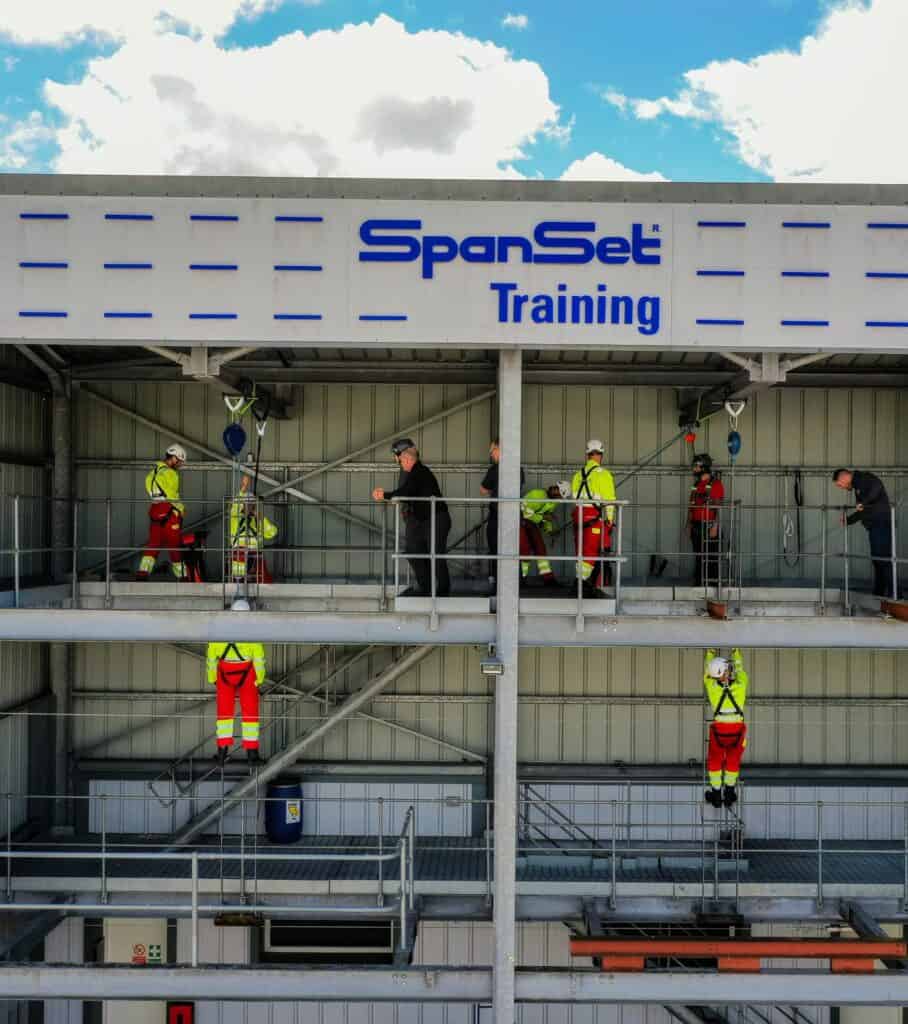
SpanSet, a leader in height safety training, has unveiled its new Gotcha Rescuer Helmet Badge at its Training Centre.
The launch, with valued partners from ALTRAD present to mark the occasion, underscores the company’s commitment to workplace safety, particularly in environments where fall arrest harnesses and lanyards are in use. Pete Ward, Managing Director of SpanSet, highlighted the practical thinking behind the badges: “In the workplace, if accidents occur, we need to be prepared to act quickly. Seeing a first aid helmet sticker for the first time was a lightbulb moment for me. It made perfect sense—not only can you spot first aiders more easily, but you start to remember who they are, just in case. The same logic applies to rescue from height. For those using fall arrest systems, knowing who the trained rescuers are is crucial.” The Gotcha range of rescue kits by SpanSet already stands out on site, akin to fire extinguishers or first aid kits. The new badges serve a similar purpose by making trained rescuers easily identifiable, reinforcing safety protocols and ensuring readiness in emergencies.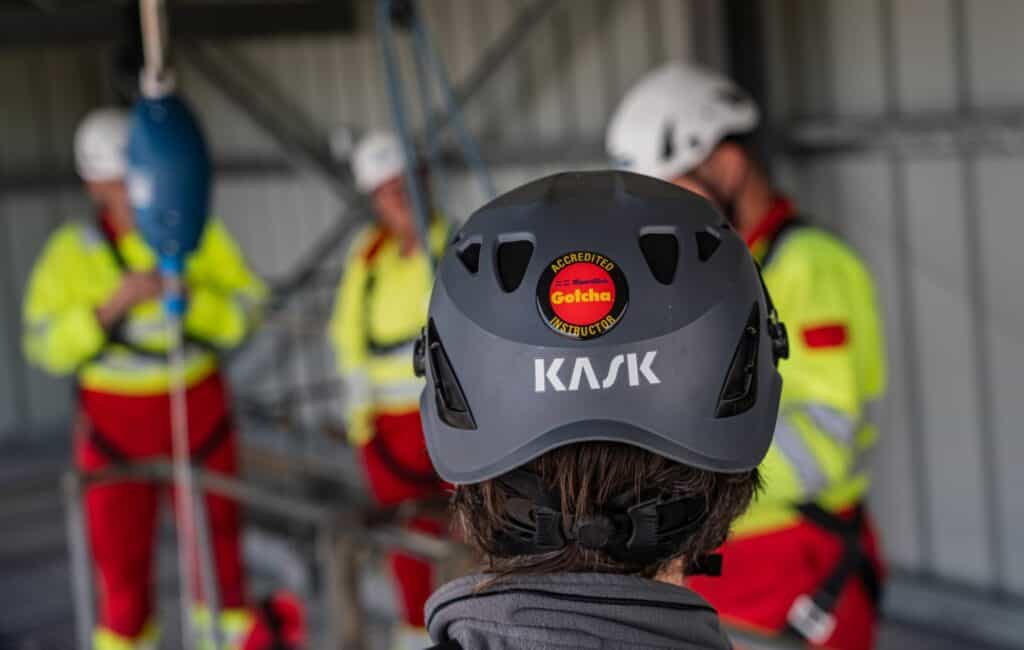
A Towering Success in Brighton: Mattison Scaffolding and Layher Allround System

In the heart of Kemptown, Brighton, a remarkable scaffolding project undertaken on behalf of the Mears Group PLC stands as a testament to engineering excellence and innovative design.
 Wiltshire House, a towering 18-storey building on Lavender Street, is currently undergoing significant renovations facilitated by Mattison Scaffolding Ltd. Utilising the cutting-edge Layher Allround System, this project not only showcases the superior capabilities of Layher UK’s products but also highlights Mattison Scaffolding’s expertise in navigating complex challenges.
The Wiltshire House project, spearheaded by main contractor MEARS, spans an estimated 12-18 months. This ambitious endeavour involves encasing the entire building in scaffolding to facilitate the removal and renewal of the building’s render and repairs to balconies and the External Wall Insulation (EWI). The structure is a colossal 50 metres high and 133 metres in circumference, demanding an exceptional scaffolding solution.
Wiltshire House, a towering 18-storey building on Lavender Street, is currently undergoing significant renovations facilitated by Mattison Scaffolding Ltd. Utilising the cutting-edge Layher Allround System, this project not only showcases the superior capabilities of Layher UK’s products but also highlights Mattison Scaffolding’s expertise in navigating complex challenges.
The Wiltshire House project, spearheaded by main contractor MEARS, spans an estimated 12-18 months. This ambitious endeavour involves encasing the entire building in scaffolding to facilitate the removal and renewal of the building’s render and repairs to balconies and the External Wall Insulation (EWI). The structure is a colossal 50 metres high and 133 metres in circumference, demanding an exceptional scaffolding solution.
Innovative Solutions with Layher Allround System
Choosing the Layher Allround System for this project was a strategic decision for Mattison Scaffolding and Mears. Known for its versatility and reliability, the Layher Scaffolding System ensures unhindered access without the need for ledger bracing in the working lifts. This feature was particularly crucial for Wiltshire House, where maintaining accessibility for residents during the renovation was paramount. The system’s modular design also allowed for swift assembly, meeting the project’s tight logistics and stringent safety requirements.Execution and Challenges
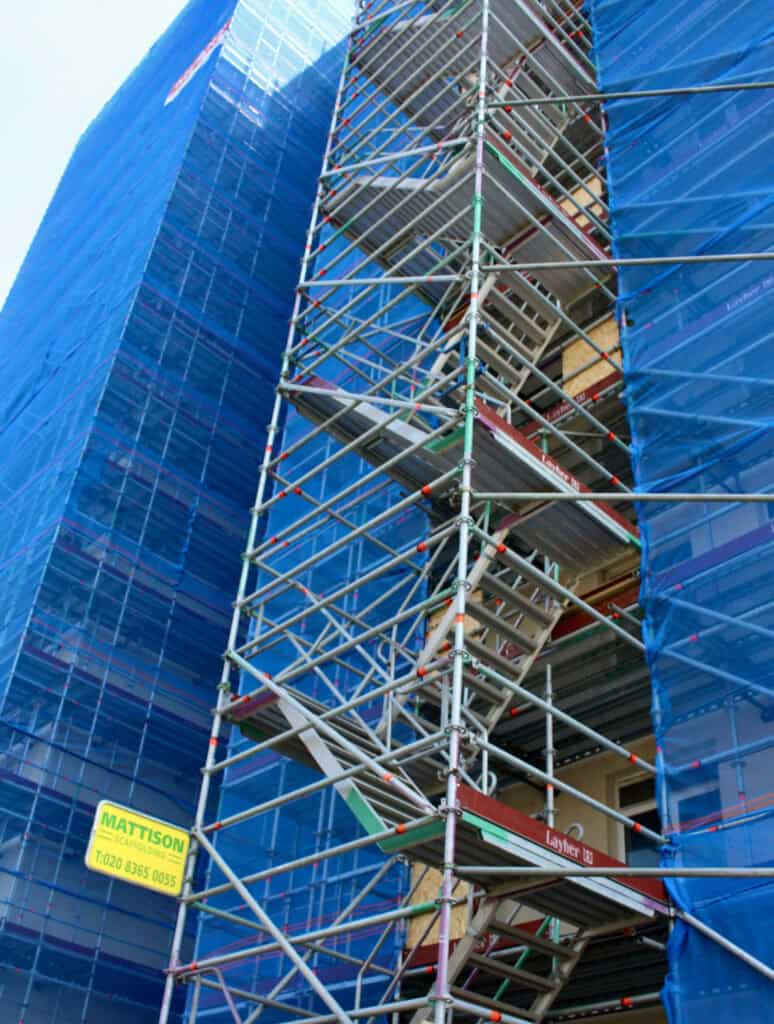 Under the vigilant supervision of Nick Youngs, Mattison Scaffolding’s Contract Supervisor, the project has progressed smoothly despite numerous challenges.
The weather posed a significant hurdle, with frequent rain and strong seafront winds testing the resilience of the skilled scaffolding team. Additionally, ensuring the safety and convenience of the building’s residents required innovative approaches, such as constructing bridged beam sections and installing protective fans over all doorways.
Mattison Scaffolding deployed a dedicated team of six highly skilled operatives, who were commended by Allen Shaw, the MEARS site manager, for their safe working practices and considerate behaviour towards the public.
The scaffold, comprising 17 fully decked lifts, was erected within an impressive 18-week timeframe, showcasing the efficiency and dedication of the team and the speed of which the system can be used, enhancing tight programmes.
Under the vigilant supervision of Nick Youngs, Mattison Scaffolding’s Contract Supervisor, the project has progressed smoothly despite numerous challenges.
The weather posed a significant hurdle, with frequent rain and strong seafront winds testing the resilience of the skilled scaffolding team. Additionally, ensuring the safety and convenience of the building’s residents required innovative approaches, such as constructing bridged beam sections and installing protective fans over all doorways.
Mattison Scaffolding deployed a dedicated team of six highly skilled operatives, who were commended by Allen Shaw, the MEARS site manager, for their safe working practices and considerate behaviour towards the public.
The scaffold, comprising 17 fully decked lifts, was erected within an impressive 18-week timeframe, showcasing the efficiency and dedication of the team and the speed of which the system can be used, enhancing tight programmes.
Safety and Collaboration
Safety was a top priority throughout the project. The entire base of the scaffold was secured with heras fencing, and meticulous planning ensured that all potential hazards were mitigated. Collaboration with safety inspectors and other specialists ensured compliance with all safety regulations and standards. The successful erection and handover of the scaffold to MEARS marks a significant milestone in the project. As work continues on Wiltshire House, the benefits of using the Layher Allround System are becoming increasingly evident. The system’s robustness and flexibility have proven invaluable in meeting the project’s demands, setting a new benchmark for future scaffolding projects.
While the project has not yet received any formal awards or recognitions, the positive feedback from key stakeholders speaks volumes about its success. Allen Shaw’s praise for Mattison Scaffolding’s team highlights the high standards maintained throughout the project.
The successful erection and handover of the scaffold to MEARS marks a significant milestone in the project. As work continues on Wiltshire House, the benefits of using the Layher Allround System are becoming increasingly evident. The system’s robustness and flexibility have proven invaluable in meeting the project’s demands, setting a new benchmark for future scaffolding projects.
While the project has not yet received any formal awards or recognitions, the positive feedback from key stakeholders speaks volumes about its success. Allen Shaw’s praise for Mattison Scaffolding’s team highlights the high standards maintained throughout the project.
Conclusion
The Wiltshire House project is a shining example of what can be achieved when cutting-edge technology meets skilled craftsmanship. Mattison Scaffolding’s adept use of the Layher Allround System has not only facilitated a complex renovation but has also set a precedent for future projects in the industry. As the project progresses towards completion, it stands as a proud testament to the capabilities of Layher UK the expertise of Mattison Scaffolding, and the foresight of The Mears Group PLC.Why the Scaffolding Industry Needs a Touch Screen Training Tool

Revolutionising Scaffolding Training: A Touch Screen Solution for Modern Scaffolding By James McMillan
As someone who has spent years in the scaffolding industry, both as an Advanced Scaffolder and now as a Health and Safety Advisor/Inspector, I’ve seen firsthand the daily challenges and risks. This experience has driven me to develop an innovative solution that I believe can transform scaffolding training and significantly improve safety and efficiency in our industry.The Genesis of Innovation
My inspiration for this project came from personal struggles with traditional learning methods. Having ADHD and dyslexia, I found conventional training, which heavily relies on written materials and classroom instruction, particularly challenging. These challenges led me to envision a training program that caters to the visual and auditory learning styles that are often more effective for scaffolders.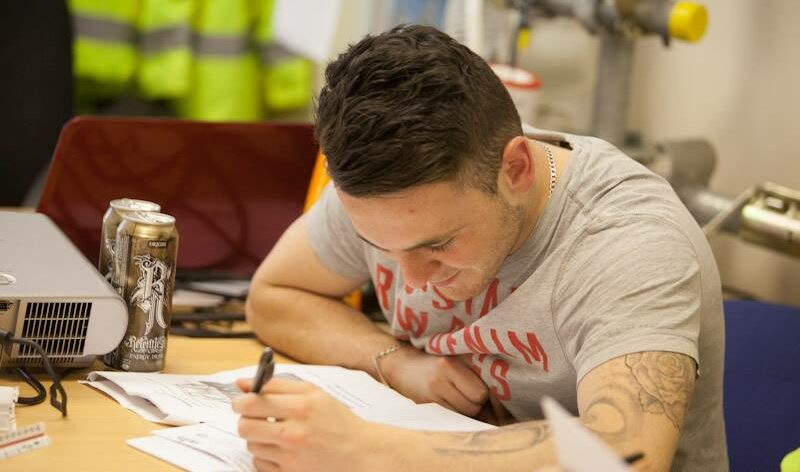
Introducing the Touch Screen Training Tool
This new training tool is designed to be compatible with all touchscreen devices, making it accessible and user-friendly. It features intuitive drag-and-drop functionality that allows users to place detailed components like tubes and fittings accurately, receiving instant feedback to reinforce correct practices. By emphasising visual and auditory learning, the tool simplifies complex concepts, making them easier to grasp without requiring extensive written instructions. The ability to practice virtually before real-life application is a game-changer. Scaffolders can build confidence and competence in a risk-free environment, enhancing their skills and understanding. This method improves safety and leads to more efficient work practices on-site.
The program is tailored to align with CISRS (Construction Industry Scaffolders Record Scheme) practices, ensuring it meets industry standards and helps maintain consistent safety practices across the sector.
The ability to practice virtually before real-life application is a game-changer. Scaffolders can build confidence and competence in a risk-free environment, enhancing their skills and understanding. This method improves safety and leads to more efficient work practices on-site.
The program is tailored to align with CISRS (Construction Industry Scaffolders Record Scheme) practices, ensuring it meets industry standards and helps maintain consistent safety practices across the sector.
Enhancing CISRS Training
 This training tool aims to improve or replace several aspects of CISRS training:
- Theory-Based Learning: Traditional classroom and textbook-heavy study can be daunting. Our tool makes theoretical learning more engaging with interactive, visual, and auditory methods.
- Practical Skills Training: On-site practice can be resource-intensive and time-consuming. By allowing the virtual practice of scaffold structures, we ensure correct placement and dimensions, enhancing practical skills efficiently.
- Assessment and Competency Verification: The tool provides instant feedback on scaffold designs, replacing paper-based assessments with interactive, software-based evaluations.
- Familiarisation with Complex Structures: Scaffolders can gain experience with various fittings and components virtually, reducing the sole reliance on on-the-job experience.
- Remote Learning and Practice: The tool enables learning and practice from anywhere, eliminating the need for travel and on-site training sessions.
Real-World Application
Imagine being a scaffolder who has been doing the same work for three years and now needs to build a hanger, a bridge, or a saddle—structures you haven’t worked on since your initial training. With this app, you can quickly review best practices before starting or even while on the job. This reduces the need to rely on long-term memory during high-risk, physically demanding work, improving health and safety, easing workflows, and enhancing competency while minimising stress.Industry Impact and Future Prospects
If this training tool comes to fruition, its impact on the scaffolding industry could be profound. By modernising training methods, we aim to set new standards in scaffolding education and ensure consistent safety practices across the industry. Improved training could reduce the risk of accidents and injuries, creating a safer working environment for scaffolders. Scaffolders trained using this tool are likely to perform tasks more efficiently, leading to higher productivity on job sites. The tool’s engaging and accessible format could also attract new recruits to the industry, addressing labour shortages and helping to train the next generation of scaffolders.