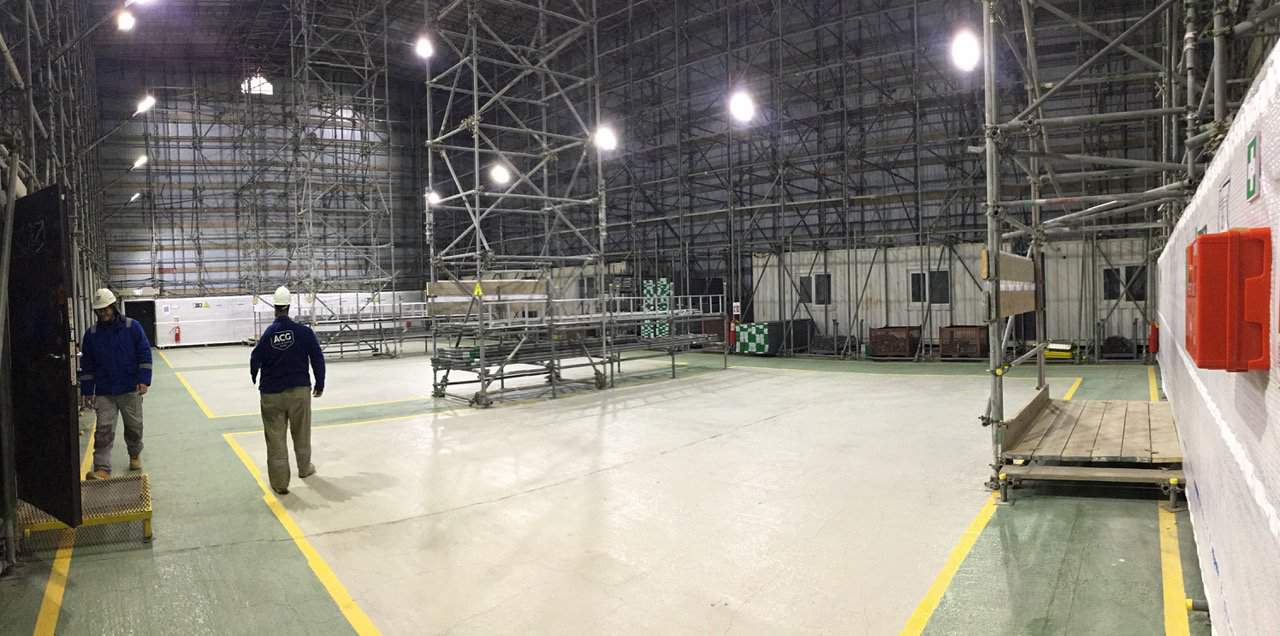
In a significant development for Kazakhstan’s industrial sector, 3t Training Services, in partnership with the Access Coatings Group (ACG), has achieved a landmark milestone by opening the country’s first Construction Industry Scaffolders Record Scheme (CISRS) Centre.
Situated within the expansive Tengiz oilfield project, the facility has garnered CISRS Overseas Scaffolder Training Scheme (OSTS) accreditation, marking a pivotal step in advancing local workforce qualifications to globally recognised standards.The Tengiz oilfield, discovered in 1979, is among the world’s largest, boasting recoverable oil reserves exceeding 6 billion barrels and 18 billion cubic meters of gas. Establishing the CISRS Centre at such a strategic location highlights the industry’s commitment to safety, quality, and excellence in scaffolding training and operations.The newly accredited centre is equipped to offer an array of critical scaffolding courses, including Level 1 and Level 2 Scaffolding and Basic Scaffold Inspection training. With an eye toward future growth, plans are already underway to expand the centre’s offerings. Anticipated additions include system scaffold product training for Peri and Cuplok systems and a comprehensive Scaffolding Supervisor programme.Established in 2013, ACG has a solid track record of delivering specialised industrial services across the region, including scaffolding, painting, and insulation. This initiative reflects ACG’s dedication to fostering local talent and adhering to the highest industry standards globally.Tony Turnbull, COO of ACG, expressed pride in his team’s achievement, highlighting the rigorous effort involved in attaining CISRS accreditation. “Achieving this internationally recognised qualification signifies our commitment to excellence and safety in the scaffolding industry,” Turnbull remarked. He extended special thanks to 3t Training Services, particularly acknowledging Gary Brown’s crucial support in finalising the accreditation process.Emma Howorth, General Manager at 3t, conveyed her enthusiasm about the collaboration with ACG and the establishment of a state-of-the-art CISRS training facility in Tengiz. “Our joint effort aims to upskill the local workforce, ensuring that they meet international standards. We are grateful for CISRS’s support in making this achievement possible,” Howorth stated.Dave Mosley, CISRS Managing Director, praised the Tengiz centre’s setup following his audit visit. He was particularly impressed by the ongoing plans to further enhance the facility with new classrooms, office spaces, and a kitchen breakout area for delegates, which he believes will significantly enrich the training experience.
Embrace Building Wraps has installed a spectacular CGI scaffold wrap to replicate the iconic facade of the AdmiraltyArch during renovations. The wrap blends heritage with luxury as the building becomes a Waldorf Astoria hotel.
London’s iconic Admiralty Arch, a symbol of British heritage and architectural splendour, is undergoing a remarkable transformation. Embrace Building Wraps, one of the UK’s premier providers of printed building wrap solutions, has played a pivotal role in this transformation by installing an innovative CGI tromp l’oeil scaffold wrap that mirrors the arch’s original façade.This exciting project will convert the arch into a luxury hotel for Waldorf Astoria, blending historical preservation with modern luxury.Admiralty Arch is a Grade I listed building. It was originally commissioned by King Edward VII in memory of Queen Victoria and completed in 1910 by esteemed architect Sir Aston Webb. It marks a spectacular entrance from Trafalgar Square to The Mall, leading to Buckingham Palace.After years of lying vacant, the arch is now being meticulously renovated to host a five-star hotel alongside residences and a private members’ club, a project spearheaded by the Ruben Brothers and executed by the main contractor, Knight Build.In an effort to maintain the arch’s aesthetic and historical integrity during its renovation, Embrace Building Wraps has implemented a visually stunning solution. The company has enveloped the structure facing Buckingham Palace with a 2,945 square meter CGI image of the building, replicated on a printed scaffold wrap.This mammoth undertaking spans approximately 155 meters wide and 19 meters high, ingeniously accommodating the arch’s concave shape through five separate offset frames and printed wraps.Greg Forster, Managing Director at Embrace Building Wraps, shared his enthusiasm for the project, noting the complexities and challenges involved. “This project was a tremendous undertaking for us, both in terms of the project’s size and the intricate details required to reproduce the building’s façade faithfully. We’re immensely proud of the result, which not only respects the heritage of this iconic landmark but also showcases our capability to deliver high-quality, visually impactful solutions for significant hotel brands,” Forster said.The Embrace Building Wraps’ Creative Team created the wrap through an extensive process. They relied on historical references and advanced imaging techniques to ensure a realistic and consistent portrayal. This included capturing natural ambient lighting, seasonal variations, and intricate Victorian architectural details, from statues to crests and inscriptions on the arch.This artistic and engineering feat will adorn the Admiralty Arch for approximately eighteen months, serving as a temporary façade until the renovation’s completion. The eagerly awaited Waldorf Astoria London Admiralty Arch will open its doors in 2025 and offer 96 luxurious rooms and suites, a rooftop bar, spa, ballroom, and multiple dining options.
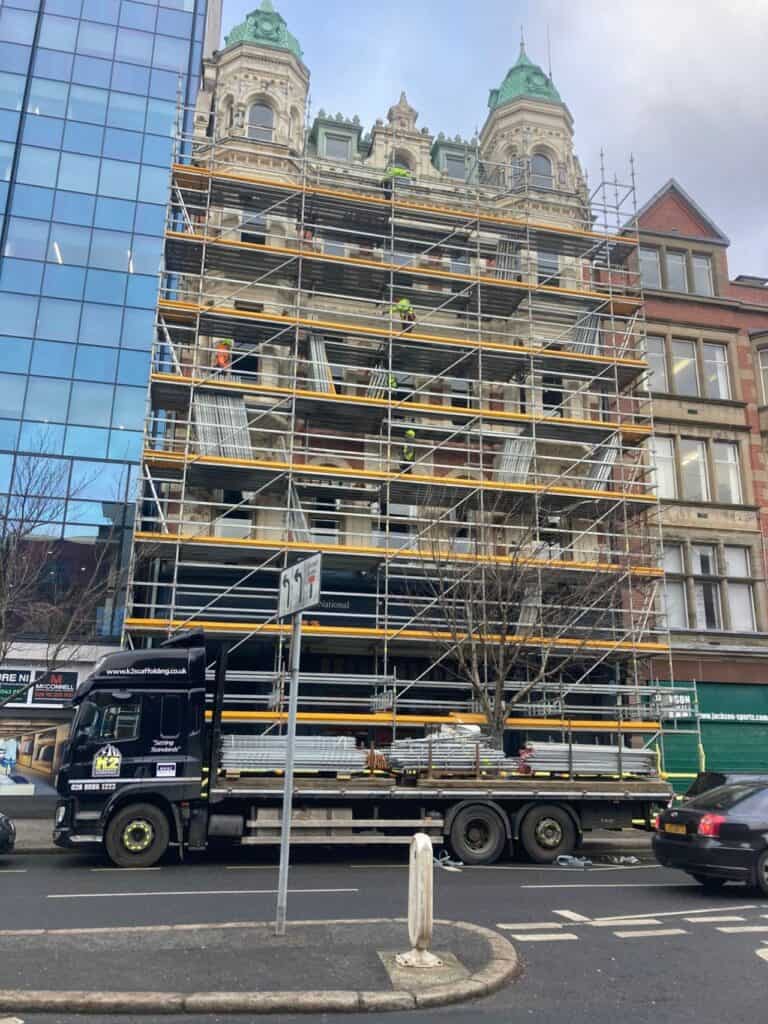
As a result of a pioneering collaboration, PERI and K2 Scaffolding have delivered a state-of-the-art façade access solution for The National Bank in Belfast, a building renowned for its historical significance and architectural grandeur. The Grade I listed structure, which is currently undergoing a critical roof upgrade, posed unique challenges due to its delicate framework and the necessity to preserve its aesthetic and structural integrity.K2 Scaffolding, faced with the task of accessing the building’s façade without compromising its bay windows, turned to PERI’s design expertise for a solution. Traditional scaffolding methods, which typically involve tying the structure directly to the building, were not feasible due to the potential risk of damage to the building’s delicate areas. PERI’s team rose to the challenge, employing innovative strategies to minimise and strategically position ties, thus ensuring the building’s preservation.The use of PERI UP console brackets was a game-changer in this project. These brackets, attached to the internal standards of the scaffold, allowed the structure to be stepped back from the façade. This ingenious approach not only reduced direct contact with the building but also maintained the necessary proximity to carry out the refurbishment work. The brackets extended the platform’s surface area, effectively bridging the gap between the scaffold and the building, thereby offering a seamless and safe working environment.One of the project’s most significant challenges was the absence of structural drawings for The National Bank. This meant that PERI’s design team, in collaboration with K2 Scaffolding’s experienced personnel, had to develop a bespoke ‘as-built’ solution. Through meticulous site surveys and the adaptable nature of PERI UP components, the team succeeded in creating a tailored scaffolding solution that conformed perfectly to the unique shape of the building’s roof.Moreover, the project included the design of a pavement gantry at ground level to ensure public safety. This feature incorporated a bespoke PERI UP fan, designed to protect pedestrians from falling objects, showcasing the team’s commitment to safety and innovation.The collaboration between PERI and K2 Scaffolding not only reinforces the importance of preserving our architectural heritage but also highlights the potential of modern engineering solutions to overcome seemingly insurmountable challenges.
Millcroft has started work on the contract to provide an essential logistics gantry for the major works project at Blashford Tower on the Chalcots Estate in Camden.
Situated on Adelaide Road in north-west London, Blashford Tower comprises 72 flats over 19 storeys and is one of five high-rise towers that form the Chalcots Estate. The £22m design and build recladding and fire safety works contract is part of Camden Council’s commitment to deliver a new standard of safety for residents. GRAHAM, awarded the Blashford Tower contract in September 2021, is delivering the project in two stages. The first stage involved extensive design work and tests to determine how the safety improvements would be implemented. The ongoing second phase includes setting up the site and installing an A1-rated cladding system, a curtain wall, new windows, and the replacement of brickwork to the underground level. Millcroft’s integral role in the project is to provide scaffolding, which will form a logistics gantry and distribution route and provide safe access to the site accommodation for workers. This entails the erection of a heavy-duty gantry extending from the face of Blashford Tower towards the site welfare facility, with scaffolding spreading to the Adelaide Medical Centre adjacent to Blashford Tower. The tower’s location and tight site constraints, including limited storage, have presented several challenges for Millcroft’s team. This is a live site with residents remaining in the tower until work on their respective floor level starts, when they will be moved to temporary accommodation. Further complications arise from the need to always keep the pedestrian ramps along the tower’s east and west sides clear, as it serves as vital access to the medical centre.The tower’s location has also required careful consideration. The site runs adjacent to Network Rail tracks at the bottom of a densely vegetated slope. A ground investigation was conducted to assess the slope’s stability and confirm its capacity to withstand the additional force and loads imposed by the gantry and scaffolding. Additionally, as the scaffolding is being erected on Network Rail land, the design of the scaffold had to be submitted to Network Rail for approval.Billy Jones, Managing Director at Millcroft, said, “GRAHAM is a long-term strategic partner and valued client of ours, and our Pre-Commencement team has been working with them on this project for around three years to ensure all aspects of our scaffolding meet the required standards and design for this complex site. We started on site at the beginning of November and expect to complete our part of the contract installation works by February 2024.”
BrandSafway has appointed Centin Baxter as the new Regional Vice President of its UK Commercial business. He will take over the Lyndon SGB scaffolding, hoist, and mastclimbers brand.
Centin Baxter, a seasoned professional in the field, has been part of the BrandSafway team since 2012. He has ascended through various leadership positions within the company, most recently serving as Vice President of Global Asset Management at BrandSafway International’s Division since 2021. Baxter’s rich background includes extensive experience across the Middle East and Africa, where he held senior roles in logistics and operations, bringing a wealth of value-driven business leadership expertise to his new role.Upon his appointment, Mr. Baxter said, “I could not be more thrilled to take on the post. Lyndon SGB has a long tradition and excellent reputation in the UK, where we serve customers with 14 locations across the country – throughout Scotland, in Wales and across the length and breadth of England.”Lyndon SGB by BrandSafway has been at the forefront of delivering innovative access solutions in the UK, contributing to major projects such as the NASC’ Project of the Year awarded Manchester Town Hall, the Co-Op Live Arena in Manchester, and the historic Glasgow School of Art. These projects highlight the company’s commitment to safety, quality, and productivity through its hybrid access solutions.The company’s portfolio boasts state-of-the-art scaffolding solutions, mechanical access hoists, mastclimbers, rapid edge protection systems, and QuikDeck® suspended access platforms. Baxter emphasised the company’s ongoing commitment to excellence, “We will remain committed to providing best-in-class solutions which meet the challenges our top-level construction and infrastructure customers are facing – utilising our in-house design and engineering team’s expertise, experience and prowess, as well as the extensive skills of our operatives, logistics and support staff.”
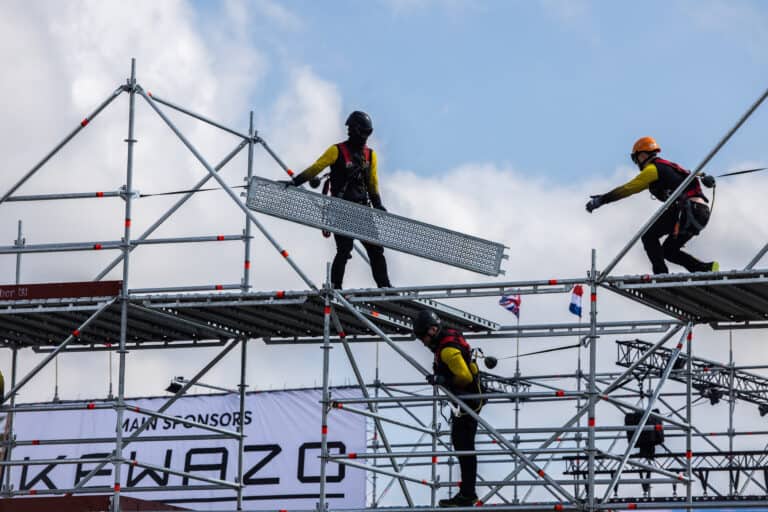
The event organisers of the upcoming ScaffChamp have announced that scaffolding robotics firm KEWAZO has renewed its partnership with ScaffChamp 2024, marking the third consecutive year of collaboration.
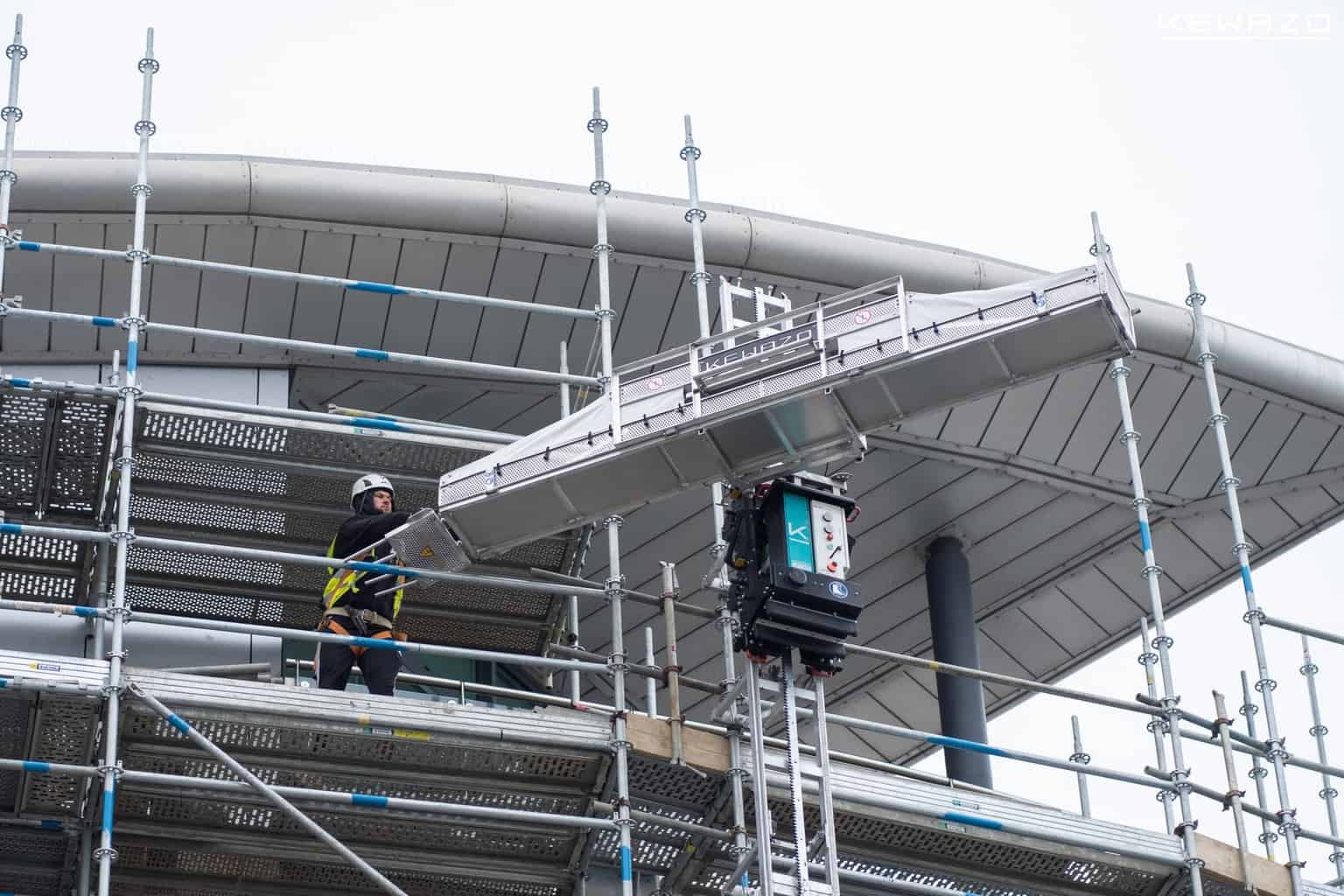
Now in its fourth year, ScaffChamp will be held on 24 – 25 May 2024 in Vilnius, Lithuania. Teams of scaffolders from around the world, including three teams from the UK, will compete in the championships.Since its inception in 2018, KEWAZO has emerged as a leader in the construction robotics field. It focuses on automating on-site material handling through advanced robotics and data analytics. Its flagship innovation, LIFTBOT, a lifting robot designed for scaffolding, has helped revolutionise the industry by addressing labour shortages, reducing labour costs by up to 70%, and significantly improving working conditions.Jonas Lerchenmueller from KEWAZO commented on the partnership: “This marks the third year of our collaboration with ScaffChamp, driven by a mutual commitment to pioneering innovation within the scaffolding industry. Both our organisations lead the way in our respective areas, working tirelessly to raise awareness, safety, and operational standards across the sector.”KEWAZO’s partnership with ScaffChamp has become a cornerstone of the event, fostering a collaborative relationship between cutting-edge technology and traditional scaffolding craftsmanship. “The past three years of partnership with ScaffChamp have been transformative, not only for our organisations but for the scaffolding industry as a whole,” remarked Lerchenmueller. “Our continued collaboration is a testament to KEWAZO’s mission – improving lives of scaffolders.“Twenty-one teams from around the world are set to compete at ScaffChamp 24, and it is expected to draw more than 700 people to watch the event unfold. Tickets for the event are still available from the ScaffChamp website.
A Kent-based construction firm faces a fine and costs totalling over £100,000 following a tragic incident on a Kent building site.
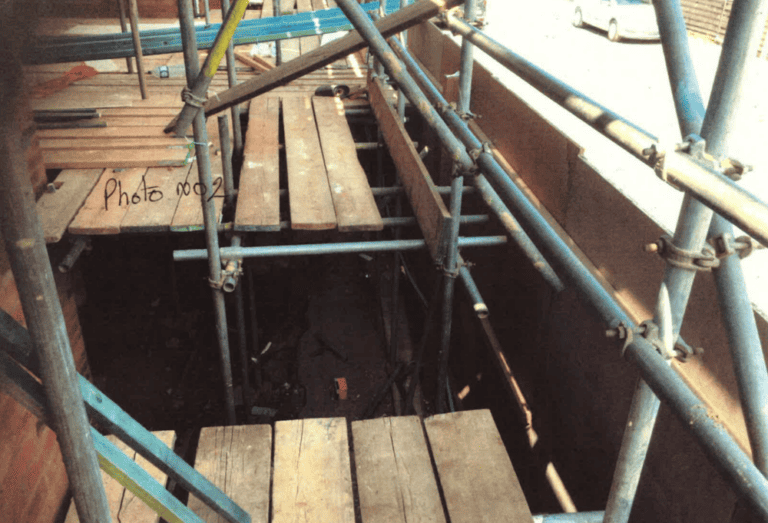
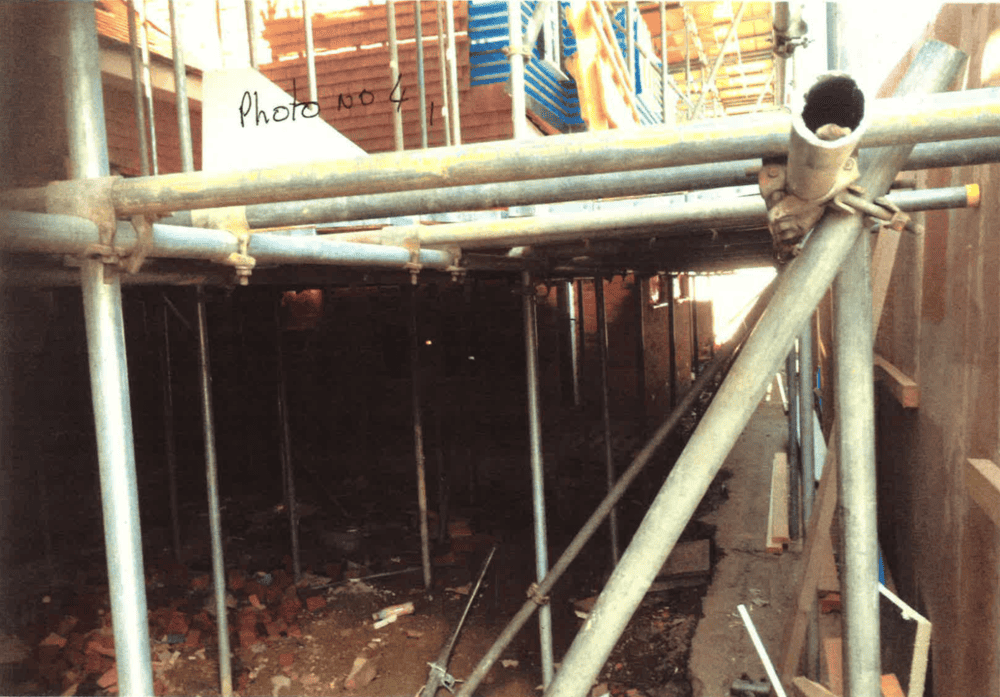
Amberley Homes (Kent) Ltd has been fined after a fatal accident. Mark Tolley, a 51-year-old subcontractor, died following a fall from scaffolding at a building site in Headcorn, Kent. The incident occurred on 5 July 2017, leading to Tolley sustaining critical injuries, from which he later died on 13 July 2017.Tolley was engaged in the installation of vertical hanging tiles on one of the six houses being constructed on Smarden Road when he fell 1.8 meters through an unguarded opening in the scaffold. The injuries he sustained were severe, including multiple broken ribs and a punctured lung, which ultimately proved fatal.The Health and Safety Executive (HSE) launched an investigation into the circumstances surrounding Tolley’s fall. Their findings revealed significant safety oversights by Amberley Homes (Kent) Ltd, the principal contractor for the Smarden Road project. The investigation highlighted the company’s failure to appoint personnel with the necessary qualifications and experience to manage the construction site effectively. It was also found that the firm did not maintain the scaffolding as a safe working platform throughout the project’s various phases, exposing workers to significant risks.“This tragic incident could have been easily avoided had there been adequate site management to ensure the scaffold was suitably adapted to meet the needs of the different subcontractors working on the project,” said HSE principal inspector Ross Carter. “The failure to do so has had the most severe consequences.”Amberley Homes (Kent) Ltd admitted to breaching the Construction (Design and Management) Regulations 2015 at a trial. The company was subsequently fined £25,000 and ordered to pay £83,842.34 in costs at a hearing at Canterbury Crown Court on 15 March 2024.This case serves as a poignant reminder of the critical need for rigorous adherence to safety standards in the construction industry. “Principal contractors have a duty to plan, manage, and monitor the construction phase of a project effectively,” Carter highlighted. “The HSE will not hesitate to take enforcement action against those who fall short of the required standards.”
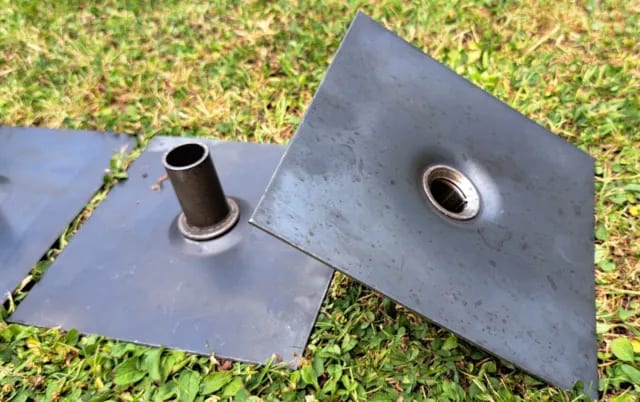
The National Access & Scaffolding Confederation (NASC) has issued a significant technical update to its guidance document TG20:21 to align scaffold baseplate practices with current industry standards. The update, released today, reaffirms the critical position of baseplate thickness within scaffolding and access systems across the UK.The latest technical update, accessible exclusively to NASC members via the trade body’s website, will soon be available on the NASC ePortal. It follows rigorous testing conducted by an accredited centre to ensure adherence to professional standards.Key highlights of the update include clarification on the appropriate utilisation of baseplates of varying thicknesses, specifically 2mm, 3mm, and 5mm, in different situations. This comprehensive guidance is poised to enhance the scaffolding sector’s safety protocols and operational efficiencies.Industry stakeholders and scaffolding professionals are encouraged to review the updated guidance to remain compliant with best practices and ensure safety in scaffolding and access operations.NASC members can visit the association’s website for further details and access to the technical update. At the same time, non-members are advised to check for availability on the NASC ePortal in the near future.
BPI Auctions has announced the auction of assets belonging to Yorkshire Elite Scaffolding, which is undergoing liquidation proceedings.
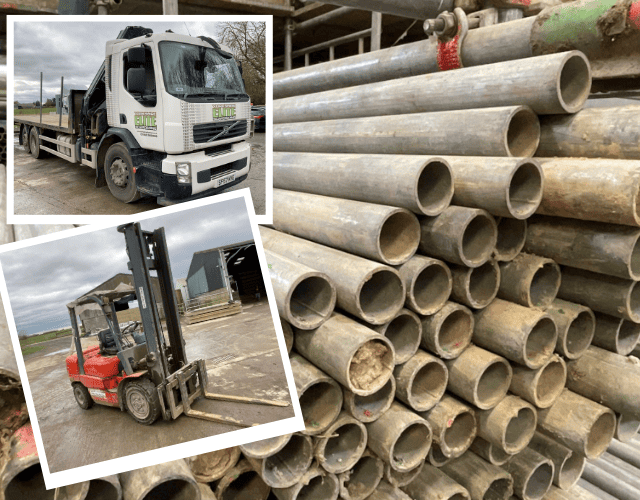
This event presents a significant opportunity for businesses and individuals seeking to acquire quality equipment and vehicles within the sector.The auction, which ends on March 22, 2024, at 14:00, features various items, including vehicles, forklifts, scaffolding materials, and associated accessories. Several vehicles, such as a 2015 Peugeot Partner, a 2012 Iveco Eurocargo, a 2008 Mercedes Sprinter, and a 2008 Volvo Flatbed, are notable among the offerings. Additionally, a 2014 Peugeot Partner will be available for acquisition.For many in the scaffolding industry, the auction presents an opportunity to procure essential materials. Tonnes of Scaffolding boards, tubes, fittings, ladders, and access towers are among the items on offer, catering to various industry requirements. Furthermore, a 2008 Heil forklift truck is among the assets available for acquisition.View the entire lot by visiting Bpi Auctions Website
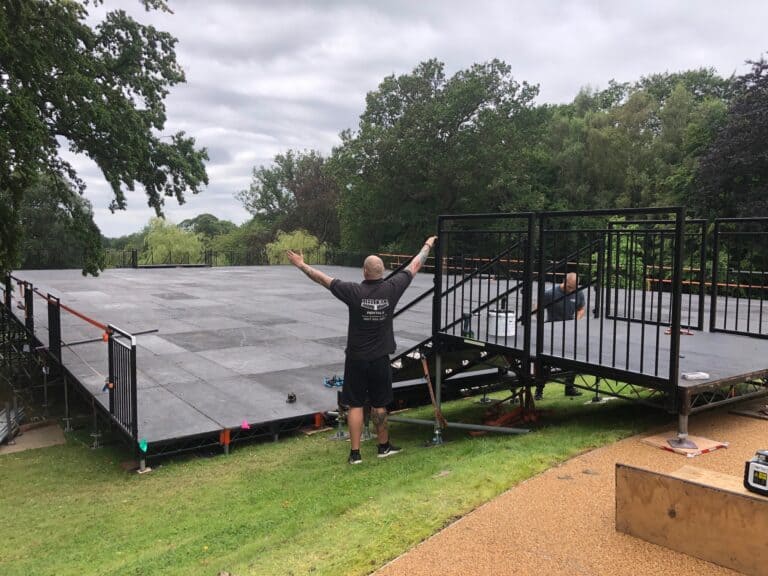
In a significant move poised to redefine standards within the events and entertainment industry, ESITS (The Event Structures Industry Training Scheme) has proudly announced a groundbreaking product partnership with Steeldeck Rentals, a leading provider of bespoke temporary staging and seating solutions. The collaboration aims to deliver unparalleled expert training and competency assurance in modular staging and seating, further cementing both organisations’ commitment to safety and excellence in the sector.Mike Dean, the Scheme Director of ESITS, emphasised the synergy between the two organisations, “Steeldeck Rentals is a leading supplier of modular staging and seating solutions within the events and entertainment industry, so it is great to have their valued support for ESITS. We look forward to working with Steeldeck on the addition of modular decking system training within ESITS for those involved in the planning, control, design, and building of temporary demountable structures.”Tariq Rifaat, Managing Director of Steeldeck Rentals, echoed this sentiment, highlighting the importance of this partnership in fostering a safer industry environment. “We are excited to be part of the ESITS training programme for modular staging and seating. Steeldeck Rentals’ commitment to health and safety is paramount to us, and as ESITS product partner – we can provide our expert knowledge to mitigate risks when working with our products.”The collaboration between ESITS and Steeldeck Rentals represents a pivotal step towards addressing the training and assessment needs within the events industry. It underscores a shared dedication to ensuring safe work systems and adopting best working practices. The partnership aims to significantly enhance the industry’s competency levels by leveraging Steeldeck Rentals’ thirty years of expertise in designing and installing bespoke event solutions across the UK and Europe.Both organisations have expressed their commitment to industry professionals’ health and safety, with every Steeldeck Rentals team member undergoing regular, rigorous training. The partnership with ESITS is a testament to Steeldeck Rentals’ expert knowledge and leadership within the industry, promising to elevate training and safety standards to new heights.
We use cookies on our website to give you the most relevant experience by remembering your preferences and repeat visits. By clicking “Accept”, you consent to the use of ALL the cookies.
This website uses cookies to improve your experience while you navigate through the website. Out of these, the cookies that are categorized as necessary are stored on your browser as they are essential for the working of basic functionalities of the website. We also use third-party cookies that help us analyze and understand how you use this website. These cookies will be stored in your browser only with your consent. You also have the option to opt-out of these cookies. But opting out of some of these cookies may affect your browsing experience.
Necessary cookies are absolutely essential for the website to function properly. These cookies ensure basic functionalities and security features of the website, anonymously.
Cookie
Duration
Description
cookielawinfo-checbox-analytics
11 months
This cookie is set by GDPR Cookie Consent plugin. The cookie is used to store the user consent for the cookies in the category "Analytics".
cookielawinfo-checbox-functional
11 months
The cookie is set by GDPR cookie consent to record the user consent for the cookies in the category "Functional".
cookielawinfo-checbox-others
11 months
This cookie is set by GDPR Cookie Consent plugin. The cookie is used to store the user consent for the cookies in the category "Other.
cookielawinfo-checkbox-necessary
11 months
This cookie is set by GDPR Cookie Consent plugin. The cookies is used to store the user consent for the cookies in the category "Necessary".
cookielawinfo-checkbox-performance
11 months
This cookie is set by GDPR Cookie Consent plugin. The cookie is used to store the user consent for the cookies in the category "Performance".
viewed_cookie_policy
11 months
The cookie is set by the GDPR Cookie Consent plugin and is used to store whether or not user has consented to the use of cookies. It does not store any personal data.
Functional cookies help to perform certain functionalities like sharing the content of the website on social media platforms, collect feedbacks, and other third-party features.
Performance cookies are used to understand and analyze the key performance indexes of the website which helps in delivering a better user experience for the visitors.
Analytical cookies are used to understand how visitors interact with the website. These cookies help provide information on metrics the number of visitors, bounce rate, traffic source, etc.
Advertisement cookies are used to provide visitors with relevant ads and marketing campaigns. These cookies track visitors across websites and collect information to provide customized ads.
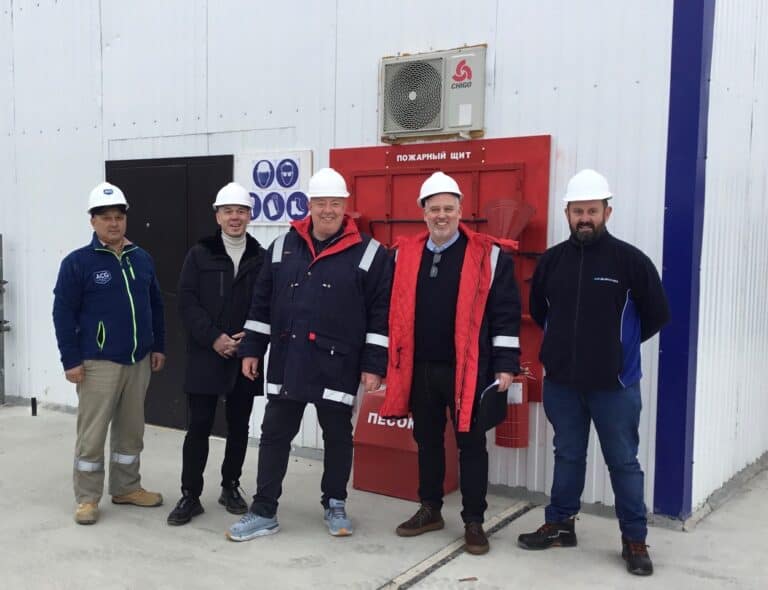
 Established in 2013, ACG has a solid track record of delivering specialised industrial services across the region, including scaffolding, painting, and insulation. This initiative reflects ACG’s dedication to fostering local talent and adhering to the highest industry standards globally.
Tony Turnbull, COO of ACG, expressed pride in his team’s achievement, highlighting the rigorous effort involved in attaining CISRS accreditation. “Achieving this internationally recognised qualification signifies our commitment to excellence and safety in the scaffolding industry,” Turnbull remarked. He extended special thanks to 3t Training Services, particularly acknowledging Gary Brown’s crucial support in finalising the accreditation process.
Emma Howorth, General Manager at 3t, conveyed her enthusiasm about the collaboration with ACG and the establishment of a state-of-the-art CISRS training facility in Tengiz. “Our joint effort aims to upskill the local workforce, ensuring that they meet international standards. We are grateful for CISRS’s support in making this achievement possible,” Howorth stated.
Dave Mosley, CISRS Managing Director, praised the Tengiz centre’s setup following his audit visit. He was particularly impressed by the ongoing plans to further enhance the facility with new classrooms, office spaces, and a kitchen breakout area for delegates, which he believes will significantly enrich the training experience.
Established in 2013, ACG has a solid track record of delivering specialised industrial services across the region, including scaffolding, painting, and insulation. This initiative reflects ACG’s dedication to fostering local talent and adhering to the highest industry standards globally.
Tony Turnbull, COO of ACG, expressed pride in his team’s achievement, highlighting the rigorous effort involved in attaining CISRS accreditation. “Achieving this internationally recognised qualification signifies our commitment to excellence and safety in the scaffolding industry,” Turnbull remarked. He extended special thanks to 3t Training Services, particularly acknowledging Gary Brown’s crucial support in finalising the accreditation process.
Emma Howorth, General Manager at 3t, conveyed her enthusiasm about the collaboration with ACG and the establishment of a state-of-the-art CISRS training facility in Tengiz. “Our joint effort aims to upskill the local workforce, ensuring that they meet international standards. We are grateful for CISRS’s support in making this achievement possible,” Howorth stated.
Dave Mosley, CISRS Managing Director, praised the Tengiz centre’s setup following his audit visit. He was particularly impressed by the ongoing plans to further enhance the facility with new classrooms, office spaces, and a kitchen breakout area for delegates, which he believes will significantly enrich the training experience.