All organisations have a legal requirement to carry out risk assessments on any activities which could have a significant impact on their employees or others who may be affected by their undertakings.
Where a company employs five or more staff, it has to be written down. However, if a company or business employs less than 5 people, having written risk assessments can demonstrate that hazards and associated risks for the work have been considered.
Some activities which involve higher risk hazards may also require additional measures to reduce the risks to those carrying out the work, sometimes referred to as a safe system of work or a Method Statement.
Although a method statement is NOT a legal requirement, they are usually requested along with risk assessments as part of tendering and accreditation processes to show how the company will carry out works safely.
What you need to consider with a method statement
The production of a method statement can seem like a daunting task. But knowledge about how the activity will be done and what the risks are will help to ensure that the document is relevant and importantly, that staff will follow it.
- Firstly, when looking at the activity being carried out, refer to the risk assessment.
- Summarise the hazards present and make sure that the control measures are detailed and correct.
- Look further into the activity and consider if you will need any additional training for those doing the work, any permits or licenses, or personal protection offering higher levels of protection etc.
- The level of detail will increase the more complex the works are and the higher the risk is.
How to set out a method statement
There are lots of templates available for producing method statements but in general, they need to contain the following;
- Clear title, show the address or location of the work, company details including management/staff names and emergency contact details.
- A description of the work or activity with start/completion dates, details of access restrictions, emergency procedures etc.
- Sequence of work. This should be kept simple to avoid confusion but contain enough detail for everyone involved to understand what will be done and how.
- Be reviewed when necessary
Think of the sequence of work in a method statement as ‘recipe’ which explains in a step by step way what will be done, when and by who.
- The sequence of work can be in the form of a bulleted list and should outline what will be done from arrival on site, all the way through to leaving the site on completion of the work.
- Include references to any inductions required, the site set up, restricting access to the work area where needed, site clearing and removal of all waste and equipment at the end of the works.
You are the expert in the work you do. Ensuring that you complete risk assessments and method statements sometimes referred to as (RAMS) for your higher risk activities can demonstrate that you are doing what is necessary to reduce risks, but can also be an excellent opportunity to improve
health and safety management, reduce costs and increase staff awareness.
Cut out the faff
We’re here to help you cut out the faff and our Alcumus Consultants can review your RAMS to help you ensure that they comply with current statutory and regulatory requirements.
Call 01484 439930 or visit
www.alcumus.com/faff-free to find out more.


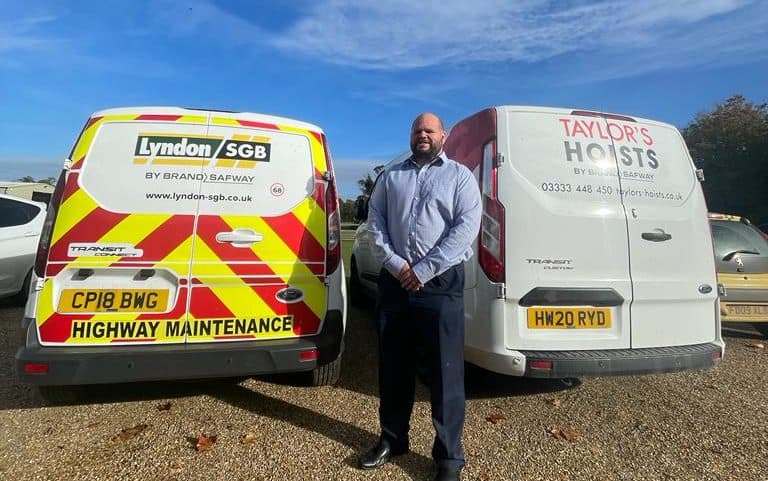
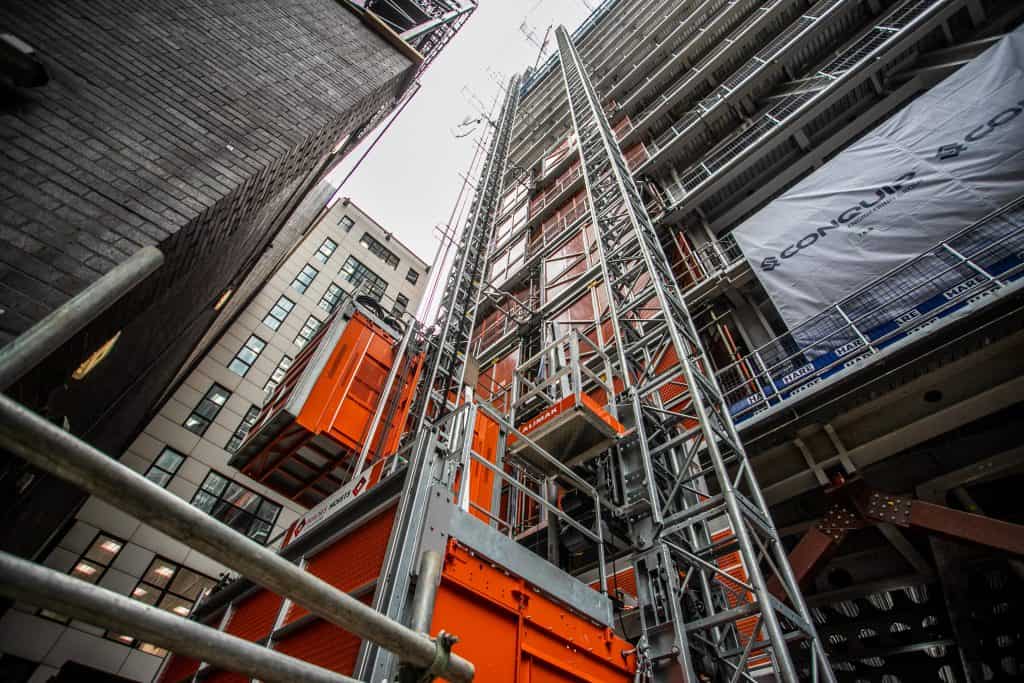 “Our mechanical access teams always strive to treat each customer like they are number one – no matter if they only have small single MASTCLIMBERS™ or 10 large twin MASTCLIMBERS™ and multiple hoists on their project.
And this level of service quality goes back to the drawing board and in-house design teams, not just the on-site delivery and completion from our many skilled operatives.
“Having been part of Taylor’s Hoists growth in UK construction for 15+ years and the BrandSafway era, my expectations are very high, but I already know that the Lyndon SGB MASTCLIMBERS™ team is able to meet and deliver these high standards from what I have witnessed over the last month. We are all very excited about the future and the exciting projects we are currently and will be working on, in the whole of the UK.
“My vision is that we continue to perfect the great service we already offer, continue to invest in the newest, greenest fleets and ancillaries – assisting our clients with their mechanical access needs, however complex. I look forward to growing and aligning the mechanical access business with the great, large-scale team we already have to support our goal – to be the best access provider in the country.”
Lyndon SGB says, In the first month since Paul took on the new role, there have already been some significant changes – netting great rewards for Lyndon SGB, MASTCLIMBERS™ and Taylor’s Hoists customers countrywide.
“Our mechanical access teams always strive to treat each customer like they are number one – no matter if they only have small single MASTCLIMBERS™ or 10 large twin MASTCLIMBERS™ and multiple hoists on their project.
And this level of service quality goes back to the drawing board and in-house design teams, not just the on-site delivery and completion from our many skilled operatives.
“Having been part of Taylor’s Hoists growth in UK construction for 15+ years and the BrandSafway era, my expectations are very high, but I already know that the Lyndon SGB MASTCLIMBERS™ team is able to meet and deliver these high standards from what I have witnessed over the last month. We are all very excited about the future and the exciting projects we are currently and will be working on, in the whole of the UK.
“My vision is that we continue to perfect the great service we already offer, continue to invest in the newest, greenest fleets and ancillaries – assisting our clients with their mechanical access needs, however complex. I look forward to growing and aligning the mechanical access business with the great, large-scale team we already have to support our goal – to be the best access provider in the country.”
Lyndon SGB says, In the first month since Paul took on the new role, there have already been some significant changes – netting great rewards for Lyndon SGB, MASTCLIMBERS™ and Taylor’s Hoists customers countrywide. 





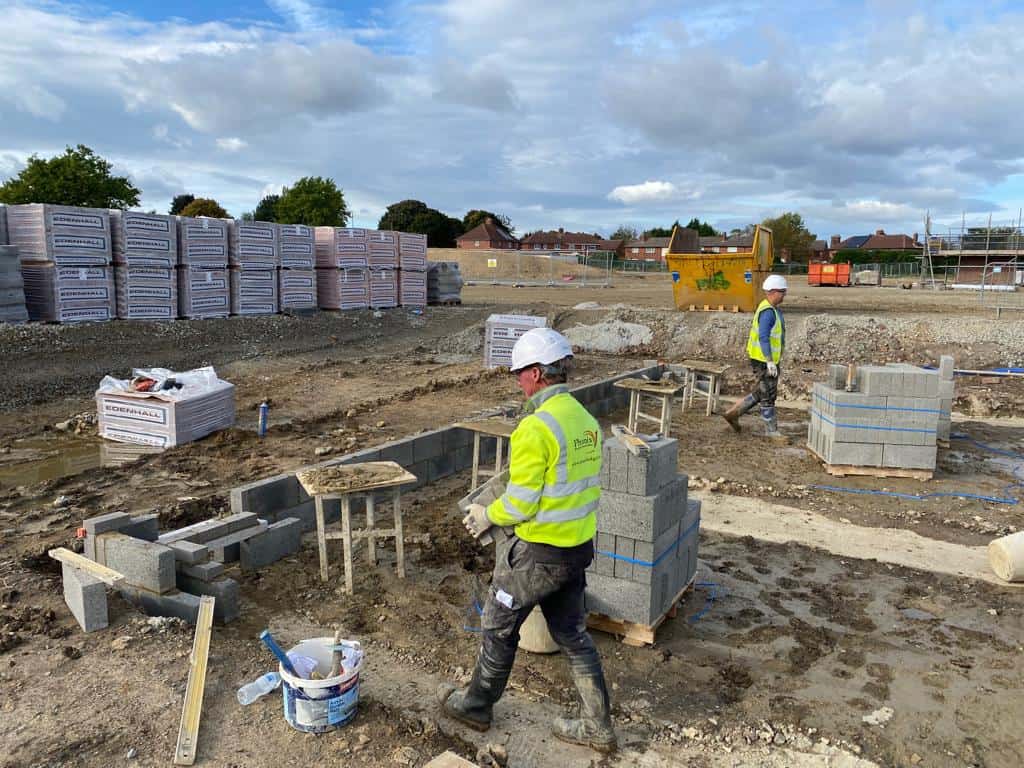
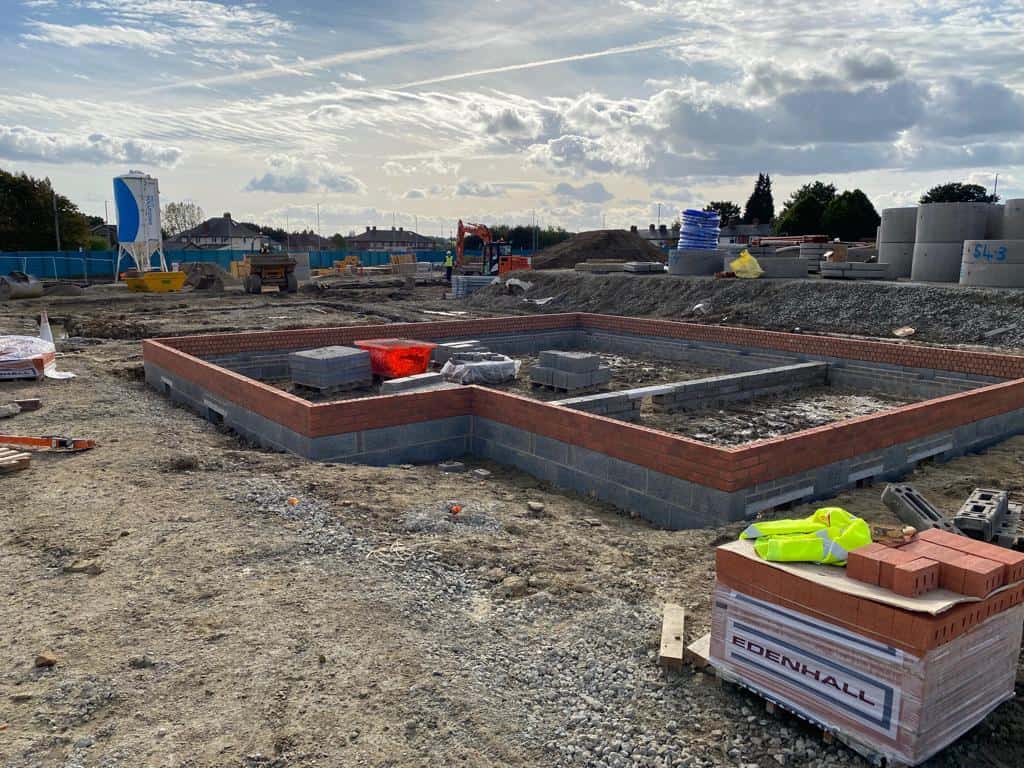 Operating nationally from its Derbyshire and Northamptonshire offices, Phoenix Brickwork is continuing its recent impressive growth, since taking on several key staff from the failed Irvine Whitlock earlier this year, and has recently celebrated a milestone, passing £20m in just its eleventh year of trading, as it expands further, both North and into the Southeast.
“It is a pleasure to be involved in this important project for Leeds City Council, developing our relationship with Wates Construction,” said Christian Watson, Managing Director at Phoenix Brickwork.
“We are excited to have added them to the long list of new projects and clients we have won since we extended our reach right across the country. This project has created opportunity for local bricklayers and apprentices to join Phoenix whilst tackling the social housing shortage within the ever-growing city of Leeds.”
Noel Ryan, Regional Contracts Manager at Phoenix Brickwork said: “This is an exciting but challenging project, and our team is already working well to stay on schedule. In addition, the project is creating dozens of new jobs locally, which is great news for both the local labour market and Phoenix Brickwork. I look forward to the development taking shape over the next few months.”
Operating nationally from its Derbyshire and Northamptonshire offices, Phoenix Brickwork is continuing its recent impressive growth, since taking on several key staff from the failed Irvine Whitlock earlier this year, and has recently celebrated a milestone, passing £20m in just its eleventh year of trading, as it expands further, both North and into the Southeast.
“It is a pleasure to be involved in this important project for Leeds City Council, developing our relationship with Wates Construction,” said Christian Watson, Managing Director at Phoenix Brickwork.
“We are excited to have added them to the long list of new projects and clients we have won since we extended our reach right across the country. This project has created opportunity for local bricklayers and apprentices to join Phoenix whilst tackling the social housing shortage within the ever-growing city of Leeds.”
Noel Ryan, Regional Contracts Manager at Phoenix Brickwork said: “This is an exciting but challenging project, and our team is already working well to stay on schedule. In addition, the project is creating dozens of new jobs locally, which is great news for both the local labour market and Phoenix Brickwork. I look forward to the development taking shape over the next few months.”