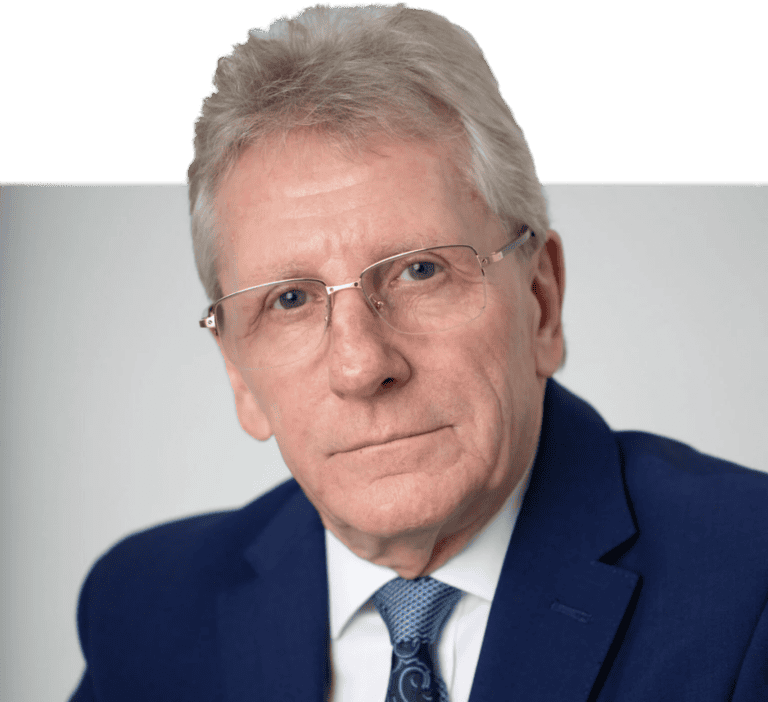
Des Moore looks at how to manage the challenges of becoming part of a bigger group – and how to make sure your acquisition is a success.
A few months ago, I wrote an article for ScaffMag about
preparing your business for sale. But the challenges don’t stop once you’ve sold your business – in fact, they’ve
only just begun. There are a number of new things to consider as you become part of a big group of companies or just start working for a new owner.
So how do you manage, both commercially and culturally, to adapt to your new ownership and make the deal a success?
Read any article about acquisitions; you’ll see that around 50-90% of mergers and acquisitions fail. There are three common reasons for failure:
- Poor strategic focus
- Poor cultural integration
- Poor delivery of synergies
Let’s remind ourselves of your starting point. Most acquired businesses are either independent or family-owned. The sale of the business is either to allow the owners to exit, or to open up new opportunities for growth.
After sale, the business simply becomes another business in the group – and that position requires a completely different mindset and approach from what you might be used to. Essentially, all large commercial groups are the same – they have the same goals and outcomes. Think of them like a mannequin – all the same underneath, but just clothed in a different way.
As you get to this point, it’s worth reminding yourself why you sold the business. I think there are seven clear commercial reasons to take this step – and the top three of these are usually the most important:
- Access to exit capital for new ventures or retirement
- Access to capital for business growth
- Access to new clients
- Access to new horizontal or vertical markets
- Access to broader product range or innovation expertise
- Access to experienced leadership team with wider commercial knowledge and experience
- Access to other group companies for knowledge sharing
Any type of sale or acquisition exercise will create change. How you manage that change for yourself, your leadership team and your employees is critical to long-term success.
Preparing for the challenge
Although I have run several businesses, I have never been a majority shareholder. However, before the sale of TRAD to Altrad, I had complete autonomy to run the companies as I thought fit. This was, and still is, highly unusual in our industry. Hayden Smith operated on an arm’s length basis, so I ran the business the way I wanted to – making decisions on everything from staffing and salaries to equipment and markets without any restrictions or approval processes. Although clearly, as a majority shareholder, Hayden wouldn’t hesitate to tell me if I overstepped the mark!
Change doesn’t always suit the senior team. And this was certainly a challenge I faced, knowing that one of my management abilities was to be able to instantly implement new ideas, opportunities or ways of working. It’s easy to feel, in those circumstances, that your essential value and potential productivity is being eroded. In fact, in my own personal journey through acquisition, I certainly felt this way. But it is important to remember that you are now working from a group perspective and not on your own.
So, the first thing to be ready for after acquisition is that you are no longer in complete charge. In fact, you move from being an owner or MD to being an employee of the new group. You may be in the same named role as before – but this is an important change to manage nevertheless.
Also be prepared to lose your visibility over the ‘bigger picture’. As a business owner or MD, you are used to having complete visibility and control over your business. As part of a larger group, you often have limited access to the decisions being made or the reasons for those decisions. Come to terms with this, and be honest with your teams about it.
You and your senior leadership team will now have to work within strict financial rules and restrictions that you have not been used to, and you will have to adapt to these quickly and with a positive attitude.
Understanding the process
Your new group is likely to put a transition period in place to help everyone adjust to their new position. When I was involved in the acquisition of TRAD by Altrad, I found the new owners operated with honesty and acted with integrity, and this is reliant on mutual respect and trust, which is important. There were certainly times when messages may have been confusing, because I didn’t have the same visibility of the workings of the larger group as I was used to, but again, you have to adapt, and take a positive approach.
Don’t underestimate the challenge of replacing the spontaneous way you may have made decisions in the past with working under a new corporate framework – you will now be reporting to someone, and your decisions will require justification and approval before you can go ahead. This can, at times, be a long, laborious and frustrating process, which may lead to missed opportunities, so make sure you understand these processes and how best to use them to run your business smoothly and meet your targets.
There will also be changes to the way you handle financial planning and commitments, and you should be ready for these. Being part of a group comes with strict regulations and overviews – which are there for a reason. It may seem onerous, but they are essential for a larger group to run smoothly. They have to be commercially practical and clinical – and so do you.
You’re likely to see an immediate focus on EBITDA and free cash flow (FCF). Groups are all about maximising the value of their investment, satisfying shareholders and continuing growth. Everything is commercial first – and I know that if I were running a large group of companies, this is exactly the focus I would have to apply.
Open, honest communications
You and your employees are facing a journey into a new corporate culture, and your people will look to you to lead them through that journey.
Although new owners often try to retain your existing culture for a while, your identity will, over time, naturally change so that you are aligned with the group culture. This must be carefully handled so that everyone has as much information and reasoning as possible – this helps you to retain key people and manage a smooth transition to new ways of working.
Be honest with your employees from the start of the acquisition process. Don’t say ‘nothing will change’ because you can’t go through a sale without things changing – many things do. So be open, communicate the potential for change and, as soon as you know what those changes are, make sure you support your people through them.
It is likely that employees will be managed or transferred into the group hierarchy and salary bandings. It’s important to be aware of these changes so that you can communicate them to your staff. You should also feel confident to challenge those decisions at times – particularly in regard to remuneration – with the new owner where appropriate.
You will probably have to accept that there is almost certainly going to be a focus on overhead reduction. This could be people, facilities or suppliers – or across the board. Think about Twitter, for example. As soon as Elon Musk took over, he dramatically reduced the workforce and refocused the business.
Your sale is unlikely to be so dramatic, but new owners see the potential for profitability, and often want to make visible changes and savings that demonstrate they can make the acquisition work. Be realistic about why the sale happened, and how your business can thrive with new ownership.
Meeting earn-out requirements
Part of the sale will rely on an earn-out phase, where the business has to meet agreed targets during the period after acquisition.
In this phase, the group needs the buy-in of the senior leadership team to help the business reach the earnings goals, and deliver the promised value to shareholders. You need to keep this end of the deal, and so as a leader, you need to make sure your senior team and all your staff have this focus in mind.
It’s usually better if as much of your original approach and culture is retained during the earn-out phase of the deal, to help your business to meet the agreed targets.
How can you manage the initial transition period?
After the sale has completed, you are committed to being a successful part of your new group. There are likely to be lots of initial communications, and it’s critical that you are able to be a reliable conduit between the new owner and your employees.
I found that the best way to do this was to absorb everything that our new owners told me, and then re-message it to our employees in the way I usually communicated with them.
Communicate the values of the new group to your team by relating them to the way you already work. Most values are similar – they are just called different things, or looked at from a different perspective, so refer to and reference your own values to show your team that you share these with the new group already.
In this way, you’re shielding them from what can be corporate ‘coldness’ and instructions coming from head office, or your own line manager, while maintaining the relationships and communications that have made your company a good acquisition target in the first place.
So, when given instructions by the group – always look to say yes, until such time as the answer has to be ‘no’. And where you have said yes, deliver on those instructions. It may be tempting to push back – because you are used to being in sole control, or because the new group does things differently – but the best thing to do is work with the group and deliver what it wants. Then, when there are issues or mandates where you really have to say no, the group is more likely to listen to you.
Three critical steps to acquisition success
At the top of this article, I listed the three reasons why acquisitions often fail. Understanding this can help you prepare yourself, your leadership team and your employees for success. My advice is to:
- Remember why you have sold the business in the first place, and take the time to understand the strategic focus of your new owners.
- Take time to adapt to the culture of your new owners, by being open and honest with your employees, and making sure your messages reflect the way you have always communicated with them.
- Support your team to adapt quickly to new processes and requirements, so you can take advantage of the opportunities available to your business.
Taking the time to get this right will put you in a positive and proactive position to make the most of this new chapter in your business life.
Is it worth selling your business to a new owner? You should certainly give due consideration to the alternatives – an Employee Ownership Trust, for example, or a Management Buyout. If you decide to sell, you need to do so with a clear understanding of what such a sale entails, and with a positive attitude towards making it a success.
Put simply, as long as you enter into the transaction and the new relationship with your eyes open, and you fully understand and accept that your business will change, a sale can transform your business prospects.
If you are thinking about selling your business and you’d like some advice on any of these sale or buyout options, you can contact me on
[email protected]
This article was originally published in Issue 21 of the ScaffMag magazine.

 As GKR Scaffolding marks its 30th anniversary, we sit down with the visionary minds behind this monumental success, Lee and Neil Rowswell, to reflect on the journey that has positioned GKR as a leader in one of the most challenging and dynamic sectors. In an industry where the only constant is change, GKR Scaffolding has navigated through economic recessions, material shortages, and the unprecedented challenges of COVID-19, emerging stronger with each hurdle. With a portfolio that boasts participation in landmark projects and a trophy cabinet adorned with multiple business awards, the Rowswell brothers have not just built structures; they have constructed a legacy.
This exclusive Scaffmag Q&A session delves into the milestones, innovations, and relentless pursuit of excellence that defined GKR Scaffolding’s 30-year journey, offering insights into the company’s future directions and continued impact on the construction landscape.
As GKR Scaffolding marks its 30th anniversary, we sit down with the visionary minds behind this monumental success, Lee and Neil Rowswell, to reflect on the journey that has positioned GKR as a leader in one of the most challenging and dynamic sectors. In an industry where the only constant is change, GKR Scaffolding has navigated through economic recessions, material shortages, and the unprecedented challenges of COVID-19, emerging stronger with each hurdle. With a portfolio that boasts participation in landmark projects and a trophy cabinet adorned with multiple business awards, the Rowswell brothers have not just built structures; they have constructed a legacy.
This exclusive Scaffmag Q&A session delves into the milestones, innovations, and relentless pursuit of excellence that defined GKR Scaffolding’s 30-year journey, offering insights into the company’s future directions and continued impact on the construction landscape.
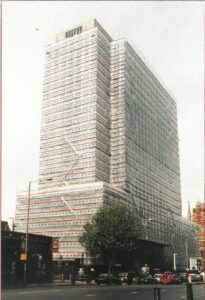
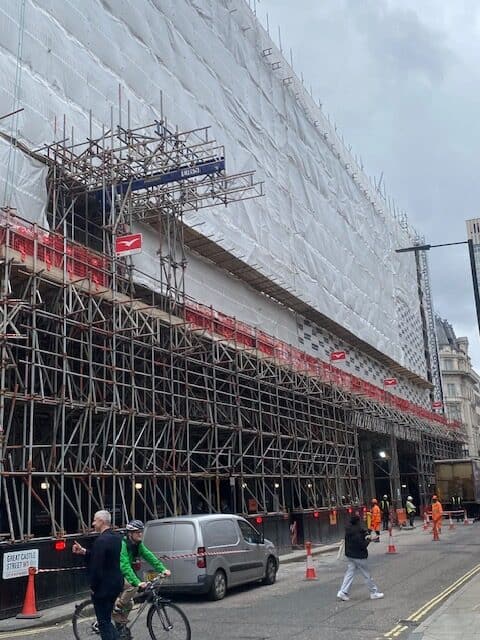
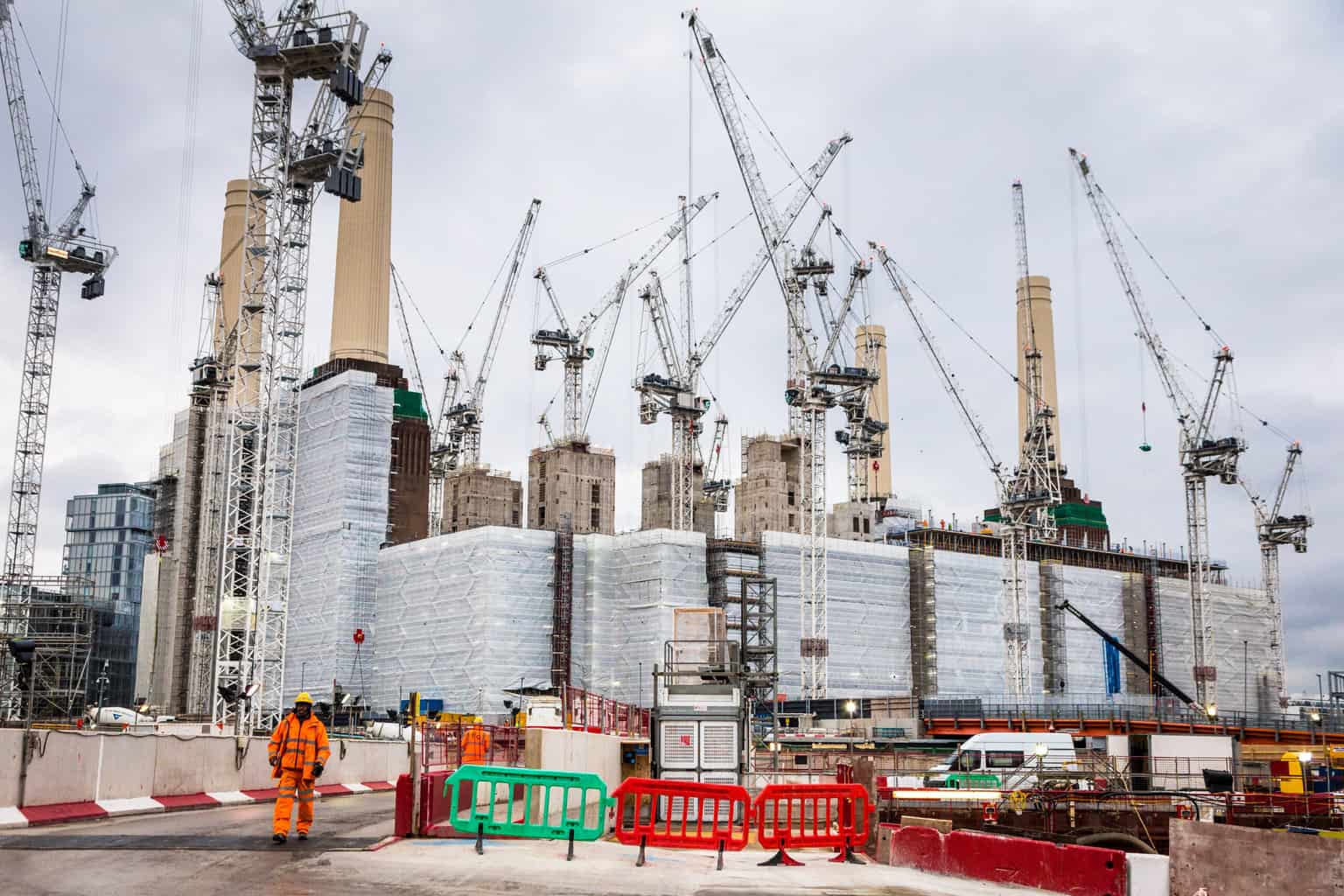 GKR has been involved in some of London’s most iconic construction projects. Could you share insights into how these opportunities came about and what they meant for the company’s growth and reputation?
Lee: These opportunities come from our reputation, relationships and experience. Our operational skill set is second to none, and we can undertake high-profile projects to the highest of standards, which helps to set us apart from our competition. Fundamentally, the relationships we have developed with our clients and the trust we have created have helped us form loyalty and repeat business as we have proven that we can provide them with experience and high-performing teams.
Neil: We thrive on high-risk projects; it’s what helps to motivate us and our teams as we like a challenge. Since working on the Shard, a lot of the team wanted to work on high-risk projects and the challenge that comes with it, motivating us to keep reaching for more. We know that we have the ability and the team behind us to undertake high-profile and high-risk projects from our previous experience and successes. We have developed our own control measures, which have allowed us to take these projects on safely and efficiently, such as our
GKR has been involved in some of London’s most iconic construction projects. Could you share insights into how these opportunities came about and what they meant for the company’s growth and reputation?
Lee: These opportunities come from our reputation, relationships and experience. Our operational skill set is second to none, and we can undertake high-profile projects to the highest of standards, which helps to set us apart from our competition. Fundamentally, the relationships we have developed with our clients and the trust we have created have helped us form loyalty and repeat business as we have proven that we can provide them with experience and high-performing teams.
Neil: We thrive on high-risk projects; it’s what helps to motivate us and our teams as we like a challenge. Since working on the Shard, a lot of the team wanted to work on high-risk projects and the challenge that comes with it, motivating us to keep reaching for more. We know that we have the ability and the team behind us to undertake high-profile and high-risk projects from our previous experience and successes. We have developed our own control measures, which have allowed us to take these projects on safely and efficiently, such as our 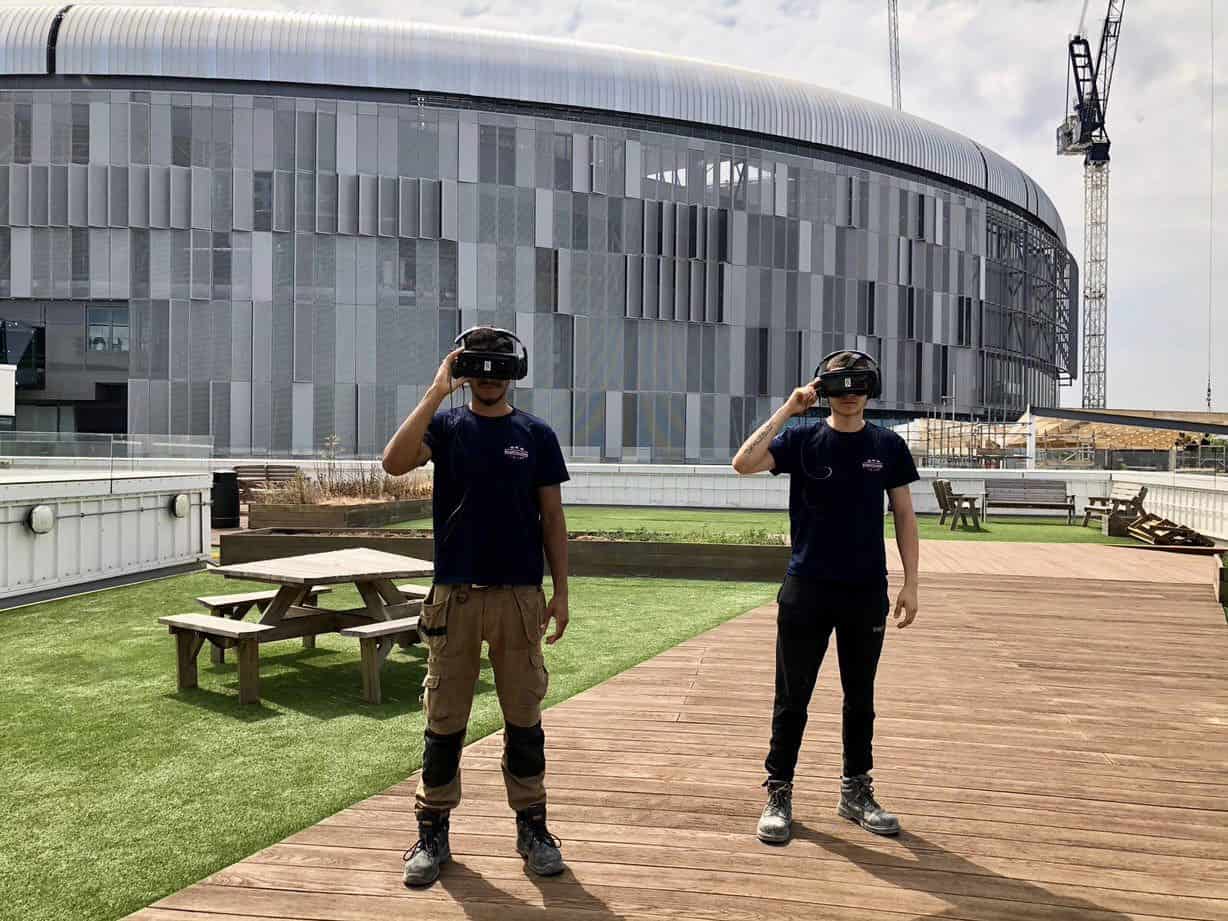 We’ve become leaner by becoming more digital, helping to optimise our operations and minimising wastage of time and resources. Virtual Reality has been a fantastic risk aversion tool for recreating real-life scenarios without causing potential harm. We put our people in an environment where they can positively intervene to prevent a person from being harmed, but they do get to experience what would have happened if they had not intervened. They then get the option to decide if they should report the near miss or incident. Our discussions with our team after the VR experience are extremely powerful as we focus on the importance of not walking by an unsafe act, reporting incidents and understanding why high-performing teams record more incidents than low-performing teams. The impact of VR is that we are now recording more near-miss incidents than ever because our high-performing teams understand the importance of incident reporting. We can then learn and share those learnings and implement corrective measures to prevent a reoccurrence.
This contributes to our aim to be a learning organisation where we actively measure and encourage feedback to improve what we do. Continuous improvement is embedded in our culture, and its process is applied to everything we do, from planning and implementation to measuring the impact and using the results to learn and improve.
GKR has achieved Carbon Neutral status and has a strategic roadmap to reach Net Zero Carbon. What inspired this ambitious sustainability goal, and what challenges and opportunities have you encountered along the way?
Neil: The inspiration to achieve a carbon-neutral status came naturally from the recent data and the effects climate change has had on our planet, such as extreme weather and rising sea levels. We are in a strong position as a leading subcontractor to set an example to others that good progress can be made in a short time with the proper assistance, encouragement, education and motivation. We have also measured all three scopes and have published our Net Zero targets on the SBTI website; as well as pledging to Net Zero, we continue to measure all three scopes manually. With very little offset under Scopes 1&2 to become Carbon Neutral, we are still struggling to find a zero-submission solution with our fleet. As technology evolves, we hope that there will be more opportunities for this within the next five years. Until these advancements arise, we will continue to keep our fleet fuelled with HVO Biofuel. The challenge for 2024 will be carbon onboarding our supply chain to think with the same carbon mindset that we at GKR have adopted. We are still setting out a plan to tackle this with support from our partners at Equans; without the supply chain onboard, Net Zero is impossible, which creates a challenge for us.
In a rapidly evolving industry, technology plays a crucial role. How has GKR integrated new technologies into its operations, and what benefits have you observed, both on-site and in management processes?
Neil: We have recently digitalised every element of our Health and Safety operation through the SafetyCulture application, which Premier League and Formula 1 teams also use. Our Supervisors are now proficient with conducting audits, inspections, and checklists online, allowing immediate data capture and communication for the Health and Safety Team. The predictive capabilities of new technology coupled with the large amount of data now available through the ‘Internet of Things’ has helped transform our business from a safety point of view.
The company prides itself on a unique approach to service quality. Can you elaborate on the pillars of this approach and how they contribute to the exceptional service GKR is known for?
Neil: Lee and I obviously both started on the tools. From a young age, we were both motivated to create the best possible standard of service and quality for our clients and for the industry. I believe we have maintained this throughout the past 30 years, and we have been able to engrain this mindset into all our staff at present. It can be a hard industry to be involved in, but I like to think we do it differently and provide our staff with the best people, training, safety and culture. We set a standard that is measured against our KPIs in terms of health and safety, productivity and more to ensure that we are continuing the standard that Lee and I started with and maintaining this with our current members or staff and supply chain.
Lee: All scaffolding firms use the same products, tube and fitting or system; what sets you apart is your team, your delivery, and your relationships, which I believe we have built to an exceptional standard, and it helps to set us apart from our competition. Our quality of service is not down to specific individuals; it’s because of the teams we have built. One of my favourite quotes is, “You are only as good as your weakest link”; therefore, we ensure that we nurture and grow our teams to a high standard.
GKR Scaffolding has been honoured with multiple business awards throughout its history, showcasing its excellence in the scaffolding and construction industry. Can you share what these awards mean to the company?
Neil: Winning awards is always a proud moment for us; it helps us get recognised for our service and shows that we are doing it right. We are up against great competition, so it is nice to know we stand out against others in our industry. We push boundaries within our sector and want to show that the industry is a professional and skilled environment to be in, which these awards help to illustrate. Along with our competition, we can showcase that scaffolding is a skilled and important trade within the industry that should be recognised for the hard work that goes into it.
We’ve become leaner by becoming more digital, helping to optimise our operations and minimising wastage of time and resources. Virtual Reality has been a fantastic risk aversion tool for recreating real-life scenarios without causing potential harm. We put our people in an environment where they can positively intervene to prevent a person from being harmed, but they do get to experience what would have happened if they had not intervened. They then get the option to decide if they should report the near miss or incident. Our discussions with our team after the VR experience are extremely powerful as we focus on the importance of not walking by an unsafe act, reporting incidents and understanding why high-performing teams record more incidents than low-performing teams. The impact of VR is that we are now recording more near-miss incidents than ever because our high-performing teams understand the importance of incident reporting. We can then learn and share those learnings and implement corrective measures to prevent a reoccurrence.
This contributes to our aim to be a learning organisation where we actively measure and encourage feedback to improve what we do. Continuous improvement is embedded in our culture, and its process is applied to everything we do, from planning and implementation to measuring the impact and using the results to learn and improve.
GKR has achieved Carbon Neutral status and has a strategic roadmap to reach Net Zero Carbon. What inspired this ambitious sustainability goal, and what challenges and opportunities have you encountered along the way?
Neil: The inspiration to achieve a carbon-neutral status came naturally from the recent data and the effects climate change has had on our planet, such as extreme weather and rising sea levels. We are in a strong position as a leading subcontractor to set an example to others that good progress can be made in a short time with the proper assistance, encouragement, education and motivation. We have also measured all three scopes and have published our Net Zero targets on the SBTI website; as well as pledging to Net Zero, we continue to measure all three scopes manually. With very little offset under Scopes 1&2 to become Carbon Neutral, we are still struggling to find a zero-submission solution with our fleet. As technology evolves, we hope that there will be more opportunities for this within the next five years. Until these advancements arise, we will continue to keep our fleet fuelled with HVO Biofuel. The challenge for 2024 will be carbon onboarding our supply chain to think with the same carbon mindset that we at GKR have adopted. We are still setting out a plan to tackle this with support from our partners at Equans; without the supply chain onboard, Net Zero is impossible, which creates a challenge for us.
In a rapidly evolving industry, technology plays a crucial role. How has GKR integrated new technologies into its operations, and what benefits have you observed, both on-site and in management processes?
Neil: We have recently digitalised every element of our Health and Safety operation through the SafetyCulture application, which Premier League and Formula 1 teams also use. Our Supervisors are now proficient with conducting audits, inspections, and checklists online, allowing immediate data capture and communication for the Health and Safety Team. The predictive capabilities of new technology coupled with the large amount of data now available through the ‘Internet of Things’ has helped transform our business from a safety point of view.
The company prides itself on a unique approach to service quality. Can you elaborate on the pillars of this approach and how they contribute to the exceptional service GKR is known for?
Neil: Lee and I obviously both started on the tools. From a young age, we were both motivated to create the best possible standard of service and quality for our clients and for the industry. I believe we have maintained this throughout the past 30 years, and we have been able to engrain this mindset into all our staff at present. It can be a hard industry to be involved in, but I like to think we do it differently and provide our staff with the best people, training, safety and culture. We set a standard that is measured against our KPIs in terms of health and safety, productivity and more to ensure that we are continuing the standard that Lee and I started with and maintaining this with our current members or staff and supply chain.
Lee: All scaffolding firms use the same products, tube and fitting or system; what sets you apart is your team, your delivery, and your relationships, which I believe we have built to an exceptional standard, and it helps to set us apart from our competition. Our quality of service is not down to specific individuals; it’s because of the teams we have built. One of my favourite quotes is, “You are only as good as your weakest link”; therefore, we ensure that we nurture and grow our teams to a high standard.
GKR Scaffolding has been honoured with multiple business awards throughout its history, showcasing its excellence in the scaffolding and construction industry. Can you share what these awards mean to the company?
Neil: Winning awards is always a proud moment for us; it helps us get recognised for our service and shows that we are doing it right. We are up against great competition, so it is nice to know we stand out against others in our industry. We push boundaries within our sector and want to show that the industry is a professional and skilled environment to be in, which these awards help to illustrate. Along with our competition, we can showcase that scaffolding is a skilled and important trade within the industry that should be recognised for the hard work that goes into it.
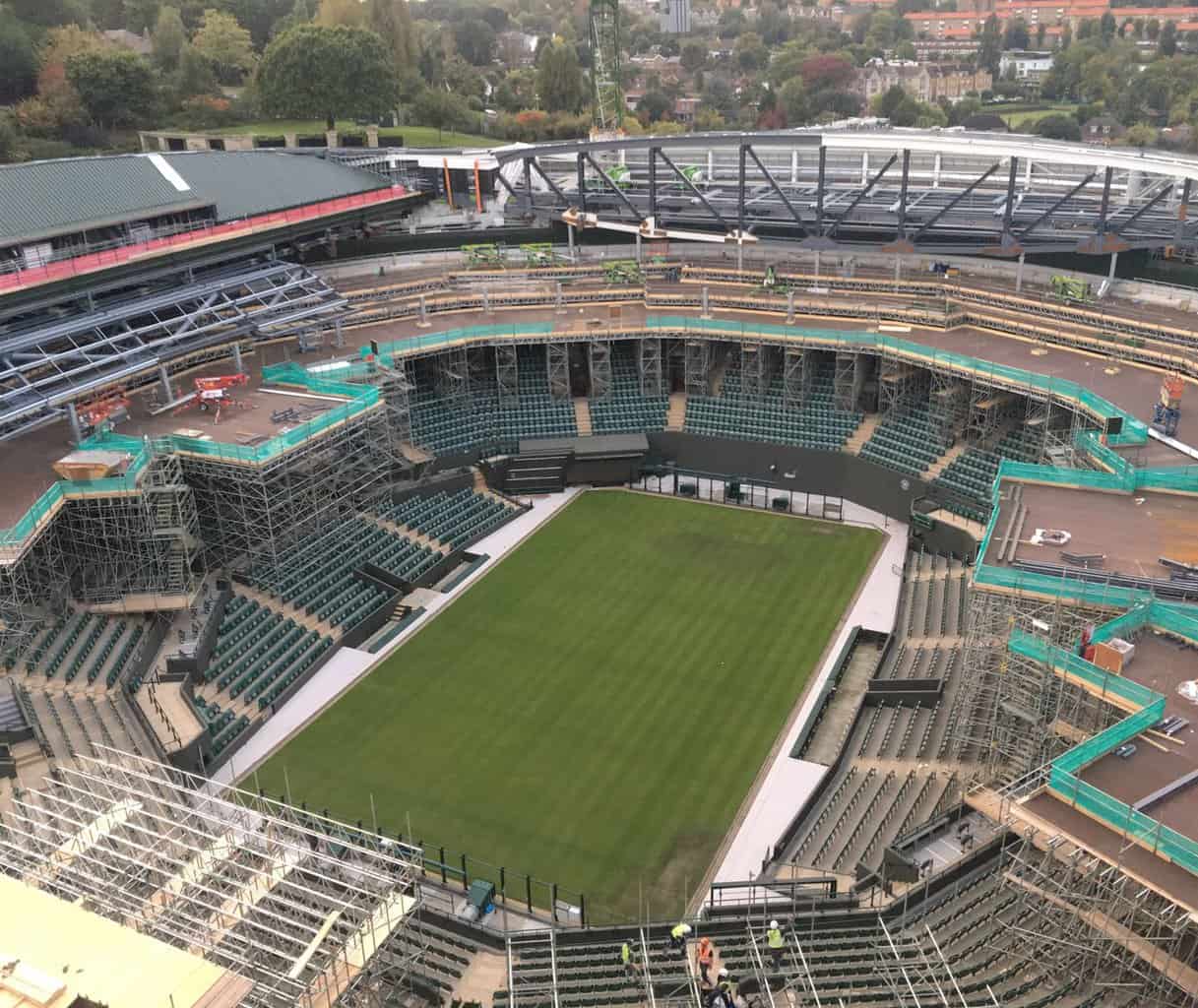 How do you foresee the scaffolding and construction industry changing in the next decade, and what steps is GKR taking to stay at the forefront of these changes?
Neil: I do see AI becoming a huge advancement within our industry in terms of design, estimating and document writing. I think in the not-so-distant future, we could see AI having the ability to scan a building from Google Earth and produce the dimensions to assist with creating designs; this could then generate load sheets for our yard to calculate required materials and then further help to generate calculations and health and safety documentation. I still believe that this will require some form of human intervention to input parameters and check for accuracy. I think, as an industry, we have somewhat stood still in terms of innovations when it comes to the mechanical side of things in comparison to the demolition works and what they have created.
I do believe that, as an industry, we need to create a more seamless way of accessing materials and can transport scaffolding up and down a building safely and easily. I think, as a sector, we have the ability to create some form of lifting kit to help with the transportation of scaffolding through a project, which I believe is something that our industry needs. We have lots of new and young scaffolders who help give us new and exciting ideas on what we could do differently in our operations, which we always acknowledge and see if we can take these ideas on board.
GKR Scaffolding remains owner-operated after three decades. How has this influenced the company’s values, culture, and decision-making processes?
Neil: I think this is a massive part of our success. Lee and I are still massively involved in GKR and still undertake critical roles within the business. Our clients know that they can come to us, and we will react positively and get any problems solved. We can respond to situations quickly as there are only a few layers of management to go through; therefore, communication externally and internally is a lot more seamless and efficient in comparison to more giant corporations. We are still investing in GKR constantly, and we are still looking at what we can do for the future of the business, like looking at new premises to keep up with expansion and our apprenticeship schemes. I think keeping the “family run” morals and culture has been beneficial for our employees as it helps to create a physically and mentally safe environment for everyone; they are comfortable talking to us and feel more like a member of the team rather than just an employee. We have seen the third generation start to make their way into the business, which is exciting, and we hope to see the longevity of the “family-run” business continue.
Lee: As much as we are a family-run business, our success comes from the teams we have built; everyone we have ever employed has played an important role and contributed to our growth. Our clients like the business model of owner-operated businesses as I believe it helps to form stronger and more loyal relationships.
Lastly, looking forward, what are the long-term goals for GKR Scaffolding, and how do you plan to continue contributing to the London skyline and the broader construction industry?
Neil: Well, Lee and I are not planning on going anywhere anytime soon. We are still committed to GKR and the scaffolding industry; we want to see us excel in the industry for many more years to come. We have a great team behind us who can achieve anything they get tasked with to a high standard. We are committed to our operatives; we want to continue to give them the best support, the best training, and the best team to help them become the best that they can be. We want to nurture the next generation to help form a strong team for the future of the scaffolding industry, which is why we have focused on apprenticeships in recent years. I would like to invest in more stock and innovations to see what we can achieve as a scaffolding contractor. As an industry, we have a very tarnished “look” about us, and it’s very stereotypical, which I would like to see change. I worked on the tools for 18 years, and I know from experience that it is a very highly skilled profession. I would like to see this showcased and have these stereotypes of scaffolding change to show what a great industry it is to work in.
This article was originally published in
How do you foresee the scaffolding and construction industry changing in the next decade, and what steps is GKR taking to stay at the forefront of these changes?
Neil: I do see AI becoming a huge advancement within our industry in terms of design, estimating and document writing. I think in the not-so-distant future, we could see AI having the ability to scan a building from Google Earth and produce the dimensions to assist with creating designs; this could then generate load sheets for our yard to calculate required materials and then further help to generate calculations and health and safety documentation. I still believe that this will require some form of human intervention to input parameters and check for accuracy. I think, as an industry, we have somewhat stood still in terms of innovations when it comes to the mechanical side of things in comparison to the demolition works and what they have created.
I do believe that, as an industry, we need to create a more seamless way of accessing materials and can transport scaffolding up and down a building safely and easily. I think, as a sector, we have the ability to create some form of lifting kit to help with the transportation of scaffolding through a project, which I believe is something that our industry needs. We have lots of new and young scaffolders who help give us new and exciting ideas on what we could do differently in our operations, which we always acknowledge and see if we can take these ideas on board.
GKR Scaffolding remains owner-operated after three decades. How has this influenced the company’s values, culture, and decision-making processes?
Neil: I think this is a massive part of our success. Lee and I are still massively involved in GKR and still undertake critical roles within the business. Our clients know that they can come to us, and we will react positively and get any problems solved. We can respond to situations quickly as there are only a few layers of management to go through; therefore, communication externally and internally is a lot more seamless and efficient in comparison to more giant corporations. We are still investing in GKR constantly, and we are still looking at what we can do for the future of the business, like looking at new premises to keep up with expansion and our apprenticeship schemes. I think keeping the “family run” morals and culture has been beneficial for our employees as it helps to create a physically and mentally safe environment for everyone; they are comfortable talking to us and feel more like a member of the team rather than just an employee. We have seen the third generation start to make their way into the business, which is exciting, and we hope to see the longevity of the “family-run” business continue.
Lee: As much as we are a family-run business, our success comes from the teams we have built; everyone we have ever employed has played an important role and contributed to our growth. Our clients like the business model of owner-operated businesses as I believe it helps to form stronger and more loyal relationships.
Lastly, looking forward, what are the long-term goals for GKR Scaffolding, and how do you plan to continue contributing to the London skyline and the broader construction industry?
Neil: Well, Lee and I are not planning on going anywhere anytime soon. We are still committed to GKR and the scaffolding industry; we want to see us excel in the industry for many more years to come. We have a great team behind us who can achieve anything they get tasked with to a high standard. We are committed to our operatives; we want to continue to give them the best support, the best training, and the best team to help them become the best that they can be. We want to nurture the next generation to help form a strong team for the future of the scaffolding industry, which is why we have focused on apprenticeships in recent years. I would like to invest in more stock and innovations to see what we can achieve as a scaffolding contractor. As an industry, we have a very tarnished “look” about us, and it’s very stereotypical, which I would like to see change. I worked on the tools for 18 years, and I know from experience that it is a very highly skilled profession. I would like to see this showcased and have these stereotypes of scaffolding change to show what a great industry it is to work in.
This article was originally published in 
 Safety: Non-Negotiable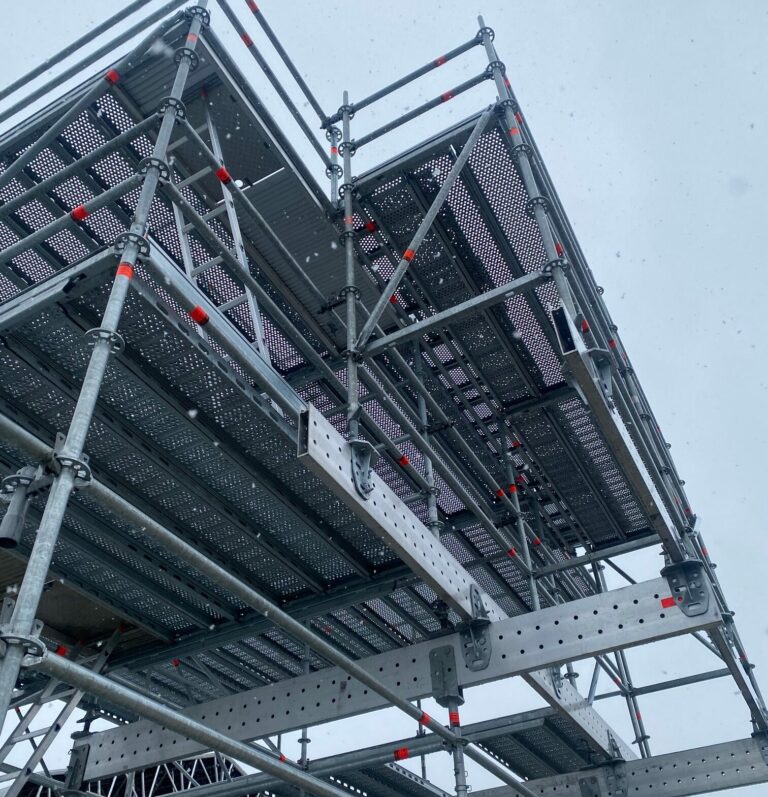
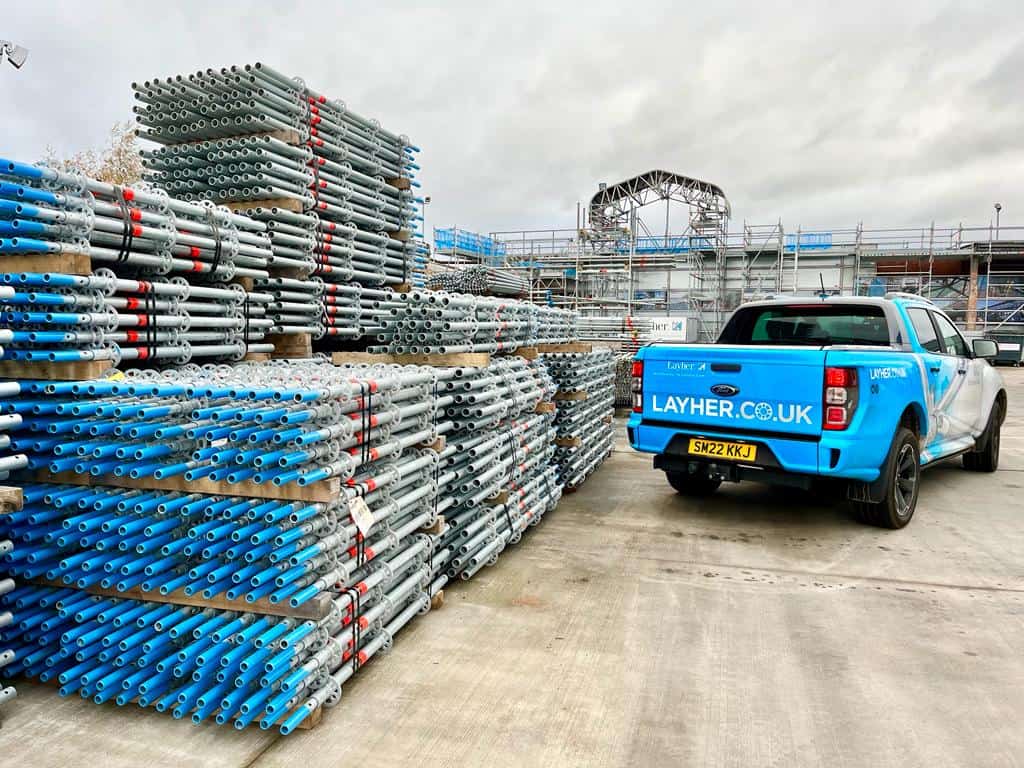
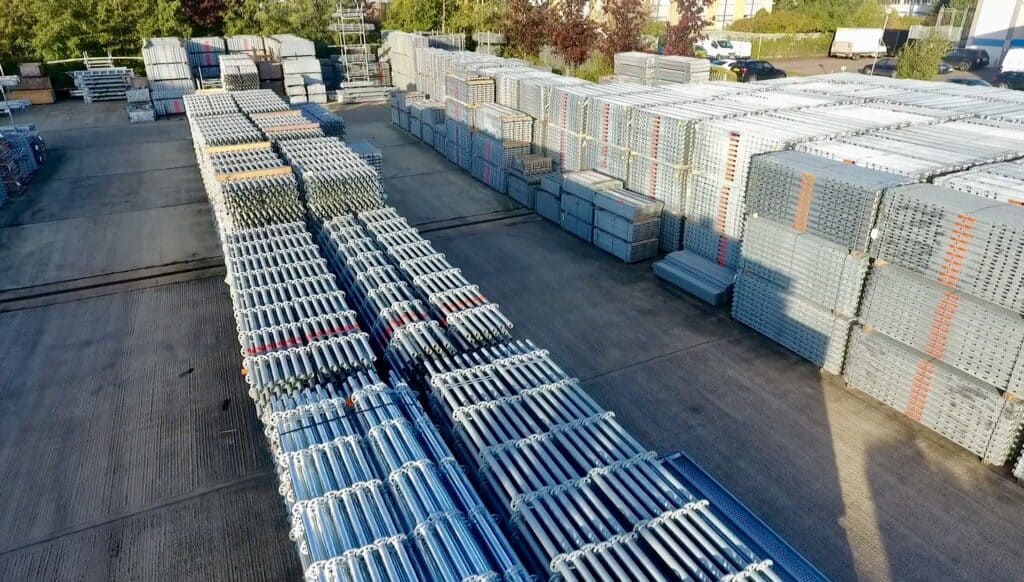 What is ‘Rent-to-Try’? They have a purpose-stocked depot of rental-only kits that is available for customers to rent at very competitive rates. Layher don’t mind if you rent a little or rent a lot, their experienced sales team will help you qualify what products best fit your requirements & provide you with a quotation specific for the number of weeks you would like to rent the kit for. You can either collect it from their depot in West Bromwich or have it delivered to your site.
Should a customer decide they love using Layher via their Rent-to-Try scheme, Layher can support with various options to purchase material with their Rent-to-Own scheme. This allows customers to purchase brand-new materials via monthly payments, effectively turning the initial monthly rental costs into an investment in their scaffolding equipment.
Layher have an experienced team that work across the UK providing support with sales, technical design & on-site specialist support & training.
For more information about Layher UK’s ‘Rent-to-Try’ and ‘Rent-to-Own’ initiatives, please visit their
What is ‘Rent-to-Try’? They have a purpose-stocked depot of rental-only kits that is available for customers to rent at very competitive rates. Layher don’t mind if you rent a little or rent a lot, their experienced sales team will help you qualify what products best fit your requirements & provide you with a quotation specific for the number of weeks you would like to rent the kit for. You can either collect it from their depot in West Bromwich or have it delivered to your site.
Should a customer decide they love using Layher via their Rent-to-Try scheme, Layher can support with various options to purchase material with their Rent-to-Own scheme. This allows customers to purchase brand-new materials via monthly payments, effectively turning the initial monthly rental costs into an investment in their scaffolding equipment.
Layher have an experienced team that work across the UK providing support with sales, technical design & on-site specialist support & training.
For more information about Layher UK’s ‘Rent-to-Try’ and ‘Rent-to-Own’ initiatives, please visit their