A scaffolder who lost his hands and legs in a horrific building site accident underwent a miraculous double hand transplant. Jamie Mines, 38, shared his experience in a new documentary series, “Saving Lives in Leeds,” which premiered on BBC Two earlier this month.Mines was placed in an induced coma in December 2016 after being electrocuted by 33,000 volts while working beneath powerlines in Swindon. Medics amputated four of his limbs to save his life. The father of two described the ordeal to the BBC, saying the electricity “fried” him and that he was surprised to have survived.After learning about the possibility of hand transplants, Mines contacted Dr. Simon Kay, who performed the rare and complex double operation. Dr. Kay praised Mines’ progress, noting that he had already regained grip strength just a year after surgery. He also emphasised the importance and generosity of limb donations, calling it an “enormous, courageous, generous thing to do.”To make his new hands feel more like his own, Mines decided to tattoo them. After his recovery, the former semi-professional footballer first held his children’s hands while walking them to school.Mines, originally from Bradford on Avon, hopes his story will raise awareness about limb donations. He believes that if more people knew about the possibility of donating limbs, they might consider it as a life-changing gift for someone in need.“Saving Lives in Leeds” follows the daily lives of medical staff working in hospitals across the city. The first of eight episodes, focusing on neurosurgery and transplant patients at Leeds General Infirmary, aired earlier this month and is available to view on BBC iPlayer.
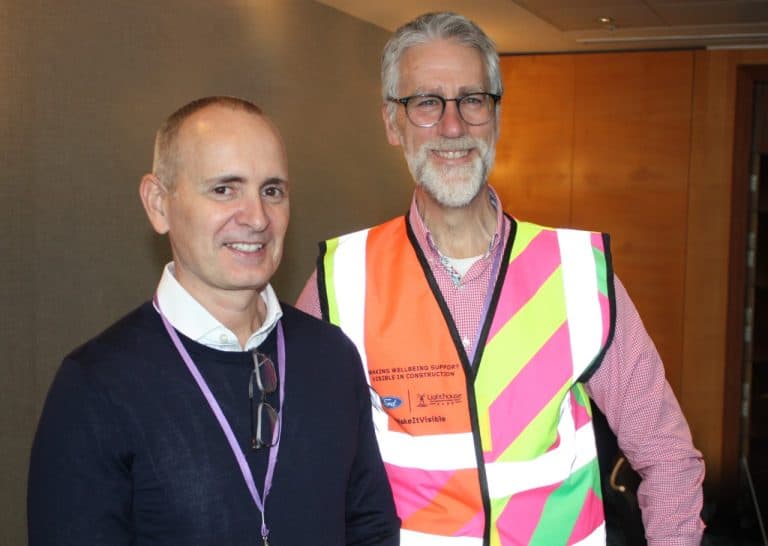
Over 150 industry volunteers have joined the Make it Visible Taskforce in a bid to combat construction worker suicide and improve wellbeing.More than 150 volunteers from the construction industry have joined forces in a national initiative called “Make it Visible,” aimed at combating suicide rates and promoting the wellbeing of workers in the field. The initiative, launched earlier this year, brings together contractors, clients, and professional bodies to address the construction industry’s poor record on mental health.According to Office for National Statistics (ONS) data, construction workers in the UK and Ireland are three times more likely to take their own lives than workers in other industries. On average, two construction workers die by suicide every working day.The Make It Visible initiative, coordinated by the Lighthouse Construction Industry Charity and Mates In Mind, seeks to establish a practical and quantifiable plan of action for wellbeing that can reach workers at all levels. The initiative also aims to consolidate the numerous mental health schemes already operating within the industry, fostering a more cohesive cross-company approach.Key priorities for the initiative include developing an industry-wide wellbeing code of practice, providing industry-wide advice, supporting existing on-site wellbeing champions, and promoting people skills training for supervisors and managers. The Make It Visible task force will also work to secure government funding for wellbeing training and initiatives and to ensure that mental health provisions are included in procurement processes.Bill Hill, CEO of the Lighthouse Construction Industry Charity, emphasized the moral responsibility to improve the welfare of the construction workforce. He urged industry stakeholders to put egos, brands, and intellectual property aside to work collectively and transform the initiative into a movement that makes wellbeing support visible on every construction site.“We want to leave egos, brands and intellectual property aside so that we can work together and change this moment into a movement to make wellbeing support visible in sight, on every site,” he said.Members of the task force have already begun to learn from international efforts, hearing from Jon Davies, CEO of the Australian Constructors Association, which has developed a draft Culture Standard to improve welfare for construction workers in Australia. Davies noted similarities between workplace cultures in both countries’ construction industries and highlighted the need to address the root causes of poor mental health in the sector.Davies suggested reducing long working hours, providing flexible work options, and mandating improvements in construction culture through procurement processes as potential ways to foster better workplace cultures and support worker wellbeing.
An experienced marketing professional is set to bring digital expertise to the NASC.The National Access and Scaffolding Confederation (NASC) announced today the appointment of 32-year-old Sophie Price as their new Marketing and Events Manager. Price, a native of Wales, brings a wealth of experience in marketing and user-experience optimisation, SEO, and digital marketing for membership organisations. She previously held a similar position at The Society for Experimental Biology, where she demonstrated excellence in membership-based marketing. In her new role, she will collaborate with NASC staff, committees, and Royle Media, a scaffolding specialist freelance marketing communications agency, to enhance brand awareness for the organisation and its 490+ members.Upon accepting her new position, Price expressed her enthusiasm and excitement, stating, “I’m very excited to be joining the NASC. The team have been so welcoming, and there is a huge amount of passion for the industry and its members. I see a lot of exciting opportunities on the horizon.”Acting NASC Managing Director Dave Mosley also shared his optimism about Price’s appointment, saying, “We are thrilled to have Sophie Price join the NASC staff and are feeling very positive about her recruitment. We have a lot going on within the organisation, record membership levels, and lots of strong, fresh aims and objectives for new President, David Brown – including #ItHasToBeNASC, achieving net zero, improved sustainability, and membership access to training grant pots. Sophie is bright, young, and enthusiastic, and we are all feeling she will achieve a lot in this brand new NASC marketing and events management role,” he added.
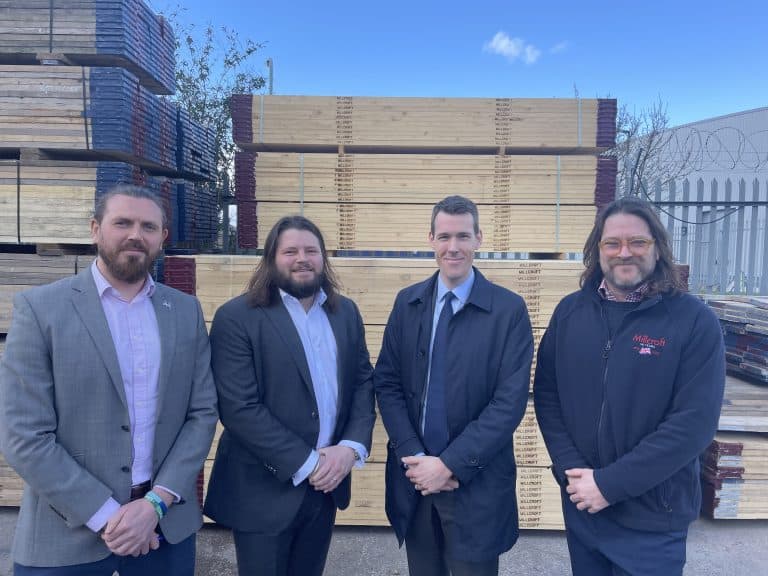
During a recent visit from local MP Matthew Pennycook, Greenwich-based Millcroft Scaffolding showcased its facilities, community engagement, and involvement in the High Speed 2 (HS2) rail project. The visit aimed to showcase Millcroft’s facilities and discuss the company’s involvement in Europe’s largest rail project.During the tour of Millcroft’s head depot and Construction Industry Training Board (CITB)-approved training centre, Pennycook spoke with representatives about the company’s work on HS2 Central and Euston Station. Millcroft is providing safety and access scaffolding across eight different terminals on the Central HS2 route, with the project expected to span five years. The company also has a significant multi-million-pound contract at Euston Station, supporting the main contractor, Skanska, in facilitating the construction of the new HS2 Euston Station.Pennycook, MP for Greenwich and Woolwich, praised Millcroft’s team, saying, “It was a pleasure to meet such an enthusiastic and friendly team, who are incredibly passionate about their work and proud of the contribution they make to our local and national economy.” He also lauded the company’s high-quality services, first-rate facilities, and excellent staff training and career progression opportunities.In addition to working on the HS2 project, Millcroft engages with the community by visiting local schools and career fairs to discuss the benefits of a career in scaffolding. The company is committed to building the workforce of tomorrow by encouraging local recruitment for skills-based scaffolding roles, as well as administrative and managerial positions.Billy Jones, Managing Director of Millcroft, expressed gratitude for the opportunity to showcase their facilities and discuss their dedication to clients, employees, and the Greenwich community. He acknowledged the contentious nature of the HS2 project. Still, he emphasised the economic and employment benefits it brings, stating, “We can hopefully encourage more positivity about the initiative and recognise the skill and dedication going into the project.”
In a move aimed at supporting the UK construction industry, the Construction Industry Training Board (CITB) has announced it will invest over £100m in grants to train construction workers this year. The investment will help construction workers acquire the skills they need to thrive in the industry.Effective 1 April 2023, CITB is doubling grant rates for short courses to enable businesses to offer more training to their employees. Up to £240, the grants will support employers with their training needs, including leadership and management courses. According to the training board, Mental Health and Asbestos awareness courses were the most popular short courses last year, for which CITB paid over £15m in grants to employers.The CITB is also increasing grant rates for specific supervision and management qualifications to support individuals affected by the Industry Accreditation card withdrawal. To continue working on construction sites, Industry Accreditation cardholders may need to complete a qualification, and so grants for supervision and management qualifications will be increased from £600 to £1,250 and £1,500, respectively.Last year, CITB increased rain screen cladding qualification grants from £600 to £1,000, making an additional £2,000 available for each dry lining apprentice. The CITB is investing in the industry to create a more skilled and competitive workforce.CITB Chief Executive Tim Balcon said: “During this challenging time for the economy, the finances of businesses and workers are under pressure. Our increased grant rates address rising costs and support employers to secure high quality training to upskill their workforce. We know investing in training can bring competitive advantage helping businesses to retain and attract more workers and to ensure they have an upskilled workforce to win new work.”Mr Balcon continued, “We’ve listened to their concerns and responded by doubling our grant rates for short courses and increasing our grant rates for specific short qualifications.”The CITB is committed to supporting the construction industry by providing employers with the necessary resources to train and retain a skilled workforce. With this investment of over £100m in grants to train construction workers, the CITB is crucial in ensuring that the industry has the skills and talent it needs to thrive in the coming years.
Skill Scaffolding has completed a challenging project at Grosvenor House in Basingstoke, thanks to the world’s leading scaffolding system, Layher.Southampton-based Skill Scaffolding has recently completed a successful eleven-storey high-rise project at Grosvenor House in Basingstoke, thanks in part to the use of the Layher Allround System.
The project was commissioned by Arena Business Centres, a company that regenerates older buildings, giving them a new lease of life and converting them into modern serviced office spaces. The company manages everything in-house rather than employing a main contractor. It plans to turn the formerly abandoned building into 56,000 square feet of exceptional flexible office space.
According to James Wall, Business Development Manager at Skill Scaffolding, the scaffolding project began in June 2022 and presented two significant challenges. He said: “The first was managing the scaffold leg loads imposed on a floating concrete slab that had lower loading capabilities than what the scaffold leg loads would impose.In collaboration with Layher UK, we quickly devised a propping solution to support the slab from beneath, enabling forklifts to move freely and material storage above ground. We also propped the entire surrounding area to ensure safety and stability.”The second challenge was keeping one corner of the building free of scaffolding from the ground level to approximately the 2nd/3rd floor (8-10m from the ground) to allow for a new build extension planned for a large open reception/foyer area.”
Skill Scaffolding worked closely with Layher UK’s expert design team and the client’s engineers to devise a solution that worked for all parties.
Giant prefabricated steel “goalposts” were installed by the client across this corner section, from which Skill Scaffolding based out their scaffold. This kept the entire corner free for ground-level new build works while still allowing full facade access above for remediation works.
Throughout the project, Skill Scaffolding relied heavily on the Layher Allround System, which offered several benefits. The system was easy and quick to erect, which helped to speed up the project timeline. It also provided superior safety and ease of inspection, making it easier for Skill Scaffolding to identify and address issues quickly. Additionally, the system offered clear walkways on all boarded lifts, with no ledger bracing, and the use of Layher’s gap decks helped avoid gaps between the inside deck and the main deck.
1 of 5
Skill Scaffolding had one gang of highly-skilled scaffolders on the job for most of the project’s lifespan, supported additionally by their cutting-edge KEWAZO Liftbot in parts.
The successful completion of the project is a testament to the expertise and professionalism of Skill Scaffolding, as well as the quality and effectiveness of the Layher Allround System. Overall, the project at Grosvenor House in Basingstoke is an excellent example of how the right combination of skills and equipment can lead to a successful and efficient construction project.
In conclusion, Skill Scaffolding’s successful project completion at Grosvenor House in Basingstoke highlights the importance of using the right equipment and collaborating effectively with clients and industry partners.
Sean Pike, Managing Director of Layher Ltd, UK, said, “The challenges faced during the project demonstrate Skill Scaffolding’s ability to think creatively and devise practical and effective solutions that meet the client’s needs while maintaining safety and stability”.
James Wall concludes, “The successful use of the Layher Allround System also underscores the importance of investing in quality equipment that can save time, improve safety, and increase efficiency on construction sites”.
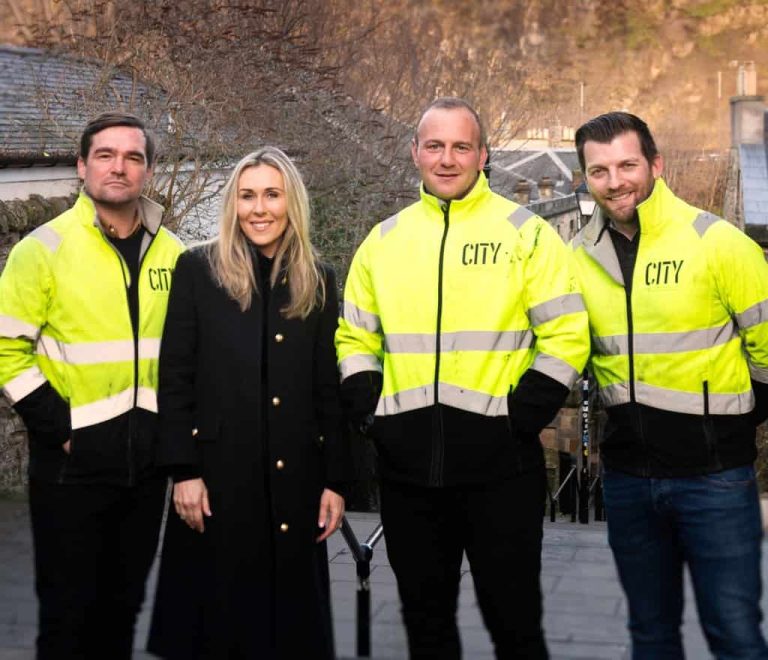
Edinburgh-based City Access Scaffolding has launched a new Specialist Access Division to expand its range of services and support continued growth.City Access Scaffolding (CAS), a leading scaffolding firm based in Edinburgh, has unveiled its new Specialist Access Division as part of its strategic growth plan. The expansion aims to broaden the range of services offered and create a foundation for continued growth.Headed by divisional director David Ritchie, the Specialist Access Division will complement CAS’s existing services, allowing the firm to undertake additional projects and provide comprehensive solutions for all clients. Ritchie’s extensive experience in the sector will enable him to lead his team in delivering seamless service across all projects.Established in 2014, CAS has experienced consistent growth, earning a reputation for professionalism and reliability while winning several industry awards. The firm has secured significant contracts, including projects such as Edinburgh’s Gleneagles Townhouse, intricate work on Scottish Government headquarters at St Andrew’s House, and a Historic Environment Scotland contract to provide scaffolding services for sites across Scotland, including the iconic Edinburgh Castle.The new division will offer high-level maintenance, repairs, installations, and complete scaffold services. City Access is known for its strong commitment to training and developing apprentices. This dedication will continue in the new division, creating new opportunities for apprentices across Edinburgh and the Lothians.Performance Director Kirsty Allan expressed her excitement about the launch and the addition of Ritchie to the team. “We’re absolutely delighted to welcome David to the team and to offer our clients these additional services. It’s become increasingly crucial as rope access allows our team to undertake inspections, surveys, installations and even repairs for projects where full scaffold services are optional and not possible. As we enter our tenth year in business with continued growth and expansion into our new headquarters, we’re really excited by the potential for our new division,” she said.David Ritchie, Specialist Access Director, shared his enthusiasm for joining City Access Scaffolding, praising the company’s focus on customer service and employee well-being. With over 15 years of experience in the sector, Ritchie is eager to take on this new challenge and contribute to the company’s diverse range of services.
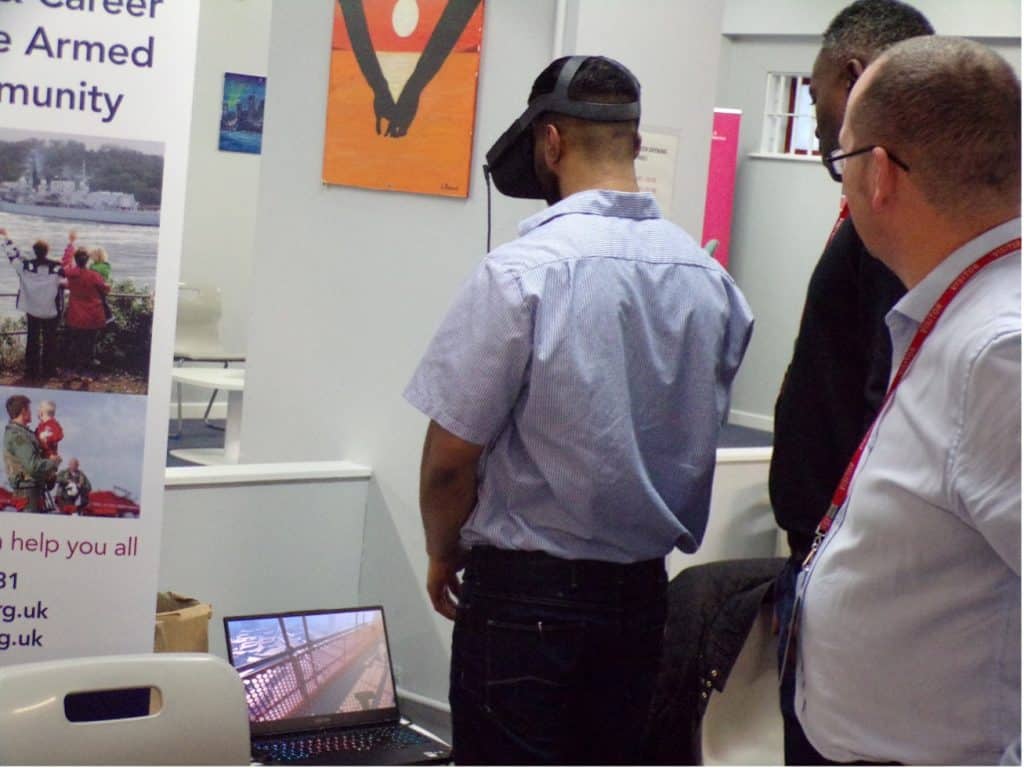
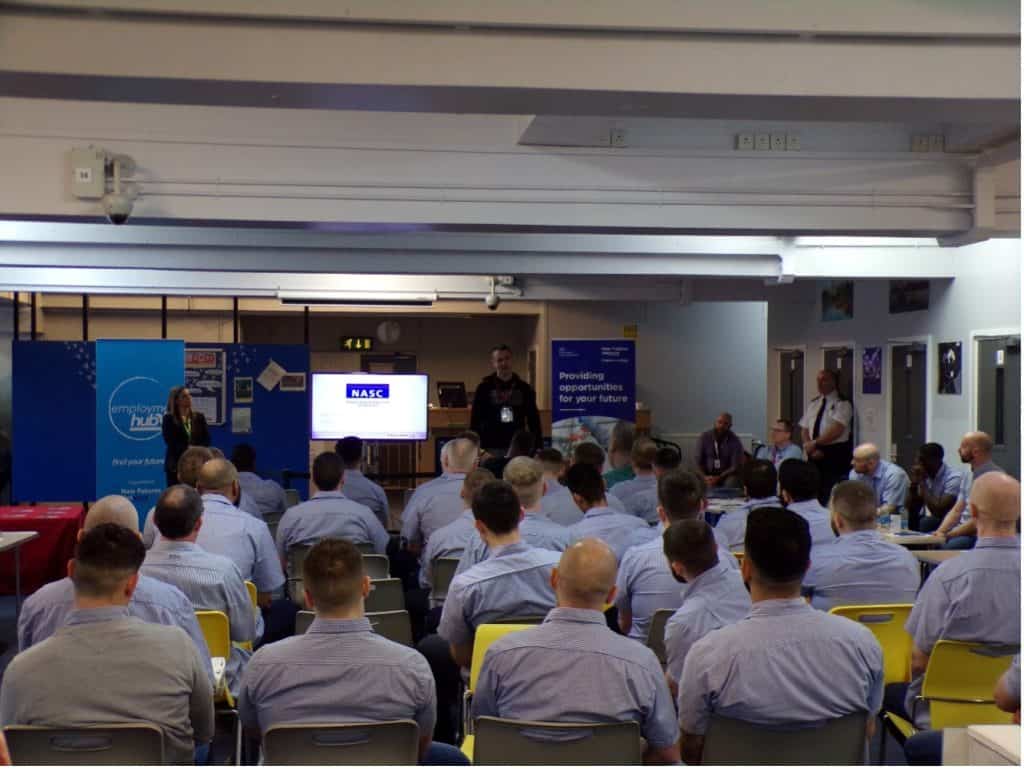
Henry Annafi, Training Officer for the National Access & Scaffolding Confederation (NASC), is spearheading a ground-breaking initiative to bring more workers into the scaffolding industry.NASC’s Returning Citizens campaign is a new drive from the scaffolding trade body to promote the industry as a viable career path for returning citizens – formerly referred to as ex-offenders.As part of the initiative, Henry has recently been touring various prisons throughout the UK, giving presentations to inmates about the scaffolding industry and providing them with a sense of what it’s like to work in this field through the use of virtual reality (VR) goggles.The campaign, which is part of a wider series of “unlocking construction” events, aims to introduce former prison inmates to scaffolding and the wider construction industry to help them find job placements with registered NASC member companies upon release. The NASC hopes the initiative will reduce recidivism rates and give former inmates a fresh start in life by providing them with a skill set and a means of employment.Henry has been on a whirlwind tour of various prisons, including HMP North Sea Camp near Boston, HMP Stocken in Oakham, HMP Wormwood Scrubs, HMP Belmarsh, HMP Nottingham, and HMP Sudbury. At each stop, he delivered interactive VR sessions to groups of inmates and was joined by NASC member companies and experts in mentoring, mental health, and training.One of the tour highlights was the visit to HMP Belmarsh, the highest security prison in the UK, where VR headsets were permitted onsite for only the second time in history. “The response from inmates has been overwhelmingly positive”, Henry said, with many queuing up to try out the VR and speak to NASC members about employment opportunities upon their release.VR headsets were permitted onsite for only the second time in history.The campaign has already successfully set up interviews and job placements for interested inmates with several NASC member companies. In order to make the programme as flexible as possible, NASC is working with a wide range of partners, including charities, prisons, the Ministry of Justice, the Department of Work and Pensions and several training providers. NASC is looking to consider as many routes of entry into scaffolding as possible for those interested in a career, offering members subsidised training for returning citizens, training via Release On Temporary Licence (ROTL), plus the possibility of delivering onsite training for those due for release. CISRS Approved Provider Fulcrum Scaffold and Safety Training have already produced several courses in facilities across the North West and North Wales, ensuring that participants are leaving prison with their Construction Industry Scaffolders Record Scheme (CISRS) new entrant (COTS) cards in hand, which is a great benefit to the employers who have signed them up. Henry’s work with the Returning Citizens campaign is an inspiring example of how the scaffolding industry can contribute to society by empowering marginalised groups and providing them with a means of livelihood. It also showcases the importance of training and mentoring in giving people a second chance and helping them reintegrate into society.
Teal Scaffold has recently expanded its management team with the appointment of Phil Coulton as its new PASMA and Stock Manager. The move reflects the company’s commitment to supporting and nurturing its own talent to ensure continuity as it continues to grow in the industry.Teal Scaffold is part of The Sovini Group, which provides quality construction, property, and facilities services to the public, not-for-profit, and private sectors.Phil has extensive knowledge and experience in complex PASMA scaffolding installations, having worked with several registered social housing providers first-hand. He is particularly proud of his work managing the internal PASMA work for Liverpool Lyceum, a neoclassical Grade II listed building showcasing priceless artefacts. Phil was responsible for ensuring that the historic artifacts were not damaged during the project.Expressing his excitement about his new role, Phil said, “I am delighted to be promoted to my new role within Teal Scaffold’s management team. I am looking forward to utilising my skills and first-hand experience to contribute to the company’s growth.”Dan McGregor, Head of Operations at Teal Scaffold, praised Phil’s appointment, saying, “Phil has been a true visionary and key contributor to Teal Scaffold’s success. His appointment marks an exhilarating time in Teal’s growth; allowing us to focus on our expansion whilst continuing to deliver excellence in all that we do.”Teal Scaffold’s approach focuses on individual project requirements, working collaboratively with clients from procurement to the final engineered solution, taking into account all project parameters.
Specialist scaffolding contractors, Millcroft, is celebrating 50 years in business. Scaffmag speaks to Managing Director, Billy Jones, about the history of its growth and the secrets behind the company’s success.
Millcroft was founded in 1972 by Roy Jones – Billy’s father, a time served bricklayer. Thanks to 50 years of dedication, passion and experience, the Greenwich-based specialist contractor has grown extensively. Passing on the reins to Roy’s two sons, Billy and Sam, the company now works on some of the most prestigious and complex scaffolding projects across London and the home counties, headed-up by Billy as Managing Director.
Grit and dedication
I started working for the business at the age of 14, labouring in the Millcroft yard during the school holidays. By the time I finished my A-Levels at 18, I was keen to start work properly for the business.
I trained as a scaffolder and completed my advanced scaffolding course; I also obtained a Gold CISRS Scaffolding Supervisor card. I knew I was very lucky to have the opportunity to work for a successful family company, so I felt I almost had more to prove. Scaffolding is hard work and you have to pull your weight; it’s not easy. But it’s hugely rewarding, especially when you can see the success of a project thanks to your skill and craftmanship.
I worked hard on site and enjoyed the variety of projects in different locations across London. One of my very first jobs was working on Shakespeare’s Globe, which is one I will always remember.
Success Drives Growth
I’ve worked in the business for 26-years now and our client portfolio today is extensive. We’ve delivered some really memorable projects in that time; our highlights include The Queen’s Chapel, the Painted Hall at the Old Royal Naval College just down the road from us in Greenwich, and The Supreme Courts of Justice – that was pretty special.
One of Millcroft’s first areas of growth back in the 1980s was supporting the emergency response following the Iranian Embassy siege; as well as the St Mary Axe and Bishopgate bombings in the early 1990s. We were also called to work on the aftermath of the London 7/7 attacks in 2005. We’ve worked a lot on dangerous structures damaged by fire, extreme weather and explosions – and that comes from experience and clients’ trust in us.
One of our longest client relationships is with engineering company, Costain. We’ve worked with them for more than 40 years and have grown our portfolio of projects into a number of different sectors including utilities, power and rail.
HS2, for example, is the biggest rail project in Europe, and our experience and specialist knowledge in the sector has seen us successfully win and deliver a number of important contracts for the project. We’ve become a pivotal partner in long-term joint ventures at Euston station, on HS2 Central and at the Colne Valley Viaduct – a section of the route between Hillingdon and the M25.
Secret to Success
The quality of our work speaks for itself. We don’t profess to be the biggest specialist contractor there is, but we certainly are one of the best – or the best – out there if you ask me!
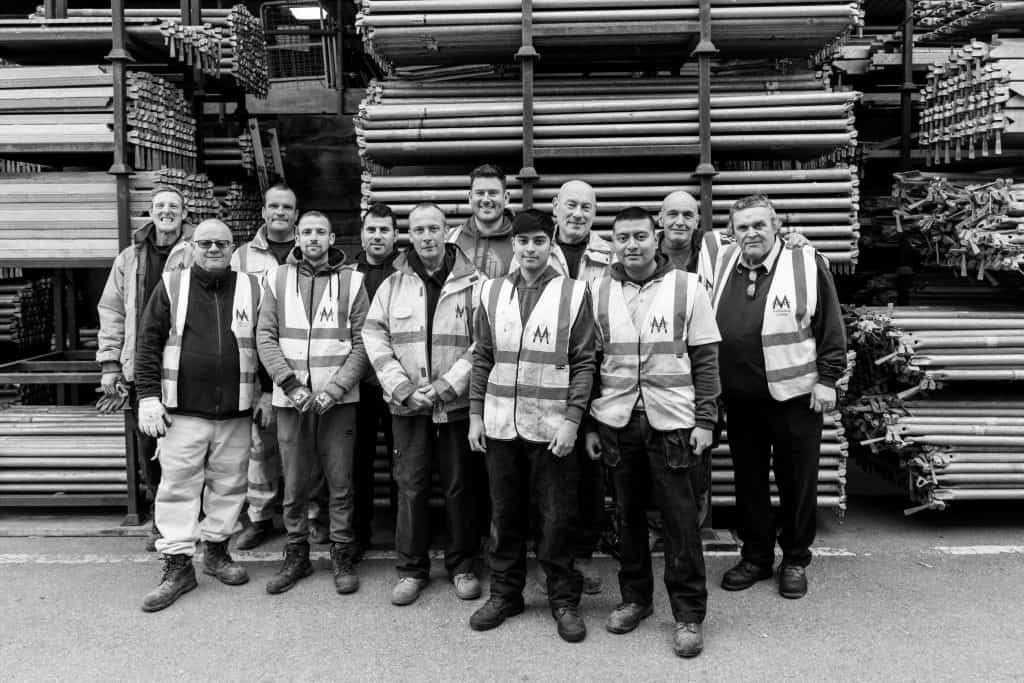
We are a family business but our entire team is part of that family. Our people, our operatives; they are the Millcroft business.
As many will testify in the construction sector, it can be extremely difficult to find good staff. So, we really look after our own. We help nurture and grow their skills and provide career progression opportunities to ensure we maintain a solid and motivated workforce. We have a very low staff turnover because we invest in our people, which compliments our own service and delivery to customers.
Developing people’s skills is an important part of our craft – especially as we’re experiencing an industry-wide quality labour shortage. We have a Construction Industry Training Board (CITB)-approved training centre on site, which is a huge asset and separates us from the competition. We receive lots of positive feedback from those who have undertaken courses there – clients as well as our own team.
Much of our work comes from our excellent reputation thanks to our experience, premium service delivery, attention to detail, dedication and passion. When we deliver something well, demand grows. It’s as simple as that.
A good sense of humour also goes a long way, and we’ve had a lot of fun over the years! We respect and look after one another, which is important, too.
A Changed Landscape
I think the most obvious of changes in our industry in the last 50 years would be the health and safety aspects to our job.
I remember when it became best practice for scaffolders to wear a harness on site. Before that, you had to rely on your cat-like balance to stay safe. You can’t even imagine that now, and the industry has undertaken a lot of really important work to ensure everyone goes home safely at the end of each working day. As a company, we are committed to each and every change and improvement to health and safety.
We’ve also invested significantly in our commitment to net zero – changing the way we operate and investing in a new electric and hybrid fleet so we are compliant to the clean air zone regulations in London. Sustainability is not a quick fix, but we are devoted to making the effort to creating a greener environment, and that starts with making tangible changes for a measurable impact.
The Next 50?
The construction industry has revolutionised in the last 50 years; with the emergence of technology, health and safety advances and huge investment to improve infrastructure. As a company, we’re often ahead of the game when it comes to making changes to adapt to our evolving landscape. But our core, traditional values remain the same. We are a local, family business who take care of each other and our customers, and we’re passionate about what we do. I was born about a three-minute walk away from our headquarters in Greenwich. This part of London, and this business, is in our blood.
www.millcroft.co.ukThis article was first published in the ScaffMag Magazine Issue 18
We use cookies on our website to give you the most relevant experience by remembering your preferences and repeat visits. By clicking “Accept”, you consent to the use of ALL the cookies.
This website uses cookies to improve your experience while you navigate through the website. Out of these, the cookies that are categorized as necessary are stored on your browser as they are essential for the working of basic functionalities of the website. We also use third-party cookies that help us analyze and understand how you use this website. These cookies will be stored in your browser only with your consent. You also have the option to opt-out of these cookies. But opting out of some of these cookies may affect your browsing experience.
Necessary cookies are absolutely essential for the website to function properly. These cookies ensure basic functionalities and security features of the website, anonymously.
Cookie
Duration
Description
cookielawinfo-checbox-analytics
11 months
This cookie is set by GDPR Cookie Consent plugin. The cookie is used to store the user consent for the cookies in the category "Analytics".
cookielawinfo-checbox-functional
11 months
The cookie is set by GDPR cookie consent to record the user consent for the cookies in the category "Functional".
cookielawinfo-checbox-others
11 months
This cookie is set by GDPR Cookie Consent plugin. The cookie is used to store the user consent for the cookies in the category "Other.
cookielawinfo-checkbox-necessary
11 months
This cookie is set by GDPR Cookie Consent plugin. The cookies is used to store the user consent for the cookies in the category "Necessary".
cookielawinfo-checkbox-performance
11 months
This cookie is set by GDPR Cookie Consent plugin. The cookie is used to store the user consent for the cookies in the category "Performance".
viewed_cookie_policy
11 months
The cookie is set by the GDPR Cookie Consent plugin and is used to store whether or not user has consented to the use of cookies. It does not store any personal data.
Functional cookies help to perform certain functionalities like sharing the content of the website on social media platforms, collect feedbacks, and other third-party features.
Performance cookies are used to understand and analyze the key performance indexes of the website which helps in delivering a better user experience for the visitors.
Analytical cookies are used to understand how visitors interact with the website. These cookies help provide information on metrics the number of visitors, bounce rate, traffic source, etc.
Advertisement cookies are used to provide visitors with relevant ads and marketing campaigns. These cookies track visitors across websites and collect information to provide customized ads.


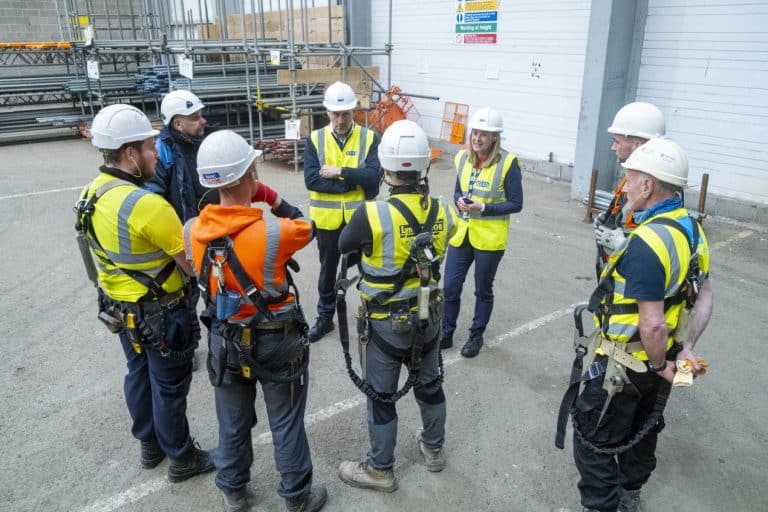








 One of the tour highlights was the visit to HMP Belmarsh, the highest security prison in the UK, where VR headsets were permitted onsite for only the second time in history. “The response from inmates has been overwhelmingly positive”, Henry said, with many queuing up to try out the VR and speak to NASC members about employment opportunities upon their release.

 NASC is looking to consider as many routes of entry into scaffolding as possible for those interested in a career, offering members subsidised training for returning citizens, training via Release On Temporary Licence (ROTL), plus the possibility of delivering onsite training for those due for release. CISRS Approved Provider Fulcrum Scaffold and Safety Training have already produced several courses in facilities across the North West and North Wales, ensuring that participants are leaving prison with their Construction Industry Scaffolders Record Scheme (CISRS) new entrant (COTS) cards in hand, which is a great benefit to the employers who have signed them up.
Henry’s work with the Returning Citizens campaign is an inspiring example of how the scaffolding industry can contribute to society by empowering marginalised groups and providing them with a means of livelihood. It also showcases the importance of training and mentoring in giving people a second chance and helping them reintegrate into society.
NASC is looking to consider as many routes of entry into scaffolding as possible for those interested in a career, offering members subsidised training for returning citizens, training via Release On Temporary Licence (ROTL), plus the possibility of delivering onsite training for those due for release. CISRS Approved Provider Fulcrum Scaffold and Safety Training have already produced several courses in facilities across the North West and North Wales, ensuring that participants are leaving prison with their Construction Industry Scaffolders Record Scheme (CISRS) new entrant (COTS) cards in hand, which is a great benefit to the employers who have signed them up.
Henry’s work with the Returning Citizens campaign is an inspiring example of how the scaffolding industry can contribute to society by empowering marginalised groups and providing them with a means of livelihood. It also showcases the importance of training and mentoring in giving people a second chance and helping them reintegrate into society. 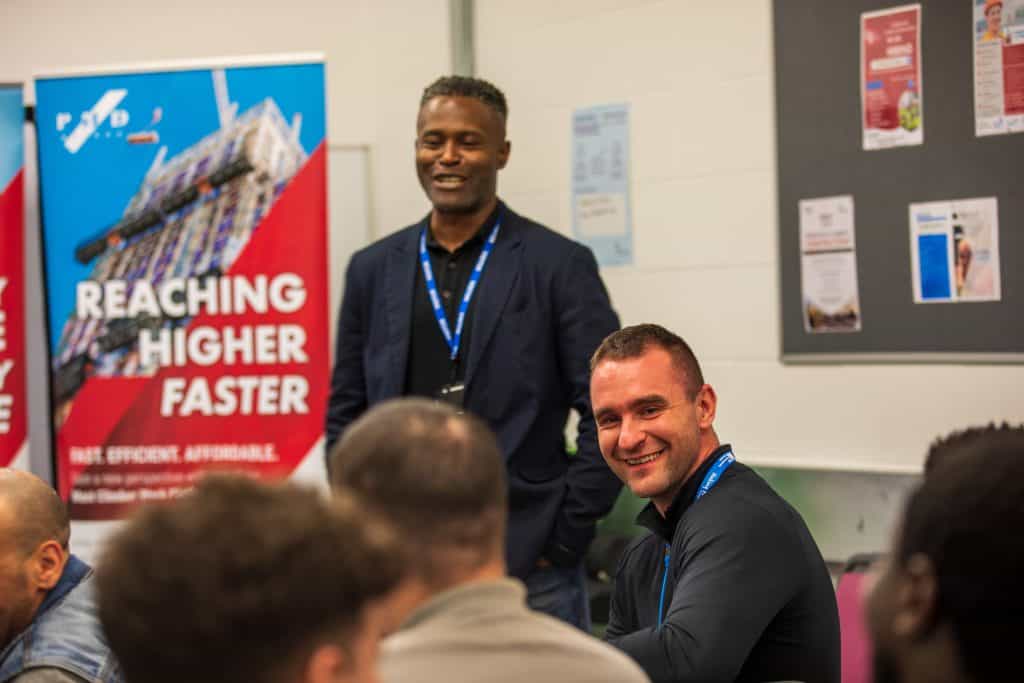 One of the tour highlights was the visit to HMP Belmarsh, the highest security prison in the UK, where VR headsets were permitted onsite for only the second time in history. “The response from inmates has been overwhelmingly positive”, Henry said, with many queuing up to try out the VR and speak to NASC members about employment opportunities upon their release.
 NASC is looking to consider as many routes of entry into scaffolding as possible for those interested in a career, offering members subsidised training for returning citizens, training via Release On Temporary Licence (ROTL), plus the possibility of delivering onsite training for those due for release. CISRS Approved Provider Fulcrum Scaffold and Safety Training have already produced several courses in facilities across the North West and North Wales, ensuring that participants are leaving prison with their Construction Industry Scaffolders Record Scheme (CISRS) new entrant (COTS) cards in hand, which is a great benefit to the employers who have signed them up.
Henry’s work with the Returning Citizens campaign is an inspiring example of how the scaffolding industry can contribute to society by empowering marginalised groups and providing them with a means of livelihood. It also showcases the importance of training and mentoring in giving people a second chance and helping them reintegrate into society.
NASC is looking to consider as many routes of entry into scaffolding as possible for those interested in a career, offering members subsidised training for returning citizens, training via Release On Temporary Licence (ROTL), plus the possibility of delivering onsite training for those due for release. CISRS Approved Provider Fulcrum Scaffold and Safety Training have already produced several courses in facilities across the North West and North Wales, ensuring that participants are leaving prison with their Construction Industry Scaffolders Record Scheme (CISRS) new entrant (COTS) cards in hand, which is a great benefit to the employers who have signed them up.
Henry’s work with the Returning Citizens campaign is an inspiring example of how the scaffolding industry can contribute to society by empowering marginalised groups and providing them with a means of livelihood. It also showcases the importance of training and mentoring in giving people a second chance and helping them reintegrate into society. 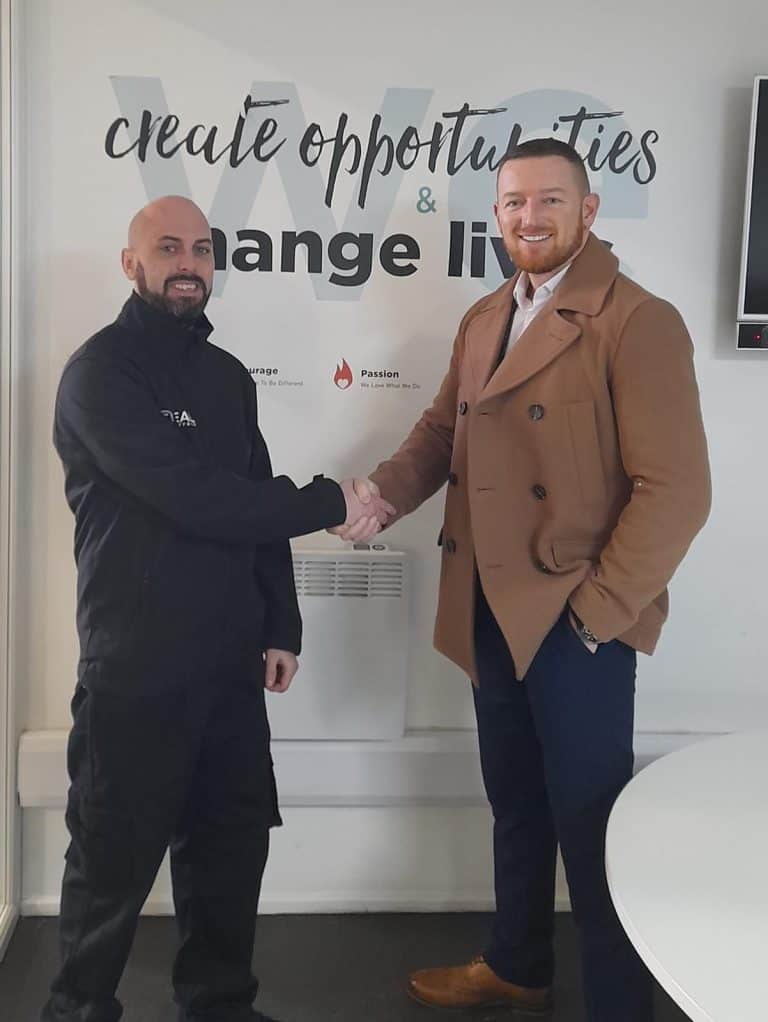

 Secret to Success
The quality of our work speaks for itself. We don’t profess to be the biggest specialist contractor there is, but we certainly are one of the best – or the best – out there if you ask me!
We are a family business but our entire team is part of that family. Our people, our operatives; they are the Millcroft business.
As many will testify in the construction sector, it can be extremely difficult to find good staff. So, we really look after our own. We help nurture and grow their skills and provide career progression opportunities to ensure we maintain a solid and motivated workforce. We have a very low staff turnover because we invest in our people, which compliments our own service and delivery to customers.
Developing people’s skills is an important part of our craft – especially as we’re experiencing an industry-wide quality labour shortage. We have a Construction Industry Training Board (CITB)-approved training centre on site, which is a huge asset and separates us from the competition. We receive lots of positive feedback from those who have undertaken courses there – clients as well as our own team.
Secret to Success
The quality of our work speaks for itself. We don’t profess to be the biggest specialist contractor there is, but we certainly are one of the best – or the best – out there if you ask me!
We are a family business but our entire team is part of that family. Our people, our operatives; they are the Millcroft business.
As many will testify in the construction sector, it can be extremely difficult to find good staff. So, we really look after our own. We help nurture and grow their skills and provide career progression opportunities to ensure we maintain a solid and motivated workforce. We have a very low staff turnover because we invest in our people, which compliments our own service and delivery to customers.
Developing people’s skills is an important part of our craft – especially as we’re experiencing an industry-wide quality labour shortage. We have a Construction Industry Training Board (CITB)-approved training centre on site, which is a huge asset and separates us from the competition. We receive lots of positive feedback from those who have undertaken courses there – clients as well as our own team.
 Secret to Success
The quality of our work speaks for itself. We don’t profess to be the biggest specialist contractor there is, but we certainly are one of the best – or the best – out there if you ask me!
We are a family business but our entire team is part of that family. Our people, our operatives; they are the Millcroft business.
As many will testify in the construction sector, it can be extremely difficult to find good staff. So, we really look after our own. We help nurture and grow their skills and provide career progression opportunities to ensure we maintain a solid and motivated workforce. We have a very low staff turnover because we invest in our people, which compliments our own service and delivery to customers.
Developing people’s skills is an important part of our craft – especially as we’re experiencing an industry-wide quality labour shortage. We have a Construction Industry Training Board (CITB)-approved training centre on site, which is a huge asset and separates us from the competition. We receive lots of positive feedback from those who have undertaken courses there – clients as well as our own team.
Secret to Success
The quality of our work speaks for itself. We don’t profess to be the biggest specialist contractor there is, but we certainly are one of the best – or the best – out there if you ask me!
We are a family business but our entire team is part of that family. Our people, our operatives; they are the Millcroft business.
As many will testify in the construction sector, it can be extremely difficult to find good staff. So, we really look after our own. We help nurture and grow their skills and provide career progression opportunities to ensure we maintain a solid and motivated workforce. We have a very low staff turnover because we invest in our people, which compliments our own service and delivery to customers.
Developing people’s skills is an important part of our craft – especially as we’re experiencing an industry-wide quality labour shortage. We have a Construction Industry Training Board (CITB)-approved training centre on site, which is a huge asset and separates us from the competition. We receive lots of positive feedback from those who have undertaken courses there – clients as well as our own team.
 Much of our work comes from our excellent reputation thanks to our experience, premium service delivery, attention to detail, dedication and passion. When we deliver something well, demand grows. It’s as simple as that.
A good sense of humour also goes a long way, and we’ve had a lot of fun over the years! We respect and look after one another, which is important, too.
A Changed Landscape
I think the most obvious of changes in our industry in the last 50 years would be the health and safety aspects to our job.
I remember when it became best practice for scaffolders to wear a harness on site. Before that, you had to rely on your cat-like balance to stay safe. You can’t even imagine that now, and the industry has undertaken a lot of really important work to ensure everyone goes home safely at the end of each working day. As a company, we are committed to each and every change and improvement to health and safety.
We’ve also invested significantly in our commitment to net zero – changing the way we operate and investing in a new electric and hybrid fleet so we are compliant to the clean air zone regulations in London. Sustainability is not a quick fix, but we are devoted to making the effort to creating a greener environment, and that starts with making tangible changes for a measurable impact.
The Next 50?
The construction industry has revolutionised in the last 50 years; with the emergence of technology, health and safety advances and huge investment to improve infrastructure. As a company, we’re often ahead of the game when it comes to making changes to adapt to our evolving landscape. But our core, traditional values remain the same. We are a local, family business who take care of each other and our customers, and we’re passionate about what we do. I was born about a three-minute walk away from our headquarters in Greenwich. This part of London, and this business, is in our blood.
www.millcroft.co.uk
This article was first published in the ScaffMag Magazine Issue 18
Much of our work comes from our excellent reputation thanks to our experience, premium service delivery, attention to detail, dedication and passion. When we deliver something well, demand grows. It’s as simple as that.
A good sense of humour also goes a long way, and we’ve had a lot of fun over the years! We respect and look after one another, which is important, too.
A Changed Landscape
I think the most obvious of changes in our industry in the last 50 years would be the health and safety aspects to our job.
I remember when it became best practice for scaffolders to wear a harness on site. Before that, you had to rely on your cat-like balance to stay safe. You can’t even imagine that now, and the industry has undertaken a lot of really important work to ensure everyone goes home safely at the end of each working day. As a company, we are committed to each and every change and improvement to health and safety.
We’ve also invested significantly in our commitment to net zero – changing the way we operate and investing in a new electric and hybrid fleet so we are compliant to the clean air zone regulations in London. Sustainability is not a quick fix, but we are devoted to making the effort to creating a greener environment, and that starts with making tangible changes for a measurable impact.
The Next 50?
The construction industry has revolutionised in the last 50 years; with the emergence of technology, health and safety advances and huge investment to improve infrastructure. As a company, we’re often ahead of the game when it comes to making changes to adapt to our evolving landscape. But our core, traditional values remain the same. We are a local, family business who take care of each other and our customers, and we’re passionate about what we do. I was born about a three-minute walk away from our headquarters in Greenwich. This part of London, and this business, is in our blood.
www.millcroft.co.uk
This article was first published in the ScaffMag Magazine Issue 18