Overseas expansion for scaffolding design specialists

Independent Design House (IDH), further expands globally with the launch of IDH Bahrain in the Middle East.
With an expanding order book and bases in the UK and Poland, the engineering design consultancy already employs 40 people and recently launched IDH North, in Lancashire.
IDH Bahrain is based in the Gulf, and will also service markets in nearby Saudi Arabia, Qatar and the United Arab Emirates.

IDH Bahrain will be run by local partner, Hany Ibrahim CEng, a UK-trained specialist in temporary works. A recent report predicted that the Bahraini construction industry will grow at an average rate of 4.3% between 2022 and 2025.
IDH provides both temporary and permanent works design, with full 2D draughting and 3D modelling services along with all BIM requirements. Clients include industry leading firms such as ISG and Laing O’Rourke Construction Ltd.
Hany Ibrahim CEng brings with him 20 years of industry experience. Previous roles include Head of the Technical Department in KSA followed by Associate of Wentworth House Partnership.
Hany Ibrahim offe
Drawing on the strengths and skillsets of the IDH group, IDH Bahrain will benefit from the central engineering and admin resource pool of the other offices.
Hany Ibrahim CEng said: “Middle East is presenting excellent business opportunities this year and even more in the next few years. Mega projects are set to come live and some of these projects include those in alignment with Vision 2030 plans that Qatar, United Arab Emirates, and Saudi Arabia have in place, which aim to help create a thriving post-hydrocarbon economy for the region.”
“Our vision is not only to establish the business in Bahrain but to expand it to Saudi Arabia, Qatar and UAE.”
IDH CEO, Tim Burt, added: “I am extremely excited about the opportunities opening IDH Bahrain will generate for us, and I believe it will take us to the next level as a business. We foresee continued growth over the coming months as IDH North and IDH Bahrain come on-stream, and we are genuinely forming an international business.”
Altrad bags £24m maintenance contract for Shell in Southern North Sea

Industrial services firm Altrad has secured a significant three-year contract with Shell for the provision of critical support services in the Southern North Sea.
The £24m contract covers the support of Shell’s Clipper and Leman Alpha offshore gas platforms and the Bacton gas processing plant, near Great Yarmouth in the UK. The deal has options for two further, one-year extensions and commences in July 2021. Altrad will be providing services including access, rope access, insulation, painting and deck crew to support the assets’ critical maintenance and project activities. Altrad’s Director of Upstream Operations – Chris Garland said, “The award of this contract builds upon our successful international, strategic relationship with Shell and we look forward to using the ingenuity of our people to support the safe and efficient operation of these assets.” The new contract award, which according to Altrad has displaced both Bilfinger Salamis and Brand Energy Infrastructure Services, will allow the company to offer permanent employment to approximately 80 new people which is expected to reach around 120 during peak activity periods. “This latest contract award marks another exciting milestone in Altrad’s repositioning of its upstream business – aligning with the objectives of the Altrad 2026 strategy – which will see Altrad transition into a business that is 75% larger than it is today, by 2026” added Peter Hughes – Altrad’s Director of Business Development & Strategy.HSE publish annual workplace death figures 2020/21

Provisional data released by the HSE show that a total of 142 workers were killed at work in Great Britain in 2020/21, an increase of 29 from the previous year, though the number of deaths in 2019/20 (113) was low compared to other recent years.
In statistical terms the HSE say the number of fatalities has remained broadly level in recent years – the average annual number of workers killed at work over the five years 2016/17-2020/21 is 136. Over the past 20 years there has been a long-term reduction in the number of workplace fatalities, demonstrating that Great Britain is one of the safest places to work in the world. The figures released by the Health and Safety Executive (HSE) relate to workplace incidents. They do not include deaths arising from occupational exposure to disease, including Covid-19. HSE’s Chief Executive, Sarah Albon, said: “Whilst the working world in which we now live has created new health challenges for workers and for those who have a duty towards them, safety must also remain a priority. Whilst the picture has improved considerably over the longer term and Great Britain is one of the safest places to work in the world, every loss of life is a tragedy, we are committed to ensuring that workplaces are as safe as they can be and that employers are held to account and take their obligations seriously.” The three most common causes of fatal injuries continue to be workers falling from height (35), being struck by a moving vehicle (25) and being struck by a moving object (17), accounting for more than half of fatalities in 2020/21. These figures also continue to highlight the risks to older workers with around 30 per cent of fatal injuries in 2020/21 involving workers aged 60 or over, even though such workers only make up around 11 per cent of the workforce. In addition, members of the public continue to be killed in connection with work-related incidents. In 2020/21, 60 members of the public were killed as a result of a work-related incident. The figures for Mesothelioma, which is cancer contracted through past exposure to asbestos and is one of the few work-related diseases where deaths can be counted directly, show 2,369 people died in Great Britain in 2019. This is seven per cent lower than the average of 2,540 deaths over the previous seven years. Current mesothelioma deaths largely reflect occupational asbestos exposures that occurred before the 1980s. The figure for 2019 is consistent with projections that a reduction in total annual deaths would start to become apparent at this point. However, it is still not certain how quickly annual deaths will decline. A fuller assessment of work-related ill-health and injuries, drawing on HSE’s full range of data sources, will be provided as part of the annual Health and Safety Statistics release on 16 December 2021.Bens Cleaning Up – With A Little Help from Formark Scaffolding

Hard work and ingenuity will certainly see 24-year-old Ben Hows clean up in terms of a successful future. In fact, he’s also on course to build up a successful property portfolio and it’s all thanks to his driven approach to scaffolding and his former boss at Formark.
On leaving school at 16 Ben was taken on by Formark Scaffolding, a privately owned specialist scaffolding company based in South London. From labouring duties this charismatic young man steadily worked his way up through the ranks to become a fully-fledged highly qualified operative. Keen to gain more experience Ben moved away from Formark for a six-month stint in pastures new, though it was always his plan to return to the fold. He takes up the story: “Realising I wanted to earn some of the good things in life I realised I’d need to show plenty of application and work hard to achieve my goals. I’d been at the company for a few years and had ambitions to go on and create my own business. With help from my dad, we came up with the idea of creating a cleaning company – something we could run in between my scaffolding duties.” Under the name of Aquaclean they quickly made a few contacts and began washing scaffolding and skip lorries at weekends. Word soon spread around and Ben found himself with a bit more work needing to be fitted around his full-time job. “It began to get a bit stressful trying to fit everything in as we had some good jobs but not enough for us to go full time. I approached scaffolding very professionally and didn’t let anything affect the quality of my work. But it was getting harder, and eventually, I put my notice in at Formark. My boss Mark wondered why I’d decided to leave, so I explained everything as best I could.” Now, some firms may well have decided to let an employee go concentrating fully on their own interests. Formark however is just a little bit different. Director Mark Croote had obviously been taken by Ben’s dynamic approach to his job. So much so he offered to help his young charge get fully set up in business as Ben explained: “I have to say he was really helpful offering to give me business set-up support in terms of sending out emails, sorting a plan and even helping me find the best mortgage advice to purchase my first property. But what really blew me away was the fact he asked outright what I wanted to do? When I told him he just said there’s work available whenever you need it – the mixing and matching of jobs wouldn’t be a problem. “There’s always work available of course for the employees here, but if I needed just one day’s work it would be offered if-and-when I needed it. In fact, day or night shifts something would be made available, and I was always welcomed as part of the team just as before. I became good friends with Mark – it’s been hard going at times as I can’t remember having a single day off, but I know it will all be worth it in the long run.” Ben from Croydon hopes to expand his property portfolio with another potential purchase on the way and strengthen the cleaning business. But should things not go according to plan, he can always fall back on his scaffolding skills.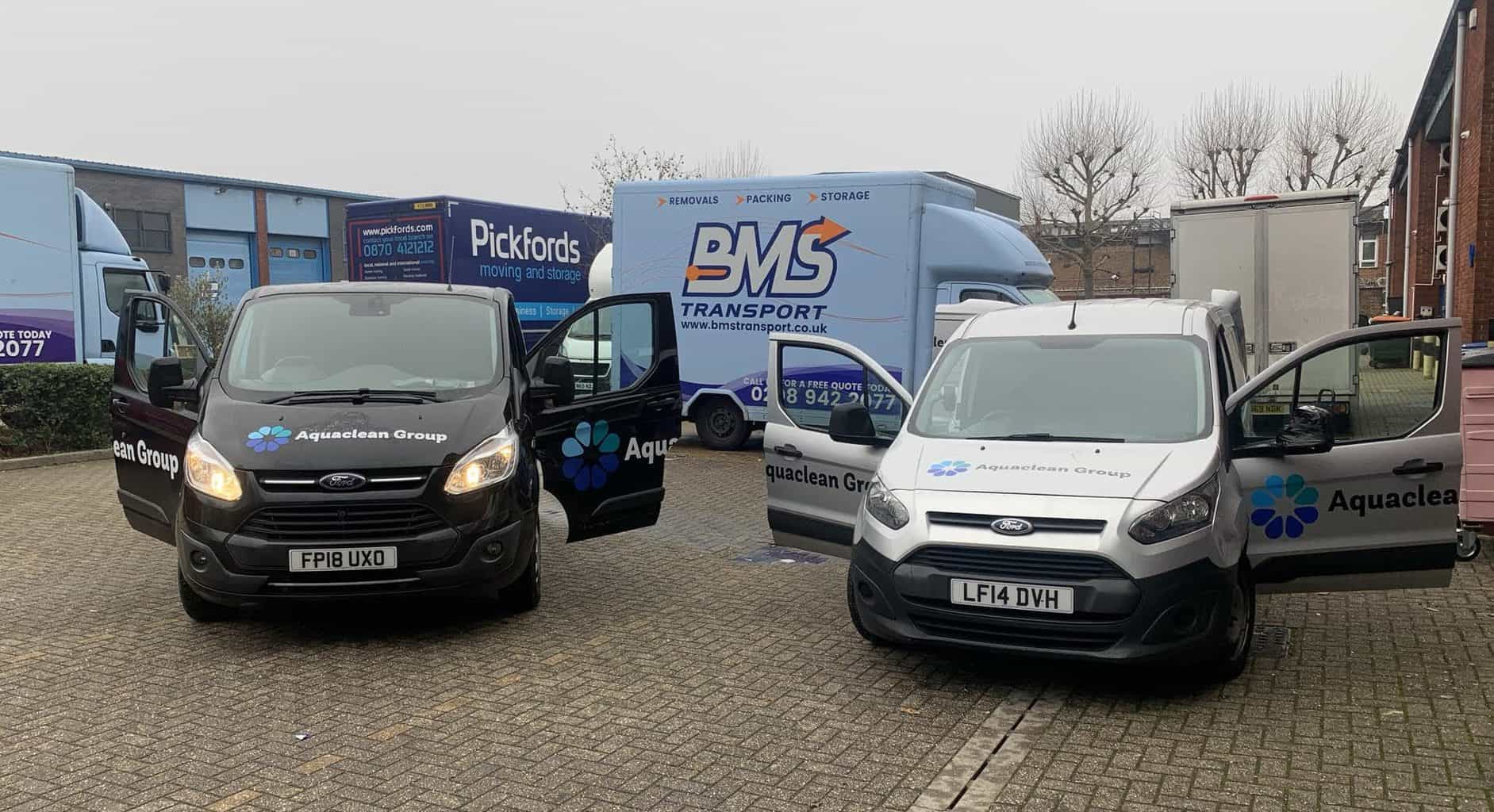 He has a clear message for any youngster hoping to make their mark on the world: “You really can make your own dreams come true, but it needs a bit of determination, lots of drive and a willingness to work hard. You don’t have to be just a number – if you put the effort in it really will get noticed by those around you. But you must be disciplined and really go for it.”
As for those brilliant guys at Formark Scaffolding, it’s just another example of how the scaffolding industry in the UK continually puts something back into the community. A quality business isn’t just about making a profit and providing a first-class service – the human aspect is just as important.
“I really can’t thank Formark and Mark enough as they’ve been brilliant and incredibly supportive throughout. In truth, their training and mentoring has enabled me to grow as a person and that’s invaluable.”
It’s another inspiring tale from the world of scaffolding and a leading example of how we can all help each other. For Ben Hows, it’s a case of the only way is up.
He has a clear message for any youngster hoping to make their mark on the world: “You really can make your own dreams come true, but it needs a bit of determination, lots of drive and a willingness to work hard. You don’t have to be just a number – if you put the effort in it really will get noticed by those around you. But you must be disciplined and really go for it.”
As for those brilliant guys at Formark Scaffolding, it’s just another example of how the scaffolding industry in the UK continually puts something back into the community. A quality business isn’t just about making a profit and providing a first-class service – the human aspect is just as important.
“I really can’t thank Formark and Mark enough as they’ve been brilliant and incredibly supportive throughout. In truth, their training and mentoring has enabled me to grow as a person and that’s invaluable.”
It’s another inspiring tale from the world of scaffolding and a leading example of how we can all help each other. For Ben Hows, it’s a case of the only way is up. TRAD Teams Take on Three-Peaks Challenge for 50th Year Charity Appeal

TRAD Group (‘TRAD’), one of the UK’s leading scaffolding and access companies, has put together a team of 30 intrepid walkers to take on the Yorkshire Three Peaks challenge in October this year.

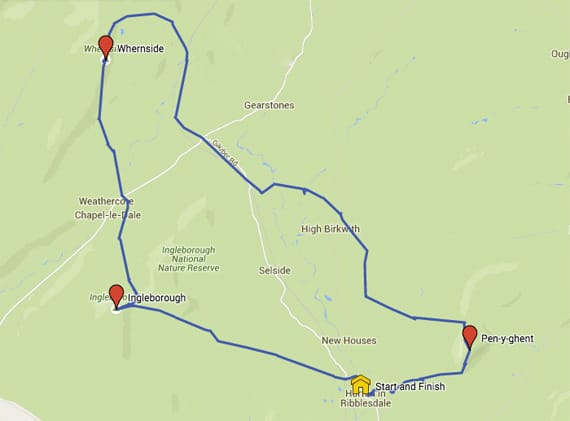 “We are delighted to be taking part in this challenge,” said Des Moore. “All the teams are currently in training and working hard to raise money so we can reach our target of £30,000 for this event. As well as being a fantastic charity event, it’s also a great opportunity for people from across TRAD to work together towards a common goal.”
The Royal British Legion, MIND and the Multiple Sclerosis Society have been chosen by TRAD’s staff members across the UK, and the group has committed to raising at least £75,000 over the year, which will be equally split between the charities.
The Royal British Legion helps members of the Royal Navy, the Army, the Royal Air Force, veterans and their families. It is best-known for its annual poppy appeal, but offers day-to-day support to serving and veteran armed forces personnel and is active in campaigning for their care and rights. You can learn more here: https://www.britishlegion.org.uk/
MIND supports better mental health. It is a nationwide charity that offers a wide range of information and support to those with mental health issues and the people who care for them, and is an active campaigner for a better understanding of mental health and greater support for it. Find out more at: https://www.mind.org.uk/
The Multiple Sclerosis Society supports people with Multiple Sclerosis, a condition that affects the brain and the spinal cord, resulting in a wide range of symptoms. More than 130,000 people in the UK have MS. The charity runs a helpline and offers a wide range of support for everything from managing finances to supporting carers. Their website is: https://www.mssociety.org.uk/
Anyone who would like to sponsor the teams or make a donation to TRAD’s charity appeal can donate here: https://www.collectionpot.com/pot/275521/
“We are delighted to be taking part in this challenge,” said Des Moore. “All the teams are currently in training and working hard to raise money so we can reach our target of £30,000 for this event. As well as being a fantastic charity event, it’s also a great opportunity for people from across TRAD to work together towards a common goal.”
The Royal British Legion, MIND and the Multiple Sclerosis Society have been chosen by TRAD’s staff members across the UK, and the group has committed to raising at least £75,000 over the year, which will be equally split between the charities.
The Royal British Legion helps members of the Royal Navy, the Army, the Royal Air Force, veterans and their families. It is best-known for its annual poppy appeal, but offers day-to-day support to serving and veteran armed forces personnel and is active in campaigning for their care and rights. You can learn more here: https://www.britishlegion.org.uk/
MIND supports better mental health. It is a nationwide charity that offers a wide range of information and support to those with mental health issues and the people who care for them, and is an active campaigner for a better understanding of mental health and greater support for it. Find out more at: https://www.mind.org.uk/
The Multiple Sclerosis Society supports people with Multiple Sclerosis, a condition that affects the brain and the spinal cord, resulting in a wide range of symptoms. More than 130,000 people in the UK have MS. The charity runs a helpline and offers a wide range of support for everything from managing finances to supporting carers. Their website is: https://www.mssociety.org.uk/
Anyone who would like to sponsor the teams or make a donation to TRAD’s charity appeal can donate here: https://www.collectionpot.com/pot/275521/ Embrace delivers giant scaffold wrap for iconic store

Cheltenham based Embrace Building Wraps has delivered a giant scaffold wrap for an iconic Chelsea department store.
In the very heart of Chelsea stands Peter Jones & Partners department store. The store is currently undergoing a significant exterior façade refurbishment program by Conamar Building Services which requires the exterior of the property to be wrapped in access scaffolding erected by AGS Scaffolding Ltd. Jones & Partners chose to encapsulate the Kings Road and Sloane Square elevations in a digitally printed mesh PVC wrap featuring an elegant grey and white striped design with three gold logos, ‘never standing still & ‘open as usual’ messaging. Embrace said: “As each of the three main sections of scaffolding were erected, we swiftly wrapped at different times, and then seamlessly joined to create one giant wrap measuring 2,268 m2 – that is about the same size as a row of seven double decker buses stacked four high!” The use of the building wrap ensures the residents, visitors and local retail stores in the area didn’t have to endure exposed scaffolding and also provides protection from the dust and grime associated with the site works. Greg Forster, Managing Director at Embrace Building Wraps added: “We are delighted to be working at Peter Jones & Partners for the John Lewis Partnership again, having previously delivered the giant wrap on the John Lewis Oxford Street flagship store a few years back. “This was a cracking job by all concerned where the main contractor, scaffolding specialist and Embrace team all worked in unison with one common goal – to make it happen! Each of three component wraps is the same size as three tennis courts and needed to be installed at different times. The striking creative design lines up seamlessly across both elevations – one of which has a challenging curved surface. We have all sorts of tricks up our sleeves and hundreds of jobs under our belt – that is why this printed scaffolding wrap looks sensational!” The scaffold structure will also be dismantled in three sections during different phases of the project and when this happens the remaining scaffold sections will still be wrapped in the printed graphic until removal.3t Energy Group Partner Up to Boost Local Skills for Guyana’s Oil and Gas Sector

3t Energy Group and Panthera Solutions are set to upskill local workers for Guyana’s fast-growing oil and gas sector.
3t Energy Group, a leading training organisation is joining forces with oil and gas service company, Panthera Solutions to develop a competent, highly-skilled local workforce for the fast-growing oil and gas industry in Guyana. Panthera Solutions, a joint venture partnership between Guyana’s Farfan & Mendes and Canada’s Crosbie, is working with 3t Energy Group’s training division AIS Survivex to upskill its Guyanese personnel with internationally recognised offshore qualifications invaluable to the local oil and gas market. As well as industry-approved courses in scaffolding, rope access, non-destructive testing (NDT) and blasting and coatings application, AIS Survivex will be delivering the Gold Standard SSPC Train the Painter course to Panthera Solutions personnel. This qualification is an internationally recognised programme, developed by industry experts, to train delegates in the most advanced and innovative surface treatment and coatings techniques. Experienced training instructors from the UK will be travelling to Georgetown, Guyana to deliver some of the training with the remainder taking place at one of AIS Survivex’s state-of-the-art training facilities in the North of England. Once certified, Panthera Solutions personnel will be working on a number of oil and gas assets in Guyana, including the Exxon Mobil operated Liza Destiny FPSO. This is the latest training project undertaken by 3t Energy Group and Panthera Solutions. Together they are also developing a longer-term strategy to upskill local Guyanese workers and create a strong pipeline of skilled, local talent for the oil and gas sector in the territory. Andrew Dinsdale, General Manager for Panthera Solutions, said: “The oil and gas industry in Guyana is growing extremely fast so we’re training personnel to be competent in a range of disciplines and to the highest of international standards in order to support the requirements of this sector as it expands. As well as being committed to developing highly-skilled local content, we want to build a strong, diverse workforce. We have a growing complement of competent female technicians amongst our personnel helping to address gender inequalities in the sector. Along with our training partners, 3t Energy Group, we are now looking at how we can ramp up the supply of a skilled workforce in line with increased demand for our services and wider.” Gavin Taylor, Vice President Global Sales & Strategy at 3t Energy Group added: “We are delighted to be working with Panthera Solutions to upskill the national workforce in Guyana. 3t Energy Group is committed to helping the global energy sector work safer, smarter and more efficiently and we have unrivalled expertise in traditional training, cloud-based software systems and digital learning technologies such as eLearning, virtual reality and micro-learning apps. “We will be using these capabilities to their full extent to help the oil and gas sector across this important region by delivering a competent, highly-skilled, local workforce ready to deploy whenever needed. As well as helping oil and gas companies source the talent they need locally rather than looking further afield, we want to ensure the Guyanese people gain invaluable, tailored skills for life. This will have far-reaching social and economic consequences for good across the region.”Three Steps to Scaffolding Success for School Leavers
It’s three steps to scaffolding success for school leavers looking to construct a career in scaffolding thanks to a leading companies well-designed training programme.
Skill Scaffolding are certainly leading the way in training right from the basics to working on-site and completing formal courses. In terms of their skill academy, there are three levels for trainees to master before they become fully-fledged operatives in the field. The first level begins in the yard and accounts for the very basics including the wearing of PPE, components used in scaffolding and a thorough grounding in health and safety; culminating in preparation for the HS&E Touchscreen Test, and COTS course. Upon successful completion, students will begin training on-site under the supervision of fully trained scaffolders ready to become mentors. This part of the training will get them used to the weight of materials and the practical side of life on any scaffolding project. On reaching the third level trainees will be booked onto their first CISRS scaffolding course in preparation to work their way through the system – at the end of all this, they’ll become fully trained scaffolders. Lee Marshall, Head of Health and Safety at Skill Scaffolding, explained: “Over the last few years, we have seen a drop in the number of the younger generation coming into the trade, so last year we decided to start our Skill Academy. “The trade is facing a huge skills gap so putting the support in place to help the future generations learn the correct way of doing things is the best way to ensure our clients keep getting the top-quality service they deserve. “Finding a career in scaffolding is not something that usually comes naturally to the younger generations, they are actively encouraged to follow many different career paths at school and college, but scaffolding is rarely one of them. We can clearly see that it is vital that this changes, and we want to be involved in making that happen.”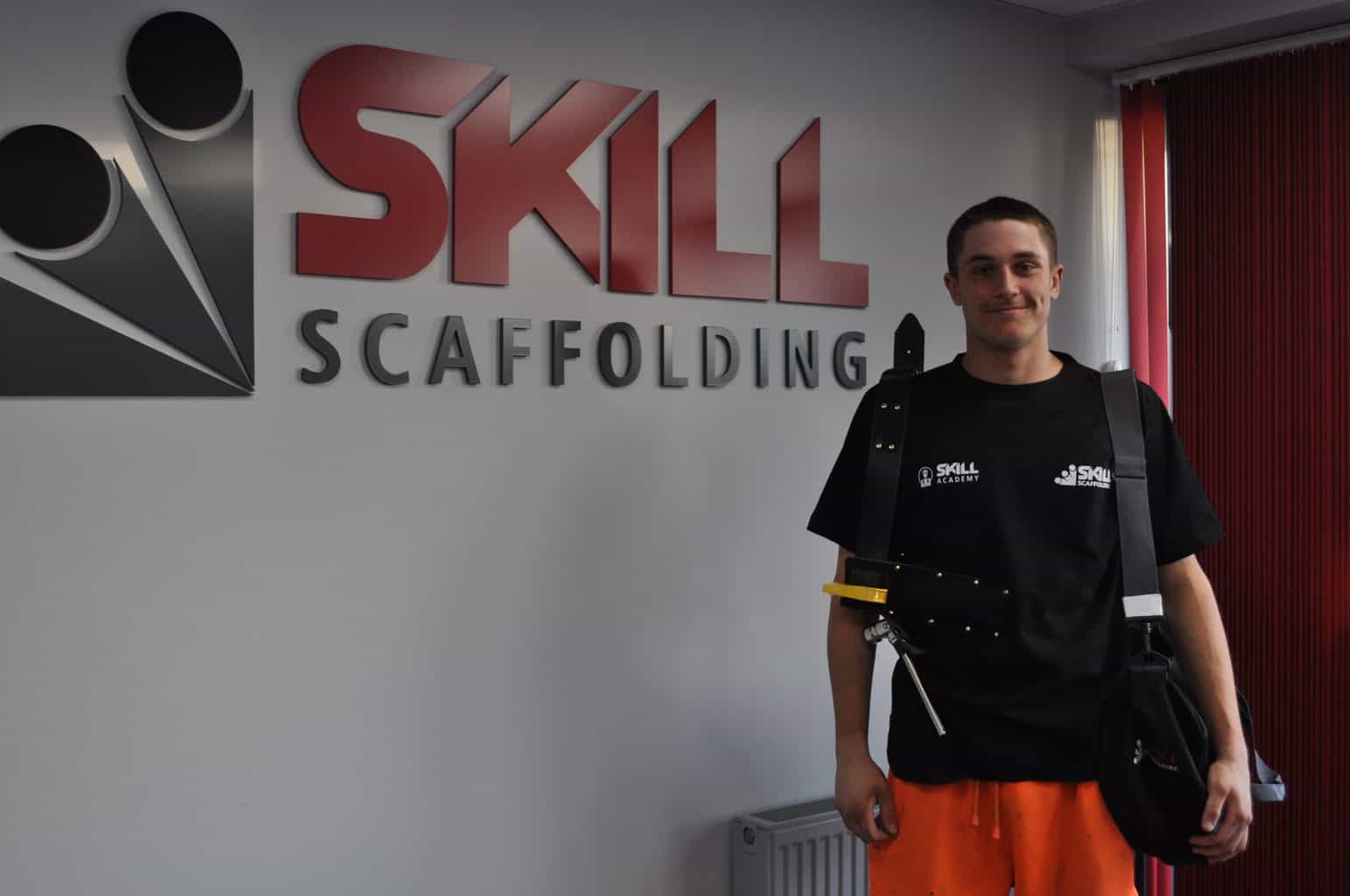 Alongside direct recruitment, Skill Scaffolding are utilising the government kickstart scheme as an additional source to funnel recruits into the skill academy.
The innovative scheme aims to create a number of new six-month job placements for young people currently on Universal Credit and at risk of long-term unemployment. The job placements are aimed at supporting the participants to develop the skills and experience they need to find permanent work after completing the scheme.
Skill Scaffolding has taken on numerous kick starters in the past few months, with many successful enough to progress to stage two of the academy.
Alongside direct recruitment, Skill Scaffolding are utilising the government kickstart scheme as an additional source to funnel recruits into the skill academy.
The innovative scheme aims to create a number of new six-month job placements for young people currently on Universal Credit and at risk of long-term unemployment. The job placements are aimed at supporting the participants to develop the skills and experience they need to find permanent work after completing the scheme.
Skill Scaffolding has taken on numerous kick starters in the past few months, with many successful enough to progress to stage two of the academy.
Recruitment Drive
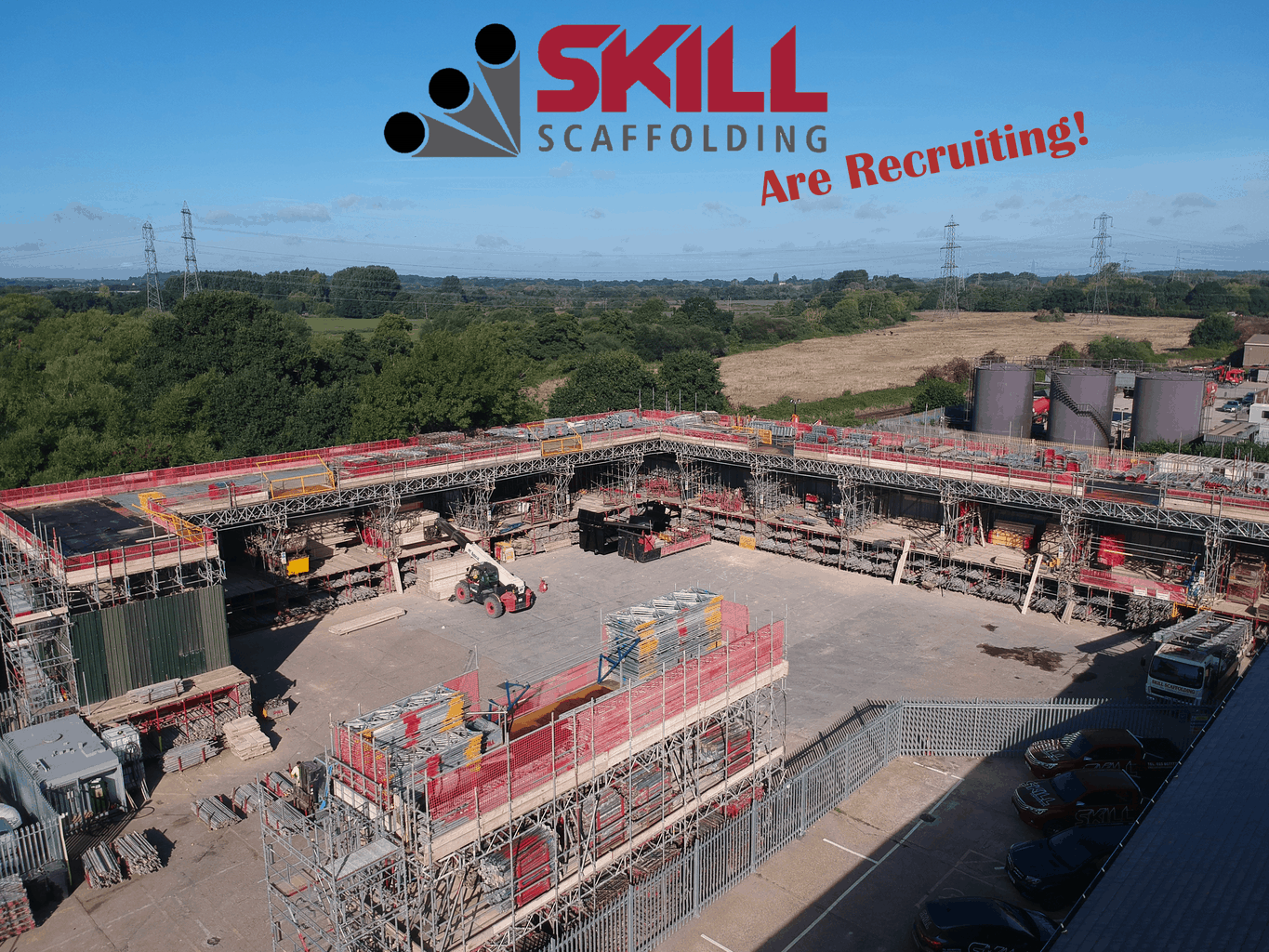 What’s more, the firm is looking for experienced people to become part of up to five full scaffolding gangs. These include experienced labourers, Part ones and Part twos; alongside advanced scaffolders. And in addition, up to five Rhino Deckers – all to service projects within the areas of Dorset, Basingstoke and Chichester.
Skill offer competitive rates of pay, plus a van, with immediate long term and permanent work to the right candidates. Management opportunities to exemplary employees.
Appropriate training will be provided where required, as well as full PPE.
Interested applicants can contact our office on 02380 777 750, and ask for either Karl Mcleod or James Wall.
Emails can also me sent to either: [email protected] or [email protected]
What’s more, the firm is looking for experienced people to become part of up to five full scaffolding gangs. These include experienced labourers, Part ones and Part twos; alongside advanced scaffolders. And in addition, up to five Rhino Deckers – all to service projects within the areas of Dorset, Basingstoke and Chichester.
Skill offer competitive rates of pay, plus a van, with immediate long term and permanent work to the right candidates. Management opportunities to exemplary employees.
Appropriate training will be provided where required, as well as full PPE.
Interested applicants can contact our office on 02380 777 750, and ask for either Karl Mcleod or James Wall.
Emails can also me sent to either: [email protected] or [email protected]
Scaffolding Contractor sought for HMS Victory

A search is underway for a specialist scaffolding firm to erect major scaffolding works for the restoration of HMS Victory in Portsmouth.
The National Museum of the Royal Navy (NMRN) is looking to appoint a scaffolding contractor or contractors to support a major conservation programme of works planned for HMS Victory in Portsmouth. The programme which will commence in late 2021 will see much-needed conservation work to ensure the long-term preservation of the World – Class Historic Vessel and an exemplar of a Royal Navy capital warship from the Age of Sail. The NMRN is seeking scaffolding companies that ideally have experience in working with heritage/conservation projects and incorporating and working alongside visitor access to the ship. A Prior Information Notice was made public on the MyTenders website for the job with a value of £2m. The NMRN is seeking contractors to provide a multi-level (or variable level) tented access and work platform to support the removal and replacement of planking and a weather-tight enclosure for essential conservation work to be undertaken. The Museum also requires the construction of site office and welfare facilities for the scaffolding construction personnel within a secure area to allow public access to the museum and ship. Work is anticipated in four stages, each of approximately 3 years, the notice reads. The scaffold design must incorporate provisions for internal and external visitor experience. And also include ventilation systems and fire detection and suppression systems, including fire curtains and sprinklers to prevent damage to the ship while the works are carried out.HMS Victory is a 104-gun ship of the line of the Royal Navy, launched in 1765. She is best known for her role as Lord Nelson’s flagship at the Battle of Trafalgar.
You can read the full Prior Information Notice that includes contact details and further information by clicking here.