Scaffolder’s design software wins Global Tech Award

Scaffolder Simon Boyes has wowed the global construction industry with his world-first intelligent scaffold design software ScaffPlan.  The Australian scaffolder picked up the top award at Trimble’s 2022 Tekla Global Building Information Modeling (BIM) Awards. The biennial competition showcases the world’s most advanced construction projects using Tekla solutions.

ScaffPlan is a revolutionary 3D modelling solution built to resolve many problems that take place in the high-risk scaffolding sector.

Founder of ScaffPlan, Simon Boyes is also the owner of Benchmark Scaffolding and has worked on some of Australia’s highest-profile scaffolding contracts. 

“There are a lot of moving parts that happen running a scaffolding business, and I have tried just about every solution on the market to help reduce the stress and hassles, but there was nothing that was the full package to easily design and engineer scaffolding with accurate gear lists and live sharing”, Boyes said.

Initially, Boyes developed ScaffPlan for internal use in his business, however, soon discovered that the need for the product was much larger than he ever could have anticipated.

Earlier this year ScaffPlan launched in Australia and New Zealand, and in rapid succession, ScaffPlan’s international release followed within three months. 
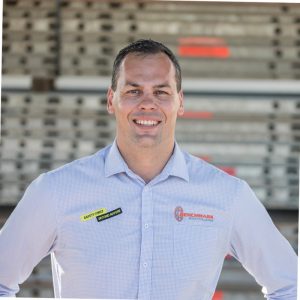
Simon Boyes, Founder of ScaffPlan

Boyes added “Being recognised on the global stage for our product is a huge step for us. We have the best team of people working to make ScaffPlan the best design program for scaffolders on the market. ScaffPlan has won its first global award but it won’t be the last.

Our program is getting better all the time and we are excited to work towards supporting the scaffold and construction industry with ScaffPlan. There is much, much more to come.”

ScaffPlan’s solution is one that enables any scaffolding, construction, or engineering company to rapidly develop world-class scaffold designs in 3D, complete with automated safety features, engineering reports, virtual reality and instant collaboration with anyone. 

We are seeing the rapid adoption of 3D software across the construction industry as organisations embrace the efficiencies of a paper-free approach by using modern technology, ScaffPlan is finally a way for scaffolders to easily follow suit.

ScaffPlan has been developed in synergy with industry-leading scaffolders, temporary works engineers, and a very talented team of software developers who have brought Simon’s idea into a product that can revolutionise and futurise scaffolding globally.
AFIX Group partners with Trademagic

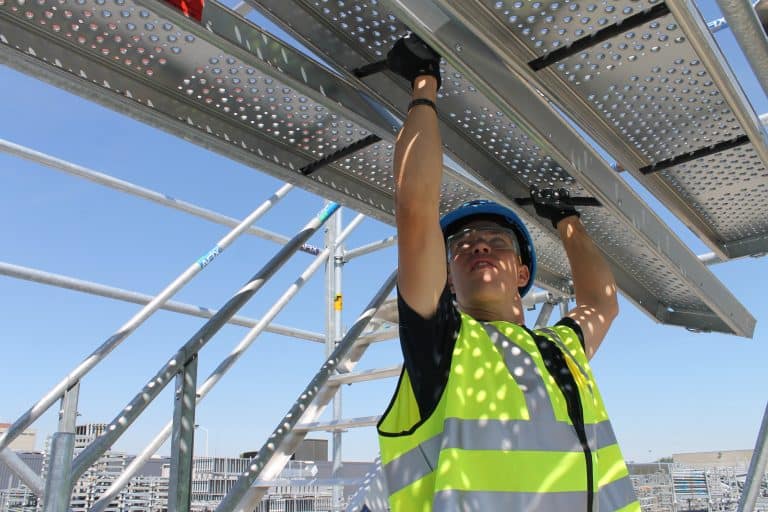
The Afix Group UK has partnered with Trademagic System Scaffolding to distribute its brand of system scaffolding.

Birmingham-based Trademagic System Scaffolding is a newly established subsidiary that will focus on the hire and sale of AFIX FAST X52 system scaffolding.

Manufactured by the international Afix Group, this multidirectional scaffolding is distinguished by the use of high-quality S355 steel to enhance safety and productivity on site.

Focus on system scaffolding

Trademagic began by manufacturing baseplates many years ago for the scaffolding industry and evolved now to a ISO9001 registered scaffold service point while KGuard® International Ltd is also a part of the Trademagic group of companies.

Trademagic System Scaffolding has been created in order to supply hire & sales of AFIXFAST X52 system scaffolding and components for customers in the construction and scaffolding industry in the North of England. 

One-stop supplier 

Afix Group is a European system scaffolding manufacturer and one-stop supplier for all types of system and traditional scaffolding which offer engineering, sales, hire and financing in more than 20 countries. 

AFIXFAST X52 is the modular and compatible system scaffolding range produced with high-quality S355 steel with an increased yield strength of minimum 400 N/mm² that provides greater safety. 

This multi-directional scaffolding range is a cost-efficient solution for temporary works at height and includes all standard components, staircases, scaffolding towers, public stairs and a wide scaffolding accessories assortment.

Trademagic director, Richard Hocknull, is delighted with this new AFIX Group UK partnership. “Supplying system scaffolding was always our intention as a company. We have looked at all systems in the market in-depth and AFIX FAST stuck out with regards to manufacturing quality, price and the high-quality S355 steel used. It clearly shows that is the best value for us as a company and our customers” he said. 

PPE and safety product buyers urged to CHECK-SELECT-PROTECT

The British Safety Industry Federation (BSiF) is urging buyers and end users of PPE and safety equipment to follow a simple process when specifying products to ensure that they are fit for purpose.
  Under PPE Regulations, buyers of PPE and safety equipment have a responsibility to ensure that the products they buy are compliant, but many buyers don’t have the knowledge and resources to validate suppliers’ claims. It is easy to assume that if products look like PPE and safety equipment and are marketed as such, they will provide the protection that’s needed. However, mounting evidence shows that this is not always the case, and the use of ineffective products that put people at risk of injury, or worse, is on the rise. The simple solution is to ensure that your supplier is a member of the BSiF’s Registered Safety Supplier Scheme. Therefore, if you are a business or organisation in the UK that is buying PPE and safety equipment, the BSiF urges you to:
  • CHECK your supplier is BSiF Registered. BSiF audited suppliers are compliant, competent and trustworthy.
  • SELECT appropriate, certified and approved products. Registered Safety Suppliers can support the product selection process through their competence, capability and knowledge.
  • PROTECT your people, your most precious asset, and help your business to thrive.
BSiF CEO Alan Murray comments: “However you are sourcing your PPE and safety equipment, checking whether your vendor is a Registered Safety Supplier is a quick and easy way of ensuring they are committed to high standards of operation and are compliant with relevant regulations. “Remember, anyone can sell safety, but you wouldn’t buy safety from just anyone. Always specify the shield.” To find out more about the benefits of specifying a BSiF registered supplier in your supply chain, watch the BSiF’s video The BSIF Registered Safety Supplier Scheme: What you need to know when buying PPE & Safety Equipment.

New Temporary Edge Protection Guidance Published

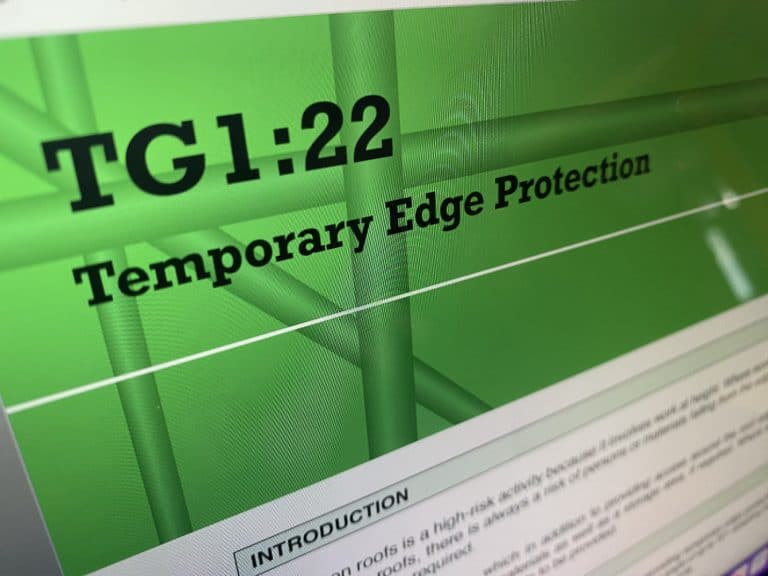
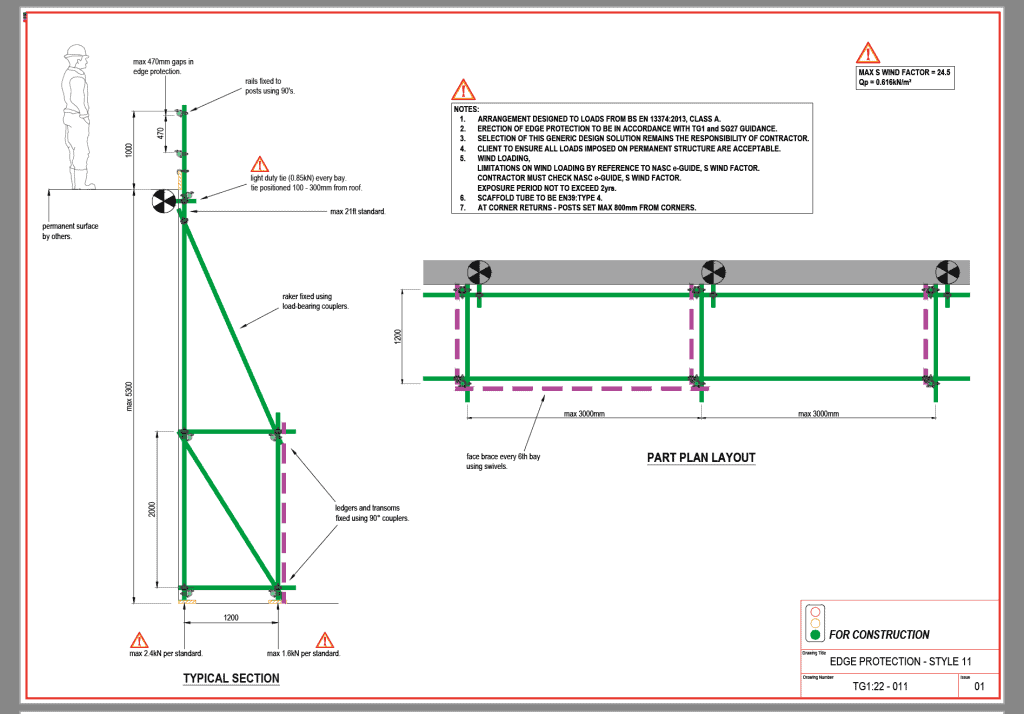
Scaffolding trade body the NASC has published comprehensive advice on how to provide safe and compliant temporary edge protection for flat and sloping roofs with an angle of up to 10°. The eagerly awaited TG1:22 Temporary Edge Protection includes details of the requirements for Class A type edge protection, constructed with tube and fittings, in compliance with BS EN 13374:2013+A1:2018, together with the basic elements of construction. This document provides updated guidance and now includes 15 generic design drawings, which may be used to construct edge protection without the need for a bespoke design, provided that environmental conditions and roof/floor structures are suitable. Dennis Braithwaite, NASC Technical Advisor, said: “Working on roofs is a high-risk activity because it involves work at height. Where work is to be carried out from flat or sloping roofs or open floor levels, there is always a risk of persons or materials falling from the edge and therefore suitable edge protection is required. “I’d like to thank the NASC Technical Committee for their efforts in developing this guidance, which will play a huge part in ensuring scaffolding contractors across the UK construct temporary edge protection that is safe and fit-for-purpose.” James Attridge, Director at JFE Attridge Scaffolding Services Co Ltd and Chair of the NASC Technical Committee, added: “The re-introduction of TG1 has been a long drawn out and complex procedure as all the Class A designs had to be CAT 3 checked and include wind loading which wasn’t taken into consideration in the previous guidance.   “Now that the first set of designs have been completed and approved, the testing for Class B loadings (taken from BS EN 13374) on all the Class A configurations will begin. The official testing is due to start later this year.  “Some basic preliminary tests (class B) on a couple of the designs have taken place and proved successful. When TG1:22 has been fully developed and added to the NASC ePortal, it will enable a compliance sheet to be produced from the suite of edge protection types similar to how a TG20:21 compliance sheet is produced for basic scaffolds.  “We’re sure this will be widely used by NASC Contractor members.” TG1:22 is available to NASC members for free digital download via the NASC Shop and the NASC ePortal. The guidance will also be made available to non-NASC members for purchase in the coming months. The NASC Technical Committee is in the process of producing similar guidance for Class B type edge protection. This is expected to be published next year. Now that TG1:22 is complete, the NASC’s Health and Safety Committee will update SG27:09 Temporary Edge Protection on Open Steelwork, which provides general advice on safe systems of work when planning the installation of edge protection systems.
Hydrajaws relocates global HQ after continuous success

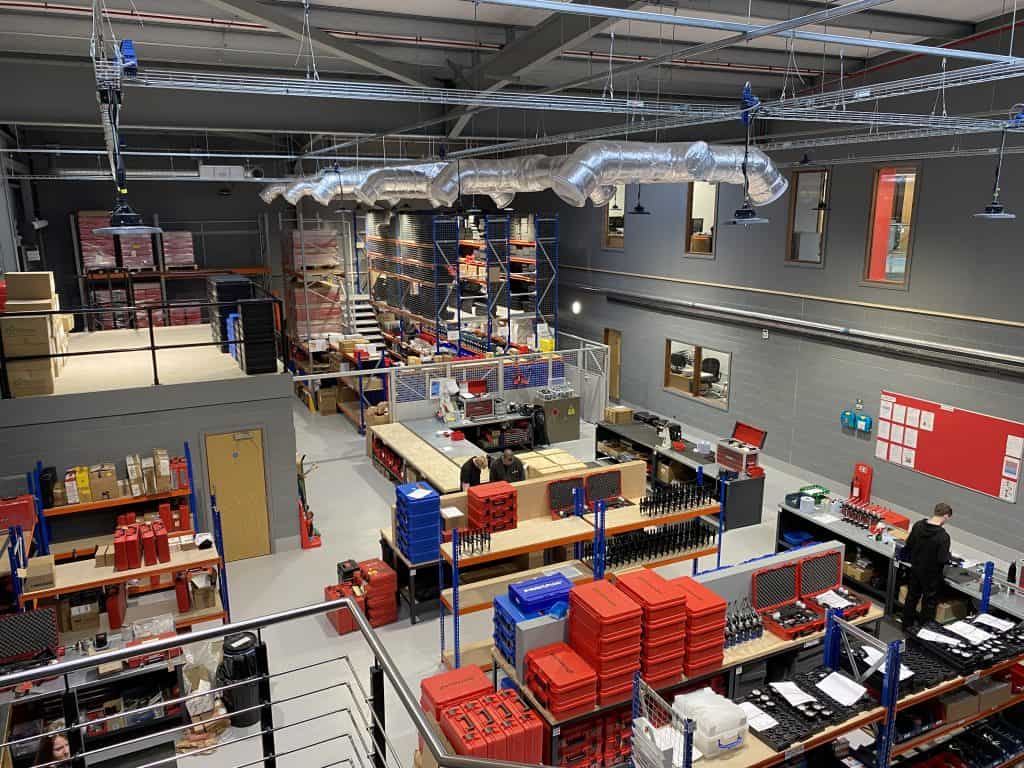
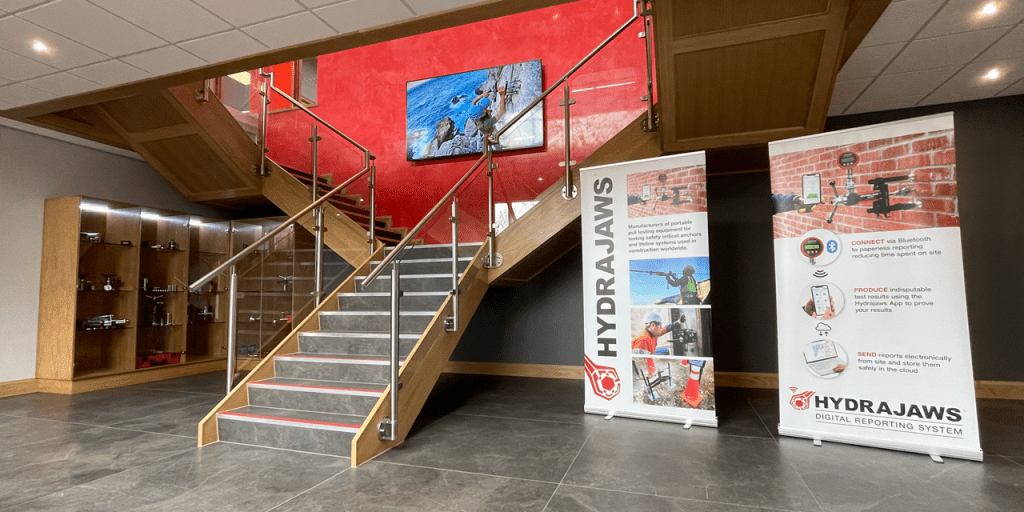
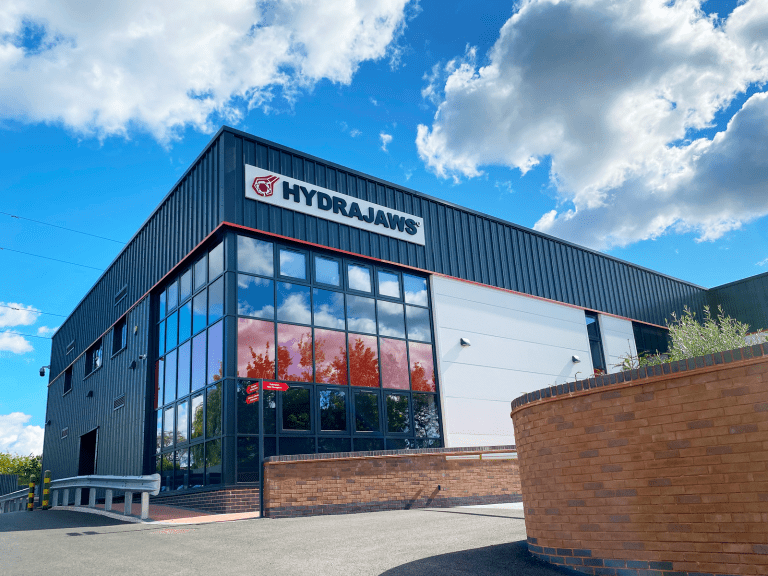
Hydrajaws Ltd, the world’s largest manufacturer of hydraulic pull testers for load testing scaffold anchors and fixings, has relocated its global headquarters to Tamworth in Staffordshire. Hydrajaws Ltd, established in the early 1980s has seen massive demand globally for its product range over the years which has driven continuous growth for the business. Now after outgrowing its previous building, twenty-nine staff now occupy the new HQ in Tamworth, substantial growth from the original three employees in the 1980s. The firm’s new purpose-built HQ building covers 20,000 sq. ft. on a brown field site in Kettlebrook Road, Tamworth, houses Hydrajaws’ manufacturing, distribution, sales and marketing, training and service operations. Exports have grown significantly across the decades, the business is now supplying over 70 countries and across all continents around the globe with distributors in the US, Australia and Continental Europe. A network of global service agents and field support teams offers comprehensive customer support. The company also supplies several large OEMs in the anchors and fixings sector, its comprehensive range of equipment working on several major construction projects, most recently Crossrail and now HS2. The new building has been designed to incorporate high standards of efficiency using the latest materials, energy (including solar panels), water conservation measures and a major investment in its IT infrastructure. Anticipating growth in electric car usage, charging points for staff and visitors have also been included in the building specification. Hydrajaws, the world's largest manufacturer of hydraulic pull testers for load testing scaffold anchors has relocated its global HQ to Tamworth. Hydrajaws, the world's largest manufacturer of hydraulic pull testers for load testing scaffold anchors has relocated its global HQ to Tamworth. Hydrajaws’ first tester was prototyped in 1985 and has been manufactured and developed since 1986 by this family-run business, founded by Chairman Royston Morgan. Significant developments have taken place over the decades and not only to the base design, now with a capacity of 25kN. Added to the range has been a wide range of adapters and accessories for fixing types from proprietary manufacturers plus additional product for specialised testing, delivering up to 500kN. The full range enables the testing of a simple plastic plug through to M36 heavy duty construction anchors. An important facet of the business is the testing of scaffolding anchor points where any potential for failure can have catastrophic consequences. Since 2014, Hydrajaws has taken the lead in the digital world, being the first to introduce a sophisticated app where testing can be carried out and the results immediately shared live to a mobile platform or laptop anywhere in the world. Digital reports include date, time, and GPS location, graphs showing the duration of the test and pass or fail result plus notes and photos taken on site. The app is covered by a comprehensive US patent. The business began manufacture of its tester in 500 sq. ft. premises in Birmingham in 1986 and has expanded through four separate premises over the ensuing 35 years. The introduction of Health and Safety legislation provided a considerable growth opportunity across the world – the company worked closely with the HSE and the British and European standards organisations on safety cases during the development of the legislation. Adrian Morgan, CEO (and son of Chairman Royston Morgan) said: “In today’s world of high safety awareness, Hydrajaws is proud to have led the way in testing equipment and techniques that have potential to save lives across the world. The high quality and robust nature of our products has seen demand outgrow our supply capacity, hence our investment in a new HQ operation, helping to ensure continuity of supply and services to our customers. The all-new building not only future-proofs demand but also enables a more efficient and cost-effective flow for our manufacturing and distribution process plus the establishment of more comprehensive training, research and development, service and testing facilities to serve our growing global customer base”.

Multicat made from Scaffolding

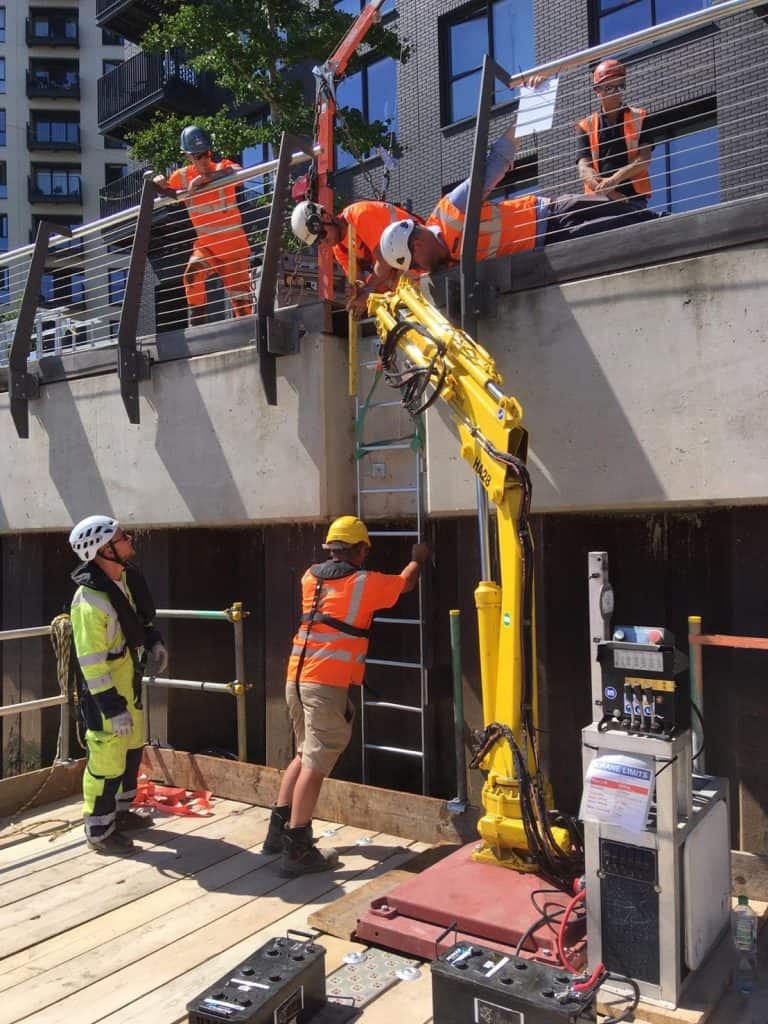
A self-propelled pontoon made entirely from standard scaffold components and fitted with a crane has been used for a project on the river Thames to install ladders, chains, and wooden fendering. This project sees yet another significant evolution of the ScaffFloat system that launched in the UK just two years ago. The Cornish-based company has grown rapidly across multiple markets and this latest addition of a crane to their self-powered pontoons has got some in the industry likening it to the popular multicat style workboats. For the project on the Thames ScaffFloat mobilised an 8m x 6.4m ScaffFloat, fitted with two 60hp, high-thrust outboards giving 0.8t of bollard pull and a 5-knot service speed. Thirty of the company’s small 0.5m3 patented plastic floats provided 15m3 of buoyancy giving it a comfortable 5t payload on the large open 50m2 wood deck. A 2.8tm crane that can lift 600kg at 5m was fitted to a custom-made steel crane base. This was designed in accordance with Lloyd’s Register Code for Lifting Appliances in a Marine Environment, July 2021 (CLAME, 2021). After NDT testing it was then LOLER tested once fitted to the ScaffFloat, and a full stability assessment was provided in line with relevant IMO (International Maritime Organization) standards. The ScaffFloat was also surveyed and licensed by the PLA (Port of London Authority) as a commercial vessel prior to commencing works. Toby Budd, MD and Founder said ”We started off with simple pontoons that could be used for access. Then we added outboard pods to the pontoons turning them into workboats, suddenly they became much more useful to our customers and now 90% of our hires go out as a ‘vessel’. We then added spud legs, deck winches, and other bolt-ons to add further value. But there is no doubt that it is the addition of a knuckle boom crane that marks the biggest advance in the system from an engineering perspective. Lifting is a key component for most marine works and I am delighted we can now offer this to our customers”. The company is now developing a crane base for larger projects and expects to soon offer a 7tm crane on their larger 750mm beam system. The ScaffFloat was on hire for almost two months to GPS MACS who are a specialist marine contractor on the Thames. The ScaffFloat package provided the perfect tool for the job, it also had the benefit of very low draft (just 0.3m) and could be dried out on the steep mud banks giving the workers a much larger tidal working window than more traditional vessels that would not have been able to ground out. Ross Albertyn, project manager, said “Thanks again for your assistance on this project. The ScaffFloat has been absolutely brilliant.”

Should your business join a scaffolding association?

0
As a former President of the NASC, you wouldn’t be surprised to read an article promoting the benefits of joining an industry association. In my view, there are lots of benefits – and very few drawbacks, if any – of joining an industry group, and based on my own experience, I’d certainly encourage it. Of course, the most important thing for you as a business owner is to look carefully at the different associations available to decide which is the best fit for your organisation, and how you can get the most from your membership. I was recently part of a panel session debating the merits of system scaffolding relative to the skills shortage in our industry at the first-ever Scaffolding Conference of its type, which was held in the West Midlands at the end of September. Hosted by the Scaffolding Association, the conference was uniquely open to both members and non-members and was a great success. Events like this, alongside campaigns like National Scaffolding Week, and the annual awards ceremonies run by the NASC, are helping to raise the profile of our industry in a positive way, which can only be a good thing. In fact, at TRAD UK, we supported National Scaffolding Week by running a number of events, helping to showcase the depth of skill and professionalism across the industry.

What does an industry association offer?

Part of the role of an industry body is to promote the industry externally. It’s also to support businesses and practitioners within the industry with additional learning, training and focused business assistance. And these associations are not just for ‘traditional’ scaffolding companies. They are open to all businesses involved in scaffolding, including building companies and the wider supply chain. Industry bodies provide a valuable forum for meeting other people in the industry, sharing views, updating practices and moving the industry forward. For example, two of the main industry bodies in our industry – the Scaffolding Association and the NASC – offer a range of benefits to members. These include:
  • Free advice on certain business issues
  • Access to funding and support for applying for funding
  • Networking events
  • Preferential rates for certain business services
  • Access to training and development
  • Ability to have your say on industry issues or future direction
  • Audited membership
  • Sharing best practice across members
  • Guidance notes to support business development
  • A chance to showcase your company’s work and approach through annual awards

Are there drawbacks to joining?

Of course, there is a cost involved. Membership rates usually vary depending on the size and type of your business and what sort of membership you want to take up. There may be additional costs for things like attending conferences and meetings. And, if you want to sit on committees or be more active in the association, you’ll need to take time out of your business to do so. It’s important to note, though, this can be time well spent – sharing your knowledge with others and learning from your peers. I don’t see any of these issues as drawbacks, though. In fact, I think that, even for a small scaffolding business, the cost of an industry body membership is an investment. The benefits of being in a trade association raises the profile of your business, opens you up to new opportunities, gives you the support to help you grow and even raises your own personal profile across the industry.

Building a wider profile for the scaffolding industry

Although our associations are successful and work incredibly hard for their members, the combined membership of two associations referred to is still only a fraction of the total number of companies in our industry. By joining an association, you give yourself and your business a voice. And the more voices there are in scaffolding, the bigger voice we have in the wider construction industry and beyond. Take the time to do your homework so you choose the best association for your business now and in the future. In my opinion, the benefits far outweigh the costs, and I’d encourage businesses of all sizes to consider joining an association this year.

HAKI acquires Austrian construction supplier

0
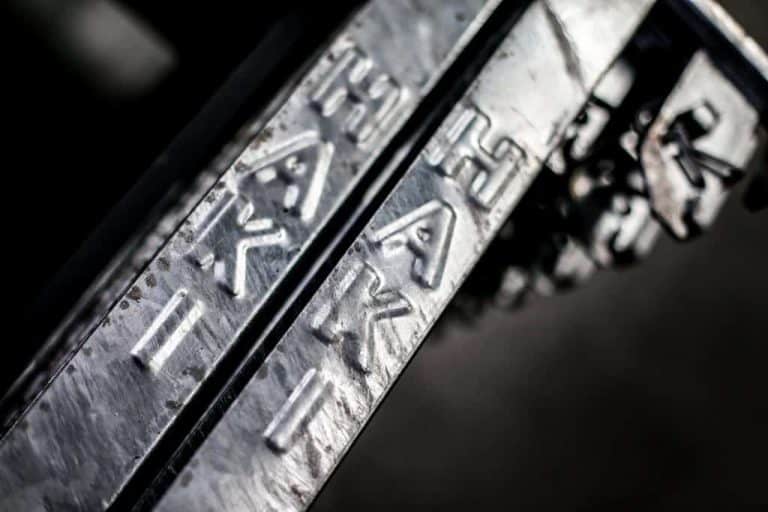
HAKI owners Midway Holding have signed an agreement to acquire Austrian firm EKRO Bausystem. Midway Holding through HAKI has paid EUR 7.5 million for EKRO Bausystem which manufactures and sells products for work at temporary workplaces. This new acquisition for HAKI follows an earlier business buyout when the system scaffolding firm acquired French height safety company Novakorp Systems in June this year. HAKI says that both acquisitions complement the group’s Safe Access Solutions business area and provides further opportunities for geographical expansion. “It is gratifying that we managed to complete our second acquisition of the year and through EKRO Bausystem take another important step in focusing on and developing the Safe Access Solutions business area,” says Midway Holdings CEO and CEO Sverker Lindberg. “The acquisition is completely in line with our existing operations within the business area and is another important step in our journey towards an industrial group. We see good synergy opportunities on the cost side, primarily through opportunities for a joint supply chain with other businesses in the Safe Access Solutions business area. It is with great pleasure that we welcome the employees of EKRO Bausystems to the HAKI family.”
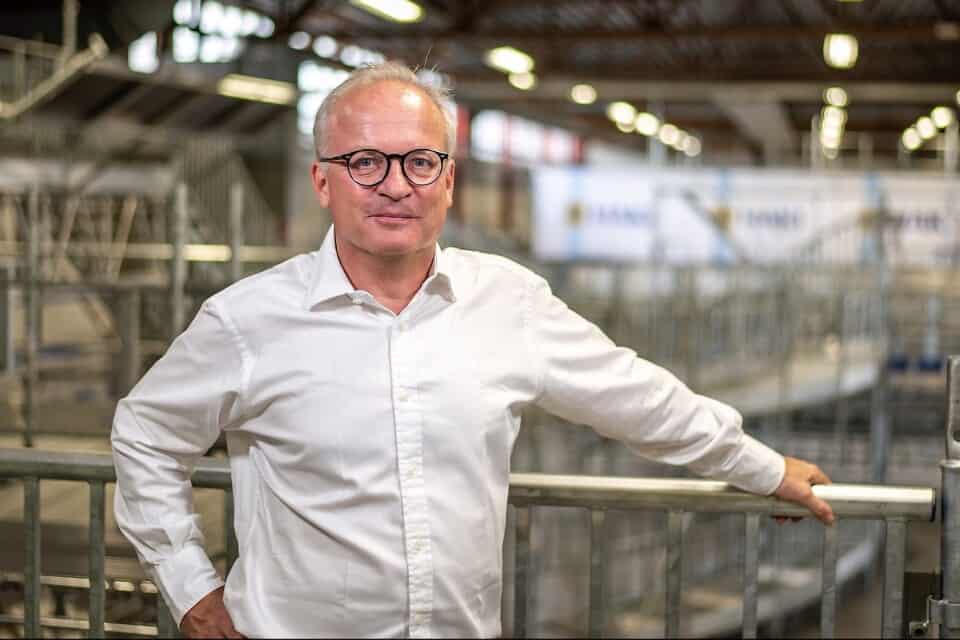
HAKI CEO, Thomas Schuller
HAKI CEO, Thomas Schüller said: “EKRO Bausystem is a very good complement to the other activities within Safe Access Solutions. The acquisition provides interesting opportunities for product synergies as well as a strategically important broadening of our market to Central Europe with opportunities for further geographical expansion.”  

New CISRS CAP609 Booklet Released

The Construction Industry Scaffolders Record Scheme (CISRS) has published a new CAP 609 General Information Booklet. The popular user-friendly booklet has been revised, reprinted and according to CISRS is ready for release. Readers of the new booklet will find a very useful overview of the CISRS scheme and a great reference document for scaffolders, employers and others in the wider industry looking to complete any CISRS training. The 36-page A5 booklet is designed to provide a detailed overview of the CISRS scheme and includes the full range and scope of courses including CISRS, COTS, Part 1, Part 2, Advanced, CPD, Manager & Supervisor, Inspection and Scaffolding Awareness. The CAP 609 booklet and the recently updated ‘Have You Got The Right Card? Poster are available free of charge by contacting CISRS at [email protected]  A PDF version of the new CAP 609 booklet will also be available to download on the CISRS website.

Powerclad answers the call for BT Centre redevelopment

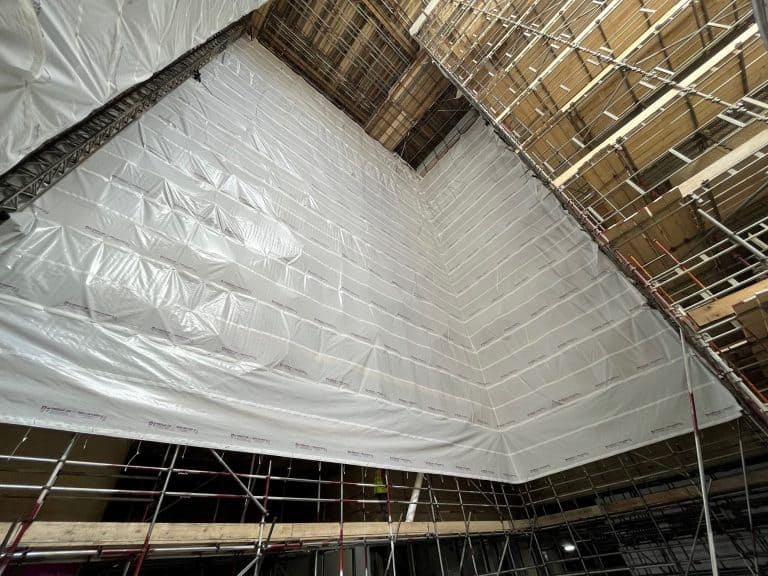
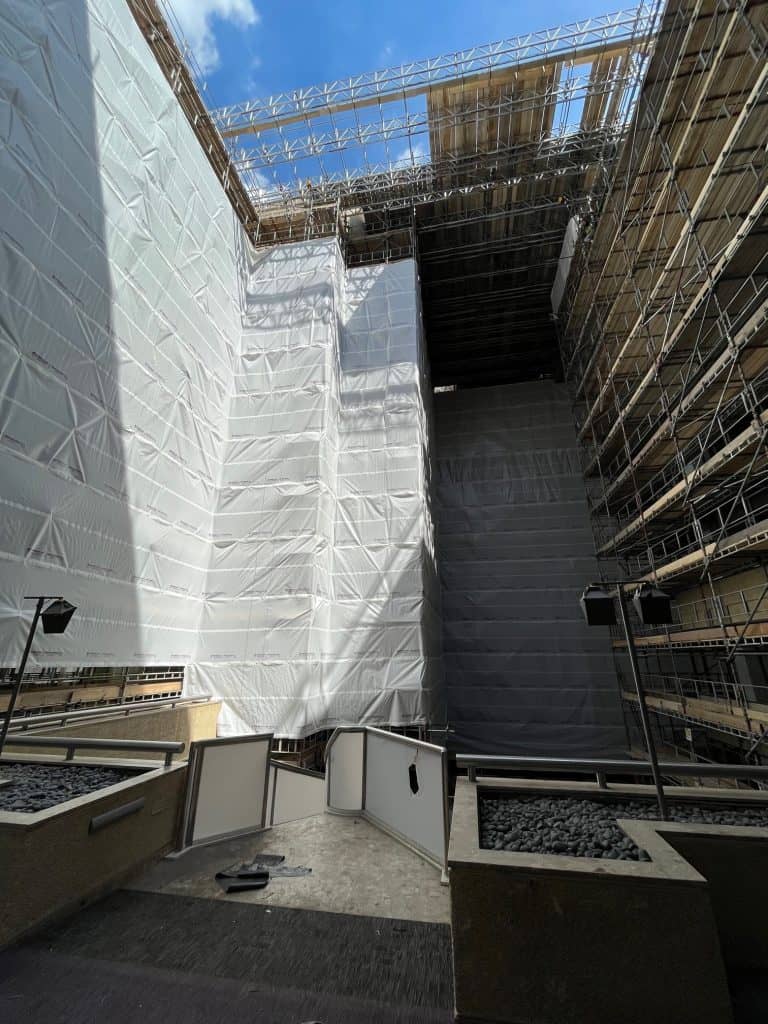
The flame retardancy credentials of ITP’s Powerclad FR scaffold sheeting made it the ideal choice for an internal application in the deep retrofit and expansion of BT’s former headquarters near St Paul’s Cathedral. The development by Orion Capital Managers and Pella Real Estate Partner will transform the 1980s office block at 81 Newgate Street into a sustainable, mixed-use building providing a new gateway destination into London’s ‘Culture Mile’. Main contractor, Mace Group, is overseeing the reconfiguration, extension and modernisation of the existing 10-storey BT Centre, including the addition of another four storeys. Designed by Kohn Pedersen Fox Associates (KPF), the scheme comprises retail units, gym, swimming pool, and large, flexible office floorplates with increased daylight, improved internal experience and ample outside space. A large public roof terrace will include a restaurant, wildflower meadow and feature access stairs, all providing a unique view of St. Paul’s Cathedral. The structural frame will be substantially retained and extended with commercial office space increased to more than 67,500sq m, partially achieved by the insertion of new cores into the existing atrium void and refilling of the remaining space. The complex internal reconstruction is being supported by Powerclad sheeting on scaffold installed by award-winning scaffolding company, Benchmark Scaffolding, in partnership with Simian Risk, specialist consultants in scaffolding and construction safety. Ojay Roynon, Site Manager at Benchmark Scaffolding, said: “We used Powerclad’s flame retardant grade which is third-party certified as fully compliant for interior use. That is a vital attribute in maximising safety throughout the internal reconstruction.” Jamie Lyons, Scaffold Health & Safety Advisor at Simian Risk, said: “The scaffolding has been installed to a high standard and ITP’s Powerclad FR sheeting certainly meets the performance and safety demands of this major redevelopment.” ITP Account Manager, Seb Carrick, said: “Our Powerclad FR sheeting has an advantage over many rival products because the system’s fire safety attributes make it suitable for both internal and external site application. We manufacture plain, flexographically printed and digitally printed sheeting which is approved under Certifire T62 for external installation and Certifire T63 for internal installation. Having both of those certifications within the same product is currently unique in the UK market. All our Powerclad FR systems are independently tested and have a Euroclass rating of B-s1,d0 EN 13501-1.” The redevelopment of the BT Centre will improve the environmental performance of the building and minimise environmental impact by reusing its original Portland stone, employing modular construction methods, specifying low carbon materials and adopting a zero to landfill policy. The project aims to deliver a building which is air quality neutral, providing one of the highest ‘urban greening factors’ in London and to be the first net zero carbon enabled office development in London.